
Many people find themselves wide awake late into the night, scrolling through social media, watching one more episode, or replying to old messages — not because they’re unable to sleep, but because they don’t want to. This behavior has a name: revenge bedtime procrastination. It occurs when individuals delay going to bed despite being tired, as a way to reclaim personal time lost during the day. While it may feel like a small act of rebellion or self-care, it comes at a steep cost: chronic sleep deprivation, reduced productivity, and long-term health risks.
The irony is that the very time people are trying to gain ends up stealing from their well-being. The good news? Revenge bedtime procrastination isn’t a life sentence. With intentional habits, structured routines, and a deeper understanding of why we do it, it’s possible to break the cycle and restore restful, consistent sleep.
Understanding Revenge Bedtime Procrastination
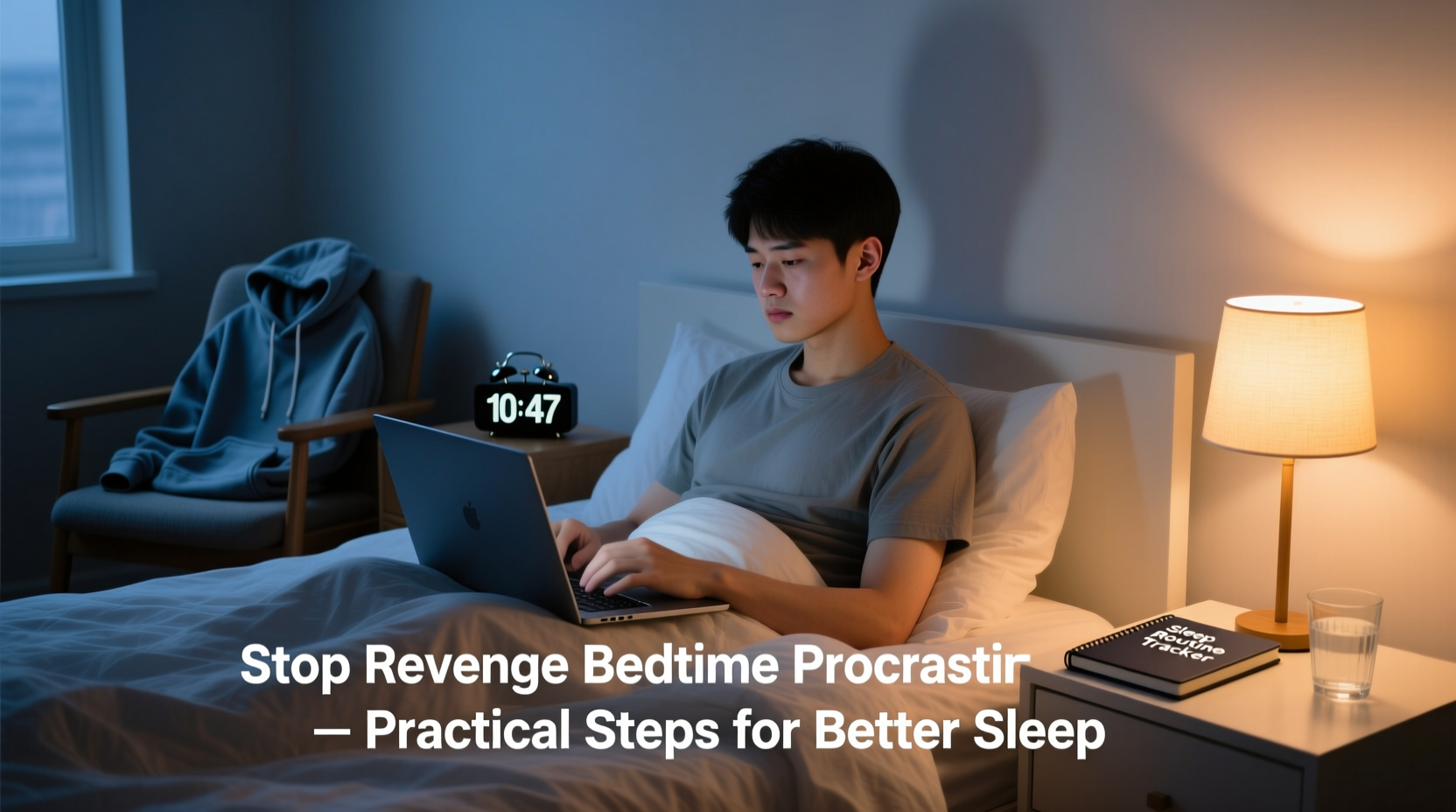
Revenge bedtime procrastination was first identified in research by Chinese academics who observed that urban workers, overwhelmed by rigid daytime schedules, would stay up late to regain a sense of freedom. The term gained global traction during the pandemic, as remote work blurred boundaries between professional and personal time.
At its core, this behavior stems from a lack of autonomy. When your days are packed with responsibilities—work, family, chores, errands—your evenings become the only window for “me time.” Even if you're exhausted, you resist sleep because surrendering to it feels like giving up the last opportunity to enjoy yourself.
It's not simply poor time management; it's an emotional response to feeling over-scheduled and under-recovered. As Dr. Panteá Farvid, a clinical psychologist specializing in behavioral sleep medicine, explains:
“People aren’t staying up late because they love TikTok. They’re staying up because they haven’t had a single uninterrupted hour to breathe all day. Sleep becomes the sacrifice made in pursuit of control.”
This makes revenge bedtime procrastination less about willpower and more about emotional regulation and daily structure.
Why It’s More Than Just ‘Staying Up Late’
Unlike general insomnia or occasional late nights, revenge bedtime procrastination follows a specific psychological pattern:
- Intentional delay: You know you should sleep, but you choose not to.
- No external cause: There’s no urgent task or medical issue keeping you awake.
- Emotional motivation: The drive comes from a desire for leisure, autonomy, or escape.
- Cyclical guilt: You regret it the next morning, yet repeat the behavior the following night.
Over time, this pattern disrupts circadian rhythms, reduces REM sleep, and impairs cognitive function. Chronic sleep loss is linked to increased risk of depression, cardiovascular disease, weakened immunity, and weight gain. What starts as a nightly rebellion can evolve into a serious health concern.
Step-by-Step Guide to Breaking the Cycle
Reclaiming your sleep requires both structural changes and mindset shifts. Here’s a six-step approach grounded in behavioral psychology and sleep science.
- Conduct a Time Autonomy Audit
For one week, log how you spend each hour of your waking day. Categorize activities as: Work, Care (family/chores), Commute, Leisure, and Transition (e.g., showering). At the end of the week, calculate how many hours were spent on voluntary, enjoyable activities. If leisure time is less than 1–2 hours daily, you’re likely compensating at night. - Create a ‘Wind-Down Ritual’ That Feels Rewarding
Replace screen-based distractions with low-stimulus, pleasurable activities: reading fiction, light stretching, journaling, or listening to calming music. The key is consistency—perform the same sequence every night so your brain begins to associate it with sleep. - Set a ‘Personal Time’ Window Earlier in the Evening
Instead of waiting until post-kids’-bedtime or post-dinner, schedule 30–60 minutes of dedicated “me time” earlier—ideally between 7:00 PM and 8:30 PM. Use this block guilt-free for hobbies, relaxation, or entertainment. Knowing this time exists reduces the urge to hoard nighttime hours. - Implement the 15-Minute Rule
When you catch yourself mindlessly scrolling or watching videos past your bedtime, say: “I can do this for 15 minutes, then I must start my wind-down routine.” Set a timer. Often, just creating a boundary reduces the compulsive need to continue. - Optimize Your Sleep Environment
Make your bedroom inhospitable to procrastination. Remove TVs, charge phones outside the room, and use blackout curtains. A cool, dark, quiet space signals to your brain that this is for sleep—not entertainment. - Practice ‘Sleep Anchoring’
Go to bed and wake up within the same 30-minute window every day—even on weekends. This stabilizes your circadian rhythm, making it easier to fall asleep and reducing the temptation to “catch up” by staying up late.
Do’s and Don’ts of Evening Routine Design
| Do | Don't |
|---|---|
| Drink herbal tea (chamomile, valerian root) | Consume caffeine after 2 PM |
| Use dim, warm lighting after 8 PM | Watch intense or stimulating content (thrillers, debates) |
| Write down tomorrow’s top 3 priorities | Check work emails or Slack |
| Practice gratitude journaling | Engage in heated conversations |
| Read physical books or e-ink devices | Scroll social media or binge series |
A Real-Life Example: Maria’s Turnaround
Maria, a 34-year-old project manager and mother of two, routinely stayed up until 1:00 AM after her children went to bed. She described her nights as “the only time I feel like myself.” She’d watch reality TV, browse fashion sites, or reply to friends—anything to avoid ending the day.
After weeks of fatigue, brain fog, and irritability, she decided to experiment. She shifted her personal time to 7:30–8:30 PM, right after dinner cleanup. During that hour, she lit a candle, put on soft music, and read novels—a habit she’d abandoned for years. She also moved her phone charging station to the kitchen.
The first few nights were difficult. She felt restless and anxious. But by the fourth night, she noticed she was yawning by 10:15 PM. Within two weeks, she was consistently asleep by 10:30 PM and waking up before her alarm. Her energy improved, and she reported feeling “more present” during the day.
“I realized I wasn’t addicted to late nights,” she said. “I was addicted to having time to myself. Once I gave myself permission to have it earlier, the urgency to steal from sleep disappeared.”
Building a Sustainable Evening Framework
Long-term success depends on designing a lifestyle where bedtime doesn’t feel like a loss. Consider these strategies:
- Batch tasks during the day: Group similar chores (e.g., answering emails, grocery shopping) to free up mental space.
- Delegate what you can: Share household responsibilities to reduce evening workload.
- Use lunch breaks for joy: Take walks, call a friend, or enjoy a meal without multitasking. Small moments of autonomy add up.
- Reflect weekly: Every Sunday, review your schedule. Did you get enough personal time? Adjust proactively.
Frequently Asked Questions
Is revenge bedtime procrastination the same as insomnia?
No. Insomnia involves difficulty falling or staying asleep despite wanting to. Revenge bedtime procrastination is a voluntary delay of sleep due to emotional or psychological reasons, even when tired. However, prolonged procrastination can lead to secondary insomnia due to disrupted sleep patterns.
Can I still have screen time at night if I use blue light filters?
Blue light filters help, but they don’t eliminate the cognitive stimulation caused by engaging content. Scrolling, gaming, or watching shows activate your brain’s reward system, making it harder to wind down. The best practice is to avoid screens entirely 60–90 minutes before bed.
What if my job requires late-night work?
If your profession demands evening hours (e.g., healthcare, hospitality, freelancing), protect your sleep by creating strict boundaries. Schedule non-negotiable wind-down periods, use blackout curtains, and consider a sleep mask. Prioritize consistency—even if you sleep later, aim to wake at the same time daily to stabilize your rhythm.
Action Checklist: Stop Revenge Bedtime Procrastination in 7 Days
- Track your current bedtime and wake time for three days.
- Identify your top leisure activities that keep you up (e.g., Netflix, Instagram).
- Schedule 30–60 minutes of personal time earlier in the evening (before 9 PM).
- Create a 45-minute wind-down routine (e.g., tea, reading, stretching).
- Remove electronic devices from the bedroom or use a charging station outside.
- Set a fixed wake-up time and stick to it for seven days straight.
- Review progress weekly and adjust your plan based on what works.
Conclusion: Reclaim Your Nights Without Losing Yourself
Stopping revenge bedtime procrastination isn’t about enforcing stricter discipline—it’s about redesigning your days so your nights don’t feel like the only refuge. True rest begins long before you lie down. It starts with honoring your need for autonomy, pleasure, and peace throughout the entire day.
You don’t have to choose between self-expression and sleep. By building intentional moments of freedom earlier, crafting soothing rituals, and protecting your bedtime with environmental cues, you can enjoy both fulfillment and rest. The goal isn’t to sleep more—it’s to live better.




 浙公网安备
33010002000092号
浙公网安备
33010002000092号 浙B2-20120091-4
Comments
No comments yet. Why don't you start the discussion?