
Double-coated dog breeds like Siberian Huskies, Golden Retrievers, German Shepherds, and Samoyeds are beloved for their thick, insulating fur that protects them from both cold and heat. However, their dense undercoats lead to heavy seasonal shedding—often referred to as “blowing the coat.” While some owners consider shaving as a quick fix, it can do more harm than good. Shaving disrupts the natural thermoregulation of these dogs, increases the risk of sunburn, skin irritation, and even improper hair regrowth known as “coat blowback.” The good news is that shedding can be significantly reduced through proper care, without ever touching a clipper.
Understanding how a double coat works is the first step toward managing shedding effectively. These dogs have two layers: a soft, downy undercoat that traps air for insulation, and a longer, water-resistant outer coat (guard hairs) that shields against dirt, moisture, and UV rays. During seasonal transitions—especially spring and fall—the undercoat sheds in bulk to prepare for temperature changes. With consistent grooming, nutrition, and environmental management, you can minimize loose fur in your home while keeping your dog healthy, comfortable, and fully protected.
Why You Should Never Shave a Double-Coated Dog
Despite common misconceptions, shaving a double-coated dog does not reduce shedding in the long term and often worsens it. The guard hairs play a critical role in protecting the skin and regulating body temperature. When shaved, the undercoat may grow back faster and thicker, while the guard hairs either fail to regrow or come in unevenly. This imbalance leaves the dog vulnerable to overheating in summer and chilling in winter.
“Shaving a double-coated breed is like removing the roof of a house—you might think it cools things down, but you’re actually exposing everything to the elements.” — Dr. Linda Wagner, DVM, Canine Dermatology Specialist
In addition to compromised thermoregulation, shaved dogs face higher risks of sunburn, insect bites, and skin tumors due to lack of UV protection. Many groomers now refuse to shave double-coated breeds unless medically necessary, such as for treating severe matting or skin infections.
Effective Grooming Techniques to Reduce Shedding
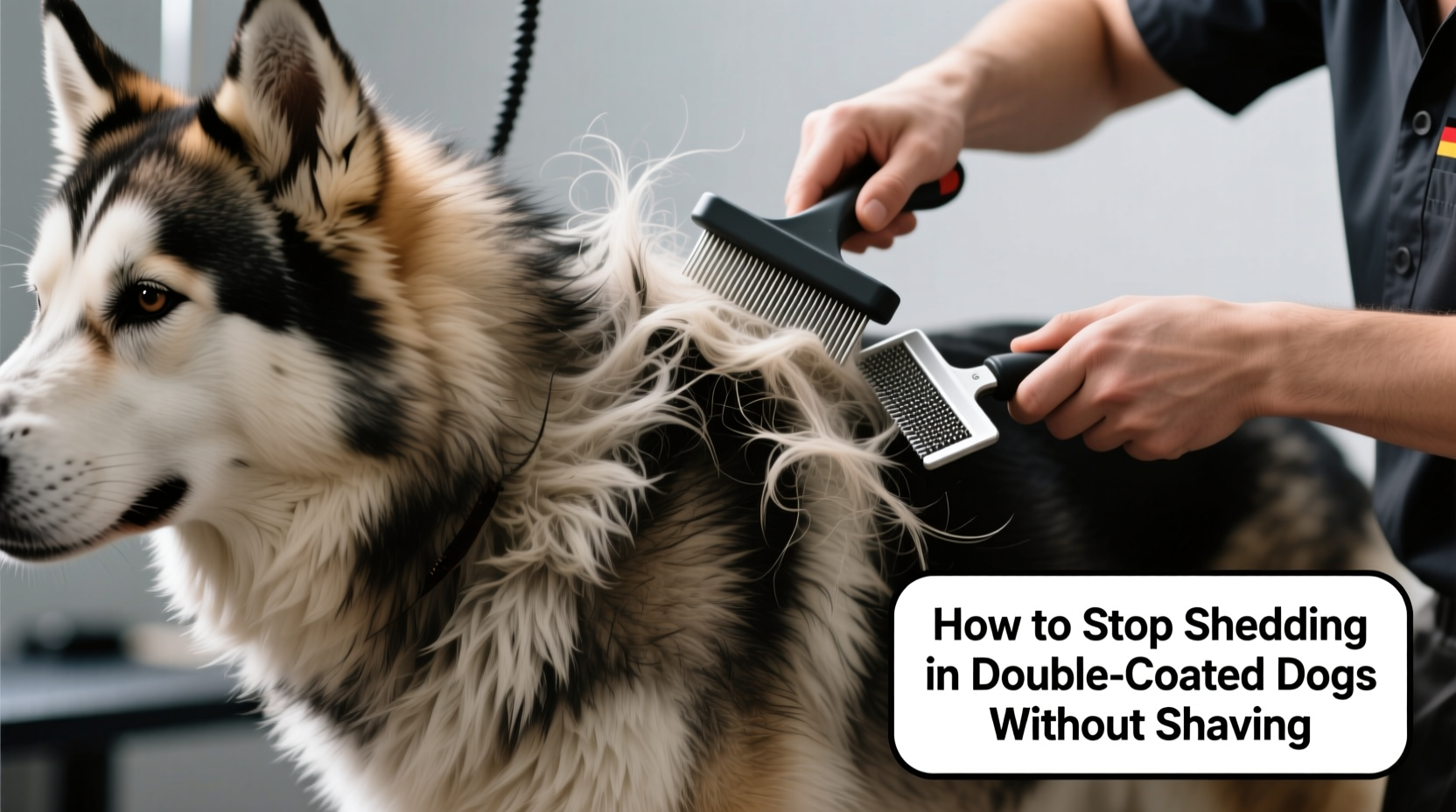
The cornerstone of managing shedding in double-coated dogs is regular, thorough grooming. Brushing removes dead undercoat before it ends up on your furniture and stimulates healthy skin circulation. However, not all brushes work equally well. Using the wrong tool can damage guard hairs or fail to reach the undercoat.
Recommended Tools for Double Coats
- Undercoat rake: Designed to pull out loose undercoat without cutting guard hairs.
- Furminator or de-shedding tool: Effective when used correctly—limit use to once a week to avoid skin irritation.
- Slicker brush: Ideal for finishing and removing surface tangles after raking.
- Pin brush: Gentle option for daily brushing, especially in sensitive areas like behind ears.
Brushing Routine by Season
| Season | Frequency | Technique Focus |
|---|---|---|
| Spring/Fall (Shedding Seasons) | Every 2–3 days | Deep undercoat removal with rake and de-shedding tool |
| Summer/Winter | Weekly | Surface maintenance and tangle prevention |
| Daily (Optional) | Daily | Light brushing to catch early shedding |
Always brush in the direction of hair growth, starting at the shoulders and moving backward. Pay extra attention to high-friction zones like the neck, chest, and rear legs where mats commonly form. Work in sections and lift the topcoat gently to access the undercoat beneath. After brushing, wipe your dog down with a damp cloth to remove residual loose fur.
Step-by-Step Guide to a Proper De-Shedding Session
A structured grooming session ensures maximum fur removal without stressing your dog or damaging their coat. Follow this timeline for optimal results:
- Prepare the space: Choose a well-lit, easy-to-clean area like a bathroom or garage. Lay down a towel or mat to contain loose fur.
- Pre-brush inspection: Check for mats, hot spots, or skin irritations. Address any issues before proceeding.
- Start with an undercoat rake: Use firm, overlapping strokes along the back, sides, and thighs. Focus on areas where the coat feels densest.
- Switch to a de-shedding tool: Pass over the same areas to extract remaining loose undercoat. Do not press too hard—let the tool do the work.
- Finish with a slicker or pin brush: Smooth the coat and remove any lingering tangles.
- Bathe if needed: Only bathe during heavy shedding if the coat is dirty. Use a moisturizing, sulfate-free shampoo to prevent dryness.
- Blow-dry on cool setting: Helps loosen additional undercoat, which can then be brushed out once dry.
- Dispose of fur responsibly: Bag and seal collected fur to prevent it from spreading indoors.
Nutrition and Skin Health: The Internal Factor
No grooming routine can compensate for poor internal health. A shiny, resilient coat begins with balanced nutrition. Omega-3 and omega-6 fatty acids are essential for reducing inflammation and supporting skin hydration. Deficiencies can lead to dry, flaky skin and excessive shedding.
High-quality dog foods should list whole meats as the first ingredient and include sources of fish oil, flaxseed, or chia. Supplements like salmon oil or evening primrose oil can further enhance coat condition. Always introduce supplements gradually and consult your vet, especially if your dog has allergies or medical conditions.
“Over 60% of chronic shedding cases I see are linked to suboptimal diets or undiagnosed food sensitivities.” — Dr. Rebecca Tran, Veterinary Nutritionist
Hydration also plays a crucial role. Ensure your dog has constant access to fresh water, particularly during warmer months. Dehydrated skin produces brittle fur that breaks easily and sheds prematurely.
Do’s and Don’ts of Diet for Reducing Shedding
| Do | Don't |
|---|---|
| Feed a diet rich in animal protein and essential fatty acids | Use low-quality kibble filled with fillers like corn and soy |
| Add a vet-approved fish oil supplement | Over-supplement with vitamin A or E without guidance |
| Provide fresh water daily | Allow prolonged dehydration, especially post-exercise |
| Monitor for food allergies (itching, ear infections) | Ignore persistent skin issues—seek veterinary advice |
Real-Life Example: Managing Max the Husky’s Shedding
Max, a 3-year-old Siberian Husky from Colorado, was shedding so heavily each spring that his owner, Sarah, considered shaving him. Every room in her house was covered in fur, and vacuuming twice a day wasn’t enough. After consulting a professional groomer, she learned that Max’s weekly brushing wasn’t sufficient during peak shedding season.
She adopted a new routine: brushing Max every other day with an undercoat rake and Furminator, followed by a cool-air blowout. She also switched his food to a grain-free formula with added salmon oil. Within three weeks, the amount of loose fur decreased by nearly 70%. Her vacuum runs less frequently, and Max remained cool during summer hikes thanks to his intact coat.
“I thought shaving would solve everything,” Sarah said. “But now I realize I was fighting nature instead of working with it.”
Essential Checklist for Non-Shaving Shed Control
Use this checklist to stay on track year-round:
- ✅ Brush every 2–3 days during shedding seasons
- ✅ Use appropriate tools: undercoat rake, de-shedding blade, slicker brush
- ✅ Avoid shaving or clipping the coat short
- ✅ Feed a high-quality diet with omega fatty acids
- ✅ Provide constant access to fresh water
- ✅ Bathe only when necessary with a moisturizing shampoo
- ✅ Schedule professional deshedding treatments 2–4 times per year
- ✅ Monitor for signs of skin infection or allergy
- ✅ Keep indoor environment humidified in dry climates or winter
- ✅ Vacuum and lint-roll regularly to manage loose fur
Frequently Asked Questions
Can I trim my double-coated dog’s fur instead of shaving?
Minor trimming is acceptable around the paws, sanitary areas, and ears for hygiene. However, avoid cutting into the main body coat. Trimming too much can still disrupt insulation and lead to uneven regrowth. Focus on grooming, not shortening.
How often should I bathe my double-coated dog?
Bathing once every 6–8 weeks is sufficient for most double-coated dogs. Over-bathing strips natural oils and can trigger the skin to produce more oil and shed more. Use a conditioner designed for thick coats to maintain softness.
Is there a specific time of day best for brushing?
Morning or late afternoon works well, especially after your dog comes inside from being outdoors. Heat and activity loosen undercoat, making brushing more effective. Avoid brushing immediately after eating or during extreme heat.
Conclusion: Work With Nature, Not Against It
Stopping shedding entirely in double-coated dogs isn’t possible—or desirable. Shedding is a natural process that allows for coat renewal and temperature adaptation. The goal isn’t elimination, but intelligent management. By embracing proper grooming, balanced nutrition, and informed care practices, you can dramatically reduce loose fur in your home while preserving your dog’s health and comfort.
Your dog’s coat is a marvel of biological engineering—one that evolved to protect, regulate, and endure. Respect its design. Invest time in learning the right techniques, equip yourself with the right tools, and watch the transformation unfold. A well-maintained double coat means fewer tumbleweeds of fur, a happier pet, and peace of mind knowing you’ve chosen the safest path.




 浙公网安备
33010002000092号
浙公网安备
33010002000092号 浙B2-20120091-4
Comments
No comments yet. Why don't you start the discussion?