
Squeaky shoes can be more than just an annoyance—they can undermine confidence during a presentation, disrupt a quiet office, or make every step feel like a spotlight is on you. While the sound might seem harmless, it often signals friction, moisture buildup, or structural wear within the shoe. What many people don’t realize is that the solution depends heavily on the type of sole. A fix that works for rubber-soled sneakers could worsen the problem in leather-soled dress shoes.
This guide breaks down the root causes of shoe squeaks and provides targeted, material-specific solutions. Whether you're dealing with athletic footwear, work boots, or formal oxfords, you’ll find a precise method to silence the noise—without damaging your shoes.
Understanding Why Shoes Squeak
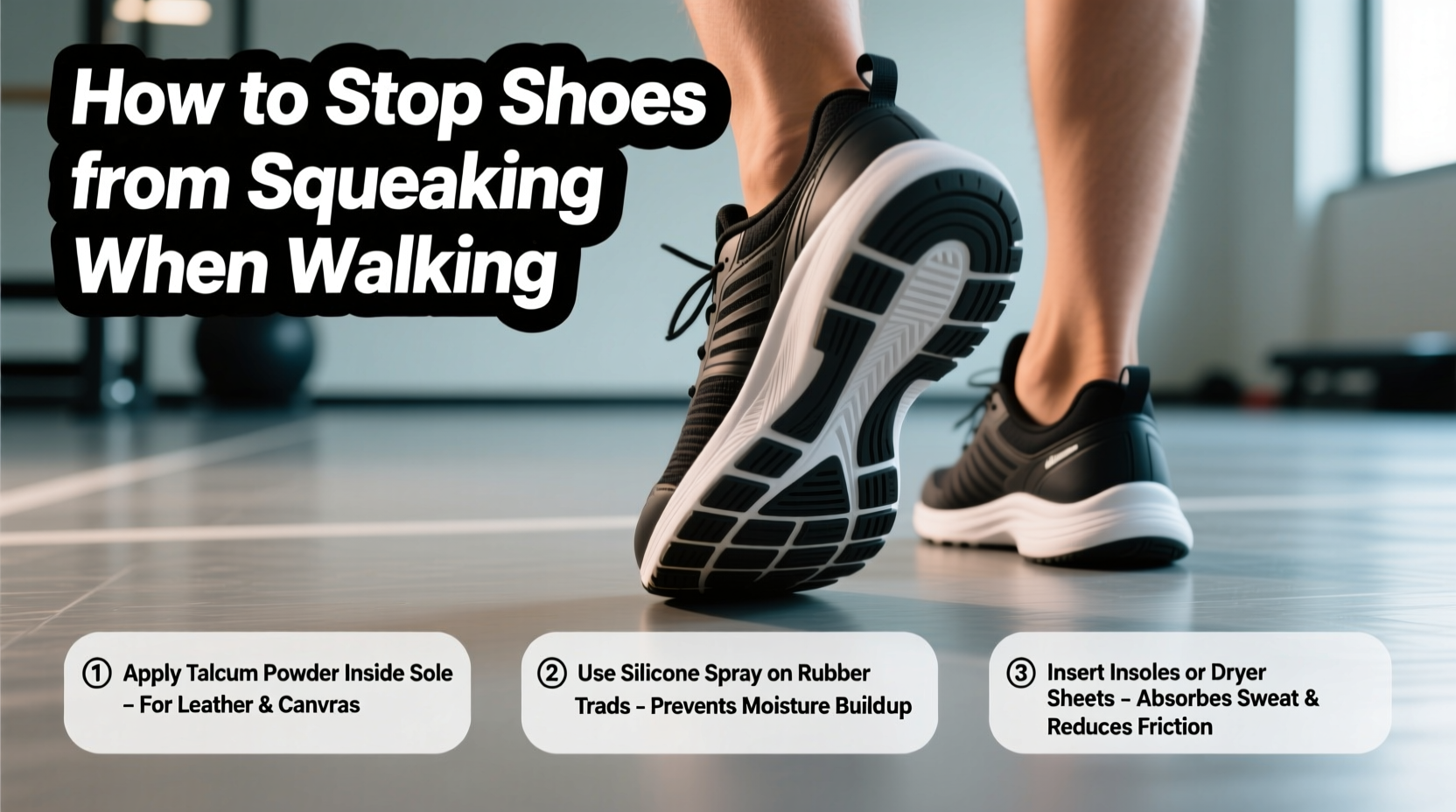
Before applying any fix, it’s essential to identify the source of the squeak. Most squeaks originate from one of three areas: between the insole and midsole, at the outsole (bottom) due to flexing, or from trapped moisture. The cause varies by shoe construction and sole material.
- Insole friction: Common in running shoes where foam layers rub together under pressure.
- Outsole flex: Especially noticeable in stiff rubber or crepe soles that bend unevenly with each step.
- Moisture absorption: Leather and fabric uppers can absorb humidity, causing internal components to swell and rub.
- Loose components: Detached heel counters, loose eyelets, or separated layers in composite soles.
The key is diagnosing which part of the shoe is generating the noise. Walk on different surfaces—carpet, tile, hardwood—and listen carefully. If the squeak occurs only on smooth floors, it's likely a traction issue. If it happens with every step regardless of surface, the problem is internal.
Fixes for Rubber and Synthetic Soles
Rubber and synthetic soles—common in athletic shoes, sneakers, and casual footwear—are prone to squeaking due to their high elasticity and grip. As these materials compress and rebound, they can create vacuum-like suction on smooth surfaces or generate internal friction if layers delaminate.
Step-by-Step Fix for Rubber-Soled Shoes
- Dry the shoes completely: Remove insoles and let them air dry for 24 hours. Moisture trapped between layers is a frequent culprit.
- Clean the outsole: Use a soft brush and mild soap to remove dirt and debris that may cause uneven contact with the floor.
- Apply baby powder or talc: Sprinkle a small amount inside the shoe, focusing under the insole area. Replace the insole and walk around to distribute evenly. This reduces friction between foam layers.
- Use a silicone-based lubricant: Lightly spray on the midsole edges (not the outer sole) if the squeak persists. Avoid over-application, as it may degrade adhesives over time.
- Test on carpet first: Ensure the fix doesn’t alter traction before wearing outdoors.
For sneakers with visible air pockets or gel units (e.g., Nike Air, Adidas Boost), avoid puncturing or injecting substances. Instead, focus on external drying and internal powder application.
“Many performance sneakers develop squeaks after exposure to rain or sweat. The solution isn’t always repair—it’s moisture management.” — Marcus Lin, Footwear Engineer at Apex Performance Labs
Leather-Soled Dress Shoes: Precision Care Required
Leather soles, found on oxfords, brogues, and loafers, are elegant but acoustically sensitive. Their natural fibers expand and contract with humidity, and the interface between leather and wooden or cork midsoles can generate rhythmic creaks.
Unlike rubber, leather cannot be treated with powders or oils indiscriminately. Improper lubrication can stain, soften, or warp the material.
Effective Fixes for Leather Soles
- Condition the sole edges: Apply a thin layer of neutral shoe cream or beeswax to the perimeter where the sole bends. This reduces micro-fractures that cause noise.
- Insert a moisture-absorbing insole: Cedar or charcoal-lined insoles regulate humidity and minimize expansion-related squeaks.
- Tap the heel gently: If the squeak comes from a loose heel tap, use a rubber mallet to reseat it. If detached, a cobbler should reattach it with adhesive or nails.
- Avoid water exposure: Never wear leather-soled shoes in rain without protective overshoes. Wet leather sticks and unsticks from the midsole, creating a loud squeak.
EVA and Foam Midsoles: Cushioning That Can Creak
Shoes with EVA (ethylene-vinyl acetate) or PU (polyurethane) midsoles—common in hiking boots, walking shoes, and orthopedic footwear—often develop squeaks as the foam compresses over time. These materials break down subtly, leading to internal separation.
The noise typically arises from the footbed pressing against a slightly detached midsole layer. Because EVA is porous, moisture retention accelerates degradation.
How to Silence Foam-Based Midsoles
- Remove the removable insole and inspect for warping or dampness.
- Dry thoroughly using a fan or dehumidifier—never direct heat.
- Sprinkle a teaspoon of cornstarch or baking soda into the shoe cavity. Shake gently, then replace the insole.
- Walk for 5–10 minutes to allow the powder to settle between layers.
- If the squeak returns within days, consider replacing the insole with a cushioned gel insert to fill gaps.
Note: Do not glue or tape internal components yourself. Adhesives can react poorly with foam, causing permanent deformation.
| Sole Type | Recommended Fix | Avoid |
|---|---|---|
| Rubber/Synthetic | Baby powder, silicone spray | Water immersion, oil-based lubes |
| Leather | Beeswax, cedar insoles | Talcum powder, excessive polishing |
| EVA/Foam | Cornstarch, gel inserts | Heat drying, glue injection |
| Cork | Light conditioning, replacement | Moisture, heavy impact |
| Cleated (Sports) | Inspect for loose studs | Walking on pavement |
Mini Case Study: The Commuter’s Dilemma
James, a financial analyst in Chicago, began noticing a sharp squeak in his Oxford shoes during morning commutes. The sound was consistent on marble lobby floors but disappeared on carpet. Initially, he tried rubbing olive oil on the soles—a tip from an online forum—which darkened the leather and made the squeak worse.
After visiting a local cobbler, he learned the issue was moisture absorption from snowy sidewalks. The cobbler applied a thin layer of clear beeswax to the sole edges and recommended cedar insoles. James also started using rubber heel protectors on wet days. Within two days, the squeak vanished and hasn’t returned in six months.
This case highlights the danger of generic advice and the importance of matching the solution to the sole type and environment.
Checklist: How to Stop Shoe Squeaks – Step by Step
Follow this actionable checklist to eliminate squeaks efficiently:
- ✅ Identify the source: Insole, midsole, or outsole?
- ✅ Remove insoles and dry all components for 24 hours.
- ✅ Clean the exterior sole with a soft brush and soapy water.
- ✅ Choose the appropriate treatment based on sole material (see table above).
- ✅ Apply powder, wax, or lubricant sparingly and test walk.
- ✅ Inspect for loose parts—heels, eyelets, or midsole separation.
- ✅ If unresolved, consult a professional cobbler.
Frequently Asked Questions
Can I use WD-40 to stop my shoes from squeaking?
No. WD-40 is not designed for footwear. It can degrade adhesives, darken leather, and leave a slippery residue. Use baby powder, cornstarch, or silicone sprays formulated for shoes instead.
Why do my new shoes squeak?
New shoes sometimes squeak due to factory lubricants or tight internal layers that haven’t broken in. Try drying and walking in them for a few days. If the noise persists, apply a small amount of talc under the insole.
Will freezing my shoes stop the squeak?
Freezing is not recommended. While some suggest it to contract materials, rapid temperature changes can crack glues and damage foam integrity. Stick to air drying at room temperature.
When to See a Cobbler
Home remedies work in most cases, but certain issues require professional attention. Visit a cobbler if:
- The squeak comes from a visibly loose heel or sole.
- You notice bulging or separation in the midsole.
- The shoe has structural damage or worn-down shanks.
- Multiple DIY attempts have failed.
A skilled cobbler can disassemble the shoe, re-adhere layers, replace insoles, or add stabilizing inserts—often extending the shoe’s life significantly.
“The best fix isn’t always the fastest. Sometimes, disassembling and rebuilding a shoe properly takes an hour—but prevents years of discomfort.” — Rosa Mendez, Master Cobbler, Boston Shoe Repair Guild
Final Thoughts and Action Steps
Squeaky shoes are fixable—but only when approached with precision. Treating all soles the same way leads to wasted effort or even damage. Rubber needs friction control, leather demands moisture regulation, and foam benefits from gentle drying and gap-filling powders.
Start by identifying your shoe’s sole type and the exact location of the squeak. Then apply the targeted method outlined here. Most fixes take less than 30 minutes and cost nothing more than household items like baby powder or beeswax.
If you’ve struggled with persistent squeaks, don’t resign yourself to embarrassment or early replacement. With the right knowledge, most shoes can be silenced and preserved for months or even years longer.




 浙公网安备
33010002000092号
浙公网安备
33010002000092号 浙B2-20120091-4
Comments
No comments yet. Why don't you start the discussion?