
There are few things more distracting—or embarrassing—than hearing your own shoes squeak with every step. Whether you're in a quiet office, walking down a hardwood hallway, or simply trying to enjoy a peaceful stroll, that persistent squeak can draw unwanted attention and undermine confidence. The good news? Most shoe squeaks are fixable at home with common household items and a bit of patience. The root cause is rarely the shoe’s end-of-life signal; it's usually a simple mechanical issue like friction, moisture, or loose components.
This guide breaks down the science behind squeaky shoes, identifies the most frequent culprits, and delivers practical, tested solutions you can apply immediately. From quick fixes to long-term prevention, you’ll learn how to silence your soles—no professional cobbler required.
Why Do Shoes Squeak? Understanding the Root Causes
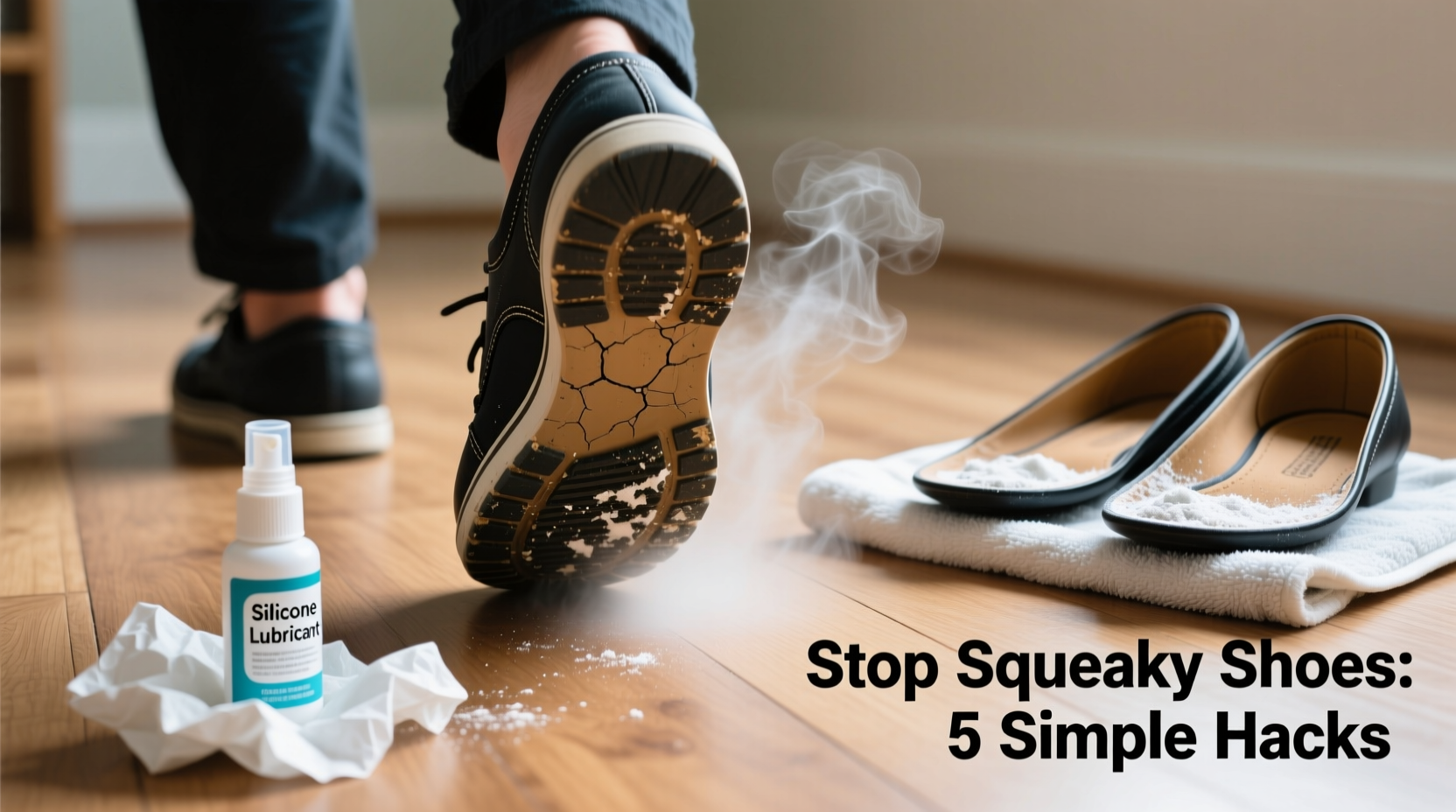
Squeaking isn’t random—it’s a symptom of movement between two surfaces. When parts of your shoe rub together under pressure, they create vibrations that manifest as sound. The type of material, environmental conditions, and shoe construction all influence whether—and where—this occurs.
The most common sources include:
- Insole-to-midsole friction: The insole (the part your foot rests on) may shift slightly against the midsole, especially if it’s loose or damp.
- Heel separation: Over time, glue or stitching can weaken, allowing the outsole or heel to flex independently and produce noise.
- Moisture trapped inside: Wet insoles or liners can create suction or rubbery sounds as they compress.
- Rigid soles on smooth floors: Some materials, like hard rubber or plastic, naturally grip and release from polished surfaces, causing rhythmic squeaks.
- Internal structural rubbing: In boots or structured shoes, layers of fabric, foam, or shanks may rub during flexion.
Pinpointing the source is the first step toward silencing the noise. Walk slowly on a hard surface and listen closely. Does the sound come from the heel? The arch? Is it consistent or intermittent? These clues help determine which fix to apply.
Step-by-Step Guide to Stop Shoe Squeaking
Follow this systematic approach to diagnose and eliminate squeaks efficiently. Each step targets a specific cause, and many solutions take less than five minutes.
- Remove the insole and inspect
Take out the removable insole (if possible). Check for moisture, warping, or debris. Wipe both the insole and the shoe cavity dry with a microfiber cloth. - Dry all internal components
If either surface is damp, let them air-dry completely overnight. Avoid direct heat, which can warp foam or shrink fabric. - Apply baby powder or cornstarch
Sprinkle a light layer of baby powder or cornstarch into the shoe bed and on the underside of the insole. This reduces friction and absorbs residual moisture. - Reinsert and test
Place the insole back and walk around. If the squeak persists, move to the next step. - Check for loose parts
Examine the heel and sole edges. Press firmly along the perimeter. If you feel movement or hear a pop, the outsole may be detaching. - Apply adhesive (for detached soles)
Use a flexible shoe glue like Barge All-Purpose Cement. Clean the area with rubbing alcohol, apply a thin layer of glue, press the sole down, and clamp with heavy books for 12 hours. - Treat rigid soles
For hard-soled dress shoes or boots, lightly scuff the bottom with fine-grit sandpaper to reduce surface tension on floors.
Repeat testing after each intervention to avoid over-treating. Often, one precise action resolves the issue entirely.
Do’s and Don’ts: What Works (and What Doesn’t)
Not all home remedies are created equal. Some popular hacks can damage your footwear. The table below summarizes effective versus risky approaches.
| Action | Recommended? | Reason |
|---|---|---|
| Using baby powder inside the shoe | ✅ Yes | Reduces friction and moisture without residue. |
| Applying WD-40 to the sole | ❌ No | Can degrade rubber and leave slippery residue. |
| Gluing a separating outsole | ✅ Yes | Prevents further wear and eliminates flex noise. |
| Putting duct tape inside the shoe | ❌ No | Leaves sticky residue and doesn’t address root cause. |
| Sanding the outsole lightly | ✅ Yes | Breaks surface tension that causes floor squeaks. |
| Soaking shoes in water to “reset” materials | ❌ No | Introduces moisture that worsens squeaking and promotes mold. |
Real Example: Fixing a Squeaky Work Boot
Mark, a facilities manager in Chicago, began noticing a sharp squeak in his right work boot during morning inspections. The sound was loudest on concrete floors and grew worse over two weeks. Embarrassed during team walkthroughs, he tried stuffing paper towels inside—temporarily helpful but ineffective.
Following the diagnostic steps above, he removed the insole and found it slightly damp despite dry weather. After drying both the liner and footbed thoroughly and applying talcum powder, the squeak returned within hours. He then inspected the sole and discovered a small gap near the heel. Using shoe-specific adhesive, he bonded the area and let it cure overnight. The next day, the boot was silent—even on polished tile.
“I assumed the boot was done for,” Mark said. “But ten minutes of inspection and a $5 glue saved me from buying new ones.”
Expert Insight: What Footwear Professionals Recommend
Footwear longevity and performance hinge on proper maintenance, including addressing minor issues before they escalate. Industry experts emphasize proactive care over reactive fixes.
“Squeaking is often an early warning sign of structural fatigue. Addressing it promptly not only restores comfort but can extend a shoe’s usable life by months—or even years.” — Lena Torres, Master Cobbler & Footwear Technician, Boston Shoe Hospital
Torres notes that many customers delay repairs until separation becomes severe. “By then, the damage is often irreversible. A little powder, glue, or sandpaper at the first sign of noise makes a huge difference.”
Quick Tips Box: Immediate Squeak Solutions
Tip: For leather shoes squeaking on floors, try a rubber heel tap or sole guard. These add grip and dampen sound without altering appearance.
Tip: Rotate your shoes daily. This allows each pair to dry fully between uses, reducing moisture-related squeaks.
Preventive Checklist: Keep Shoes Silent Long-Term
Prevention is simpler than repair. Incorporate these habits into your routine to minimize future squeaks:
- ✅ Air out shoes after each use—never store them damp.
- ✅ Use silica gel packets or cedar shoe trees to absorb moisture.
- ✅ Inspect soles monthly for signs of lifting or wear.
- ✅ Apply protective sprays to leather and fabric uppers to resist water absorption.
- ✅ Replace worn insoles every 6–12 months, especially in high-use shoes.
- ✅ Avoid wearing the same pair two days in a row to allow recovery time.
Frequently Asked Questions
Why do my new shoes squeak?
New shoes can squeak due to factory lubricants on moving parts, stiff materials that haven’t broken in, or excess glue inside seams. Walking in them outdoors for a few hours often resolves the issue. If not, check for trapped moisture or apply baby powder.
Can I use hairspray to stop squeaking?
No. While some suggest hairspray as a temporary adhesive, it contains alcohol and polymers that can stain fabric, dry out leather, and attract dirt. It’s not a reliable or safe solution for internal shoe components.
Will freezing my shoes stop the squeak?
Freezing is a myth. Some claim placing shoes in a sealed bag and freezing them removes moisture or kills bacteria, but it does nothing to address friction or structural movement—the real causes of squeaks. Worse, rapid temperature changes can damage adhesives and materials.
Conclusion: Silence Starts with Smart Care
A squeaky shoe doesn’t mean it’s time to retire your favorite pair. With a clear understanding of the mechanics behind the noise and a few smart interventions, you can restore quiet steps in minutes. The key is acting early—don’t wait for a minor rub to become a full detachment.
Whether you’re dealing with dress shoes, sneakers, or boots, the solutions are accessible, affordable, and highly effective. By integrating simple habits like airing out footwear, using moisture absorbers, and performing occasional inspections, you’ll not only eliminate squeaks but also extend the life and comfort of your entire shoe collection.




 浙公网安备
33010002000092号
浙公网安备
33010002000092号 浙B2-20120091-4
Comments
No comments yet. Why don't you start the discussion?