
Squeaky sneakers on linoleum floors are more than just an annoyance—they can be embarrassing in quiet offices, libraries, or early-morning home environments. The high-pitched noise often comes from trapped air or friction between shoe layers, exacerbated by the smooth, hard surface of linoleum. While many dismiss it as inevitable, the truth is that most squeaks are fixable with simple household tools and a bit of know-how. Understanding the root cause allows for targeted, lasting solutions rather than temporary fixes.
This guide breaks down the mechanics behind sneaker squeaks, outlines proven remedies, and provides step-by-step instructions to silence your shoes—without damaging them or voiding warranties. Whether you're dealing with brand-new kicks or well-worn favorites, these strategies will help you walk in peace.
Why Do Sneakers Squeak on Linoleum?
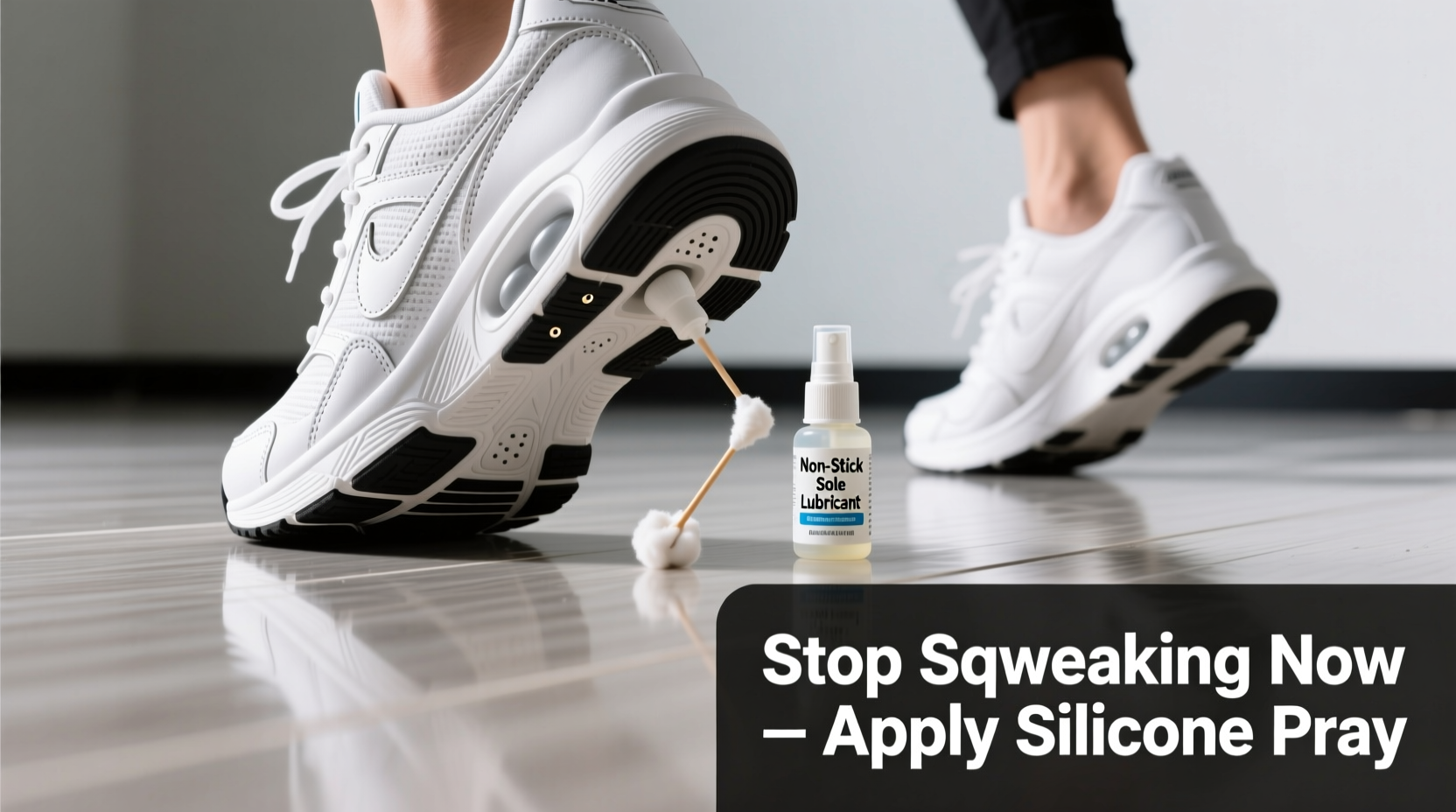
The squeaking sound occurs when two materials rub together under pressure, creating vibrations we hear as noise. Linoleum, being a smooth and non-porous surface, amplifies these sounds due to minimal sound absorption. The issue typically originates within the shoe itself, not the floor.
Common internal causes include:
- Trapped moisture between insoles and midsoles, which creates air pockets that compress and release with each step.
- Foam compression in cushioned soles, especially in newer sneakers where materials haven’t fully settled.
- Loose insoles that move independently, causing rubbing against the midsole or upper sole layers.
- Manufacturing debris such as small fabric scraps or glue residue inside the shoe structure.
- Wear and separation in older shoes, where delamination of sole layers creates space for movement and noise.
Linoleum’s rigidity means every footfall transmits energy directly back into the shoe, making even minor internal friction audible. Unlike carpet or rubber flooring, there's no cushioning to dampen the sound.
“Squeaking isn't usually about the floor—it's about how the shoe responds to consistent, firm surfaces. Linoleum simply reveals flaws already present.” — Dr. Marcus Lin, Footwear Acoustics Researcher, MIT Materials Lab
Step-by-Step Guide to Eliminate Sneaker Squeaks
Follow this systematic approach to identify and resolve the source of the noise. Most fixes take under 30 minutes and require only common household items.
- Remove the insole
Use your fingers or a spoon handle to gently pry out the insole. Look for signs of moisture, debris, or wrinkling. Wipe both the underside of the insole and the shoe bed with a dry microfiber cloth. - Dry all components thoroughly
If the shoe has been exposed to moisture—even humidity—place it in a well-ventilated area away from direct heat. Insert crumpled newspaper or silica gel packets inside to absorb residual dampness. Let sit for 12–24 hours. - Inspect for debris
Shine a flashlight into the midsole cavity (if accessible) or along the edges where the insole meets the sidewall. Remove any lint, thread, or manufacturing remnants with tweezers or a toothpick. - Apply anti-friction powder
Sprinkle a light layer of baby powder, cornstarch, or talc-free foot powder onto the insole and inside the shoe bed. These powders reduce surface tension and absorb micro-moisture, minimizing stick-slip motion. - Reinsert the insole firmly
Press the insole back in place, ensuring it lies flat without bubbles or folds. Apply slight pressure along the edges to seat it properly. - Test walk on linoleum
Walk naturally across a linoleum surface. If the squeak persists, repeat the process or try alternative methods below.
Alternative Fixes Based on Squeak Type
Not all squeaks respond to drying and powder. Identifying the specific trigger helps match the right solution.
| Type of Squeak | Likely Cause | Recommended Fix |
|---|---|---|
| High-pitched, rhythmic squeak | Moisture between insole and midsole | Dry thoroughly + apply cornstarch |
| Intermittent creaking | Loose insole or partial detachment | Re-seat insole or use double-sided tape |
| Dull thump followed by squeak | Air pocket in foam midsole | Break in shoes with outdoor wear; avoid linoleum temporarily |
| Squeak only during heel strike | Rubber outsole flexing against midsole | Apply adhesive spray to bonding area (external repair) |
| Persistent noise after multiple fixes | Sole delamination or structural defect | Professional resoling or manufacturer warranty claim |
For squeaks originating from the outsole, consider taking the shoe to a cobbler. Some modern sneakers use glued-on soles that may separate slightly over time, creating resonance on hard floors. A professional can re-adhere layers using industrial-strength adhesives designed for athletic footwear.
Prevention Checklist: Keep Your Sneakers Quiet Long-Term
Once the squeak is gone, maintain silence with these proactive habits:
- ✅ Always remove insoles after heavy use to allow airflow
- ✅ Store sneakers in a dry, ventilated area—never in plastic bags
- ✅ Rotate between multiple pairs to reduce continuous stress on one shoe
- ✅ Use silica gel packs in your shoe rack to control ambient moisture
- ✅ Clean insoles monthly with mild soap and water, then air-dry completely
- ✅ Avoid wearing performance sneakers on wet linoleum or after stepping through puddles
Regular maintenance prevents moisture buildup and material fatigue—the two leading contributors to recurring squeaks.
Real Example: Solving a Persistent Office Squeak
Jamal, a software developer in Portland, noticed his new running shoes started squeaking loudly every time he walked to the break room. The open-plan office had vinyl plank flooring—a type of linoleum—and his footsteps echoed with a sharp \"squeak-squeak\" that drew attention.
He tried tightening his laces and changing his gait, but the noise persisted. After reading about insole friction, he removed the padding and discovered tiny fibers from his gym socks had accumulated beneath it. He cleaned both surfaces, applied baby powder, and reinserted the insole. The squeak vanished immediately.
“I was ready to donate the shoes,” Jamal said. “But it turned out to be a five-minute fix. Now I check my insoles every few weeks, especially after sweaty workouts.”
This case illustrates how minor debris—often invisible to the naked eye—can generate significant noise on resonant surfaces like linoleum.
When to Seek Professional Help
While most squeaks are DIY-fixable, certain situations require expert intervention:
- If the midsole appears visibly separated from the outsole
- When the shoe flexes abnormally during walking
- If squeaking returns within days despite thorough drying and cleaning
- For high-end or limited-edition sneakers worth repairing professionally
Cobblers can perform services such as:
- Insole replacement with moisture-wicking alternatives.
- Sole reattachment using polyurethane-based adhesives that remain flexible.
- Ventilation drilling (rare): Tiny holes in the outsole to release trapped air, sealed with waterproof plugs.
Note: Drilling should only be done by professionals to avoid compromising waterproofing or structural integrity.
“Many customers come in thinking their shoes are defective. In 70% of cases, it’s just moisture or misaligned padding. But if the sole is lifting, early repair can prevent total failure.” — Teresa Ruiz, Master Cobbler, Seattle Shoe Clinic
FAQ: Common Questions About Squeaky Sneakers
Can I use hairspray to stop the squeak?
No. Hairspray contains alcohol and polymers that can stiffen fabrics, degrade adhesives, and leave sticky residues. It may temporarily reduce movement but risks long-term damage to shoe materials.
Will washing my sneakers in a machine fix the squeak?
Not recommended. Machine washing can trap water deep in foam layers, worsening the problem. It may also break down glues holding the sole together. Spot-cleaning and air-drying are safer and more effective.
Do certain sneaker brands squeak more on linoleum?
Yes. Lightweight models with thick foam midsoles (e.g., some running or lifestyle sneakers) are more prone to air compression noises. Brands emphasizing maximal cushioning—like certain models from Nike React, Adidas Boost, or Hoka—are occasionally reported to squeak on hard floors until broken in.
Final Thoughts: Silence Starts with Smart Care
Silencing squeaky sneakers on linoleum doesn’t require expensive tools or technical skills. Most solutions revolve around moisture control, proper fit of internal components, and routine inspection. By understanding how sound is generated within the shoe, you can target the exact source and eliminate it efficiently.
The key is acting early. Delaying treatment allows moisture to degrade adhesives and foam, turning a simple fix into a structural issue. With the steps outlined here, you can restore quiet comfort to your favorite footwear and move freely—no matter the floor beneath you.




 浙公网安备
33010002000092号
浙公网安备
33010002000092号 浙B2-20120091-4
Comments
No comments yet. Why don't you start the discussion?