
Snoring affects millions of people worldwide, disrupting sleep for both the snorer and their partner. While it’s often dismissed as a harmless annoyance, chronic snoring can be a sign of poor sleep quality and may even point to underlying health issues like obstructive sleep apnea. The good news is that many cases of snoring can be significantly reduced—or eliminated—without CPAP machines, mouthguards, or surgical interventions. By making targeted lifestyle adjustments, optimizing sleep posture, and improving airway function naturally, you can enjoy quieter, deeper, and more restorative sleep.
Understanding the Causes of Snoring
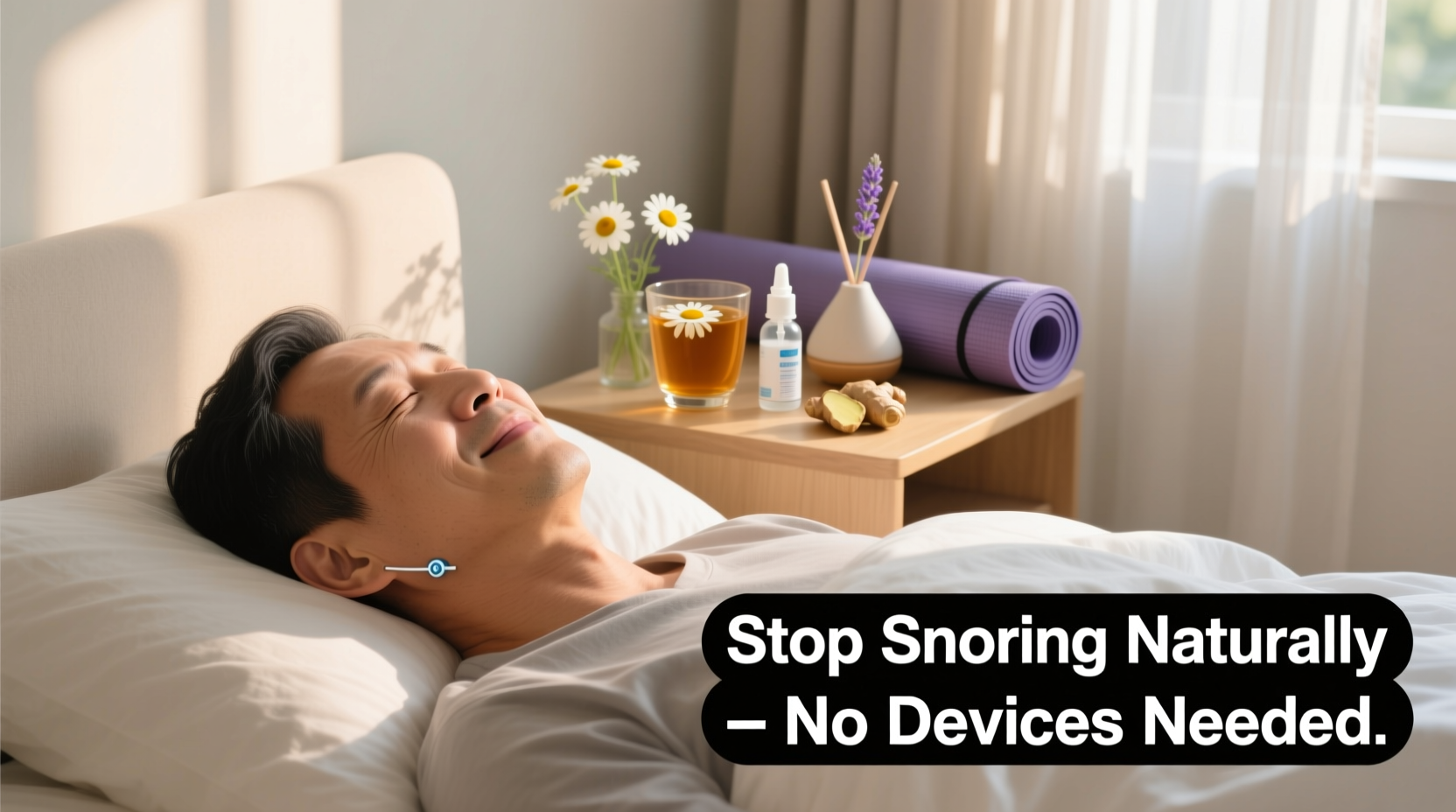
Snoring occurs when airflow through the mouth and nose is partially blocked during sleep, causing the surrounding tissues—such as the soft palate, uvula, and throat walls—to vibrate. These vibrations produce the familiar rumbling or rattling sound. Several factors contribute to this restriction:
- Anatomy: A low, thick soft palate or enlarged tonsils can narrow the airway.
- Nasal congestion: Allergies, sinus infections, or structural issues like a deviated septum restrict airflow.
- Weight: Excess body fat, especially around the neck, increases pressure on the airway.
- Sleep position: Sleeping on your back allows the tongue and soft tissues to collapse backward.
- Alcohol and sedatives: These relax throat muscles excessively, increasing the likelihood of obstruction.
- Dry air: Dehydrated nasal passages and throat tissue are more prone to vibration.
Addressing these root causes with natural strategies offers a sustainable path to reducing or eliminating snoring over time.
Optimize Your Sleep Position
Your sleeping posture plays a crucial role in whether your airway remains open throughout the night. Back sleeping (supine position) is the most common contributor to snoring because gravity pulls the tongue and soft palate into the throat, narrowing the air passage.
Shifting to side sleeping can dramatically reduce or eliminate snoring in many individuals. Here’s how to make the transition:
- Use a body pillow: Hugging a long pillow supports spinal alignment and discourages rolling onto your back.
- Tennis ball trick: Sew a tennis ball into the back of a snug-fitting shirt. The discomfort of lying on the ball trains you to stay on your side.
- Elevate your head: Use an extra pillow or an adjustable bed base to raise your head 4–6 inches. This helps keep airways open by reducing tissue collapse.
- Try positional therapy apps: Some smartwatches or sleep trackers gently vibrate when they detect back sleeping.
“Changing sleep position is one of the simplest yet most effective behavioral interventions for reducing snoring.” — Dr. Lena Patel, Sleep Specialist at Pacific Wellness Institute
Diet, Weight, and Lifestyle Adjustments
What you eat, drink, and how you live day-to-day directly impacts your breathing at night. Obesity is strongly linked to snoring due to increased fatty deposits around the upper airway. Even modest weight loss—just 5–10% of total body weight—can lead to noticeable improvements.
Beyond weight management, certain habits either promote or hinder clear breathing during sleep:
| Action | Benefit | Frequency/Duration |
|---|---|---|
| Lose excess weight | Reduces neck circumference and airway pressure | Ongoing; aim for gradual loss of 1–2 lbs per week |
| Avoid alcohol 3+ hours before bed | Prevents excessive muscle relaxation in the throat | Every night |
| Quit smoking | Reduces inflammation and mucus buildup in airways | Immediate and long-term benefits |
| Stay hydrated | Keeps mucous membranes moist and less sticky | Drink 6–8 glasses of water daily |
| Limit heavy meals before bedtime | Reduces acid reflux, which can irritate the throat | Finish eating 2–3 hours before sleep |
Real-Life Example: Mark’s Journey to Quieter Nights
Mark, a 47-year-old accountant from Denver, had been a loud snorer for over a decade. His wife had moved into the guest room, and he often woke up groggy despite sleeping eight hours. After a sleep study ruled out sleep apnea, his doctor suggested natural interventions.
Mark began by losing 18 pounds over five months through daily walks and portion control. He stopped drinking beer after 7 p.m., switched to side sleeping with a body pillow, and started using a humidifier. Within ten weeks, his snoring decreased from nightly episodes to occasional light snoring only when congested. His energy improved, and his wife returned to the master bedroom.
“I didn’t think small changes could make such a big difference,” Mark said. “Now I feel more rested, and our relationship has improved too.”
Natural Remedies and Breathing Techniques
Beyond structural and lifestyle fixes, several natural methods target the physiological mechanisms behind snoring. These techniques strengthen airway muscles, improve nasal flow, and promote relaxed but unobstructed breathing.
1. Practice Daily Throat and Tongue Exercises
Just like any other muscle, the muscles of the throat can be strengthened to resist collapse during sleep. Studies show that regular oropharyngeal exercises can reduce snoring intensity and frequency by up to 50% within three months.
Try this simple routine daily (preferably in front of a mirror):
- Press the tip of your tongue against the roof of your mouth and slide it backward. Repeat 20 times.
- Open your mouth wide and say “Ahh” while contracting the back of your throat. Hold for 5 seconds, repeat 10 times.
- Close your mouth and push your cheek inward with your index finger. Resist with your cheek muscles. Alternate sides, 10 reps each.
- With lips closed, press them tightly together and hum. Feel the vibration in your face. Do this for 2 minutes.
2. Clear Nasal Passages Naturally
Congestion forces mouth breathing, which increases snoring risk. Instead of relying on decongestants, try these drug-free approaches:
- Nasal irrigation: Use a neti pot with sterile saline solution once daily to flush allergens and mucus.
- Steam inhalation: Breathe in steam from a bowl of hot water (add eucalyptus oil if desired) for 5–10 minutes before bed.
- Peppermint or eucalyptus essential oils: Diffuse in the bedroom or apply diluted oil above the nostrils to open airways.
- Allergy management: Wash bedding weekly in hot water, use HEPA filters, and minimize dust-collecting items in the bedroom.
3. Use a Humidifier
Dry air dries out nasal passages and throat tissue, making them more likely to vibrate. Running a cool-mist humidifier in your bedroom adds moisture to the air, keeping tissues supple and reducing irritation.
Step-by-Step Guide to Natural Snoring Reduction
Implementing multiple strategies at once yields the best results. Follow this 30-day action plan to build lasting habits:
- Days 1–3: Assess your current habits. Note alcohol intake, sleep position, and signs of congestion. Begin tracking snoring with a recording device.
- Days 4–7: Eliminate alcohol and heavy meals within 3 hours of bedtime. Start side-sleeping using a body pillow or tennis ball method.
- Days 8–14: Introduce throat exercises for 5 minutes daily. Begin nasal rinses every morning or evening.
- Days 15–21: Add a humidifier to your bedroom. Evaluate progress—listen to recordings and ask your partner for feedback.
- Days 22–30: Focus on hydration and consistent sleep schedule. If overweight, begin a moderate walking program (30 minutes/day).
After 30 days, reassess. Most people report reduced snoring volume and frequency. Continue the regimen for sustained results.
Frequently Asked Questions
Can snoring go away on its own?
Occasional snoring due to temporary congestion or fatigue may resolve without intervention. However, chronic snoring usually persists or worsens without lifestyle changes. Addressing root causes like weight, alcohol, or sleep position increases the likelihood of long-term improvement.
Are there foods that help reduce snoring?
No specific food stops snoring directly, but anti-inflammatory foods support better airway health. Include turmeric, ginger, garlic, honey, and omega-3-rich fish in your diet. Avoid dairy before bed if it increases mucus production for you.
Is snoring dangerous if I’m not diagnosed with sleep apnea?
Even without sleep apnea, chronic snoring can fragment sleep, lower oxygen levels, and increase cardiovascular strain over time. It’s also linked to daytime fatigue, irritability, and relationship stress. Treating snoring improves overall sleep quality and well-being.
Final Checklist: Your Natural Anti-Snoring Plan
- ☑ Sleep on your side using a body pillow or positional aid
- ☑ Avoid alcohol and sedatives at least 3 hours before bed
- ☑ Practice daily throat and tongue exercises
- ☑ Use a humidifier in your bedroom nightly
- ☑ Perform nasal irrigation or steam inhalation if congested
- ☑ Maintain a healthy weight with balanced nutrition and activity
- ☑ Stay well-hydrated throughout the day
- ☑ Quit smoking to reduce airway inflammation
- ☑ Keep your bedroom clean and allergen-free
- ☑ Track progress with audio recordings or partner feedback
“The key to stopping snoring naturally lies in consistency. Small, daily choices compound into significant improvements in breathing and sleep quality.” — Dr. Naomi Reed, Integrative Sleep Therapist
Take Control of Your Sleep—Starting Tonight
You don’t need expensive devices or invasive treatments to quiet your nights. By understanding what triggers your snoring and applying proven, natural solutions, you can breathe easier and sleep more peacefully. Start with one change—whether it’s adjusting your pillow, skipping the nightcap, or trying a throat exercise—and build from there. Better sleep isn’t just about silence; it’s about waking up refreshed, healthier, and more connected to those around you. Begin your journey to snore-free nights today.




 浙公网安备
33010002000092号
浙公网安备
33010002000092号 浙B2-20120091-4
Comments
No comments yet. Why don't you start the discussion?