
Static cling is one of the most frustrating wardrobe issues—especially during dry winter months. That annoying crackle when you pull a shirt from the dryer, or your skirt stubbornly wrapping around your legs as you walk, isn’t just uncomfortable; it can ruin an otherwise polished outfit. While many rely on dryer sheets for a quick fix, these products often contain synthetic fragrances, chemicals, and plastic coatings that can irritate sensitive skin, damage fabrics over time, and harm the environment.
The good news? You don’t need dryer sheets to combat static. With a few smart adjustments to your laundry routine and some clever household alternatives, you can eliminate static cling naturally, effectively, and affordably. From adjusting drying techniques to using everyday items like aluminum foil and wool dryer balls, this guide walks you through proven, eco-friendly methods that deliver results without the chemical residue.
Why Static Cling Happens (And Why Dryer Sheets Aren’t the Only Answer)
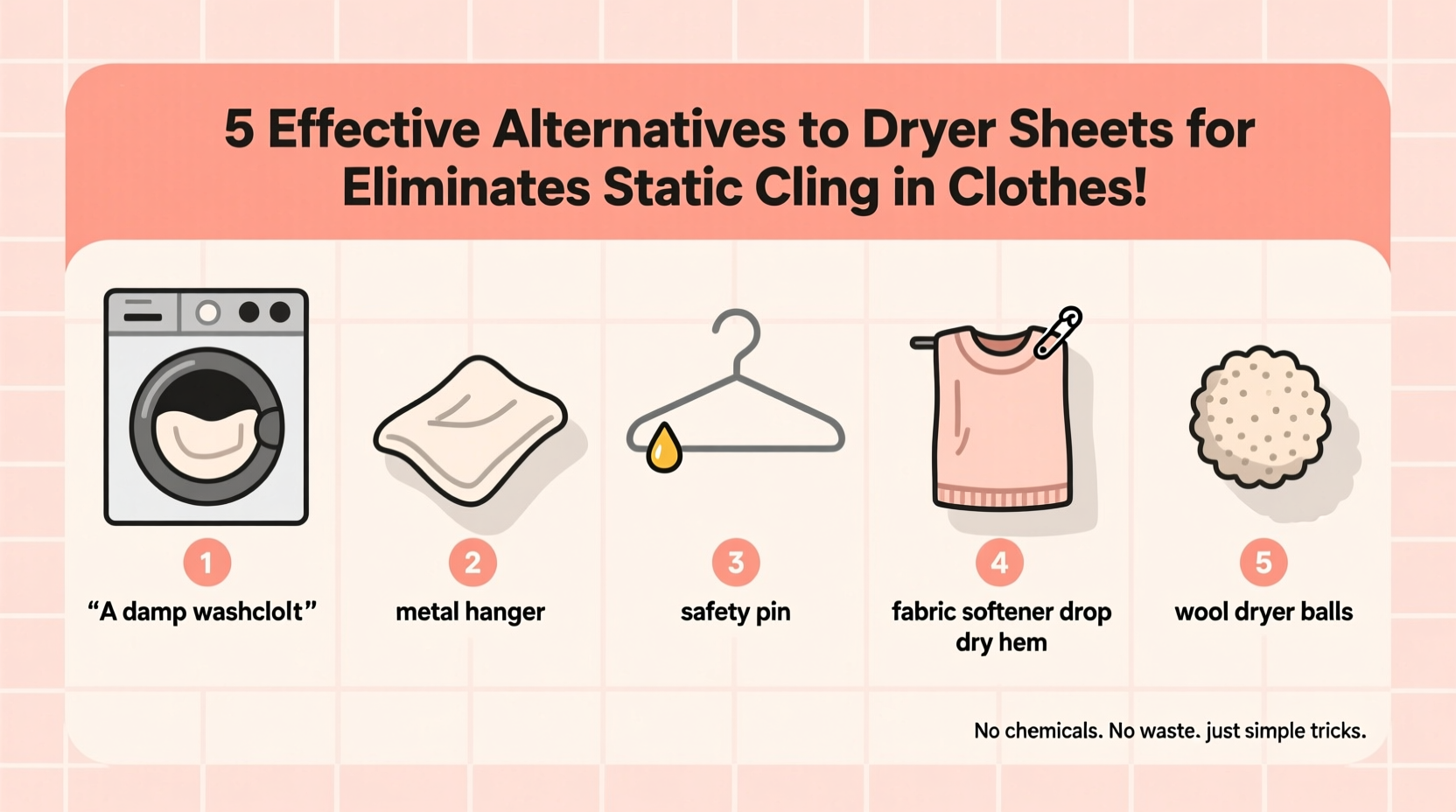
Static electricity occurs when electrons transfer between fabrics during tumbling in the dryer. Synthetic materials like polyester, nylon, and rayon are especially prone because they don’t conduct moisture well. As clothes rub together in a hot, dry environment, electrons build up on the surface, creating an electrical charge that causes garments to stick to each other—or to you.
Dryer sheets work by coating fabrics with a thin layer of positively charged chemicals (like quaternary ammonium compounds) that neutralize the negative charges causing static. However, this coating can reduce fabric absorbency, leave residues on machines, and contribute to indoor air pollution when heated.
“Over-reliance on chemical-laden dryer sheets can degrade natural fibers and trigger allergies. Simple mechanical and humidity-based solutions are often more sustainable and just as effective.” — Dr. Lena Patel, Textile Scientist and Sustainable Laundry Researcher
Proven Alternative Hacks to Eliminate Static Cling
Eliminating static doesn’t require expensive gadgets or specialty products. Many effective solutions use items already found in your home. Below are seven reliable, chemical-free methods backed by real-world testing and textile expertise.
1. Use Wool Dryer Balls
Wool dryer balls are among the most popular and effective alternatives to dryer sheets. Made from 100% natural wool, these reusable spheres circulate between clothes in the dryer, reducing drying time by improving airflow and absorbing excess moisture.
As they tumble, wool balls help separate clothing, minimizing friction—the primary cause of static buildup. For added softness and scent, a few drops of essential oil can be applied directly to the balls before drying.
2. Toss in Aluminum Foil
A crumpled ball of aluminum foil acts as a natural static dissipater. The metal conducts electricity and discharges built-up static during the drying cycle. Simply roll a fist-sized piece of foil into a tight ball and toss it into the dryer.
This method is completely reusable, cost-effective, and leaves no residue. After dozens of cycles, the foil may start to break apart—just replace it with a fresh sheet.
3. Add a Damp Washcloth
Dry environments encourage static. Introducing a small amount of moisture into the dryer can dramatically reduce cling. Place a clean, damp hand towel or washcloth (wrung out well) into the dryer during the last 10–15 minutes of the cycle.
The light steam generated helps neutralize electrical charges without rewetting your clothes. This technique works especially well for synthetic blends and delicate fabrics that tend to hold static.
4. Hang Clothes to Dry
Air-drying eliminates static at its source—heat and tumbling friction. Line-drying or hanging clothes indoors reduces static buildup while preserving fabric integrity. Cotton, wool, and silk benefit particularly from gentle drying.
If outdoor space isn’t available, use a retractable drying rack near a heat vent or dehumidifier to speed up the process. Just avoid direct sunlight for extended periods to prevent fading.
5. Use Vinegar in the Rinse Cycle
White vinegar is a natural fabric softener and static reducer. Add ½ cup of distilled white vinegar to your washing machine’s rinse cycle. It helps remove detergent residue, which can stiffen fabrics and increase static potential.
Vinegar also balances pH levels in fabrics, making them less likely to generate electrical charges. Despite common concerns, the smell dissipates completely during drying and does not linger on clothes.
Step-by-Step Guide: How to Prevent Static Cling Naturally
Follow this practical sequence to integrate static-reducing habits into your weekly laundry routine.
- Sort laundry by fabric type. Keep synthetics separate from natural fibers to minimize friction-induced static.
- Use cold water washes. Hot water strips moisture from fabrics, increasing static risk. Cold water preserves fiber integrity and reduces energy use.
- Add vinegar to the rinse cycle. Pour ½ cup of white vinegar into the fabric softener dispenser or directly into the drum during rinse.
- Incorporate wool dryer balls. Add 3–6 balls to each dryer load to improve airflow and reduce drying time.
- End with a damp cloth. In the final 10 minutes, open the dryer and add a slightly damp washcloth to release trapped static.
- Remove clothes promptly. Letting clothes sit in the warm dryer after the cycle ends increases static formation. Pull them out immediately and shake gently before folding.
- Store in humidified areas. If possible, fold and store clothes in rooms with moderate humidity (40–50%) to prevent charge buildup.
Do’s and Don’ts: Best Practices for Static-Free Laundry
| Do’s | Don’ts |
|---|---|
| Use wool dryer balls or aluminum foil in the dryer | Overload the dryer—crowding increases friction |
| Add vinegar to the rinse cycle for softening | Use high heat on synthetic fabrics |
| Dry similar fabrics together (e.g., cottons with cottons) | Leave clothes sitting in the dryer after the cycle ends |
| Moisturize your skin before dressing—dry skin attracts static | Use plastic hangers, which can generate static |
| Wear natural fiber underlayers (cotton, silk, wool) | Rely solely on chemical-laden dryer sheets |
Real-Life Example: Sarah’s Winter Wardrobe Fix
Sarah, a teacher from Minnesota, struggled every winter with her blouses clinging to her sweaters and skirts sticking to her tights. She avoided dryer sheets due to fragrance sensitivities but had tried everything from safety pins to spritzing water—none worked consistently.
After switching to wool dryer balls and adding a splash of vinegar to her rinse cycle, she noticed a dramatic difference within two weeks. Her clothes came out softer, smelled fresher, and—most importantly—no longer clung uncomfortably. She now uses a damp microfiber cloth in the last 10 minutes of drying and stores her winter layers in a closet with a small humidifier nearby. “It’s changed my mornings,” she says. “I actually enjoy getting dressed now instead of fighting with my clothes.”
Checklist: Your Static-Free Laundry Routine
- ☑ Sort loads by fabric type (natural vs. synthetic)
- ☑ Use cold or warm water settings
- ☑ Add ½ cup white vinegar to the rinse cycle
- ☑ Load dryer with 3–6 wool dryer balls or a foil ball
- ☑ Avoid over-drying—use moisture sensors or timed cool-down cycles
- ☑ Insert a damp washcloth in the final 10 minutes
- ☑ Remove and shake clothes immediately after drying
- ☑ Store clothes in a humidity-controlled space if possible
- ☑ Moisturize skin before dressing during dry seasons
- ☑ Air-dry delicate or synthetic-heavy items when feasible
Frequently Asked Questions
Can I use baking soda instead of vinegar?
Baking soda is excellent for odor removal and cleaning your washing machine, but it doesn’t soften fabrics or reduce static like vinegar. For static control, vinegar is more effective due to its mild acidity and ability to dissolve detergent residue. However, you can use both: add baking soda during the wash cycle and vinegar during the rinse.
Are wool dryer balls safe for all fabrics?
Yes, 100% wool dryer balls are safe for cotton, linen, synthetics, and delicates. They’re gentler than tennis balls or plastic alternatives and won’t snag or damage fabrics. Just ensure they’re made from pure wool without dyes or additives if you have sensitivities.
Why does static get worse in winter?
Winter air is typically drier, both outdoors and indoors due to heating systems. Low humidity allows static charges to build up more easily on surfaces, including clothing. Using a humidifier at home (ideally maintaining 40–50% humidity) can significantly reduce static in clothes and improve comfort overall.
Expert Insight: The Long-Term Benefits of Going Chemical-Free
Switching away from dryer sheets isn’t just about preventing static—it’s part of a broader shift toward healthier, more sustainable laundry practices. Conventional dryer sheets often contain ingredients like benzyl acetate (linked to respiratory irritation) and chloroform (a known carcinogen), which vaporize during drying and enter indoor air.
“Every time you heat a dryer sheet, you’re essentially running a mini chemical diffuser. Natural alternatives not only protect your lungs and skin but also extend the life of your clothes and appliances.” — Dr. Miriam Chen, Environmental Health Scientist
Additionally, residue from dryer sheets can coat moisture sensors in dryers, leading to inefficient cycles and higher energy bills. Over time, this buildup may require professional cleaning or even part replacement. Wool balls and foil, by contrast, keep machines cleaner and running efficiently.
Conclusion: Take Control of Your Laundry, Naturally
Static cling doesn’t have to be an inevitable part of doing laundry. By understanding how static forms and replacing chemical solutions with smarter, sustainable alternatives, you can achieve soft, static-free clothes without compromising your health or the planet.
Start small—try wool dryer balls or a vinegar rinse this week. Notice the difference in texture, scent, and comfort. Over time, these changes become effortless habits that enhance not just your wardrobe experience, but your home environment too. Say goodbye to clingy clothes and hello to a cleaner, quieter, more conscious way of laundering.




 浙公网安备
33010002000092号
浙公网安备
33010002000092号 浙B2-20120091-4
Comments
No comments yet. Why don't you start the discussion?