
Winter brings cozy sweaters, wool scarves, and layered outfits—but it also ushers in a persistent annoyance: static cling. That sudden zap when you touch a doorknob or the way your skirt stubbornly sticks to your tights isn’t just uncomfortable; it can ruin an otherwise polished look. The culprit? Dry indoor air, synthetic fabrics, and friction between layers. While commercial anti-static sprays exist, you don’t need to buy anything new. Most solutions are already in your kitchen, bathroom, or laundry room.
This guide reveals practical, tested methods using common household items to neutralize static electricity in clothing. From quick fixes before heading out the door to long-term laundry adjustments, these tricks are simple, affordable, and effective.
Why Static Cling Happens in Winter
Static electricity occurs when electrons transfer between materials through friction. In winter, cold outdoor air holds less moisture, and heating systems further dry indoor environments. Low humidity—often below 30% indoors during winter—creates ideal conditions for static buildup. Synthetic fibers like polyester, nylon, and acrylic are especially prone because they don’t absorb moisture well, allowing charges to accumulate on their surfaces.
When you move, layers rub together—say, a polyester blouse under a wool sweater—and one fabric loses electrons while the other gains them. This imbalance creates static cling. Natural fibers like cotton and wool can also generate static but tend to dissipate it more easily due to slight moisture retention.
“Relative humidity below 40% significantly increases electrostatic discharge in textiles. Maintaining indoor moisture above that level reduces incidents by over 60%.” — Dr. Lena Patel, Textile Physicist at the Institute of Fabric Innovation
Immediate Fixes for Static Cling (No Products Needed)
Sometimes, you need a solution right now—like when your shirt is clinging to your chest or your hair won’t stay put after putting on a hat. These instant tricks use items most households already have.
1. Use a Metal Hanger
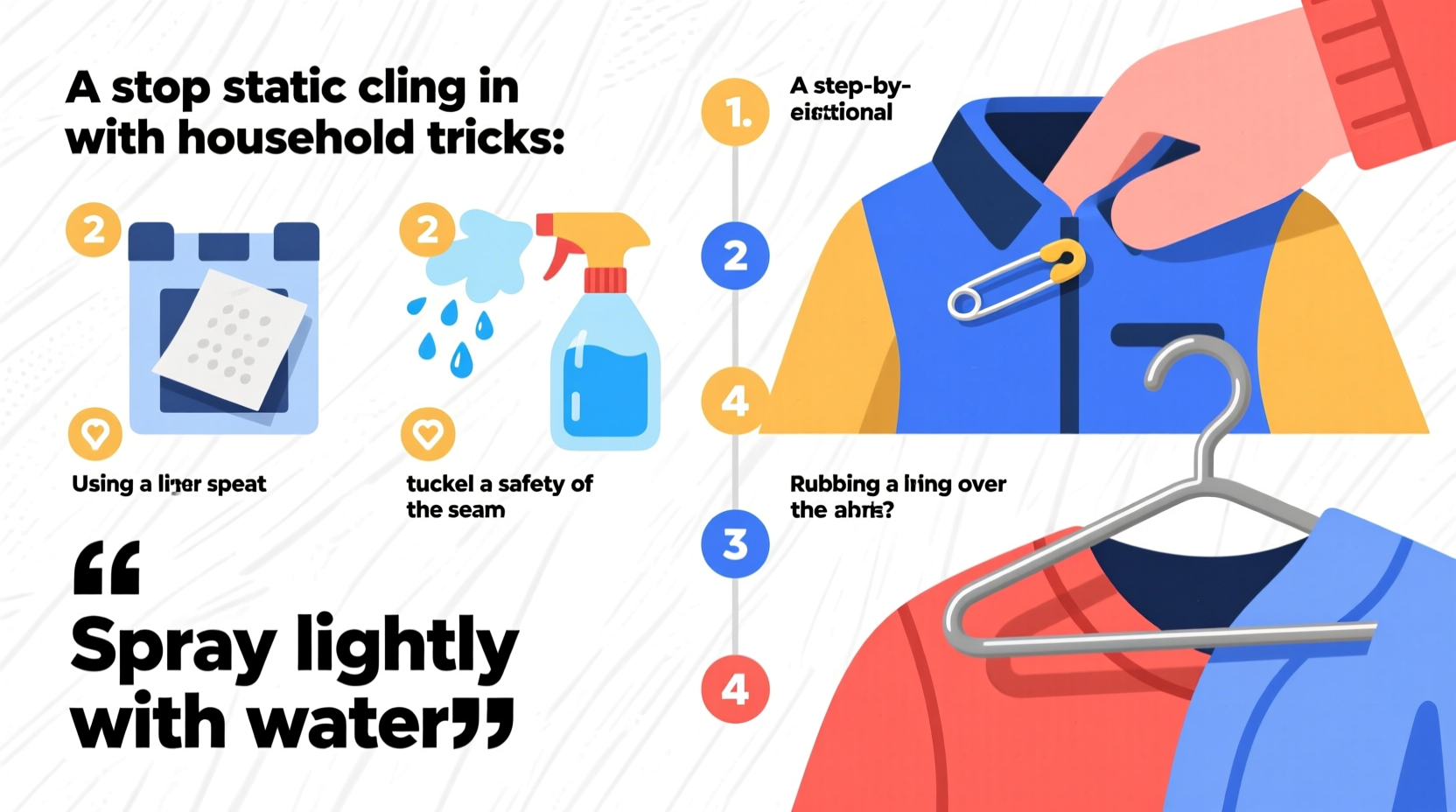
Run a metal coat hanger over the inside of the garment. The metal conducts the built-up charge away from the fabric and into the air or your hand. Focus on areas where static is worst—typically skirts, dresses, and blouses.
2. Damp Hands Technique
Wet your hands lightly and smooth them over the surface of the clothing. The tiny amount of moisture neutralizes the static charge. Don’t soak the fabric—just a light pass will do. Works best on outer layers.
3. Carry a Safety Pin
Attach a small safety pin to the inside seam of your clothing. As you move, the pin subtly discharges static into the air. It works similarly to anti-static wrist straps used in electronics. Bonus: it’s invisible and reusable.
4. Touch a Wall Before Standing Up
If your pants or skirt clings after sitting, touch a concrete or plaster wall before standing. These surfaces are slightly conductive and help ground your body, releasing stored charge. Avoid wooden walls, which are insulators.
| Trick | How It Works | Best For |
|---|---|---|
| Metal hanger | Conducts charge away from fabric | Dresses, skirts, synthetic layers |
| Damp hands | Adds moisture to dissipate charge | All fabrics, especially lightweight |
| Safety pin | Acts as a passive discharge point | Trouble-prone garments kept long-term |
| Touch wall | Grounds body after friction | Post-sitting cling on pants/skirts |
Laundry-Based Solutions to Prevent Static Buildup
Preventing static starts in the wash and dry cycle. Adjusting how you launder clothes can dramatically reduce cling without adding cost or complexity.
Add Vinegar to the Rinse Cycle
White vinegar softens fabric naturally and removes detergent residue that can amplify static. Add half a cup of distilled white vinegar to the rinse compartment of your washing machine. Your clothes won’t smell like vinegar once dried—it evaporates completely.
Use Baking Soda in the Wash
Baking soda balances pH levels in water, helping fibers release more easily during agitation. It also softens hard water, reducing the need for excess detergent. Add a quarter cup to the drum before starting the wash.
Avoid Over-Drying
The longer clothes tumble in a hot dryer, the more static builds. Remove items while slightly damp and air-dry the rest of the way. This is especially helpful for synthetic blends and athletic wear.
Toss in a Dryer Sheet Alternative
If you dislike commercial dryer sheets (which often contain chemicals and leave residue), try a reusable alternative: a crumpled ball of aluminum foil. Toss it in the dryer—it reduces static by dispersing electrical charges. Another option: a clean tennis ball or wool dryer balls, which separate clothes and reduce drying time.
DIY Anti-Static Spray Recipes
Make your own anti-static spray with ingredients from your pantry. These sprays are safe for most fabrics and eliminate cling within seconds.
Basic Water + Conditioner Spray
- Mix one tablespoon of hair conditioner with one cup of water in a spray bottle.
- Shake gently before each use.
- Spray lightly on the inside of the garment—avoid saturating.
- Let dry for 30 seconds before wearing.
The conditioner contains cationic surfactants that neutralize static and add slight lubrication to fibers.
Fabric Refresher with Essential Oils
- Combine one cup of water, one tablespoon of witch hazel, and five drops of lavender or eucalyptus oil.
- Pour into a fine-mist spray bottle.
- Lightly mist clothing before dressing.
Witch hazel helps the mixture disperse evenly, while oils add a subtle scent. Avoid using on silk or delicate prints unless tested first.
“This DIY spray works better than store-bought versions because it doesn’t leave behind waxy residues that attract dirt.” — Maria Tran, Sustainable Fashion Consultant
Real-Life Example: Sarah’s Office Wardrobe Rescue
Sarah, a project manager in Chicago, struggled every winter with her favorite gray pencil skirt clinging to her tights during client meetings. She tried commercial sprays, but they stained her outfit. After reading about vinegar in laundry, she added half a cup to her next wash cycle. Not only did the static reduce, but her clothes felt softer. She now uses wool dryer balls and keeps a small spray bottle of water-conditioner mix in her desk drawer. A quick spritz before standing up solved her midday cling issues. “It’s changed how I dress in winter,” she says. “I feel confident, not shocked.”
Long-Term Prevention Strategies
While quick fixes help day-to-day, long-term habits make the biggest difference. Consider these sustainable changes to reduce static at its source.
Increase Indoor Humidity
Use a humidifier in frequently used rooms, especially bedrooms. Even a small ultrasonic humidifier running at night raises moisture levels enough to prevent overnight static buildup on pajamas and morning outfits.
Choose Natural Fibers When Possible
Layer cotton, linen, or merino wool underneath outerwear. These materials absorb ambient moisture, making them less likely to hold a charge. If you must wear synthetics, pair them with natural layers to balance conductivity.
Moisturize Skin Regularly
Dry skin acts as an insulator, increasing personal static buildup. Applying lotion after showers—especially to legs and arms—helps dissipate charge. Look for formulas with glycerin or hyaluronic acid, which attract moisture.
Wear Leather-Soled Shoes
Rubber soles insulate your body from the ground, letting static accumulate. Leather soles allow gradual discharge, especially on carpeted floors. If you wear rubber-soled boots, touch a metal object like a doorframe before touching electronics or other people.
Checklist: Stop Static Cling in 7 Steps
- ✅ Monitor indoor humidity—keep above 40%
- ✅ Add ½ cup white vinegar to the rinse cycle
- ✅ Use wool dryer balls instead of dryer sheets
- ✅ Make a DIY anti-static spray (water + conditioner)
- ✅ Moisturize skin daily, especially in dry areas
- ✅ Keep a metal hanger or safety pin handy
- ✅ Avoid over-drying clothes in the dryer
FAQ
Can I use hairspray to stop static cling?
Yes, in a pinch. Hairspray contains polymers and solvents that temporarily neutralize static. Hold the bottle 12 inches away and mist the inside of the garment lightly. However, repeated use may leave residue or discolor light fabrics. A dedicated anti-static spray is safer for regular use.
Why do my socks generate so much static in the dryer?
Socks, especially athletic ones made of synthetic blends, experience high friction during tumbling. They’re also small and lightweight, making them prone to flying around and building charge. To reduce this, wash them inside a mesh laundry bag and dry with larger items like towels to minimize movement.
Is static cling harmful to health?
No, the shocks from static cling are generally harmless, though uncomfortable. People with pacemakers or sensitive medical devices should minimize exposure to strong static fields, but everyday clothing static is not a risk. If shocks are frequent and painful, check your home’s grounding system or consult an electrician.
Final Tips and Encouragement
Static cling is a seasonal nuisance, not a fashion sentence. With a few smart adjustments to your routine, you can move freely through winter without worrying about clothes sticking or unexpected zaps. Start small: try vinegar in your next load or carry a safety pin. Notice what works for your wardrobe and lifestyle. Over time, these habits become second nature.
You don’t need expensive gadgets or chemical-laden products. The tools to defeat static are already in your home—you just need to know how to use them. Share your favorite trick with a friend who battles winter cling, or leave a comment with your go-to method. Together, we can make winter dressing easier, one static-free layer at a time.




 浙公网安备
33010002000092号
浙公网安备
33010002000092号 浙B2-20120091-4
Comments
No comments yet. Why don't you start the discussion?