
Cats and houseplants don’t always coexist peacefully. While you may admire the lush foliage brightening your living room, your cat might see those same plants as climbing structures, batting targets, or even snacks. The result? Tipped pots, scattered soil, chewed leaves, and frustrated owners. But before you consider banishing all greenery from your home, know this: it’s entirely possible to protect your indoor garden without compromising your cat’s happiness. With a blend of environmental adjustments, behavioral redirection, and strategic plant selection, you can create a harmonious space where both your feline and flora thrive.
Understanding Why Cats Knock Over Plants
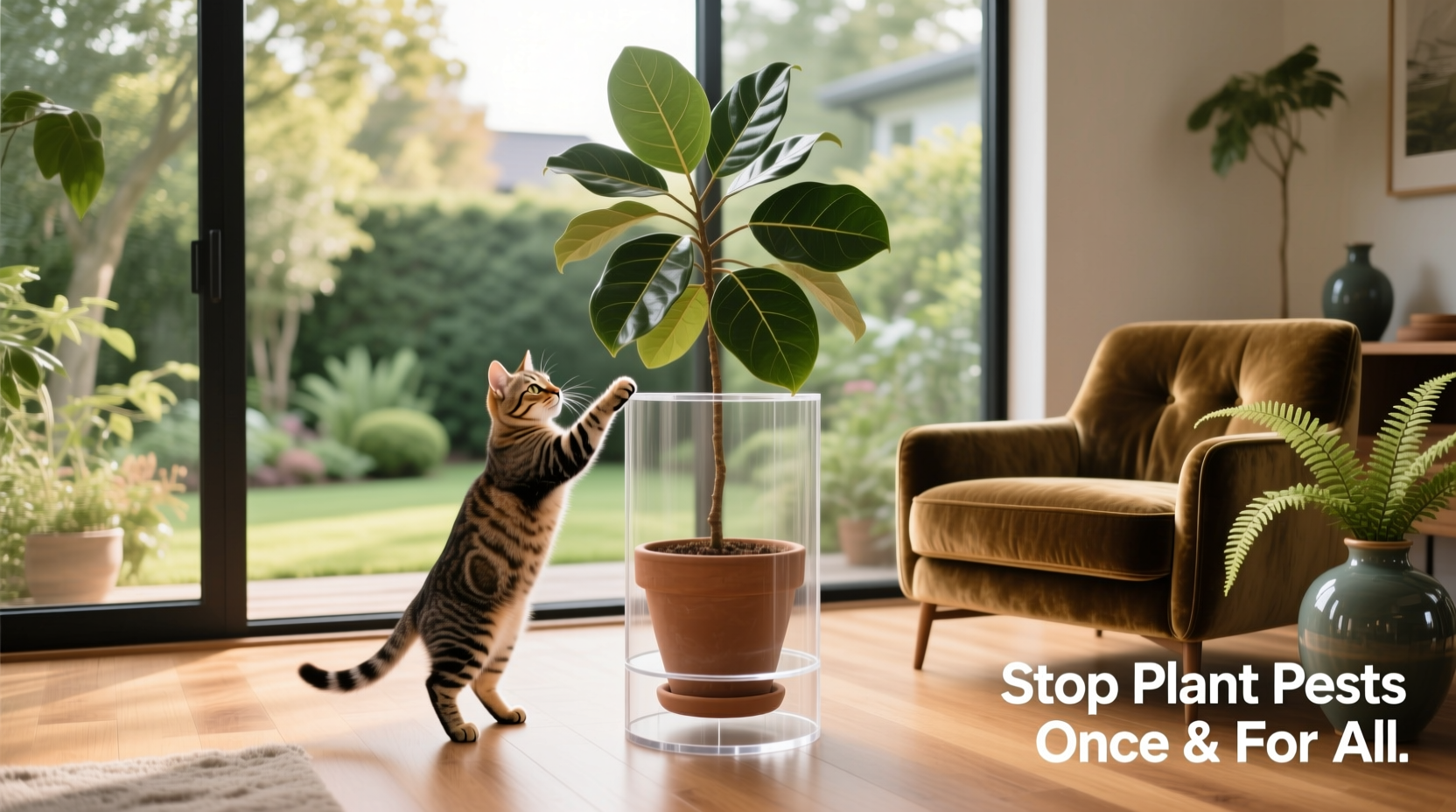
To solve the problem effectively, it helps to understand what drives the behavior in the first place. Cats aren’t being malicious—they’re acting on natural instincts shaped by evolution. Here are the most common reasons behind plant destruction:
- Hunting instinct: Swinging leaves mimic prey movement, triggering pouncing and batting behaviors.
- Curiosity: Cats explore their environment with their paws and mouths. A wobbly pot is an irresistible puzzle.
- Climbing desire: Tall plants offer footholds or balance beams for adventurous climbers.
- Seeking attention: If knocking over a plant gets a reaction—even scolding—it may become a repeated game.
- Soil digging: Some cats treat plant soil like a litter box substitute, especially if it’s loose and soft.
Recognizing these motivations allows you to respond with empathy rather than frustration. The goal isn’t to suppress your cat’s nature but to guide it toward more acceptable outlets.
Strategic Plant Placement and Pot Stability
One of the simplest and most effective solutions is rethinking where and how you display your plants. Even minor changes in placement can dramatically reduce accidents.
Start by assessing high-risk zones—areas where your cat spends the most time, such as near windowsills, bookshelves, or beside favorite napping spots. Move vulnerable plants out of reach using elevated surfaces like wall-mounted shelves, hanging planters, or tall plant stands with narrow bases cats can’t easily access.
For floor-level plants, stability is key. Top-heavy pots are easy targets. Consider these stabilization techniques:
- Use heavier materials like ceramic or concrete instead of lightweight plastic.
- Add extra weight to the bottom of the pot with stones or gravel.
- Nest smaller pots inside larger, weighted cache pots.
- Secure tall plants to nearby furniture using discreet clear ties or brackets.
If you have a particularly determined climber, avoid placing plants near drapes, shelves, or furniture they could use as launchpads. A single misstep can turn a decorative monstera into a toppled mess.
“Cats test boundaries through physical interaction. By making plants less accessible and more stable, you remove the temptation without restricting the cat.” — Dr. Lena Reyes, Feline Behavior Consultant
Creating Cat-Safe Alternatives and Enrichment
The best way to stop unwanted behavior is to give your cat something better to do. Environmental enrichment reduces boredom—the root cause of many destructive habits.
Introduce cat-friendly alternatives that satisfy the same instincts driving plant destruction:
- Cat grass or wheatgrass: Grow trays of safe, edible greens to redirect chewing behavior.
- Interactive toys: Use wand toys with leaf-like attachments to simulate hunting.
- Climbing structures: Install cat shelves, condos, or hammocks to fulfill vertical exploration needs.
- Sensory boxes: Fill shallow containers with crinkly paper, dried lavender, or silvervine to attract interest away from plants.
Rotate toys weekly to maintain novelty. A bored cat is more likely to invent its own entertainment—often at the expense of your peace lily.
Step-by-Step Guide: Building a Cat-Friendly Zone
- Choose a quiet corner near a window or light source.
- Install a sturdy cat tree or wall shelves at varying heights.
- Add a cozy bed or hammock for resting.
- Place interactive toys, scratching posts, and a tray of cat grass within reach.
- Spend time daily encouraging play in this area using treats or feather wands.
- Maintain the zone with regular toy rotation and cleaning.
Over time, this dedicated space becomes your cat’s preferred hangout, reducing their interest in off-limits areas—including your plant collection.
Choosing Cat-Safe and Cat-Resistant Plants
Not all houseplants are created equal when it comes to feline compatibility. Some are toxic if ingested, while others naturally repel cats due to scent or texture.
Replace high-risk species with varieties that are either unappealing to cats or non-toxic if sampled. Below is a comparison of common houseplants by safety and resistance level:
| Plant Name | Cat Safety | Cat Resistance | Notes |
|---|---|---|---|
| Spider Plant | Non-toxic | Low | Cats often chew on tips—best kept out of reach. |
| Parlor Palm | Non-toxic | High | Dense, stiff fronds deter pawing. |
| Ponytail Palm | Non-toxic | High | Thick trunk and narrow leaves discourage climbing. |
| Areca Palm | Non-toxic | Medium | Soft fronds may attract batting; keep elevated. |
| Lavender | Non-toxic (in small amounts) | High | Strong scent deters most cats. |
| Moth Orchid | Non-toxic | Medium | Fragile; best in hanging baskets. |
| Pothos | TOXIC | Low | Avoid entirely—irritates mouth and digestive tract. |
| Peace Lily | TOXIC | Low | Highly dangerous if ingested; keep far from cats. |
The ASPCA maintains a comprehensive list of toxic and non-toxic plants for pets. Always verify a plant’s safety before bringing it into a home with cats.
Behavioral Training and Deterrents That Work
While environmental changes form the foundation of a solution, targeted deterrents can reinforce boundaries. The key is consistency and pairing aversion with positive reinforcement.
Effective, humane deterrents include:
- Tactile barriers: Place plastic carpet runners (nub side up) around plant bases. Cats dislike the texture underfoot.
- Scent repellents: Citrus peels, diluted lemon juice sprays, or commercial pet-safe deterrents can discourage approach.
- Auditory cues: Motion-activated air sprayers startle without harming—ideal for remote monitoring.
- Double-sided tape: Apply around pot rims or nearby surfaces. Sticky textures deter pawing.
Never use essential oils as deterrents—many are toxic to cats, even in small concentrations.
Pair deterrents with redirection. When your cat approaches a plant, gently guide them to a toy or scratcher and reward with praise or a treat. Over time, they’ll associate staying away from plants with positive outcomes.
Mini Case Study: The Case of Luna and the Fiddle Leaf Fig
Sarah, a plant enthusiast from Portland, struggled with her Bengal cat Luna repeatedly toppling a prized fiddle leaf fig. Despite moving it twice, Luna found a way to leap onto the stand and bat at the broad leaves. After consulting a behaviorist, Sarah implemented a three-part strategy:
- She replaced the lightweight stand with a heavy marble pedestal.
- Installed a motion-activated deterrent near the plant.
- Built a cat tower across the room stocked with cat grass and dangling toys.
Within two weeks, Luna stopped approaching the plant. She now spends her mornings lounging on the new tower, watching birds outside—her attention fully redirected. The fiddle leaf fig remains upright and thriving.
Essential Checklist: Cat-Proof Your Plants in 7 Steps
Follow this actionable checklist to safeguard your indoor garden for good:
- ✅ Remove any toxic plants from accessible areas.
- ✅ Relocate vulnerable plants to high shelves or hanging planters.
- ✅ Use heavy or weighted pots to prevent tipping.
- ✅ Introduce cat-safe greens like wheatgrass to satisfy chewing urges.
- ✅ Set up a dedicated cat enrichment zone with toys and climbing options.
- ✅ Apply tactile or scent-based deterrents around high-risk plants.
- ✅ Reinforce good behavior with treats and praise when your cat ignores plants.
Frequently Asked Questions
Can I train my cat not to touch plants?
Yes, but not through punishment. Use positive reinforcement by rewarding your cat when they interact with designated toys instead of plants. Consistency over several weeks leads to lasting change.
Are there any plants cats absolutely hate?
Cats generally avoid strong-smelling herbs like rosemary, lavender, and lemon thyme. While individual preferences vary, these scents often act as natural repellents when placed near or around planters.
What if my cat eats my plants?
First, confirm the plant isn’t toxic. If it is, contact your vet immediately. For non-toxic plants, provide alternative chewables like cat grass and discourage access using barriers or deterrents. Persistent eating may indicate dietary deficiency—consult your veterinarian.
Final Thoughts: Harmony Between Pets and Plants Is Possible
Living with both cats and houseplants doesn’t have to be a constant battle. The secret lies in understanding your cat’s instincts and designing your space to accommodate them—without sacrificing your green sanctuary. By combining smart placement, cat-friendly alternatives, and consistent reinforcement, you can create a home where curiosity is channeled constructively and your plants remain intact.
Remember, every cat is different. What works for one may need tweaking for another. Patience, observation, and small adjustments will lead to long-term success. Your cat isn’t trying to ruin your day—they’re just being a cat. Meet them halfway, and you’ll both enjoy a safer, happier home.




 浙公网安备
33010002000092号
浙公网安备
33010002000092号 浙B2-20120091-4
Comments
No comments yet. Why don't you start the discussion?