
Cats scratch. It’s not just a habit—it’s a biological necessity. Scratching helps cats shed the outer layers of their claws, stretch their muscles, mark territory with scent glands in their paws, and relieve stress. But when that instinct targets your brand-new sofa, frustration can set in quickly. Many pet owners reach for chemical sprays to deter scratching, but these often contain strong scents or ingredients that may irritate sensitive cats or leave lingering odors in your home.
The good news? You don’t need sprays to protect your furniture. With a combination of environmental enrichment, behavioral redirection, and strategic design choices, you can preserve your sofa while keeping your cat physically and emotionally healthy. This guide outlines proven, humane strategies that address the root causes of scratching—not just the symptom.
Understanding Why Cats Scratch Furniture
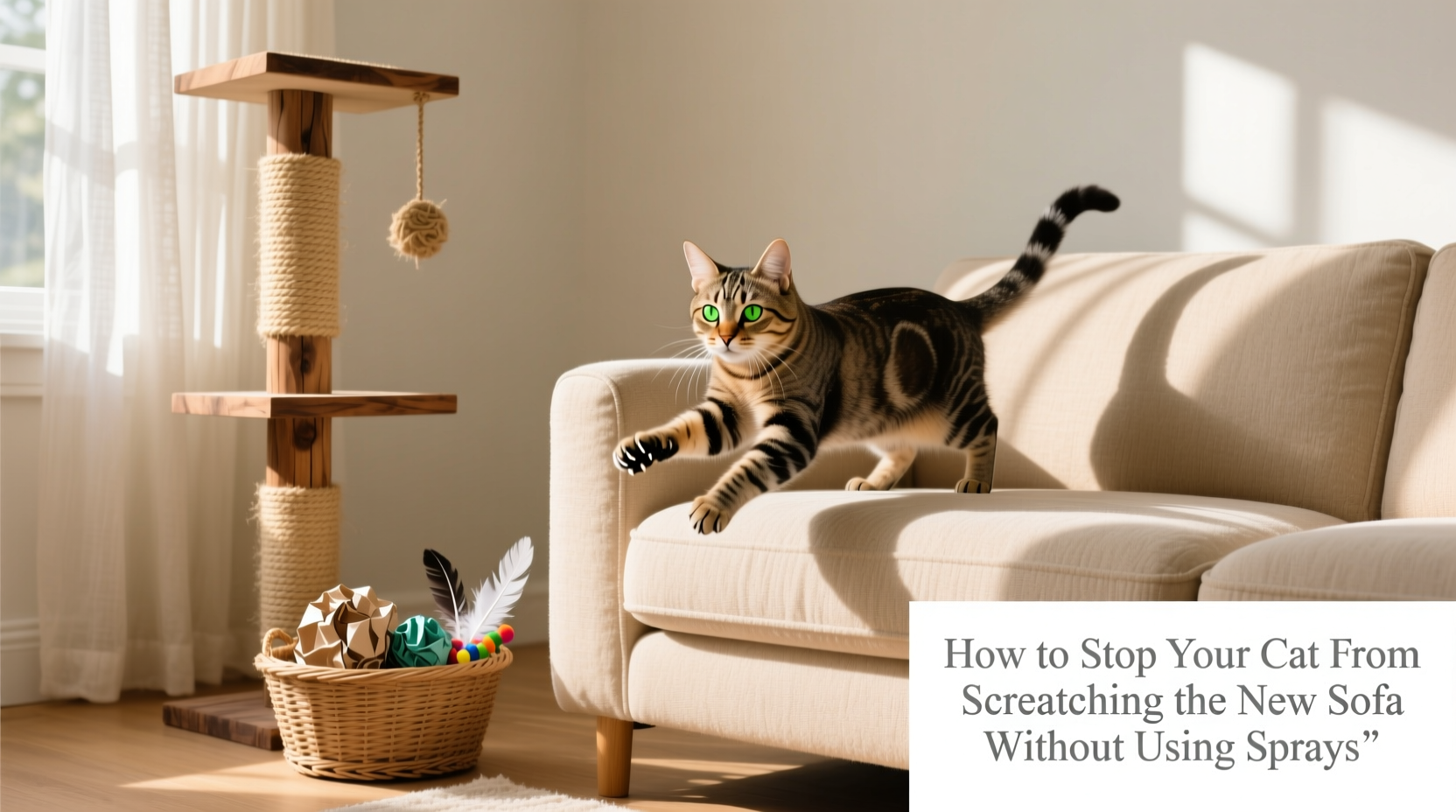
To effectively redirect your cat’s behavior, it's essential to understand why they’re drawn to certain surfaces. Cats don’t scratch out of spite or malice. Instead, their actions are guided by instinct, preference, and opportunity.
- Texture Preference: Many cats favor vertical, coarse surfaces like sisal, carpet, or tightly woven fabric—similar to what’s found on many sofas.
- Location Matters: Cats often scratch near entryways, sleeping areas, or social spaces—places where they want to leave visual and scent markers.
- Lack of Alternatives: If no suitable scratching post is available or appealing, the sofa becomes the default option.
- Stress or Boredom: Changes in routine, new pets, or lack of stimulation can increase marking behaviors like scratching.
Create an Irresistible Scratching Environment
The most effective way to prevent unwanted scratching isn’t punishment—it’s competition. Provide alternatives so appealing that your cat naturally chooses them over the sofa.
Choose the Right Scratching Posts
Not all scratching posts work equally well. A flimsy, short tower in the corner won’t stand a chance against a sturdy sofa. Consider these features:
- Height: At least 30 inches tall so your cat can fully stretch while scratching.
- Stability: Must not wobble or tip when used vigorously.
- Material: Sisal rope, corrugated cardboard, or natural wood are top choices. Avoid plush-covered posts unless your cat already prefers them.
- Orientation: Offer both vertical and horizontal options. Some cats prefer side-to-side motion.
Strategic Placement
Place scratching posts directly in front of or beside the sofa—at the exact spot your cat tends to target. This allows immediate redirection. Once the habit shifts, you can gradually move the post elsewhere if needed.
“Cats are creatures of convenience. If the right scratching surface is nearby and satisfying, they’ll use it consistently.” — Dr. Sarah Thompson, Feline Behavior Consultant
Modify the Sofa’s Appeal (Without Sprays)
Making the sofa temporarily less inviting gives your cat time to form new habits on appropriate surfaces. These non-invasive techniques avoid chemicals entirely.
Use Physical Barriers
Temporarily cover the scratched areas with materials your cat dislikes under paw:
- Aluminum foil (crinkly texture deters many cats)
- Plastic carpet runners (nubby side up)
- Fabric throw blankets in tightly woven cotton or denim
These barriers disrupt the sensory feedback cats seek during scratching. After a few weeks of consistent avoidance, remove the coverings gradually as your cat adapts to using approved posts.
Alter Surface Texture
If covering isn’t practical, change the feel of the sofa arm or corner. Wrap sections with sisal fabric or attach a removable cardboard scratch panel. This transforms the undesirable surface into a designated scratching zone—redirecting rather than punishing.
Encourage Desired Behavior with Positive Reinforcement
Punishment creates fear and damages trust. Instead, reward your cat for choosing the right surfaces.
Immediate Rewards System
When you catch your cat using the scratching post:
- Quietly offer high-value treats (like freeze-dried chicken).
- Use a calm verbal cue such as “Good scratch.”
- Add gentle petting if your cat enjoys it.
Consistency over two to three weeks builds strong associations. Never reward after the fact—timing is critical.
Scent Transfer for Familiarity
Rub a soft cloth on your cat’s cheeks (where scent glands are located) and wipe it on the new scratching post. The familiar scent makes the object more inviting and marks it as “theirs.”
Play Integration
Attach a dangling toy to the top of the scratching post. Wand toys encourage stretching and swatting motions that naturally lead to scratching. Daily interactive play near the post strengthens its association with fun and activity.
| Strategy | How It Works | Time to Effect |
|---|---|---|
| Scratching Post Placement | Offers convenient alternative at point of temptation | 1–2 weeks |
| Texture Deterrents (foil, plastic) | Disrupts tactile satisfaction of sofa fabric | Immediate, temporary |
| Positive Reinforcement | Builds positive association with correct surface | 2–4 weeks |
| Scent Marking Posts | Increases perceived ownership and comfort | Ongoing support |
Step-by-Step Plan to Protect Your Sofa in 30 Days
Follow this timeline to create lasting change without sprays:
- Week 1: Assess & Install
Identify targeted areas on the sofa. Place one or more sturdy scratching posts directly in front of those spots. Cover sofa arms with aluminum foil or plastic runners. - Week 2: Introduce & Reward
Each time your cat approaches the sofa, gently guide them to the post. Reward any interaction—even sniffing or pawing—with treats. Play nearby with a wand toy. - Week 3: Fade Barriers Gradually
If your cat has used the post consistently, remove one barrier section (e.g., half the foil). Monitor closely. Reapply if scratching resumes. - Week 4: Consolidate Habits
Remove all barriers. Keep treats near the post for spontaneous rewards. Rotate scratchable materials (cardboard pads, sisal rolls) to maintain interest.
Real-Life Example: Reclaiming the Living Room Sofa
Sophia adopted a rescue cat named Milo who immediately began shredding the corner of her linen sofa. She didn’t want to use sprays due to her toddler at home. Following a structured plan, she placed a 32-inch sisal post right in front of the damaged area and covered the arm with a nubby plastic carpet runner.
Initially, Milo avoided both. But Sophia rubbed his cheek glands on the post and dangled a feather toy from the top daily. On day six, he gave the post two quick scratches. She rewarded him instantly with tuna flakes. By day 14, he was using it regularly. After three weeks, she removed the plastic covering. Now, four months later, the sofa remains intact—and Milo has three favorite scratching stations around the house.
Common Mistakes That Undermine Progress
Avoid these pitfalls that sabotage even well-intentioned efforts:
- Using unstable scratching posts: A wobbly base teaches cats that posts aren’t reliable.
- Placing posts in isolated areas: Cats scratch in high-traffic zones. Put posts where they spend time.
- Inconsistent reinforcement: Skipping rewards during early stages slows learning.
- Trimming claws too short: Over-trimming causes pain and reduces motivation to scratch appropriately.
- Expecting instant results: Habit change takes 3–6 weeks. Patience is part of the process.
FAQ: Addressing Common Concerns
Can I train an older cat to stop scratching the sofa?
Yes. While kittens learn faster, adult cats adapt well when changes are paired with consistency and rewards. Start by identifying what your cat likes about the sofa—texture, location, height—and replicate those qualities in a legal scratching option.
What if my cat ignores the scratching post completely?
The post may be the wrong material, height, or location. Try switching to cardboard or adding catnip or silver vine to the base. Also, ensure it's placed where your cat naturally stretches upon waking.
Is declawing ever a solution?
No. Declawing is a painful surgical procedure involving amputation of the last bone in each toe. It’s banned in many countries and condemned by veterinary associations. It leads to chronic pain, behavioral issues, and litter box avoidance. Humane alternatives always exist.
Final Checklist: Spray-Free Sofa Protection Plan
- Observe your cat’s preferred scratching spots on the sofa.
- Install a tall, stable scratching post in the same location.
- Cover targeted areas with temporary deterrents (foil, plastic runners).
- Transfer your cat’s facial scent to the new post.
- Reward every correct use with treats or affection.
- Incorporate play near the post daily.
- Gradually phase out physical barriers after consistent success.
- Maintain variety in scratching materials to prevent boredom.
“The key to stopping unwanted scratching isn’t suppression—it’s substitution. Give cats what they need, and they’ll choose it.” — Dr. Lena Patel, Veterinary Ethologist
Conclusion
Protecting your new sofa doesn’t require harsh sprays or compromising your cat’s well-being. By understanding feline instincts and applying thoughtful, consistent strategies, you can redirect scratching behavior humanely and effectively. The goal isn’t to stop your cat from scratching—it’s to guide them toward the right place to do it.
Start today: position a sturdy scratching post, observe your cat’s habits, and reinforce good choices with quiet praise and treats. Small steps lead to lasting results. Your sofa—and your cat—will thank you.




 浙公网安备
33010002000092号
浙公网安备
33010002000092号 浙B2-20120091-4
Comments
No comments yet. Why don't you start the discussion?