
Dogs eating feces—known scientifically as coprophagia—is one of the most common yet distressing behaviors pet owners face. While it may seem bizarre or even revolting to humans, this behavior has deep roots in canine instincts, diet, environment, and psychology. The good news is that with consistent, evidence-based strategies, most dogs can be trained to stop this habit. This guide outlines practical, humane, and effective behavioral methods supported by veterinarians and animal behaviorists to help you break the cycle for good.
Understanding Why Dogs Eat Poop
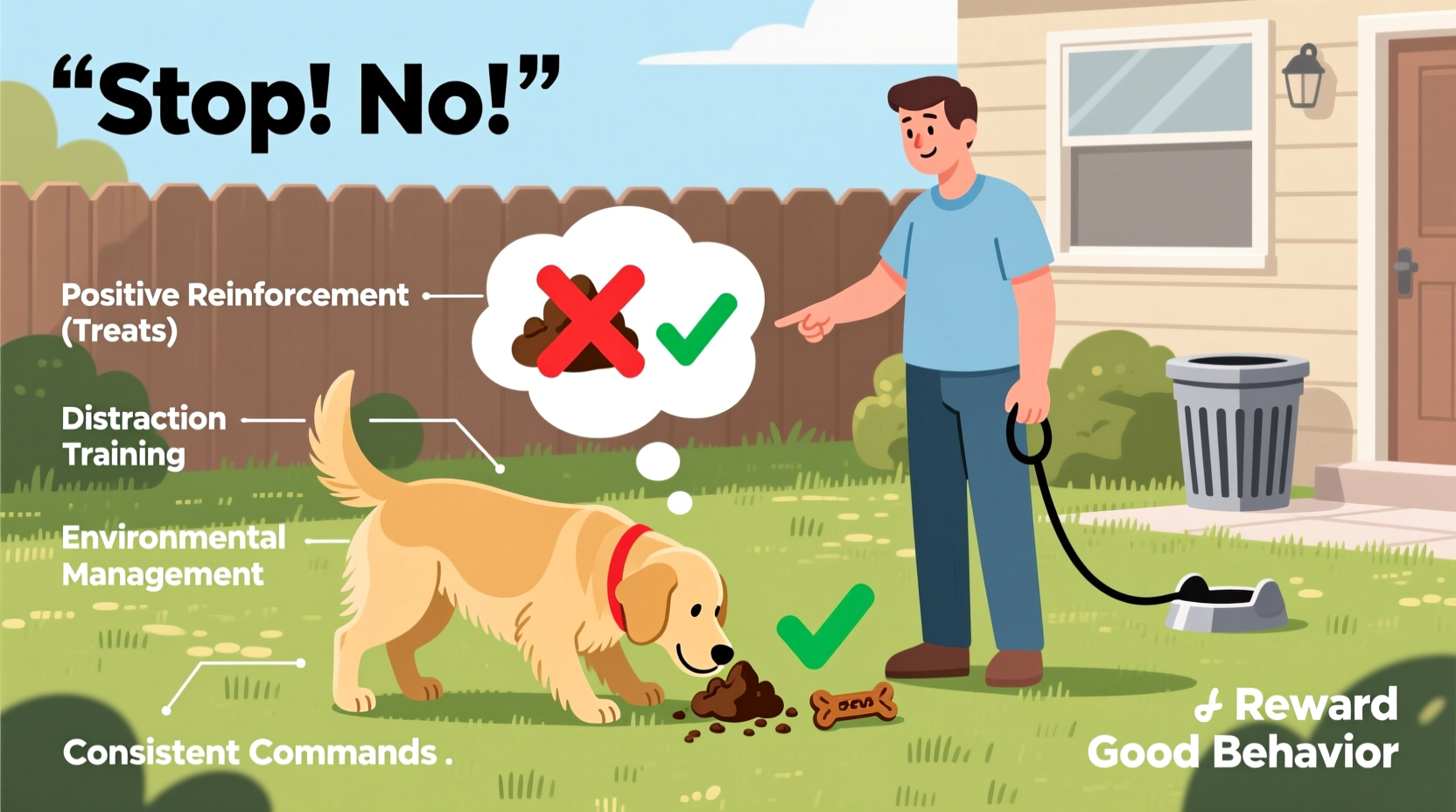
Coprophagia affects up to 24% of dogs at some point in their lives, according to studies conducted by veterinary behaviorists. While not always a sign of illness, it's essential to understand the underlying causes before implementing solutions. Common reasons include:
- Nutritional deficiencies – Poorly digestible diets may leave nutrients in stool, prompting dogs to re-ingest.
- Instinctual behavior – Mother dogs clean their puppies’ waste to protect the den; some adult dogs retain this trait.
- Boredom or anxiety – Dogs left alone for long periods may develop compulsive habits like stool-eating.
- Attention-seeking – If a dog notices strong reactions when eating feces, they may repeat the act for interaction.
- Learned behavior – Dogs housed with others who eat poop may mimic the action.
“While coprophagia can have medical origins, in most cases it’s a learned or environmental issue that responds well to structured behavioral modification.” — Dr. Karen Becker, DVM, Integrative Veterinarian
Step-by-Step Behavioral Training Plan
Eliminating coprophagia requires consistency, patience, and positive reinforcement. Below is a six-week timeline combining immediate interventions with long-term training techniques.
- Week 1: Environmental Control & Observation
Remove access to feces immediately. Pick up waste within 30 seconds of elimination. Use a leash during potty breaks to maintain control. Observe when and where the behavior occurs—indoors? After other pets? Only during certain times? - Week 2: Introduce the “Leave It” Command
Begin training in a distraction-free area. Hold a treat in a closed fist, say “leave it,” and wait until your dog stops sniffing or pawing. Reward with a different treat when they disengage. Practice 5–10 minutes daily. - Week 3: Add Distractions & Real-World Application
Gradually introduce distractions. Practice near fake or contained stool (e.g., in a plastic bag). When your dog successfully avoids looking, reward generously. Use high-value treats like boiled chicken or freeze-dried liver. - Week 4: Leash Training During Potty Breaks
Take your dog out on a short leash. The moment they begin to approach waste, say “leave it” firmly and redirect with a toy or treat. Immediately reward compliance. Never punish after the fact—timing is critical. - Week 5: Reinforce Alternative Behaviors
Teach a new default behavior post-poop, such as “come,” “sit,” or “find the treat.” Say “go potty,” and the instant they finish, toss a treat several feet away to encourage movement toward you instead of the stool. - Week 6: Monitor, Maintain, and Fade Cues
Gradually reduce verbal cues and treats while maintaining vigilance. Continue picking up waste promptly. If relapses occur, return to earlier training steps without frustration.
Effective Training Tools and Techniques
Not all training tools are created equal. Some products marketed to deter coprophagia rely on taste aversion, but behavioral experts emphasize teaching replacement behaviors over punishment.
| Method | Effectiveness | Notes |
|---|---|---|
| “Leave it” command + redirection | High | Most sustainable long-term solution when practiced consistently. |
| Taste deterrents (e.g., For-Bid, Potty Mouth) | Moderate | May work short-term but inconsistent across dogs; does not address root cause. |
| Poop barriers (muzzles, belly bands) | Low to Moderate | Use only under supervision; not suitable for long-term management. |
| Enrichment & mental stimulation | High | Reduces boredom-related coprophagia significantly. |
| Dietary supplements (e.g., enzyme blends) | Variable | Only helpful if poor digestion is confirmed via vet evaluation. |
Why Positive Reinforcement Works Best
Punishing a dog after they’ve eaten poop often backfires. Dogs don’t connect delayed scolding with the act itself, leading to confusion and anxiety. Instead, focus on rewarding desired behaviors. For example, if your dog finishes eliminating and turns to you for a treat instead of investigating waste, mark the behavior with a clicker or verbal cue like “yes!” and deliver the reward instantly.
This method builds a reliable association: attention and treats come from you—not from scavenging.
Real-Life Example: Fixing Coprophagia in a Rescue Dog
Max, a 2-year-old mixed-breed rescue, began eating his own feces shortly after adoption. His owners initially tried yelling and spraying him with water, which only made Max sneak off to defecate behind bushes. A consultation with a certified dog trainer revealed two key issues: lack of routine and insufficient mental stimulation.
The trainer recommended a structured plan: morning puzzle feeders, twice-daily training sessions, and immediate cleanup after elimination. They introduced the “leave it” command using chicken cubes and gradually practiced near real waste in a controlled backyard setting.
Within four weeks, Max stopped approaching his stool. By week six, he consistently looked to his owner for a treat after going potty. The transformation wasn’t just behavioral—it improved the entire household’s relationship with Max.
Checklist: How to Stop Your Dog from Eating Poop
Follow this actionable checklist to ensure you’re covering all bases:
- ✅ Schedule a vet visit to rule out parasites, malabsorption, or endocrine disorders.
- ✅ Switch to a highly digestible, premium-quality dog food if dietary issues are suspected.
- ✅ Clean up feces within 30 seconds of elimination—indoors and outdoors.
- ✅ Train the “leave it” command using positive reinforcement.
- ✅ Redirect your dog with a toy or treat immediately after they defecate.
- ✅ Increase daily mental stimulation with puzzle toys, scent games, and obedience drills.
- ✅ Supervise closely during potty breaks; use a leash if needed.
- ✅ Avoid punitive reactions—yelling or physical corrections increase anxiety.
- ✅ Consider a head halter or basket muzzle during high-risk walks if necessary.
- ✅ Track progress weekly and adjust tactics as needed.
Frequently Asked Questions
Is eating poop dangerous for my dog?
Yes, depending on the source. Consuming feces from other animals can expose your dog to parasites like roundworms, giardia, or harmful bacteria such as salmonella. Even their own waste can harbor pathogens if they’re unwell. Long-term coprophagia also increases the risk of gastrointestinal upset and reinfection.
Can changing my dog’s diet stop them from eating poop?
Sometimes. If your dog isn’t absorbing nutrients efficiently due to low-quality food, undigested fats and proteins in the stool may trigger consumption. Upgrading to a highly digestible, whole-ingredient diet can reduce this. However, diet alone rarely resolves the issue without behavioral training.
Will my dog grow out of eating poop?
Some puppies do, especially those mimicking maternal cleaning behavior. But if the habit persists past six months, intervention is usually required. Adult dogs rarely abandon coprophagia without structured training.
Preventing Relapse and Building Long-Term Success
Even after your dog stops eating poop, vigilance matters. Stressful events, changes in routine, or exposure to new environments (like dog parks or boarding) can trigger relapses. To prevent setbacks:
- Maintain regular pickup schedules even after the behavior stops.
- Continue occasional reinforcement of the “leave it” command in low-stakes settings.
- Keep enrichment activities consistent—boredom is a major relapse trigger.
- Monitor interactions with other dogs, especially those with known coprophagia.
Think of stopping poop-eating not as a one-time fix but as part of broader behavioral wellness. A mentally engaged, well-trained dog is far less likely to develop destructive habits.
“The key to ending coprophagia isn’t force—it’s understanding. Meet your dog’s needs for structure, stimulation, and connection, and the unwanted behavior often fades naturally.” — Sophia Yin, DVM, Animal Behavior Specialist
Conclusion: Take Action Today for a Healthier, Happier Dog
Stopping your dog from eating poop is entirely possible with the right approach. Forget quick fixes and gimmicks—focus instead on consistent training, environmental management, and meeting your dog’s psychological needs. The methods outlined here are used by professional trainers and supported by veterinary research. They require time and dedication, but the results last a lifetime.
Your dog doesn’t eat poop to annoy you—they’re acting on instinct, habit, or unmet needs. With patience and clarity, you can guide them toward better choices. Start today: pick up waste, begin “leave it” training, and enrich their world beyond the backyard. You’re not just fixing a gross habit—you’re building trust, safety, and a deeper bond.




 浙公网安备
33010002000092号
浙公网安备
33010002000092号 浙B2-20120091-4
Comments
No comments yet. Why don't you start the discussion?