
A cracked phone screen is one of the most common and frustrating issues smartphone users face. Whether it's a hairline fracture or a spiderweb of damage, once it happens, repair costs add up fast. While commercial cases and tempered glass are widely available, not everyone wants to rely on store-bought accessories. The good news? You don’t have to. With a few smart DIY strategies, you can significantly reduce the risk of screen damage using everyday materials and thoughtful habits. This guide dives into proven, low-cost methods to protect your screen without relying solely on retail products.
Understanding Why Phone Screens Crack
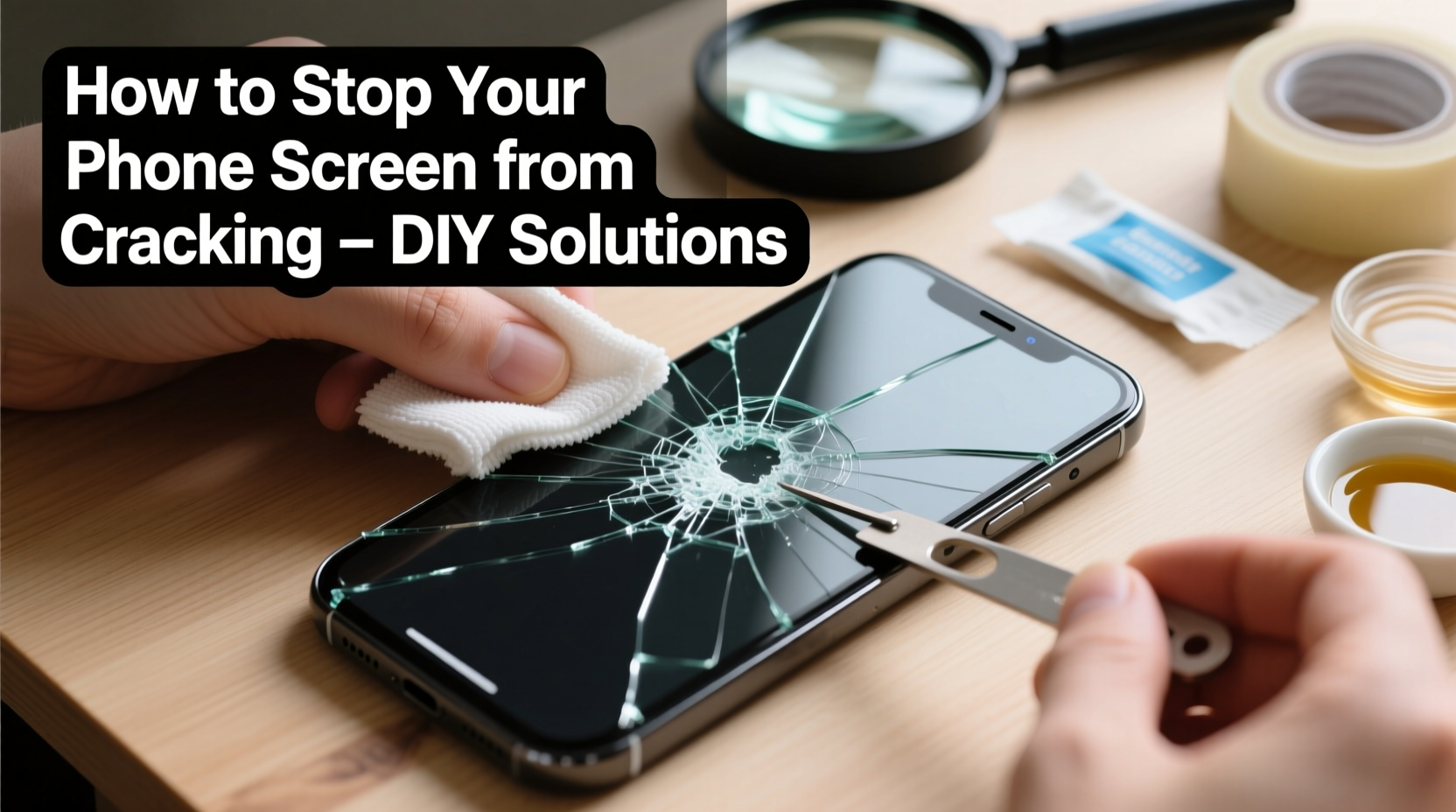
Before applying any solution, it helps to understand how and why screens break. Most modern smartphones use glass panels like Gorilla Glass, which are strong but still vulnerable to impact, pressure, and sharp edges. The most frequent causes of cracks include:
- Dropping the phone on hard surfaces (tile, concrete, pavement)
- Placing the phone in a bag or pocket with keys, coins, or other rigid objects
- Applying uneven pressure—like sitting on your phone or stacking heavy items on top
- Using worn-out or poorly fitting cases that no longer absorb shock
Glass doesn’t crack from minor scratches alone, but repeated abrasion weakens its structure over time. Once a microscopic flaw forms, even a small drop can trigger a full crack. Prevention isn’t just about avoiding drops—it’s about minimizing all sources of stress on the screen.
DIY Screen Protectors Using Household Materials
While tempered glass is ideal, not everyone has access to it—or wants to spend money on it. Several household materials can serve as temporary or emergency screen protection.
Packing Tape Shield
Clear packing tape, especially high-tack varieties, can create a surprisingly durable barrier against scratches and minor impacts. Though not a substitute for glass, it adds a layer of tensile strength that may delay or prevent cracking upon impact.
- Clean the screen thoroughly with alcohol wipes or a microfiber cloth.
- Cut a piece of packing tape slightly larger than your screen.
- Slowly apply it from one edge, smoothing out air bubbles as you go.
- Trim excess with a razor blade or precision knife.
This method won’t survive long-term use, but in a pinch, it offers real protection. Users have reported surviving short drops with only tape damage, leaving the actual screen intact.
Adhesive Plastic Sheets (From Packaging)
Rigid plastic from blister packs or clamshell packaging can be repurposed into a semi-rigid screen shield. These plastics are often polycarbonate-based, known for impact resistance.
To make one:
- Remove the plastic front from an electronics package.
- Wash and dry it completely.
- Trace your phone’s screen onto the plastic and cut it precisely.
- Attach it using double-sided tape or reusable adhesive putty around the edges (avoid covering the entire screen to allow touch sensitivity).
This creates a sacrificial layer that absorbs impact and prevents direct contact with abrasive materials.
Homemade Shock-Absorbing Cases
Commercial cases work by absorbing kinetic energy during a fall. You can replicate this effect using soft, compressible materials found at home.
Felt and Foam Layer Case
Felt, craft foam, or even yoga mat scraps can be shaped into a custom-fit case.
- Wrap your phone in cling film to protect it during construction.
- Measure the height, width, and thickness of your phone.
- Cut two rectangular pieces of felt or foam for front and back.
- Cut side strips to wrap around the edges.
- Use non-permanent fabric glue or hot glue sparingly to join the layers.
- Add slits for buttons and ports.
The layered material acts as a cushion, dispersing impact force across a wider area. While not waterproof or ultra-durable, it provides meaningful drop protection for daily use.
Silicone Mold Method
If you’re comfortable with DIY crafting, you can make a flexible silicone case using moldable putty.
- Wrap phone in plastic wrap.
- Press the phone into a bed of two-part silicone molding compound (available at hardware stores).
- Remove phone and let the mold cure.
- Pour liquid silicone into the mold and let it set.
- Peel out the finished case and trim excess.
This creates a snug, rubber-like cover that absorbs shocks far better than bare metal or glass.
| DIY Material | Impact Protection | Scratch Resistance | Reusability |
|---|---|---|---|
| Packing Tape | Low | Medium | Single-use |
| Blister Pack Plastic | Medium | High | Reusable |
| Foam + Felt Case | High | Medium | Reusable (weeks) |
| Silicone Mold Case | Very High | High | Long-term |
Behavioral Habits That Prevent Cracks
No physical modification works as well as changing how you handle your phone. Many screen cracks happen due to preventable behaviors. Adjusting daily routines is the most effective—and free—protection strategy.
Carry Smart
Phones often crack when jostled in pockets or bags with keys, pens, or tools. Keep your phone in a dedicated inner pouch or wrap it in a soft cloth. A simple microfiber cleaning cloth doubles as a protective sleeve.
Set It Down Face-Up
Always place your phone screen-side up on tables, counters, or car dashboards. Even a slight bump can slide it off edge-first. If you must set it down face-down, use a soft surface like a jacket, pillow, or napkin.
Avoid Overloading Pockets
Back pockets are notorious for accidental drops. Front pockets are safer, but only if not overstuffed. Carrying wallets, keys, and phones together increases friction and pressure on the screen when seated.
“Over 60% of screen fractures originate from pocket or bag abrasion, not drops.” — Dr. Lena Patel, Mobile Device Durability Researcher, Consumer Tech Institute
Step-by-Step: Building a Complete DIY Protection System
For maximum effectiveness, combine multiple DIY methods into a cohesive system. Follow this timeline to build and maintain your protection plan.
- Day 1: Assess Your Risk – Note how you carry, use, and store your phone. Identify high-risk scenarios (e.g., biking, commuting, working outdoors).
- Day 2: Apply a Temporary Screen Shield – Use packing tape or repurposed plastic to cover the screen. Ensure no bubbles or ridges interfere with touch response.
- Day 3: Construct a Shock-Absorbing Case – Build a foam-felt hybrid or silicone case tailored to your phone’s dimensions.
- Day 4: Modify Carrying Habits – Designate a specific pocket or bag compartment for your phone. Add a soft liner like cloth or sponge.
- Weekly Maintenance – Inspect your DIY protector for wear. Replace tape weekly. Check case integrity every 7–10 days.
- Monthly Upgrade – Improve your design based on experience. Try different materials or layer combinations.
This systematic approach ensures continuous protection while allowing room for experimentation and personalization.
Mini Case Study: Sarah’s Commuter Phone Survival
Sarah, a graphic designer in Chicago, commuted daily via train and bike. Within a year, she replaced her phone twice due to screen damage—once from a fall off her desk, another from being crushed in her backpack. Frustrated by repair costs, she decided to try DIY solutions.
She started by cutting a piece of clear plastic from a printer cartridge box to fit her screen, securing it with removable adhesive dots. Then, she sewed a padded sleeve from scrap neoprene, adding a flap closure. She also began carrying her phone in an inside jacket pocket instead of her bag.
Over the next eight months, her phone survived three accidental drops—one from her handlebars onto pavement. The plastic shield cracked, but the original screen remained intact. She replaced the shield for less than $1 in materials. Total savings: over $250 in potential repair fees.
Common Mistakes to Avoid
Even well-intentioned DIY efforts can backfire. Watch out for these pitfalls:
- Using superglue or epoxy – These permanently bond materials and can seep into ports or damage displays.
- Blocking ventilation or sensors – Thick layers over the earpiece or proximity sensor can impair function.
- Ignoring heat buildup – Insulating materials like foam can trap heat during charging or gaming, potentially damaging the battery.
- Over-engineering – Bulky designs make the phone harder to use and more likely to be removed altogether.
The goal is subtle, functional protection—not turning your phone into a science project.
FAQ
Can I use nail polish as a screen protector?
No. Nail polish is brittle and lacks flexibility. It may temporarily fill tiny scratches but offers no impact protection and can cloud the screen over time.
Will a DIY case affect wireless charging?
Thin foam or felt layers usually don’t interfere. However, thick or metallic materials (like aluminum tape) can block induction. Stick to non-conductive fabrics and keep thickness under 3mm.
How often should I replace DIY screen shields?
Tape or plastic shields should be replaced every 5–7 days, or immediately if scratched, bubbled, or peeling. Degraded layers lose protective value and can hinder usability.
Final Checklist: DIY Phone Screen Protection Plan
- ✅ Clean screen thoroughly before applying any shield
- ✅ Choose a transparent, flexible material for screen coverage
- ✅ Build or modify a soft, shock-absorbing outer case
- ✅ Designate a safe storage spot (not loose in a bag)
- ✅ Avoid placing phone near sharp or heavy objects
- ✅ Inspect protection weekly and replace as needed
- ✅ Practice mindful handling—especially during transport
Conclusion
Preventing a cracked phone screen doesn’t require expensive gear or technical expertise. With everyday materials and smarter habits, you can dramatically reduce the risk of damage. The key is consistency—combining physical protection with behavioral awareness. Whether you’re using packing tape, repurposed plastic, or a handmade foam case, every layer adds resilience. More importantly, rethinking how you carry, set down, and interact with your phone pays long-term dividends. Start small, test what works, and refine your approach. Your screen—and your wallet—will thank you.




 浙公网安备
33010002000092号
浙公网安备
33010002000092号 浙B2-20120091-4
Comments
No comments yet. Why don't you start the discussion?