
Green discoloration on your finger from wearing a ring is more common than you might think. While it’s not harmful, it can be unsightly and frustrating—especially when it happens with a favorite piece of jewelry. The good news? You don’t need to replace your ring to solve this issue. Understanding why rings cause green marks and applying targeted prevention methods can preserve both your skin and your style.
The green tint is typically caused by a chemical reaction between your skin’s natural oils, sweat, and certain metals in the ring—especially copper or alloys containing base metals. Rings marketed as “fashion jewelry” or even some sterling silver pieces often contain copper, which oxidizes when exposed to moisture and acids on the skin. This oxidation creates a green compound that transfers onto your skin.
While gold-plated or silver rings may seem safe, if the plating wears thin, the underlying metal can react just as easily. Fortunately, several practical solutions exist to prevent this reaction while keeping your beloved ring intact.
Why Rings Turn Fingers Green: The Science Behind It
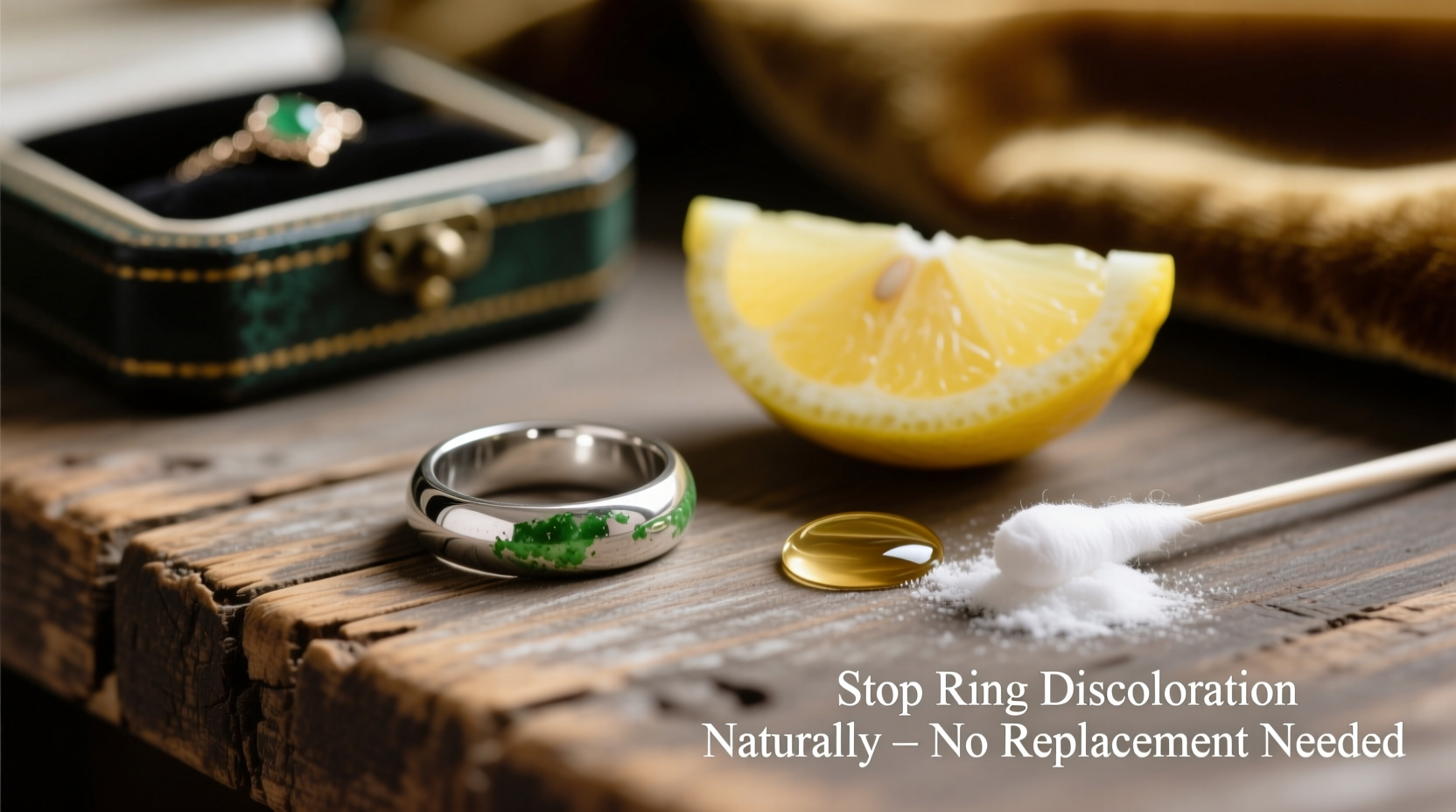
The green mark isn’t dirt or poor hygiene—it’s a real chemical process. When metals like copper, brass, or nickel come into contact with the acids in your sweat (particularly lactic acid and fatty acids), they undergo oxidation. This forms copper salts, such as copper chloride or copper acetate, which are greenish-blue in color. These compounds transfer directly to your skin, creating the telltale ring-shaped stain.
Several factors influence how quickly and severely this reaction occurs:
- Skin pH: Everyone’s skin chemistry varies. Some people naturally have more acidic perspiration, increasing the likelihood of reactions.
- Climate: Humid or hot environments increase sweating, accelerating metal oxidation.
- Soaps and lotions: Residue from hand washes, moisturizers, or perfumes can alter skin pH and promote reactivity.
- Friction: Constant rubbing increases heat and wear, exposing base metals faster in plated rings.
“Even high-quality-looking rings can contain reactive alloys beneath the surface. It’s not always about value—it’s about composition.” — Dr. Lena Torres, Dermatologist & Skin Health Researcher
This means a $500 fashion ring and a $10 accessory could behave similarly if their metal content is comparable. Recognizing this helps shift focus from price to protection.
Protective Coating Methods to Seal the Metal
One of the most effective long-term fixes is creating a barrier between the metal and your skin. Applying a clear protective coating prevents direct contact and halts oxidation before it starts.
Nail polish is a widely used, accessible solution. By painting the inside band of the ring, you form a transparent shield that blocks moisture and acids from reaching the metal.
Step-by-Step: Applying a Nail Polish Barrier
- Clean the ring thoroughly with mild soap and water. Dry completely.
- Apply a thin, even coat of clear nail polish to the inner surface of the band using a small brush or applicator.
- Let dry for at least 15–20 minutes. Apply a second coat if desired.
- Allow the ring to cure overnight before wearing.
- Reapply every 2–4 weeks, depending on wear and washing frequency.
For those seeking a more durable option, specialized jewelry sealants like Jewelry Shield or ProtectaClear offer longer-lasting protection. These products are designed specifically for metal and resist water, sweat, and friction better than standard nail polish.
Adjusting Daily Habits to Reduce Reaction Triggers
Even with a coated ring, daily habits play a major role in preventing green stains. Simple behavioral changes can dramatically reduce the conditions that lead to oxidation.
Washing hands, applying lotion, or doing household chores while wearing reactive rings accelerates tarnishing and increases skin exposure. Water and cleaning agents strip away protective layers and create micro-abrasions in plating, exposing base metals.
| Habit | Why It Matters | Better Alternative |
|---|---|---|
| Wearing ring during dishwashing | Detergents strip oils and coatings; prolonged moisture speeds oxidation | Remove ring or wear rubber gloves |
| Applying hand lotion over the ring | Lotions trap moisture underneath, creating a damp reaction chamber | Apply lotion first, then wipe fingers before putting ring back on |
| Sleeping with the ring on | Night sweats and friction increase oxidation risk | Store ring in a dry place overnight |
| Exercising with the ring | Sweat is highly acidic and promotes rapid metal breakdown | Remove before workouts |
Consistency matters. Even occasional exposure to harsh conditions can undo weeks of protection. Think of your ring like a painted surface—regular care prevents cracks before they start.
Real-Life Example: Sarah’s Sterling Silver Ring Fix
Sarah, a teacher from Portland, loved her engraved sterling silver ring—a gift from her grandmother. Within months, she noticed a faint green line forming under the band. Assuming it was low quality, she nearly stopped wearing it. After researching, she learned that many “sterling silver” rings contain copper (up to 7.5%) to strengthen the metal, making them prone to oxidation.
Instead of replacing it, she cleaned the ring with a silver polishing cloth, applied two coats of clear nail polish to the interior, and committed to removing it before washing hands or applying lotion. She also began storing it in a small fabric-lined box instead of leaving it on the bathroom counter.
After six months, the green mark hadn’t returned. “I was ready to give up on the ring,” she said. “But now I realize it just needed a little extra care. It means too much to me to let a green finger stop me from wearing it.”
Alternative Barriers and Preventative Tools
Beyond nail polish, several other materials can act as physical barriers:
- Clear tape: A tiny piece of invisible double-sided tape or Scotch tape applied to the inside of the band can block contact. However, it may peel after a day or two and requires frequent replacement.
- UV resin: Jewelry makers use ultraviolet-curing resin to seal metal surfaces. Applied carefully and cured with a UV lamp, it creates a near-permanent barrier. Best for occasional DIY users with proper tools.
- Plastic film liners: Products like “Ring Shields” are transparent adhesive sleeves that fit snugly around the inner band. They’re reusable, hypoallergenic, and available in various sizes.
For rings with intricate designs or hard-to-reach interiors, consider professional rhodium plating. Jewelers can apply a thin layer of rhodium—a noble metal resistant to corrosion—over silver or white gold rings. While not permanent, it lasts 1–3 years and eliminates green marks during that time.
Checklist: How to Keep Your Ring Green-Free
Follow this actionable checklist weekly to maintain your ring and protect your skin:
- ✅ Clean the ring gently with mild soap and a soft cloth once a week.
- ✅ Inspect the inner band for worn spots or flaking coating.
- ✅ Reapply nail polish or sealant if needed.
- ✅ Remove the ring before washing hands, showering, or applying skincare.
- ✅ Store it in a dry, cool place away from humidity.
- ✅ Rotate wear—don’t wear the same reactive ring every day.
- ✅ Use hypoallergenic hand products to minimize skin-metal interaction.
Frequently Asked Questions
Does green skin mean the ring is fake?
No. Even expensive or branded jewelry can contain copper or alloys that react with skin. The green mark is a chemical reaction, not proof of counterfeit material. Pure gold and platinum rarely cause this, but lower karat gold (e.g., 10k or 14k) often contains copper and can still discolor skin.
Can I stop the green mark permanently without reapplying coatings?
Permanent prevention without reapplication is difficult unless the ring is replated or made of non-reactive metal. However, consistent use of a sealant like ProtectaClear or regular rhodium plating at a jeweler can provide long-term protection with minimal upkeep.
Is the green stain harmful to my skin?
No, the discoloration is harmless and usually fades within hours or days. In rare cases, individuals with metal sensitivities may experience mild irritation or itching. If redness, rash, or swelling occurs, discontinue use and consult a dermatologist.
Final Thoughts: Preserve Your Jewelry, Protect Your Skin
You don’t need to sacrifice sentiment or style because of a green ring mark. With a basic understanding of metal chemistry and a few smart habits, you can keep your favorite ring looking great and your fingers stain-free. The key lies in consistency—protective measures only work when applied regularly and thoughtfully.
Whether you choose a simple nail polish barrier, upgrade to a specialty sealant, or adjust your daily routine, each step brings you closer to worry-free wear. And remember: the emotional value of a ring often far outweighs its material cost. A little care ensures it stays on your hand—and in your heart—for years to come.




 浙公网安备
33010002000092号
浙公网安备
33010002000092号 浙B2-20120091-4
Comments
No comments yet. Why don't you start the discussion?