
Many people have experienced the surprise of removing a favorite ring only to find a green or black stain circling their finger. While it’s not harmful, the discoloration can be unsightly and frustrating—especially when wearing a cherished piece. The good news is that this reaction is usually caused by simple chemical interactions between your skin, sweat, and certain metals in the ring. Even more encouraging: you don’t need expensive products or professional treatments to prevent it. With everyday household items already in your kitchen or bathroom, you can effectively stop green fingers and keep your rings looking great.
The green tint typically appears when copper or nickel in lower-cost jewelry reacts with acids in your skin or moisture like sweat and lotions. This oxidation process creates compounds that transfer onto your skin. While sterling silver, gold-plated, and fashion jewelry are frequent culprits, even some “hypoallergenic” rings may contain trace metals that react under the right conditions. Understanding how this happens—and what you can do at home—is the first step toward a permanent fix.
Why Rings Turn Fingers Green
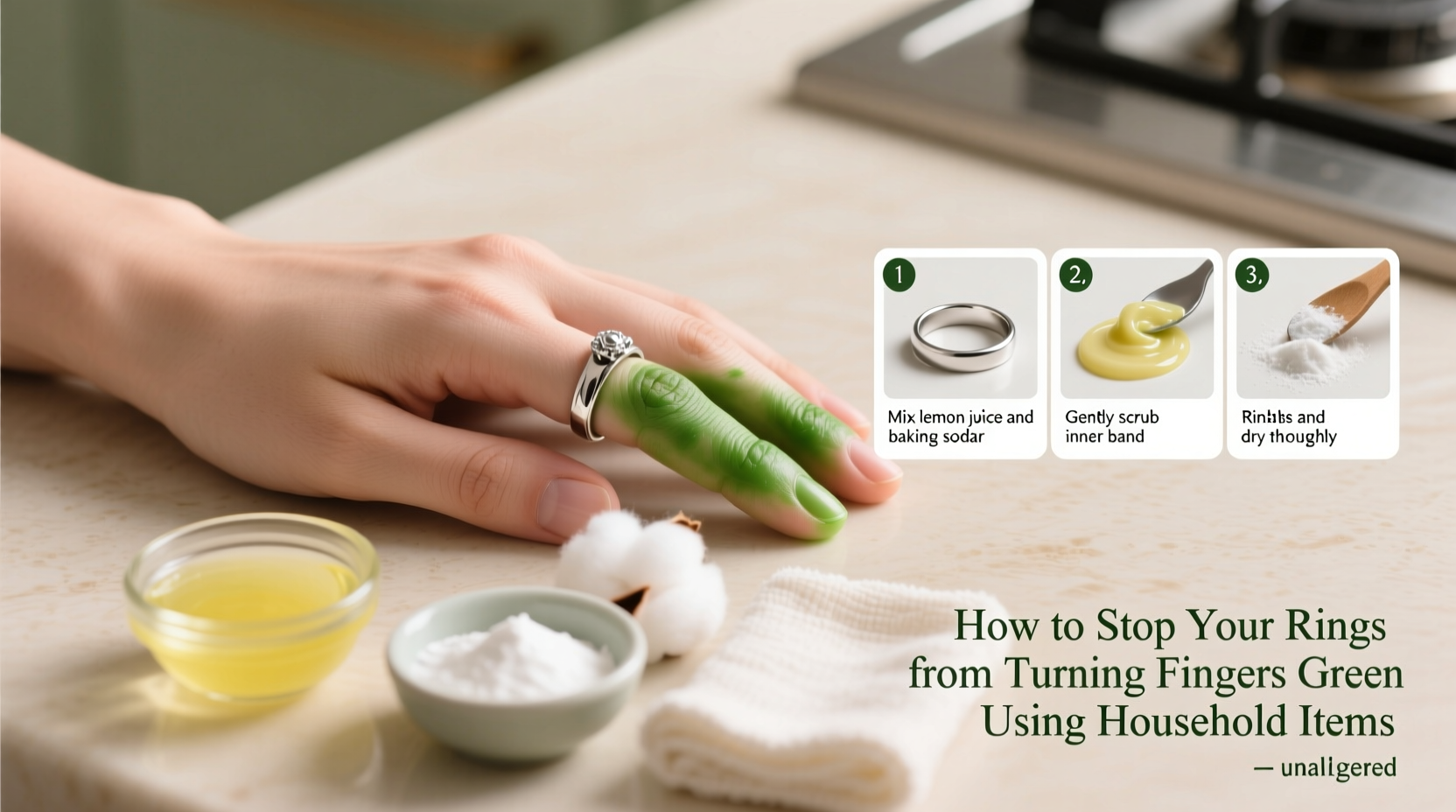
The green discoloration isn’t dirt or poor hygiene—it’s a chemical reaction. Most non-precious metal rings contain copper, brass, or nickel as base materials. These metals oxidize when exposed to moisture, oils, and pH levels on your skin. For example, acidic sweat accelerates the breakdown of copper, forming copper salts like copper chloride or copper carbonate, which appear green or blue-green.
Several factors increase the likelihood of this reaction:
- Skin pH: People with naturally more acidic skin are more prone to discoloration.
- Humidity and sweat: Hot weather or physical activity increases moisture, speeding up oxidation.
- Hand lotions and soaps: Some chemicals in skincare products act as catalysts for metal reactions.
- Frequency of wear: Constant friction and exposure reduce protective coatings on plated jewelry.
It’s important to note that even high-quality-looking rings from reputable stores can cause this issue if they use base metal cores with thin plating. The problem isn’t always cheap craftsmanship—it’s chemistry.
Effective Household Items That Prevent Green Discoloration
You don’t need specialty jewelry sealants or anti-tarnish sprays. Common household items can create a protective barrier between your skin and the reactive metal. These solutions are safe, inexpensive, and easy to apply.
Nail Polish: A Simple Protective Coating
Clear nail polish is one of the most effective and accessible ways to prevent skin contact with reactive metals. By painting the inner surface of the ring, you create a thin plastic layer that blocks sweat and oils from interacting with the metal.
“Applying clear nail polish to the inside of costume jewelry has been a backstage secret among theater performers for decades. It works because it forms an impermeable film.” — Lydia Chen, Costume Jewelry Conservator
To use:
- Remove any dirt or oil from the ring with mild soap and water. Dry thoroughly.
- Apply a thin coat of clear nail polish to the interior band using a brush or cotton swab.
- Let dry completely (about 15–20 minutes).
- Repeat after a few weeks or if the coating begins to chip.
This method can last several weeks but will eventually wear off with regular use. Reapply monthly or sooner if irritation returns.
Clear Nail Polish Alternative: White School Glue
If you don’t have nail polish, white PVA glue (like Elmer’s) works similarly. It dries into a flexible, transparent film that resists moisture.
- Apply a small amount inside the ring with a toothpick.
- Rotate the ring to spread evenly.
- Let dry overnight before wearing.
While not as durable as nail polish, it’s a reliable short-term solution.
Barrier with Petroleum Jelly
Petroleum jelly (Vaseline) doesn’t form a permanent coating, but it creates a temporary moisture-resistant layer. Apply a small dab to your finger before putting on the ring, focusing on the area that contacts the band.
This method is ideal for occasional wear or events where you’ll be sweating. Reapply as needed throughout the day.
Using Beeswax for Natural Protection
Beeswax is another excellent option, especially for those avoiding synthetic chemicals. Melt a small amount gently and brush a thin layer onto the inside of the ring. Allow it to cool and harden. Beeswax is water-resistant and breathable, making it ideal for daily wear.
Step-by-Step Guide to Treating Your Ring at Home
Follow this practical timeline to protect your ring using household supplies. This routine takes less than 30 minutes and should be repeated every 4–6 weeks depending on wear.
- Day 1: Clean the Ring
Mix warm water with a drop of dish soap. Soak the ring for 5 minutes. Use a soft toothbrush to gently scrub the interior and exterior. Rinse and dry completely with a lint-free cloth. - Day 1 (after drying): Apply Protective Coating
Choose nail polish, glue, or melted beeswax. Apply a thin, even layer to the inside of the band. Avoid getting it on the gemstones or decorative surfaces unless intended. - Wait 12–24 hours
Let the coating cure fully. Rushing this step can lead to peeling or stickiness. - Test Wear
Put the ring on for a few hours. Check for any discomfort or smudging. If no issues arise, it’s ready for regular use. - Maintenance: Monthly Check
Inspect the coating every month. Reapply if you notice flaking, darkening, or return of green stains.
Do’s and Don’ts When Protecting Rings at Home
| Do | Don’t |
|---|---|
| Use clear nail polish or beeswax for long-term protection | Use colored nail polish—it may stain your skin or ring |
| Clean the ring thoroughly before applying any coating | Apply coatings to dirty or oily rings—they won’t adhere properly |
| Reapply protective layers every 4–6 weeks | Forget to remove old layers—peeling polish can trap moisture |
| Wash hands gently after wearing treated rings | Soak rings in harsh cleaners—this degrades protective films |
| Store rings in a dry, cool place away from humidity | Leave rings in bathrooms or near sinks—moisture speeds corrosion |
Real Example: Sarah’s Wedding Band Dilemma
Sarah bought a beautiful rose-gold plated ring for her sister’s wedding. She wore it daily, but within two weeks, her ring finger developed a persistent green line. Embarrassed, she stopped wearing it. After researching online, she tried coating the inside with clear nail polish from her makeup kit. She cleaned the ring with soapy water, applied one coat, let it dry overnight, and wore it the next day. Not only did the green stain disappear, but the ring stayed bright and comfortable for over five weeks. She now renews the coating monthly and wears the ring proudly.
Her experience shows that a simple, accessible solution can make a lasting difference—even with delicate or sentimental pieces.
Additional Prevention Tips
Beyond coatings, adjusting habits can significantly reduce the risk of discoloration:
- Rotate your rings: Avoid wearing the same ring every day. Give each piece time to air out and reduce constant skin contact.
- Remove rings before washing hands or showering: Soap and water accelerate metal breakdown.
- Keep skin pH balanced: Excessive use of acidic hand sanitizers can worsen reactions. Opt for neutral pH formulas.
- Dry your hands thoroughly: Moisture trapped under the ring promotes oxidation.
- Choose higher-quality alternatives: If possible, invest in solid sterling silver, titanium, or surgical-grade stainless steel rings, which are less reactive.
Frequently Asked Questions
Is the green stain dangerous?
No, the green discoloration is not harmful. It’s a surface reaction caused by metal oxidation and does not indicate infection or toxicity. However, if you experience itching, redness, or swelling, you may have a metal allergy and should discontinue use.
Can I use this method on rings with stones or engravings?
Yes, but be careful. When applying nail polish or glue, avoid getting it on gemstones or detailed carvings, as it can dull their appearance or get trapped in crevices. Use a toothpick or fine brush for precision.
How often should I reapply the protective coating?
Every 4 to 6 weeks under normal wear. If you wash your hands frequently, swim, or sweat heavily, check the coating monthly and reapply as needed. Worn-off areas expose metal and restart the reaction process.
Conclusion: Keep Your Rings Beautiful and Your Skin Stain-Free
Green fingers don’t mean you have to give up your favorite rings. With a few common household items and a few minutes of maintenance, you can enjoy your jewelry without embarrassment or discomfort. Whether you choose nail polish, petroleum jelly, or beeswax, the key is consistency and proper preparation. Clean your rings, apply a protective barrier, and maintain it regularly. These small steps preserve both your skin and your accessories.
Don’t let a little chemistry ruin your style. Try one of these methods today and see the difference for yourself. Share your results or tips with others who might be struggling—because everyone deserves to wear their rings with confidence.




 浙公网安备
33010002000092号
浙公网安备
33010002000092号 浙B2-20120091-4
Comments
No comments yet. Why don't you start the discussion?