
Sunglasses are more than just a fashion statement—they’re essential for protecting your eyes from harmful UV rays. But nothing disrupts their utility faster than constantly pushing them back up your nose. While many people instinctively tighten the arms (temples) of their frames, this can lead to discomfort, headaches, or even permanent damage to the frame’s structure. The good news is that there are smarter, gentler, and often reversible solutions to keep your sunglasses securely in place—without altering their fit.
Whether you have a narrow bridge, wear glasses underneath, or simply live an active lifestyle, slipping sunglasses don’t have to be a daily annoyance. From DIY hacks to professional adjustments and specialized accessories, this guide explores proven methods that maintain both comfort and longevity of your eyewear.
Why Sunglasses Slide Down in the First Place
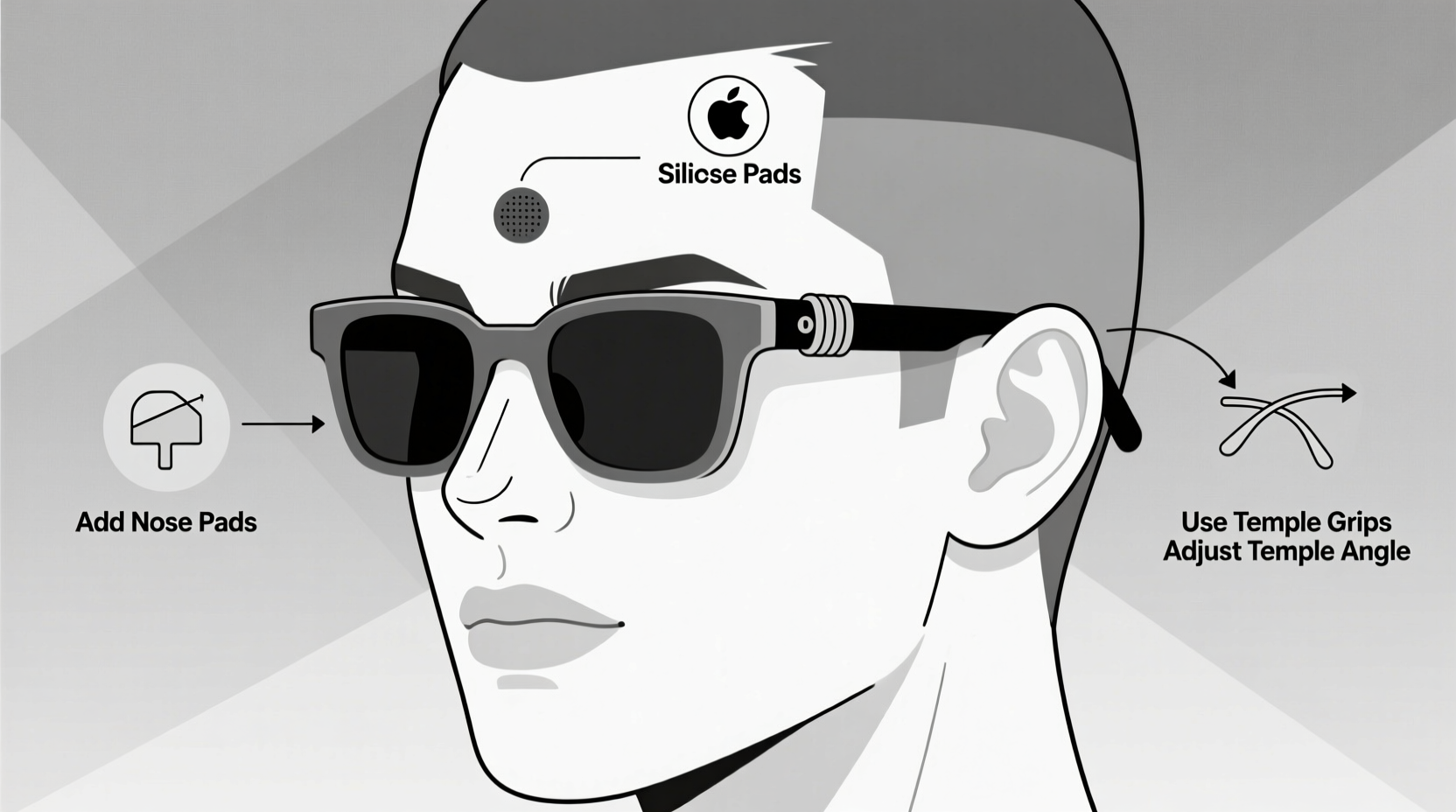
The root cause of slipping sunglasses lies in the mismatch between frame design and facial anatomy. Most mass-produced sunglasses are designed with average facial proportions in mind, but faces vary widely in shape, bridge height, temple width, and skin texture. Common reasons for slippage include:
- Narrow nasal bridge: Frames sit too high or slide due to lack of surface contact.
- Oily or sweaty skin: Reduces friction, especially in warm weather or during physical activity.
- Lightweight frames: Often made of plastic or titanium, they may not have enough grip.
- Improper temple angle: If the arms don’t hug the head correctly, forward pressure pushes the lenses down.
- Frame size mismatch: Oversized or overly wide frames can shift easily.
Understanding these factors helps identify which solution will work best for your unique situation. Rather than forcing a one-size-fits-all fix like tightening the arms, consider targeted strategies that address the real issue.
Effective Alternatives to Tightening the Arms
Tightening the temples might seem like a quick fix, but it risks breaking hinges, warping the frame, or making the glasses uncomfortably tight behind the ears. Instead, explore these five reliable alternatives.
1. Use Silicone Nose Pads or Grips
Silicone nose grips are small, adhesive pads that attach to the bridge of your sunglasses. They increase friction and provide a cushioned, non-slip surface that keeps frames stable.
Available in clear or skin-tone options, these grips are nearly invisible and easy to remove when needed. Some brands even sell adjustable silicone nose pieces that clip on without adhesive. For those who wear prescription glasses underneath, adding soft silicone pads can prevent pinching while improving stability.
2. Apply Anti-Slip Temple Tips
Also known as “ear savers” or “temple grippers,” these are rubberized sleeves that slide over the ends of the sunglass arms. They create extra grip against the skin behind the ears, counteracting downward motion.
These accessories come in various colors and styles, including transparent versions for discreet use. High-quality models are made from medical-grade silicone and resist sweat, oils, and UV degradation.
3. Try a Sunglass Strap or Retainer
For athletes, outdoor workers, or anyone leading an active life, a sunglass strap is one of the most effective solutions. These elastic or fabric bands connect to the temple tips and wrap around the back of the head, preventing any movement regardless of sweat or motion.
Popular among cyclists, runners, and water sports enthusiasts, straps eliminate slippage entirely. Many modern designs are lightweight, ventilated, and stylish—far from the bulky models of the past.
“Even high-end frames slip under exertion. A well-designed retention strap offers security without compromising comfort.” — Dr. Lena Torres, Optician & Vision Ergonomics Consultant
4. Adjust the Frame at a Professional Optician
While you should avoid adjusting the arms yourself unless trained, a licensed optician can make precise, safe modifications. Using heat and specialized tools, they can subtly bend the temples inward at the hinge or adjust the curvature behind the ear for a snugger fit—without over-tightening.
They can also modify the nose bridge angle, ensuring the frame sits flush against your face. This level of customization is especially valuable for premium or delicate frames made from acetate or thin metal alloys.
5. Use Hairspray or Clear Nail Polish (Temporary Fix)
A lesser-known but surprisingly effective trick involves lightly coating the inner part of the temple arms with hairspray or clear nail polish. As it dries, it creates a slightly tacky surface that resists sliding.
This method works best in dry conditions and lasts a few days. It’s ideal for short-term events like weddings, hikes, or beach outings. However, use sparingly and avoid getting it on lens coatings or delicate frame finishes.
Step-by-Step Guide: How to Apply Silicone Nose Grips
If you're new to using accessories to improve sunglass fit, follow this simple process to install silicone nose pads correctly.
- Clean the bridge area: Wipe the center of the frame with isopropyl alcohol and let it dry completely.
- Peel and position: Remove the backing from the adhesive pad and align it symmetrically on the nose bridge.
- Press firmly: Hold in place for 10–15 seconds to ensure full adhesion.
- Let it set: Wait at least one hour before wearing to allow the bond to strengthen.
- Test and adjust: Wear the sunglasses and move your head side to side. If slippage persists, reposition or add temple grips.
Proper placement is key—too high and they’ll press uncomfortably; too low and they won’t help with stability. Most kits include multiple sizes, so experiment to find the best fit.
Do’s and Don’ts of Preventing Sunglass Slippage
| Do’s | Don’ts |
|---|---|
| Use silicone nose pads for added grip | Over-tighten the arms—this can break hinges |
| Visit an optician for professional adjustments | Apply excessive glue or tape that damages finish |
| Try anti-slip temple covers for oily skin | Leave sunglasses in hot cars—heat warps frames |
| Use a retention strap during physical activity | Ignore signs of frame fatigue or bending |
| Clean frames regularly to maintain grip surfaces | Assume all frames fit the same—try before you buy |
Maintaining awareness of how your sunglasses interact with your face and environment goes a long way in preventing daily frustration.
Real-Life Example: A Runner’s Solution to Slipping Lenses
Jamal, a marathon runner from Austin, Texas, struggled with his high-end polarized sunglasses slipping within minutes of starting a run. Sweat, combined with frequent head movement, caused them to slide down until he had to stop and readjust.
He tried tightening the arms, but they quickly loosened again and eventually cracked at the hinge. Frustrated, he visited a local optical shop where the optician recommended a combination approach: adding silicone nose grips and switching to a flexible sunglass strap designed for athletes.
After implementing both changes, Jamal completed his next half-marathon without touching his glasses once. “It’s such a small change,” he said, “but it made my runs smoother and more focused.”
This case highlights how combining two non-invasive fixes can solve persistent problems better than a single aggressive adjustment.
Checklist: Stop Your Sunglasses from Sliding – Action Plan
- ☐ Assess why your sunglasses are slipping (bridge fit, sweat, frame weight)
- ☐ Purchase silicone nose pads or adhesive grips
- ☐ Consider anti-slip temple tips for oily or sweaty skin
- ☐ Invest in a lightweight sunglass strap for active use
- ☐ Schedule a professional fitting with an optician
- ☐ Try temporary fixes like hairspray only for short-term needs
- ☐ Clean and maintain your sunglasses weekly to preserve grip surfaces
- ☐ Store properly in a hard case to prevent warping
Following this checklist ensures you address both immediate slippage and long-term fit issues without damaging your eyewear.
Frequently Asked Questions
Can I permanently fix slipping sunglasses without tightening the arms?
Yes. Permanent solutions include professional frame adjustments, custom nose pads, or integrated anti-slip materials. Some boutique eyewear brands now offer frames with built-in silicone bridges or spring hinges designed for secure fit. These modifications maintain structural integrity while enhancing comfort.
Are there specific sunglass styles that stay in place better?
Absolutely. Wraparound styles, performance-fit sunglasses, and those with adjustable nose bridges tend to stay put better. Brands like Oakley, Rudy Project, and Smith design for athletic use and often include hydrophobic coatings and rubberized contact points. When shopping, prioritize ergonomics over aesthetics alone.
Will changing the nose pad material help if I have sensitive skin?
Yes. Hypoallergenic silicone or gel pads are ideal for sensitive skin. Avoid latex-based grips if you have allergies. Look for medical-grade materials labeled “non-toxic” and “skin-safe.” If irritation occurs, discontinue use and consult a dermatologist.
Final Thoughts: Comfort, Safety, and Longevity
Slipping sunglasses aren’t just annoying—they can be unsafe. When lenses shift out of alignment, UV protection diminishes, glare increases, and visual clarity suffers. Relying solely on tightening the arms is a short-term fix that often leads to broken frames or discomfort.
By adopting smarter, reversible solutions like silicone grips, professional adjustments, or retention accessories, you preserve your investment while enjoying secure, comfortable wear. Whether you're cycling through mountain trails, walking city streets, or lounging poolside, your sunglasses should stay where they belong—on your face, not in your hand.




 浙公网安备
33010002000092号
浙公网安备
33010002000092号 浙B2-20120091-4
Comments
No comments yet. Why don't you start the discussion?