
Cinnamon is one of the world’s most beloved spices—its warm, sweet aroma evokes memories of holiday baking, spiced chai, and golden-brown apple pies. Yet for all its popularity, many home cooks misunderstand how to store it properly or leverage its full culinary potential. Improper storage leads to faded flavor, while misuse can result in bitterness or imbalance. Understanding how to store and use cinnamon effectively ensures this ancient spice delivers maximum impact in both sweet and savory dishes. From choosing between Ceylon and cassia to mastering dosage and pairing strategies, this guide provides comprehensive, science-backed insights for preserving freshness and elevating everyday meals.
Definition & Overview
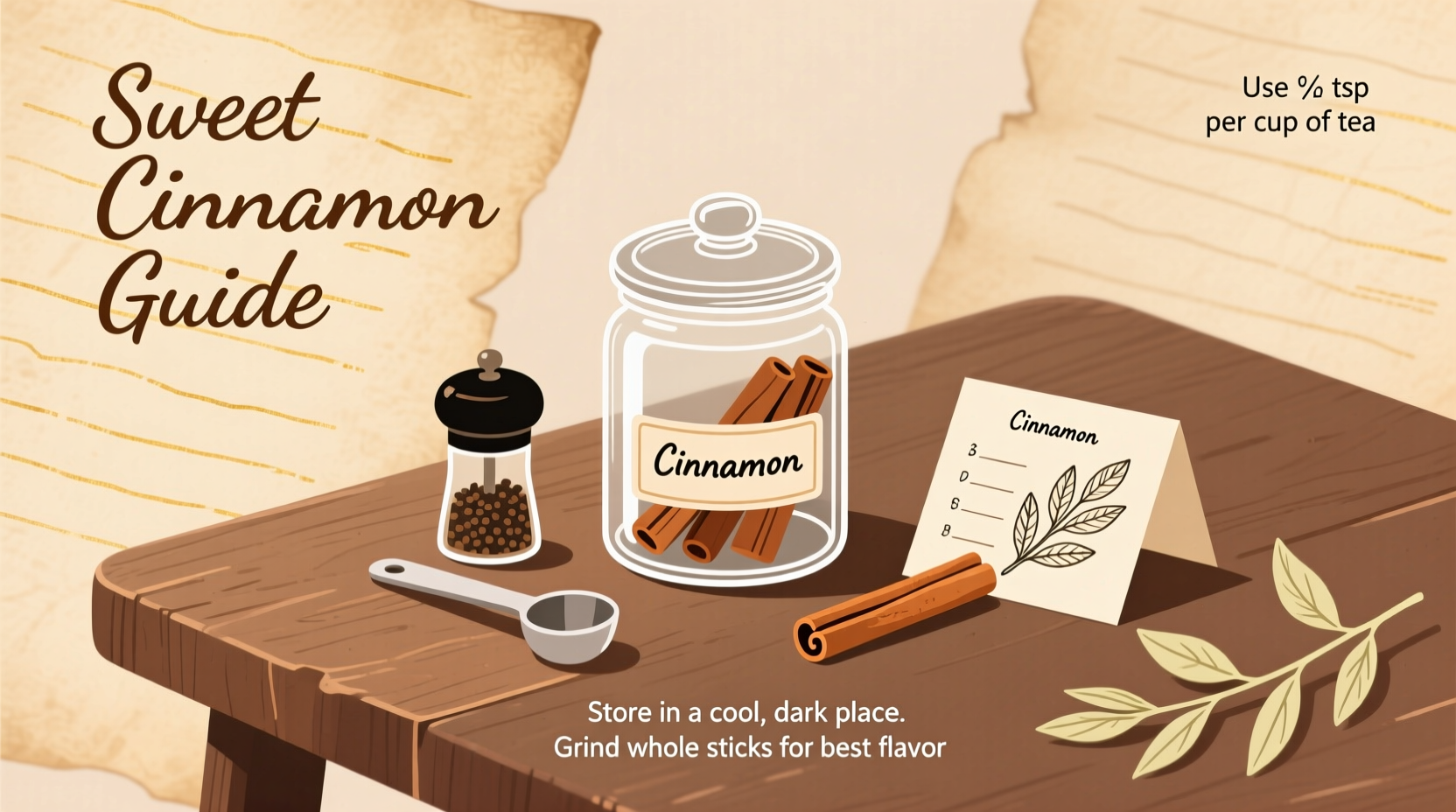
Cinnamon is a spice derived from the inner bark of trees belonging to the Cinnamomum genus. When harvested, the bark curls into quills (commonly known as “sticks” or “cinnamon sticks”) as it dries, or it is ground into fine powder. With origins tracing back over 4,000 years to Sri Lanka and parts of India, cinnamon was once more valuable than gold due to its rarity and preservative qualities. Today, it remains a cornerstone in global cuisines—from Middle Eastern rice dishes to Mexican hot chocolate and American breakfast classics.
The spice carries a complex flavor profile that balances sweetness with subtle notes of clove, citrus, and mild heat. It functions not only as a flavor enhancer but also contributes warmth and depth to dishes. In modern kitchens, cinnamon plays dual roles: as a key ingredient in desserts and baked goods, and increasingly as a component in savory spice blends like garam masala, baharat, and Moroccan ras el hanout.
Key Characteristics
| Attribute | Description |
|---|---|
| Flavor Profile | Warm, sweet, slightly woody with hints of citrus and clove; cassia is stronger and more pungent, Ceylon is delicate and floral. |
| Aroma | Pronounced, sweet-spicy fragrance that intensifies when heated. |
| Form Available | Whole sticks (quills), ground powder, essential oil, extract. |
| Heat Level | Mild warmth; not spicy like chili, but adds perceived heat through aromatic stimulation. |
| Culinary Function | Flavor enhancer, natural sweetener booster, preservative (antimicrobial properties), color contributor (golden hue). |
| Shelf Life (Properly Stored) | Ground: 1–2 years; Whole sticks: 3–4 years. |
| Active Compounds | Cinnamaldehyde (primary compound responsible for flavor and antimicrobial action), eugenol, linalool. |
TIP: Whole cinnamon sticks retain their potency far longer than ground cinnamon. For maximum flavor, buy whole and grind as needed using a microplane or dedicated spice grinder.
Practical Usage: How to Use Cinnamon in Cooking
Cinnamon's versatility extends well beyond cinnamon rolls and oatmeal. Used thoughtfully, it enhances both sweet and savory preparations by adding complexity and balancing sweetness without extra sugar.
Sweet Applications
In desserts, cinnamon amplifies sweetness perception while contributing structure to flavor layers. It pairs exceptionally well with fruits high in natural sugars—apples, pears, bananas, peaches—and dairy-based custards.
- Baking: Add ½ to 1 teaspoon of ground cinnamon per cup of flour in muffins, cakes, or quick breads. Combine with nutmeg, allspice, and cloves for classic spice blends.
- Fruit Compotes: Simmer sliced apples or pears with a cinnamon stick, lemon zest, and a touch of honey for a low-sugar dessert base.
- Doughnuts & Pastries: Roll freshly fried doughnuts in a mix of sugar and cinnamon (typically 4:1 ratio) for instant flavor and texture contrast.
- Rice Pudding: Infuse warm milk with a cinnamon stick before combining with rice; remove stick before serving.
Savory Applications
Chefs in North Africa, the Middle East, and South Asia routinely incorporate cinnamon into meat stews, legume dishes, and vegetable preparations. Its warmth cuts through richness and complements ingredients like lamb, chickpeas, lentils, and tomatoes.
- Tagines: Add one small cinnamon stick to Moroccan chicken or lamb tagine along with preserved lemons and olives.
- Curries: Toast whole cinnamon with cumin seeds and cardamom pods in oil at the start of Indian or Sri Lankan curries to bloom flavors.
- Bean Dishes: Include a broken piece of cinnamon in pots of black beans, lentils, or split peas to deepen flavor and aid digestion.
- Rubs & Marinades: Blend ground cinnamon with smoked paprika, cumin, garlic powder, and salt for a Middle Eastern-inspired dry rub on grilled meats.
Dosage Guidelines
Cinnamon is potent. Overuse leads to bitterness or medicinal aftertaste. Follow these general guidelines:
- For baked goods (per standard recipe): ½ to 1¼ teaspoons ground cinnamon.
- For stovetop dishes (serves 4–6): 1 small stick or ½ teaspoon ground.
- For beverages (chai, coffee, hot cocoa): ¼ to ½ teaspoon ground or 1-inch stick simmered 5+ minutes.
- When substituting Ceylon for cassia: Use 20–30% more Ceylon due to milder flavor.
“Cinnamon should whisper, not shout. It’s there to support, not dominate. Even in apple pie, balance with acidity—lemon juice or tart apples—is essential.” — Chef Amira Hassan, Spice Consultant & Author of *The Warm Pantry*
Variants & Types of Cinnamon
Not all cinnamon is created equal. Two primary types dominate the market, each with distinct characteristics, safety profiles, and best uses.
1. Ceylon Cinnamon (Cinnamomum verum)
Also called “true cinnamon,” Ceylon originates from Sri Lanka and southern India. It features multiple thin, papery layers rolled tightly into a soft quill. The flavor is nuanced—sweet, citrusy, and mildly floral—with significantly lower levels of coumarin, a naturally occurring compound that can be harmful in excess.
- Best For: Delicate desserts, custards, infant foods, daily consumption (e.g., in smoothies or oatmeal).
- Price: Higher due to labor-intensive harvesting.
- ID Tip: Look for multi-layered, light brown sticks that crumble easily when bent.
2. Cassia Cinnamon (Cinnamomum cassia)
Commonly labeled simply as “cinnamon” in supermarkets, cassia comes from China and Indonesia. It forms a single thick, hard quill with a dark reddish-brown color. Flavor is bold, spicy, and slightly bitter—ideal for robust dishes where presence matters.
- Best For: Baking, mulled wine, spice blends, savory stews.
- Caveat: High in coumarin; long-term, high-dose intake may pose liver risks in sensitive individuals.
- ID Tip: Hard, dense sticks that don’t break cleanly; often sold pre-ground.
Other Varieties
- Saigon Cinnamon: A subtype of cassia from Vietnam; highest oil content and strongest flavor. Excellent for baking where punch is desired.
- Korintje Cinnamon: Indonesian cassia; mid-range intensity, widely exported and commonly found in U.S. grocery stores.
| Type | Flavor Intensity | Coumarin Level | Texture | Best Use Case |
|---|---|---|---|---|
| Ceylon | Low–Medium | Very Low | Soft, flaky quills | Daily use, children, refined dishes |
| Cassia (Chinese) | High | High | Hard, solid quills | Baking, spice mixes, occasional use |
| Saigon | Very High | Very High | Dense, brittle | Professional baking, bold recipes |
BUYING TIP: Read labels carefully. If the package says only “cinnamon,” it’s almost certainly cassia. For health-conscious users, seek out “Ceylon” explicitly—often available in health food stores or online spice retailers.
Comparison with Similar Ingredients
Cinnamon is often confused with other warm spices. Understanding distinctions prevents misapplication.
| Spice | Key Differences from Cinnamon | Can Substitute? |
|---|---|---|
| Allspice | Berry-derived; tastes like a blend of cinnamon, nutmeg, and cloves. More complex and peppery. | Limited: Can replace cinnamon in some savory dishes (e.g., jerk seasoning), but not ideal in sweets. |
| Nutmeg | Sharper, earthier, more hallucinogenic in excess. Derived from seed, not bark. | No direct substitute. Often paired with cinnamon, not replaced by it. |
| Pumpkin Pie Spice | Pre-mixed blend containing cinnamon (~80%), plus ginger, nutmeg, allspice, cloves. | Yes, in baking—but reduce quantity by half to avoid overpowering. |
| Cassia Bark (Chinese) | Often mistaken for cinnamon; actually a close relative with stronger, harsher taste. | Yes, but use sparingly. Common in Chinese five-spice powder. |
Unlike synthetic imitations or blended products, pure cinnamon offers a clean, rounded warmth. Always opt for single-origin spice when precision matters.
Practical Tips & FAQs
How Should You Store Cinnamon?
Maximize shelf life and flavor retention with proper storage:
- Container: Airtight glass or metal jar with tight seal; avoid plastic, which can absorb odors and degrade over time.
- Location: Cool, dark cupboard away from stove, oven, or sunlight. Heat and light accelerate volatile oil degradation.
- Humidity: Keep dry. Moisture promotes clumping in ground cinnamon and mold in whole sticks.
- Freezing? Not recommended. Temperature fluctuations cause condensation, leading to spoilage.
How Long Does Cinnamon Last?
Shelf life depends on form and storage conditions:
- Ground cinnamon: 12–18 months at peak quality. After 2 years, flavor diminishes noticeably.
- Whole cinnamon sticks: Up to 3–4 years if stored properly. They lose potency slowly but remain usable.
To test freshness, crush a small piece of stick or sniff the powder. Fresh cinnamon should release a strong, sweet-spicy scent. If faint or musty, replace it.
Is Cinnamon Healthy?
Cinnamon has demonstrated antioxidant, anti-inflammatory, and blood sugar-modulating effects in clinical studies. However:
- Ceylon is preferred for regular consumption due to low coumarin content.
- Cassia should be limited to less than 1 teaspoon per day for adults, especially those with liver conditions.
- Do not rely on cinnamon as a medical treatment without professional guidance.
Can You Substitute Cinnamon?
In a pinch, consider these alternatives:
- For sweetness + warmth: Allspice (use ¾ amount).
- For baking: Pumpkin pie spice (use half the amount).
- For savory dishes: A blend of nutmeg and clove (tiny pinch only).
No substitute fully replicates cinnamon’s unique profile. Buying in bulk and storing correctly avoids last-minute shortages.
What Are the Best Dishes for Cinnamon?
Cinnamon shines in specific applications:
- Apple pie and tarte tatin
- Chai tea and spiced coffee
- French toast and baked oatmeal
- Mexican mole sauces
- Lebanese kibbeh with bulgur and lamb
- Swedish cardamom buns (with complementary spices)
- Indian biryanis and pilafs
Why Does My Cinnamon Taste Bitter?
Bitterness usually stems from:
- Overuse—especially with cassia or Saigon varieties.
- Old or degraded spice—oxidized oils develop off-flavors.
- Burning during cooking—never sauté ground cinnamon directly in oil for more than 30 seconds.
Always add ground cinnamon late in dry mixes or early in liquid-based dishes to allow even dispersion without scorching.
Summary & Key Takeaways
Cinnamon is far more than a seasonal baking staple—it’s a dynamic, globally significant spice with deep culinary roots and practical health considerations. To get the most from it:
- Choose Ceylon for daily use and cassia for bold, occasional applications.
- Store in airtight containers away from heat and light to preserve essential oils.
- Use whole sticks for infusions and grinding fresh powder; they last longer and taste brighter.
- Respect dosage—too much creates bitterness, especially in delicate dishes.
- Explore savory applications in curries, stews, and grain dishes to expand your flavor repertoire.
- Understand coumarin differences between types, particularly for frequent consumption.
Final Thought: Treat cinnamon like wine—there are entry-level bottles and fine vintages. Invest in high-quality, clearly labeled varieties, store them wisely, and use them intentionally. Your palate will notice the difference.




 浙公网安备
33010002000092号
浙公网安备
33010002000092号 浙B2-20120091-4
Comments
No comments yet. Why don't you start the discussion?