
Every holiday season, millions of homes are brightened by the sight of a lush, full artificial Christmas tree. But once the decorations come down, many people face the same frustrating problem: next year, their once-perfect tree emerges from storage with twisted branches, bent tips, and hours of untangling ahead. The good news is that with proper technique and preparation, you can preserve your tree’s shape and appearance for years. This guide reveals proven strategies—backed by storage experts and seasoned decorators—to keep your artificial tree looking showroom-fresh, year after year.
Why Proper Storage Matters for Artificial Trees
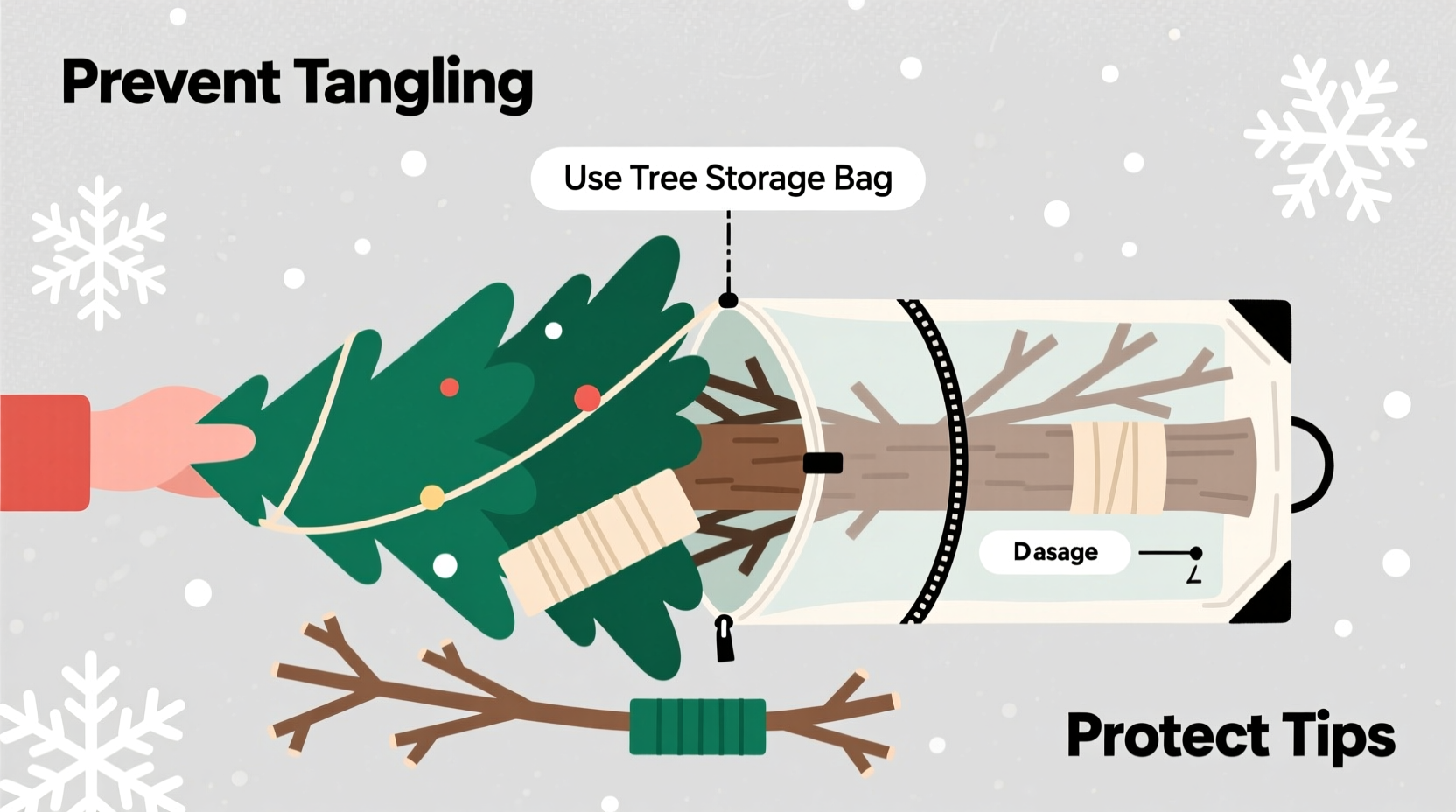
Artificial Christmas trees are an investment. High-quality models can cost hundreds of dollars and are designed to last a decade or more. Yet most damage occurs not during use, but during storage. When branches are crushed, bent, or twisted inside cramped bags or boxes, the internal wiring can break, plastic needles snap, and the overall silhouette becomes distorted. Over time, this leads to gaps, asymmetry, and frustration every holiday season.
The core issue lies in how most people store their trees: tossing them into flimsy storage bags, stuffing them into corners, or leaving them exposed to moisture and temperature swings. These habits accelerate wear. A well-maintained tree, however, should require only minimal shaping each year—not major reconstruction.
“Proper storage isn’t just about space—it’s about preserving structure. A tree stored correctly can look new for 10+ years.” — Laura Simmons, Holiday Decor Specialist & Former Retail Display Designer
Step-by-Step Guide to Storing Your Tree Without Damage
Storing your artificial tree properly takes time upfront but saves hours later. Follow this detailed sequence to protect every branch and tip.
- Disassemble Carefully
Begin by removing all ornaments, lights, and treetop toppers. Work from top to bottom, placing delicate items in protective containers. Avoid yanking lights off in one pull—this can snag branches. - Clean Before Packing
Dust accumulates on branches over the season. Use a microfiber cloth or a handheld vacuum with a brush attachment to gently remove debris. For stubborn dust, lightly wipe with a dry cloth. Never use water or cleaning sprays—moisture promotes mold in storage. - Fold Branches in Reverse Order
Close the tree section by section, starting from the topmost tier and working downward. Most pre-lit trees have hinged branches that fold toward the center pole. Gently guide each layer inward, mimicking the manufacturer’s original folding pattern. Never force branches—if resistance occurs, check for obstructions. - Secure Sections with Soft Ties
Use fabric strips, soft velcro straps, or old scarves to loosely bind each tier. Avoid twist ties or rubber bands—they can cut into branch stems and cause permanent bends. The goal is gentle stabilization, not compression. - Select the Right Storage Container
This is the most critical step. Choose a rigid, cylindrical tree storage bag or box designed specifically for artificial trees. These containers support the tree’s natural shape and prevent crushing. If using a bag, ensure it has thick padding and reinforced seams. - Pack Upright or Horizontally?
For best results, store the tree upright if possible. Vertical storage reduces pressure on lower branches. If space requires horizontal storage, rotate the container 180 degrees every 3–4 months to prevent one side from bearing constant weight. - Label and Store in Ideal Conditions
Mark the container “TOP” and “FRONT” with permanent marker. Store in a cool, dry place—ideally between 50°F and 70°F (10°C–21°C) with low humidity. Avoid attics, garages, or basements unless climate-controlled.
Choosing the Right Storage Solution: Do’s and Don’ts
Not all storage options are created equal. Below is a comparison of common methods and their impact on tree longevity.
| Storage Method | Do’s | Don’ts |
|---|---|---|
| Rigid Tree Storage Tube | Maintains shape, protects from pests, stackable | Bulky; may not fit in small closets |
| Padded Vertical Bag | Easy access, breathable fabric, often includes wheels | Can sag if overloaded; less crush protection than hard cases |
| Cardboard Box | Free or low-cost; customizable size | Easily damaged by moisture; offers no structural support |
| Plastic Bin (Generic) | Durable, stackable, pest-resistant | Rigid edges can pinch branches; poor ventilation |
| Original Manufacturer Box | Perfect fit, includes dividers, labeled sections | Often discarded; takes up space when not in use |
Experts consistently recommend rigid vertical tubes or padded bags with internal supports. These solutions are engineered to cradle the tree’s form and prevent lateral pressure.
A Real Example: How One Family Fixed Their Tree Trouble
The Rivera family had a 7.5-foot pre-lit artificial tree they bought in 2016. By 2020, setting it up took nearly three hours due to mangled branches and flickering lights. Each year, they had stuffed the tree into a thin nylon bag and stored it horizontally under the bed. After two seasons of frustration, they invested in a tall, padded vertical storage bag with handles and internal stabilizers.
That December, they followed a careful folding process, securing each level with soft ties before sliding the tree into the new container. They stored it upright in a closet on a spare shelf. When they retrieved it the following November, the tree unfolded smoothly—branches sprang back into place with minimal adjustment. Setup time dropped to 45 minutes. Now, four years later, the tree still looks full and vibrant.
“We wasted so much time—and almost replaced a perfectly good tree,” said Maria Rivera. “The right bag made all the difference.”
Essential Checklist for Tangle-Free Tree Storage
Follow this checklist every year to ensure your tree stays in top condition:
- ✅ Remove all decorations and lights carefully
- ✅ Dust branches with a dry or microfiber cloth
- ✅ Fold branches section by section, from top to bottom
- ✅ Use soft fabric ties (not wire or rubber bands) to secure layers
- ✅ Place tree into a rigid or padded storage container designed for trees
- ✅ Store upright in a cool, dry, climate-stable location
- ✅ Add a moisture absorber like silica gel
- ✅ Label container with orientation markers (“Top,” “Front”)
- ✅ Inspect annually for pests or mildew
Frequently Asked Questions
Can I store my artificial tree in the garage?
Only if the garage is insulated and climate-controlled. Unheated garages expose trees to extreme temperatures, humidity, and pests—all of which degrade materials over time. Plastic needles become brittle in cold, and metal frames can rust in damp air. If garage storage is unavoidable, elevate the container off the floor and wrap it in a breathable cotton sheet for added protection.
How do I fix bent branch tips?
Gently reshape them by hand, working from base to tip. For stubborn bends, hold the branch under warm (not hot) running water for 10–15 seconds, then slowly bend it back into position. Let it air-dry in the correct shape. Avoid heat tools like hairdryers—they can melt plastic. Prevention through proper storage is far more effective than repair.
Should I leave the lights on my tree during storage?
Yes, if it’s a pre-lit tree. Removing factory-installed lights can damage wires and void warranties. However, inspect lights before storage—replace any broken bulbs and ensure cords are neatly wrapped. Never store a tree with lights that show frayed wires or exposed connections.
Expert Tips for Long-Term Tree Preservation
Beyond basic storage, a few advanced practices can extend your tree’s life even further:
- Rotate the Tree Annually: If storing horizontally, flip the container end-to-end each year. This prevents one side from constantly bearing weight, reducing the risk of permanent deformation.
- Use Internal Supports: Insert pool noodles or foam pipe insulation around the central pole to keep inner branches from collapsing inward.
- Avoid Sunlight Exposure: Even in storage, prolonged UV exposure can fade greenery and weaken plastics. Store away from windows or skylights.
- Check for Pests: Before packing, inspect for spiders, silverfish, or ants. A single infestation can ruin a tree over several months. Consider placing a natural deterrent like cedar chips near—but not touching—the container.
“A tree treated with care during storage will outlast trends and budgets. It’s not just decor—it’s tradition.” — David Tran, Sustainable Holiday Living Advocate
Conclusion: Protect Your Investment and Your Peace of Mind
An artificial Christmas tree should bring joy, not stress. With the right storage approach, you can avoid the annual battle of untangling branches and fixing bent tips. The effort you invest in proper folding, container selection, and environmental control pays off every holiday season with faster setup, better appearance, and lasting value.
Your tree is more than plastic and wire—it’s part of your family’s holiday rhythm. Treat it with the care it deserves, and it will stand proudly in your home for years to come. Start this year’s storage routine today, and make next Christmas the easiest one yet.




 浙公网安备
33010002000092号
浙公网安备
33010002000092号 浙B2-20120091-4
Comments
No comments yet. Why don't you start the discussion?