
Bread is a staple in most households, yet keeping it fresh beyond a day or two often leads to reliance on plastic wrap—a material increasingly scrutinized for its environmental impact. While plastic may seem like the easiest solution to prevent staleness or mold, it’s far from the only option. With smarter storage techniques, you can preserve your bread’s texture, flavor, and shelf life without sealing it in synthetic film. Whether you bake at home or buy from local bakeries, these proven methods offer sustainable, practical alternatives that maintain quality while reducing waste.
The Science Behind Bread Staling and Mold Growth
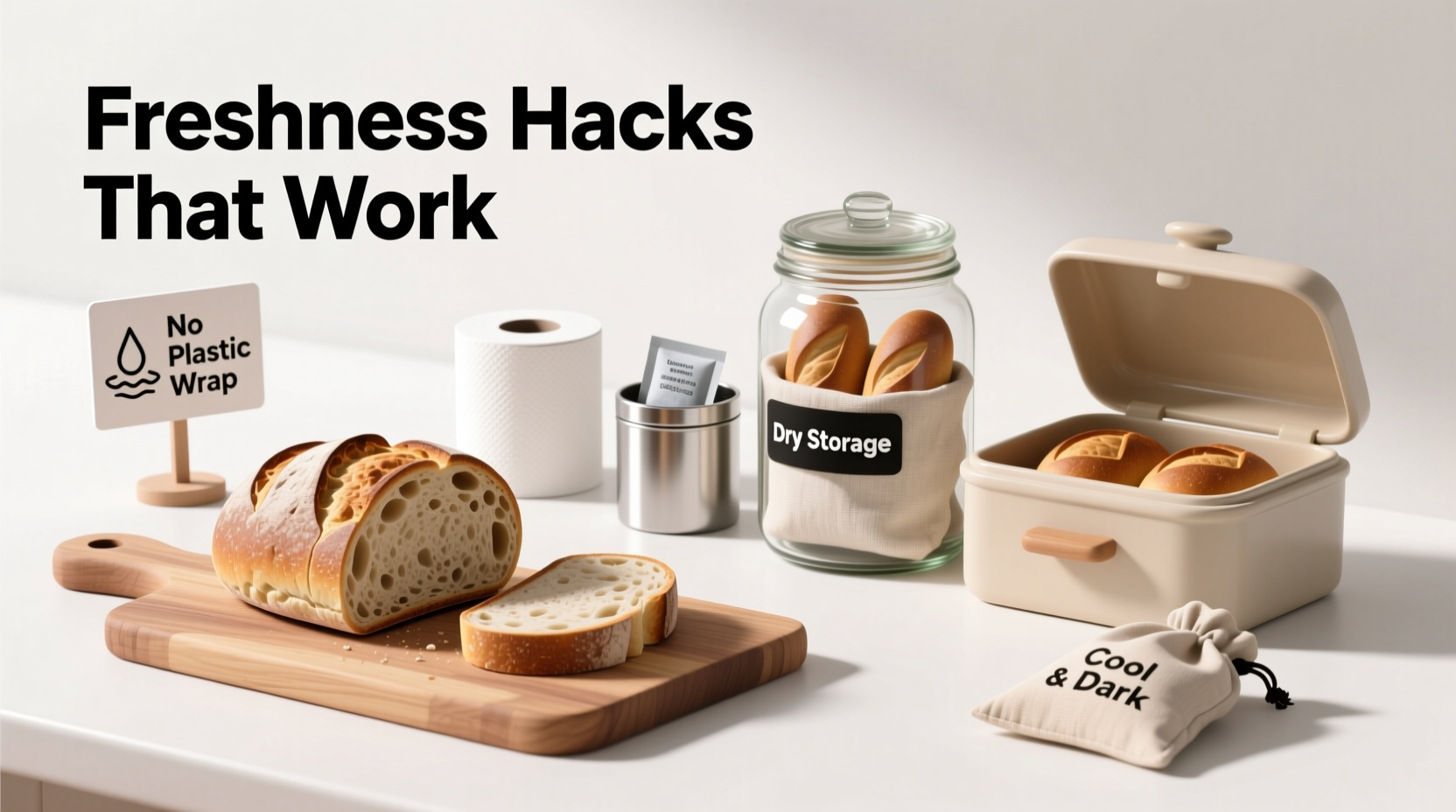
Bread doesn’t “go bad” in the same way perishable proteins do, but its quality deteriorates through two main processes: staling and microbial spoilage. Staling—often mistaken for drying out—is primarily due to starch retrogradation, a chemical process where moisture migrates from starch molecules into the surrounding air or crust, causing firmness. This happens fastest at refrigerator temperatures, contrary to popular belief.
Mold growth, on the other hand, thrives in warm, humid environments with limited airflow. Sealing bread in plastic can trap moisture against the crust, creating an ideal breeding ground for fungi. The key to long-lasting freshness lies in balancing moisture retention with breathability—something traditional plastic fails to achieve sustainably.
“Bread stored in non-breathable materials often molds faster because condensation builds up inside. A porous, absorbent container regulates humidity naturally.” — Dr. Lena Torres, Food Preservation Scientist, University of Vermont
Best Non-Plastic Storage Solutions That Work
Replacing plastic doesn’t mean sacrificing freshness. Several household items and specialty products allow bread to stay soft on the inside while maintaining a crisp crust when desired. Below are the most effective options backed by both tradition and modern testing.
Cloth Bread Bags (Cotton or Linen)
Well-made cloth bread bags made from tightly woven cotton or linen provide gentle protection while allowing slight airflow. They absorb excess surface moisture without drawing water from the crumb, helping prevent mold. For best results, choose unbleached, washable bags lined with food-safe beeswax coating if extra moisture resistance is needed.
Ceramic Bread Keepers
These glazed ceramic containers act as micro-environments. Their weight stabilizes temperature, while the slightly porous nature of the clay helps regulate internal humidity. The lid fits snugly but isn’t airtight, allowing carbon dioxide (from ongoing fermentation in sourdough) to escape while blocking dust and pests.
Place the keeper on a cool countertop away from sunlight. Avoid storing near stoves or dishwashers, where heat and steam fluctuate.
Repurposed Wooden Bread Boxes
Vintage-style wooden bread boxes aren’t just decorative—they’re functional. Most feature louvered sides that promote passive ventilation, preventing moisture accumulation. Line the bottom with parchment paper or a breathable cloth liner to catch crumbs and absorb minor dampness.
Modern versions often include removable trays for easy cleaning. If using an older box, sand and treat the interior with food-grade mineral oil every few months to preserve wood integrity.
Beeswax Wraps for Short-Term Use
For half-loaves or sliced portions, reusable beeswax wraps offer a flexible, compostable alternative. Made from cotton infused with beeswax, tree resin, and jojoba oil, they form a light seal around bread without suffocating it.
Note: These aren't fully waterproof and shouldn’t be used for wet doughs or humid climates unless combined with another method. Best suited for 1–3 days of room-temperature storage.
Step-by-Step Guide: How to Store Bread Without Plastic Wrap
Follow this timeline-based approach to maximize freshness across different types of bread.
- Day 0 – After Purchase or Baking: Let the loaf cool completely (at least 2 hours). Cutting into warm bread releases trapped steam, accelerating mold formation once wrapped.
- Day 0 – Initial Wrapping: Place cooled bread directly into a clean linen bag or ceramic keeper. Do not fold or crush; position cut-side down if pre-sliced.
- Days 1–3 – Daily Handling: Each time you slice, reseal the container quickly. Minimize exposure to kitchen humidity and direct airflow from vents.
- Day 4+ – Evaluate Condition: Check for signs of soft spots or off odors. If still good, transfer any remaining slices to the freezer for long-term use.
- Freezing Option: Slice before freezing. Wrap portions in parchment, then place in reusable silicone bags or metal tins. Thaw slices individually at room temperature or toast straight from frozen.
Do’s and Don’ts of Plastic-Free Bread Storage
| Do’s | Don’ts |
|---|---|
| Store bread at room temperature in a dark, dry place | Refrigerate bread (accelerates staling) |
| Use breathable containers like linen bags or wood boxes | Seal bread in airtight plastic or ziplock bags |
| Cut bread as needed—not all at once—to reduce exposed surface area | Slice entire loaf immediately after cooling |
| Freeze surplus loaves within 48 hours of baking | Leave bread near windows or above appliances generating heat |
| Rotate stock—use older loaves first | Stack multiple uncovered loaves together (traps moisture) |
Real-Life Example: A Zero-Waste Baker’s Routine
Sophie Nguyen runs a small sourdough operation from her Portland kitchen, selling weekly to neighbors via a pickup system. She stopped using plastic two years ago after noticing increased mold in loaves customers reported—even those stored properly.
She now uses custom-sized organic cotton bread bags labeled with care instructions. Her customers receive a simple card: “Keep in this bag on your counter. Cut as needed. Freeze extras by Day 3.”
Within weeks, feedback improved dramatically. One customer wrote: “I’ve never had sourdough last this long without going stale or fuzzy. I even forgot one for five days and it was still perfect toasted.” Sophie attributes the success not just to the bag, but to educating buyers about proper handling.
Her takeaway? “The container matters, yes—but so does how people interact with their bread daily. Small habits make the biggest difference.”
Expert-Backed Tips for Extending Freshness Naturally
Preserving bread without plastic requires understanding its lifecycle. Here are science-informed strategies professionals use:
- Position matters: Always store bread cut-side down on a cutting board or inside a container. This reduces air contact with the moist interior, slowing moisture loss.
- Avoid stacking: Never pile books, fruit, or dishes on top of stored bread. Compression damages structure and increases surface-to-air exposure.
- Control ambient humidity: In tropical climates, add a food-safe desiccant packet (like those found in seaweed snacks) inside wooden boxes to absorb excess moisture—just keep it separate from direct food contact.
- Revive stale bread: Lightly mist the crust with water and warm in a 350°F oven for 5–7 minutes. The steam re-gelatinizes starches temporarily restoring softness.
FAQ: Common Questions About Plastic-Free Bread Storage
Can I use paper bags instead of plastic?
Paper bags are better than plastic for short-term storage (1–2 days), especially kraft or butcher paper which allows some airflow. However, they offer minimal moisture protection and degrade quickly if touched with wet hands. Best paired with a bread box or used en route from bakery to home.
How long does bread really last without plastic?
At room temperature, most artisan breads stay fresh 4–5 days using breathable storage. Sliced sandwich loaves may last 3–4 days. Freezing extends usability to 3 months with minimal quality loss. Refrigeration is not recommended—it dries bread out in 1–2 days.
What if I live in a very humid climate?
In high-humidity areas, prioritize containers with passive ventilation like wooden boxes or ceramic jars with gaps. You can also place a small piece of sugar cube or dry rice grain inside the storage vessel to absorb ambient moisture—replace every 24 hours. Avoid cloth bags unless washed frequently.
Checklist: Your Plastic-Free Bread Storage Plan
Use this actionable checklist to transition smoothly to sustainable bread care:
- ☐ Cool bread fully before storing
- ☐ Invest in one high-quality linen or cotton bread bag
- ☐ Designate a dry, dark spot on your countertop or pantry shelf
- ☐ Buy a ceramic or ventilated wooden bread box (optional but effective)
- ☐ Pre-slice and freeze half the loaf if you won’t eat it within 3 days
- ☐ Label frozen portions with dates for rotation
- ☐ Clean storage containers monthly with vinegar-water solution and air dry
- ☐ Educate household members on proper slicing and sealing habits
Conclusion: Freshness Without the Waste
Ditching plastic wrap for bread storage isn’t just an eco-conscious choice—it’s a smarter way to enjoy better-tasting, longer-lasting loaves. By aligning with bread’s natural chemistry and using time-tested materials like linen, wood, and ceramic, you gain control over freshness without contributing to landfill pollution. These methods have sustained generations before the age of single-use plastics, and they remain effective today with slight modern refinements.
Start with one change: swap your next plastic-wrapped loaf into a breathable bag or box. Observe how the texture holds up over days. Share what works with others. Every small shift adds up—not just for your pantry, but for the planet.




 浙公网安备
33010002000092号
浙公网安备
33010002000092号 浙B2-20120091-4
Comments
No comments yet. Why don't you start the discussion?