
Bread is a staple in most households, yet the common practice of wrapping it in plastic cling film contributes significantly to single-use waste. Beyond environmental concerns, plastic can trap moisture and accelerate mold growth or make crusts soggy. Fortunately, there are effective, planet-friendly alternatives that preserve freshness while reducing reliance on synthetic materials. By shifting to sustainable storage methods, you not only cut down on plastic pollution but also enhance the quality and shelf life of your bread.
This guide explores practical, time-tested techniques for storing bread without plastic wrap. From breathable cloth bags to ceramic domes and beeswax wraps, each method supports both food preservation and environmental responsibility. Whether you bake at home or buy from local bakeries, these solutions integrate seamlessly into daily routines while aligning with zero-waste lifestyles.
The Problem with Plastic Wrap
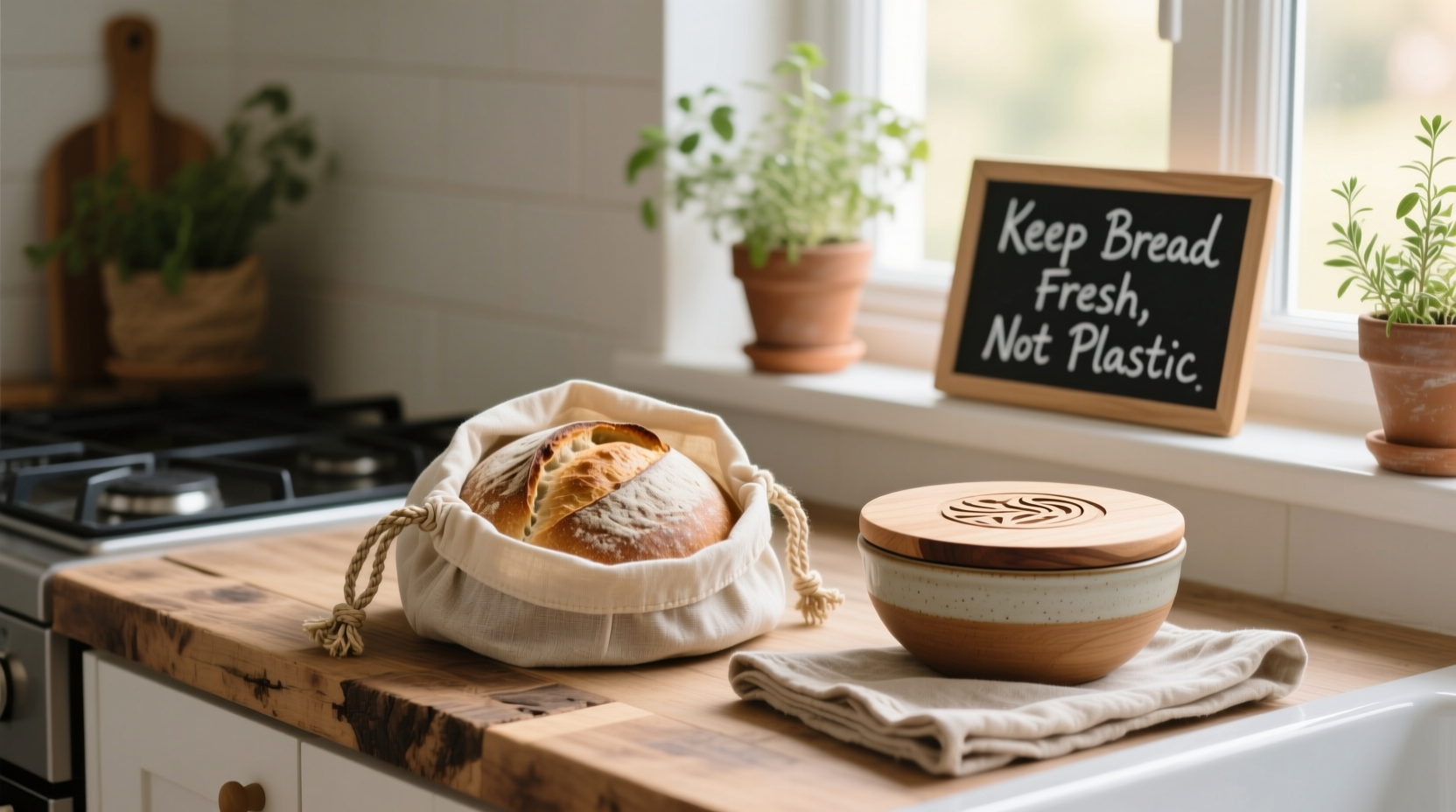
Plastic wrap has long been used to keep bread soft and prevent drying. However, its drawbacks are increasingly evident. Most plastic films are made from polyvinyl chloride (PVC) or low-density polyethylene (LDPE), which are derived from fossil fuels and rarely recycled effectively. Even when collected, contamination from food residue often renders them unrecyclable.
Additionally, plastic creates a non-breathable environment. While this may seem beneficial, it actually promotes condensation inside the wrap, leading to uneven moisture distribution. This encourages mold development—especially in warm kitchens—and can degrade texture over time. The lack of airflow suffocates artisan loaves that thrive on controlled humidity and breathability.
“Bread needs to breathe just like we do. Sealing it in plastic is like putting it in a sweatbox—it traps moisture, speeds up spoilage, and dulls flavor.” — Dr. Lena Torres, Food Scientist & Fermentation Specialist
Sustainable Alternatives to Plastic Wrap
Thankfully, numerous eco-conscious replacements offer superior performance. These materials allow controlled airflow, maintain optimal moisture levels, and are reusable for months or even years with proper care.
Cloth Bread Bags (Linen or Cotton)
Woven from natural fibers like unbleached cotton or European flax linen, cloth bread bags are one of the most accessible plastic-free options. Their tight weave helps retain moisture while permitting excess vapor to escape, preserving crust integrity and crumb softness.
Linen, in particular, is naturally antimicrobial and durable. A well-made linen bag can last 3–5 years with regular washing. Many feature drawstrings or fold-over tops to keep dust out while allowing ventilation.
Beeswax Wraps
These reusable wraps combine cotton fabric coated with beeswax, tree resin, and jojoba oil. They mold to the shape of a loaf when warmed by hand and create a light seal that protects against air exposure without fully sealing.
Best suited for short-term storage (2–4 days), beeswax wraps work well for sandwich breads or rolls. Avoid using them with hot items or in direct sunlight, as heat causes the wax to melt. Hand wash gently with cool water and mild soap; never machine wash.
Stoneware or Ceramic Bread Crocks
A classic choice among bakers, ceramic crocks regulate humidity through their porous walls. When paired with a wooden cutting board as a lid, they create a microclimate ideal for sourdough and rustic loaves.
The clay absorbs excess moisture during humid conditions and releases it slowly in dry environments, preventing both sogginess and staleness. Place the crock on the counter away from direct sunlight for best results.
Wooden Bread Boxes
Traditionally used in European kitchens, wooden bread boxes provide moderate airflow through small gaps or mesh panels. Solid hardwood models with linings like tin or enamel resist moisture absorption and inhibit bacterial growth.
Choose unfinished or food-safe finished wood to avoid off-gassing chemicals. Regular wiping with vinegar water keeps the interior clean and fresh.
Reusable Silicone Lids and Covers
For those who prefer a sealed environment without plastic film, stretchable silicone lids fit over bowls or plates covering cut loaves. Though not biodegradable, high-quality silicone lasts decades and is recyclable through specialized programs.
Use them in combination with parchment paper to prevent sticking and add a layer of breathability.
Comparison of Sustainable Bread Storage Methods
| Method | Best For | Shelf Life | Care Instructions |
|---|---|---|---|
| Linen Bread Bag | Artisan loaves, sourdough, baguettes | 3–5 days | Air dry between uses; machine wash monthly |
| Beeswax Wrap | Sandwich bread, rolls, buns | 2–4 days | Hand wash with cool water; replace every 6–12 months |
| Ceramic Crock | Crusty sourdough, country loaves | 4–7 days | Wipe interior weekly; avoid soaking |
| Wooden Bread Box | Multiple loaves, mixed types | 3–6 days | Dust regularly; deep clean monthly with vinegar |
| Silicone Cover + Bowl | Pre-sliced bread, half-loaves | 3–5 days | Dishwasher safe; inspect for wear annually |
Step-by-Step Guide to Storing Bread Sustainably
Adopting plastic-free bread storage doesn’t require drastic changes. Follow this simple process to transition smoothly:
- Assess Your Bread Type: Determine whether you typically consume crusty artisan loaves, soft sandwich bread, or pre-sliced varieties. Each responds differently to storage methods.
- Choose the Right Container: Match your bread type to the appropriate alternative—linen bags for crusty bread, beeswax wraps for smaller portions, or crocks for sourdough.
- Prepare the Storage Item: Wash new cloth bags or wipe down ceramic/wooden containers before first use. Ensure all components are completely dry.
- Store at Room Temperature: Keep bread outside the refrigerator unless freezing. Cold temperatures accelerate staling due to starch retrogradation.
- Allow Space for Airflow: Do not compress loaves tightly. Leave room around the sides, especially in enclosed boxes or crocks.
- Rotate Stock: Use older bread first. Mark purchase or bake dates on labels if needed.
- Maintain Cleanliness: Regularly clean storage tools to prevent mold spores or lingering odors from affecting future loaves.
Real-Life Example: A Zero-Waste Baker’s Routine
Sophie Rivera, a home baker from Portland, Oregon, eliminated plastic from her kitchen two years ago after learning about microplastic leaching into food. She now bakes sourdough weekly and stores it using a combination of methods.
She keeps her full boule in a handmade stoneware crock on the counter, slices as needed, and places cut pieces cut-side down to minimize exposure. Leftover rolls go into a linen bag lined with a scrap of muslin. For gift loaves, she uses beeswax wraps printed with botanical designs.
“I was skeptical at first,” Sophie says, “but my bread actually stays fresher longer. No more slimy plastic or surprise mold. Plus, my kitchen feels lighter—less clutter, less guilt.”
Her system reduced her household’s plastic consumption by an estimated 1.5 pounds per month, primarily from discarded wrappers and packaging.
Common Mistakes to Avoid
- Refrigerating bread unnecessarily: Refrigeration dries out the crumb and speeds up staling. Only freeze bread if not consuming within a week.
- Using damp cloths or bags: Moisture breeds mold. Always ensure fabric-based storage is fully dry before reuse.
- Overcrowding containers: Packing multiple loaves too closely restricts airflow and increases humidity buildup.
- Ignoring seasonal adjustments: In summer, increase ventilation; in winter, protect bread from overheated rooms near radiators.
- Skipping cleaning: Residual crumbs attract pests and harbor bacteria. Clean containers every 7–10 days.
Frequently Asked Questions
Can I freeze bread without plastic?
Yes. Wrap cooled loaves in beeswax-coated cotton, unbleached parchment paper, or reusable silicone bags before freezing. Thaw at room temperature still wrapped to prevent condensation.
How do I stop mice or insects from getting into cloth bags?
Store bread in sealed wooden boxes or ceramic crocks if pests are a concern. Alternatively, hang linen bags in cabinets with tight-fitting doors. Avoid leaving bread exposed overnight.
Are beeswax wraps vegan?
Traditional beeswax wraps contain beeswax and are not vegan. However, plant-based alternatives made with candelilla wax, soy wax, or pine resin are available and perform similarly.
Checklist: Transitioning to Plastic-Free Bread Storage
- ☐ Identify your most commonly used bread type
- ☐ Select 1–2 sustainable storage methods based on usage
- ☐ Purchase or make reusable containers (e.g., linen bag, ceramic crock)
- ☐ Label storage items clearly if sharing with family members
- ☐ Set a reminder to clean storage tools monthly
- ☐ Begin phasing out plastic wrap—use remaining rolls only for non-food purposes
- ☐ Share your experience with friends or online communities to inspire others
Final Thoughts and Call to Action
Ditching plastic wrap for bread isn’t just an environmental win—it enhances how bread tastes and feels. Natural materials support the delicate balance of moisture and airflow that preserves texture and flavor far better than synthetic films ever could.
Every small shift counts. Whether you start with a single linen bag or overhaul your entire pantry, you’re contributing to a larger movement toward mindful consumption. Sustainability isn’t about perfection; it’s about consistent, conscious choices.




 浙公网安备
33010002000092号
浙公网安备
33010002000092号 浙B2-20120091-4
Comments
No comments yet. Why don't you start the discussion?