
Preserving the vibrant flavor and firm texture of fresh ginger root begins the moment it enters your kitchen. Too often, this aromatic rhizome is tossed into a crisper drawer and forgotten—only to reappear weeks later as a shriveled, moldy remnant. Yet when stored correctly, fresh ginger can retain its pungency, juiciness, and culinary versatility for weeks or even months. Understanding the science of moisture control, air exposure, and temperature stability transforms how you handle this essential ingredient. Whether you're grating it into stir-fries, steeping it into tea, or pickling it for sushi, proper storage ensures that every use delivers maximum impact. This guide details the most effective techniques for preserving fresh ginger across multiple environments—from countertop short-term holding to long-term freezer preservation—all backed by food science and professional kitchen practices.
Definition & Overview
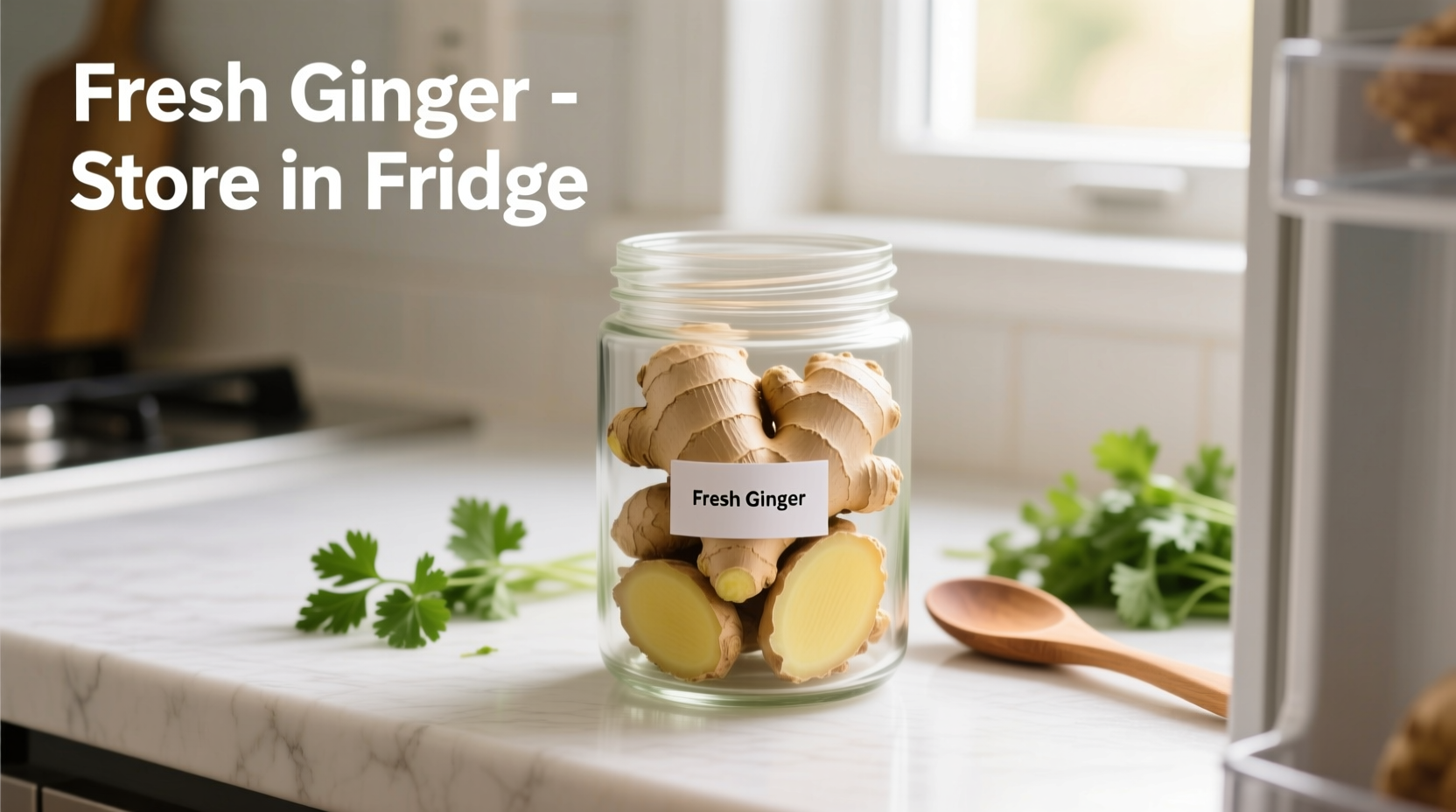
Ginger (Zingiber officinale) is a flowering plant whose rhizome (underground stem) is widely used as a spice and traditional remedy. Native to Southeast Asia, ginger has been cultivated for over 3,000 years and is now grown in tropical regions worldwide, including India, Nigeria, China, and Jamaica. Unlike roots, rhizomes grow horizontally beneath the soil and serve as storage organs for the plant, which explains their dense, fibrous structure and concentrated flavor compounds.
In culinary applications, fresh ginger is prized for its warm, spicy-sweet aroma and sharp, citrusy heat. It plays a foundational role in global cuisines: in Indian curries, Thai soups, Japanese gari (pickled ginger), Middle Eastern spice blends, Caribbean jerk marinades, and Western baked goods like gingerbread. The fresh form offers a brightness and complexity that dried ground ginger cannot replicate, making proper storage critical to maintaining its unique sensory profile.
Key Characteristics of Fresh Ginger
| Characteristic | Description |
|---|---|
| Flavor Profile | Spicy, warm, slightly sweet with citrus and pine notes; becomes sharper when raw, mellower when cooked. |
| Aroma | Pungent, earthy, zesty; releases volatile oils (especially gingerol) when cut or grated. |
| Texture | Firm and fibrous when fresh; softens with age or improper storage. |
| Color | Outer skin ranges from pale beige to light brown; flesh is creamy ivory to pale yellow. |
| Heat Level | Moderate to high (non-capsaicin heat); intensity varies by variety and freshness. |
| Culinary Function | Aromatic base, digestive aid, natural preservative, anti-inflammatory agent in broths and sauces. |
| Shelf Life (Unstored) | 3–7 days at room temperature; up to 3 weeks refrigerated; 6+ months frozen. |
Practical Usage: How to Use Fresh Ginger in Cooking
The way ginger is prepared and incorporated into dishes depends on the desired intensity and texture. Because its active compounds are oil-soluble and heat-sensitive, technique matters as much as quantity.
To maximize flavor extraction, grate or mince ginger finely when adding to marinades, dressings, or sautés. A microplane yields the finest texture, releasing more juice and surface area for infusion. For soups, stews, and teas, thick slices or smashed chunks infuse slowly and can be removed before serving. In stir-fries, julienne or thin coins add both flavor and bite.
Professional kitchens often prepare ginger in bulk and store it using method-specific protocols. For example, Chinese chefs may keep peeled, water-submerged ginger in the refrigerator for quick access during service, while pastry kitchens freeze pre-grated portions for consistent dosing in doughs and syrups.
When measuring ginger, consider these standard conversions:
- 1 teaspoon freshly grated ginger ≈ ¼ ounce (7 grams)
- 1 inch of ginger (peeled) ≈ 1 tablespoon grated
- 1 average knob (3–4 inches long) ≈ ¼ cup grated
Pair ginger thoughtfully with complementary ingredients. It enhances citrus, garlic, scallions, soy sauce, honey, turmeric, and chilies in savory dishes. In sweets, it harmonizes with molasses, brown sugar, cinnamon, nutmeg, and lemon. Avoid pairing with delicate seafood unless used sparingly, as its potency can overpower mild flavors.
Pro Tip: Freeze ginger whole, then grate it directly from frozen. The fibers break down more easily when frozen, allowing you to extract fine shreds without peeling. Any unused portion returns seamlessly to the freezer.
Variants & Types of Ginger
While all edible ginger comes from Zingiber officinale, several forms exist based on harvest time, processing, and regional cultivation. Each variant serves distinct culinary purposes and requires different storage approaches.
1. Mature (Common) Ginger
The most widely available type in supermarkets, mature ginger has thick, papery skin and dense, fibrous flesh. It’s harvested after 8–10 months and excels in cooked applications like braises, roasts, and baked goods. Its lower moisture content makes it ideal for long-term storage but less suitable for eating raw.
2. Young (Spring or Baby) Ginger
Harvested early (5–6 months), young ginger has thin, translucent skin and tender, juicy flesh. It’s often pink-tipped and can be eaten whole, sliced into salads, or pickled. Due to its high water content and delicate texture, it spoils faster and should be used within a week unless preserved.
3. Preserved Ginger
Often sold in syrup, this form is candied and sweetened. Common in desserts and cocktails, it doesn’t require refrigeration until opened. Once opened, store in the refrigerator and use within 6 months.
4. Dried & Ground Ginger
Dehydrated and milled, this powdered form is more concentrated but lacks the bright, volatile top notes of fresh ginger. Use approximately ¼ teaspoon ground ginger for every tablespoon of fresh. Store in an airtight container away from light and heat; retains potency for 2–3 years.
5. Frozen Ginger
Either pre-peeled and chopped or whole, frozen ginger maintains enzymatic activity and flavor integrity. Ideal for grating directly into dishes. Thaw only if slicing or dicing is required.
| Type | Best Used For | Storage Method | Shelf Life |
|---|---|---|---|
| Mature Fresh | Savory cooking, grating, juicing | Refrigerator (wrapped), freezer (whole/chopped) | 3 weeks (fridge), 6+ months (frozen) |
| Young/Baby | Pickling, raw garnish, salads | Refrigerator in damp cloth or sealed container | 5–7 days |
| Ground/Dried | Baking, spice blends, dry rubs | Airtight jar, cool dark place | 2–3 years |
| Candied/Preserved | Desserts, glazes, cheese boards | Pantry (unopened), fridge (opened) | 1 year (unopened), 6 months (opened) |
| Frozen (raw) | Grating into soups, sauces, smoothies | Sealed bag or container in freezer | 6–12 months |
Comparison with Similar Ingredients
Ginger is frequently confused with other pungent rhizomes and spices due to overlapping uses and appearance. Understanding the differences ensures accurate substitution and prevents flavor imbalances.
| Ingredient | Difference from Ginger | Substitution Advice |
|---|---|---|
| Galangal | Harder texture, sharper, more medicinal; common in Thai tom yum soup. | Not interchangeable; use only in recipes specifically calling for galangal. |
| Turmeric | Bitter, earthy, deeply pigmented yellow; contains curcumin, not gingerol. | Adds color and mild warmth but lacks ginger’s zing. Combine with black pepper for bioavailability. |
| Horseradish | Heat rises quickly and fades fast; sinus-clearing punch from allyl isothiocyanate. | Use in creamy sauces or condiments; does not mimic ginger’s lingering warmth. |
| Cardamom (green) | Floral, eucalyptus-like; seed pod vs. rhizome. | Complements ginger in chai but cannot replace it. |
\"In Thai cuisine, we never substitute ginger for galangal—even in emergency. The flavor architecture collapses.\" — Chef Niran Niyomkul, James Beard-nominated Thai chef
Practical Tips & FAQs
Should I wash ginger before storing?
No. Washing adds surface moisture, accelerating mold growth. Only rinse or scrub ginger immediately before use. If purchased with soil residue, gently brush off excess dirt and let air-dry before storage.
Do I need to peel ginger before storing?
No. The skin acts as a protective barrier. Peel only before use. If freezing, leave unpeeled—grate directly through the skin, which remains in the grater while the flesh passes through.
Can I store ginger at room temperature?
Only for very short periods (1–3 days). Room temperature encourages sprouting, dehydration, and microbial growth, especially in humid climates. Whole, undamaged knobs may last up to a week in a cool, dark, dry pantry—but refrigeration is strongly advised for longevity.
What is the best way to store fresh ginger in the refrigerator?
Wrap unpeeled ginger tightly in a paper towel, then place inside an airtight container or resealable plastic bag. Store in the crisper drawer. The paper towel absorbs excess moisture, while the seal limits oxygen exposure. Replace the paper towel if damp.
Alternatively, submerge peeled ginger in a jar of dry sherry or neutral spirit (like vodka) and refrigerate. Alcohol inhibits bacterial growth and preserves texture for up to 3 months. Use infused liquid in sauces or cocktails.
How do I freeze ginger?
Freezing is one of the most effective long-term solutions. Follow these steps:
- Leave ginger unpeeled and whole, or cut into 1–2 inch chunks.
- Place in a heavy-duty freezer bag or vacuum-sealable pouch.
- Remove as much air as possible and seal.
- Label with date and freeze for up to 12 months.
When needed, remove a piece and grate directly with a metal rasp. No thawing required. For sliced use, partially thaw and slice with a sharp knife.
How can I tell if ginger has gone bad?
Discard ginger if it exhibits any of the following:
- Soft, mushy spots or overall sponginess
- Visible mold (white, green, or black fuzz)
- Dark rings when sliced (sign of internal rot)
- Foul or fermented odor
Minor wrinkling is acceptable and does not indicate spoilage—simply trim dry ends. However, if more than 30% of the knob is shriveled, flavor will be diminished.
Can I revive dried-out ginger?
Slightly dehydrated ginger can be rehydrated in warm water or broth for 10–15 minutes before use in stews or compotes. However, texture and aroma will not fully return. Best reserved for simmered dishes where moisture is abundant.
Is sprouted ginger safe to eat?
Unlike potatoes, sprouted ginger is not toxic. The sprouts are fibrous and lack flavor but won't harm you. Trim them off and use the remaining flesh if firm and odorless. However, sprouting indicates aging and moisture loss—flavor will be weaker.
How do restaurants store large quantities of ginger?
High-volume kitchens often adopt a hybrid system:
- Whole, unpeeled ginger is kept in walk-in refrigerators in perforated bins lined with absorbent paper.
- Peeled and grated ginger is mixed with a small amount of neutral oil or lemon juice and stored in sanitized jars for 5–7 days.
- Excess is blanched briefly, cooled, and frozen in portioned trays for sauces and soups.
Home Hack: Store a small piece of ginger in a labeled spice jar in your freezer. Label it “For Grating” so household members don’t mistake it for waste. Retrieve only when needed.
Summary & Key Takeaways
Storing fresh ginger properly extends its usability, preserves its bold flavor, and reduces kitchen waste. The optimal method depends on how soon you plan to use it and your cooking habits.
- For immediate use (1–3 days): Keep whole, unpeeled ginger on the counter in a cool, dry spot.
- For medium-term storage (up to 3 weeks): Wrap in a paper towel and refrigerate in an airtight container.
- For long-term preservation (months): Freeze whole or chopped—no prep needed. Grate directly from frozen.
- For young ginger: Treat delicately; use within a week and store in a sealed container with a damp cloth.
- Never wash before storage—moisture promotes decay.
- Peel only before use—the skin protects the flesh.
Understanding the biology of ginger—as a living rhizome sensitive to humidity, air, and temperature—empowers smarter decisions in the kitchen. By applying these storage principles, home cooks can ensure that ginger remains a reliable, vibrant tool in their culinary arsenal, ready to elevate everything from morning tea to complex curries.
Start today: Check your current ginger supply. If it's soft or moldy, discard it. Invest in a small airtight container or freezer bag, and implement one of the recommended storage systems. Your future self—and your recipes—will thank you.




 浙公网安备
33010002000092号
浙公网安备
33010002000092号 浙B2-20120091-4
Comments
No comments yet. Why don't you start the discussion?