
Fresh herbs elevate the flavor of almost any dish. A sprig of basil can transform a tomato sauce; a few cilantro leaves brighten a taco; thyme or rosemary add depth to roasted vegetables. Yet, too often, these vibrant greens wilt within days—sometimes hours—of being brought home. The frustration is real: you spend good money on fragrant bunches only to toss them out by midweek. But this doesn’t have to be the norm. With the right storage techniques, most fresh herbs can stay crisp, aromatic, and usable for up to two weeks or longer. The key lies in understanding their botanical nature and tailoring your approach accordingly.
Herbs are not all created equal. Some thrive like cut flowers, others prefer dry, cool conditions like leafy greens, and a few do best when preserved in oil or frozen. Treating them as interchangeable leads to premature spoilage. By learning how to categorize and care for different herb types, you’ll waste less, cook more, and enjoy peak flavor every time.
Understanding Herb Types: Why One Method Doesn’t Fit All
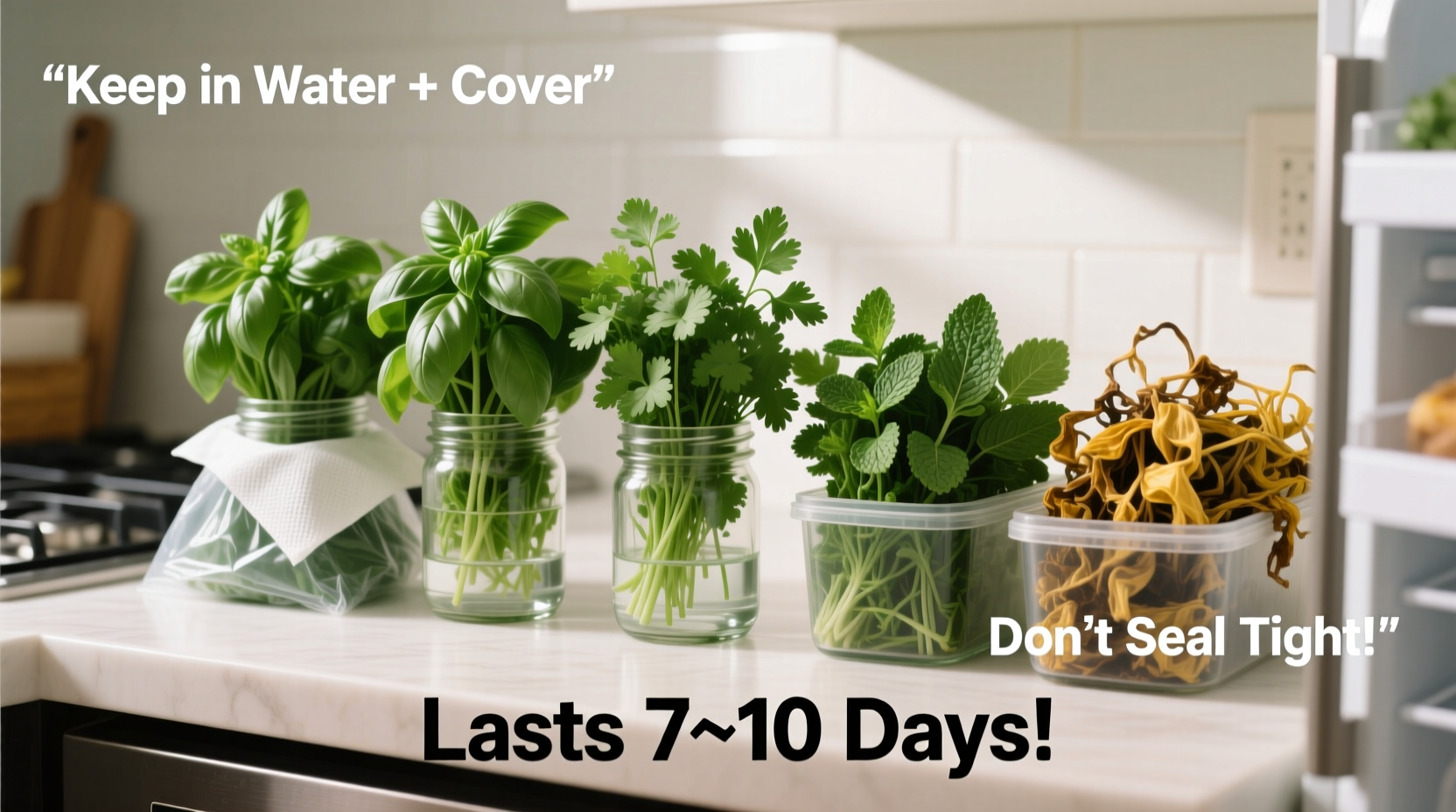
Before diving into storage solutions, it’s essential to recognize that herbs fall into distinct categories based on their structure and moisture needs. This classification determines whether they should be treated like flowers, greens, or something entirely different.
- Tender-stemmed herbs — such as basil, cilantro, parsley, dill, and mint — have soft stems and high water content. These benefit from being stored upright in water, mimicking a bouquet.
- Woody-stemmed herbs — including rosemary, thyme, oregano, and sage — have firmer stems and lower moisture levels. They fare better wrapped in a slightly damp cloth and kept in the crisper drawer.
- Delicate leafy herbs — like chives, tarragon, and lemon balm — are sensitive to both drying out and excess moisture. They require gentle handling and balanced humidity.
Mistaking one type for another leads to failure. For example, storing rosemary in a glass of water invites stem rot, while wrapping cilantro in a dry towel accelerates wilting. Matching the method to the herb is the first step toward long-term freshness.
Step-by-Step Guide to Storing Tender-Stemmed Herbs
Tender herbs like cilantro, parsley, and dill respond exceptionally well to a flower-like storage method. This technique keeps their stems hydrated while protecting the leaves from excess moisture.
- Trim the stems: Use clean scissors to cut about half an inch off the bottom of the stems. This opens up the vascular system, allowing better water absorption.
- Place in a jar with water: Fill a small glass or jar with about an inch of water. Stand the herbs upright, just like a bouquet. Avoid submerging the leaves.
- Cover loosely: Loosely place a plastic bag or reusable produce bag over the top of the herbs. This creates a humid microclimate without trapping condensation.
- Store in the fridge (except basil): Keep the jar in the refrigerator, ideally in the door or front of the shelf where temperature is stable. Change the water every two to three days.
- Basil is an exception: Basil is cold-sensitive and will blacken in the fridge. Store it at room temperature on the counter, away from direct sunlight.
This method typically extends the life of parsley and cilantro to 10–14 days. Dill and mint also respond well, lasting up to two weeks with regular water changes.
Best Practices for Woody and Hardy Herbs
Herbs like rosemary, thyme, and oregano don’t need water immersion. Their dense oils and tough stems make them prone to mold if kept too moist. Instead, use a modified version of the salad-storage technique.
- Dampen a paper towel: Lightly wet a paper or cloth towel and wring it out thoroughly. It should feel damp but not dripping.
- Wrap the herbs: Lay the herbs on the towel and wrap them gently. This provides just enough moisture to prevent drying without encouraging rot.
- Place in a container or bag: Put the bundle into a partially sealed container or reusable produce bag. Leave some airflow to prevent condensation buildup.
- Store in the crisper drawer: Keep in the high-humidity section of your refrigerator. Check weekly for signs of spoilage.
When stored this way, woody herbs can remain fresh and aromatic for up to three weeks. Snip what you need with kitchen shears rather than pulling leaves off, which can damage stems and accelerate decay.
“Treating herbs like living plants—even after harvest—makes all the difference. Hydration and airflow are critical.” — Dr. Lena Torres, Postharvest Horticulturist, University of California Cooperative Extension
Alternative Storage Methods for Long-Term Use
If you won’t use your herbs within two weeks—or want to preserve a bumper crop—consider alternative preservation techniques that lock in flavor and extend usability.
Freezing Whole or Chopped Herbs
Many herbs freeze well, especially those used in cooked dishes. Parsley, cilantro, dill, and chives retain much of their flavor when frozen.
- Wash and dry herbs completely.
- Chop finely or leave whole, depending on preference.
- Place in ice cube trays and cover with water or olive oil.
- Freeze, then transfer cubes to labeled freezer bags.
Oil-based cubes are ideal for sautéing; water-based ones work well in soups and sauces. Frozen herbs don’t replace fresh in raw applications but are excellent for cooking.
Creating Herb-Infused Oils
For a gourmet touch, infuse olive oil with rosemary, thyme, or sage. This concentrates flavor and preserves the herb’s essence.
Caution: Always refrigerate herb-infused oils and use within a week unless properly acidified or commercially processed. Botulism risk exists with improperly stored infused oils at room temperature.
Drying Herbs at Home
Drying works best for woody herbs. Tie small bundles together and hang them upside down in a warm, dark, well-ventilated area for 1–2 weeks. Once brittle, strip the leaves and store in airtight jars away from light.
Do’s and Don’ts of Fresh Herb Storage
| Do’s | Don’ts |
|---|---|
| Trim stems before placing in water | Submerge leaves in water (leads to rot) |
| Change water every 2–3 days for water-stored herbs | Store basil in the refrigerator |
| Use a damp (not wet) towel for woody herbs | Seal herbs in airtight plastic without ventilation |
| Label and date frozen herb cubes | Wash herbs before storing (unless using immediately) |
| Snip herbs with clean scissors instead of tearing | Store different herb types together (moisture needs vary) |
Real Example: Reviving a Weekly Meal Prep Routine
Sophia, a busy software engineer and home cook in Portland, used to buy fresh cilantro every Sunday for her weekly taco nights. By Wednesday, it would turn slimy, forcing her to skip recipes or make extra trips to the store. After reading about the jar-and-bag method, she tried storing her cilantro in a mason jar with an inch of water, covered loosely with a produce bag. She changed the water every three days. To her surprise, the cilantro stayed crisp for 12 days. She began applying the same method to parsley and dill, and even froze chopped leftovers in oil cubes. Over three months, she reduced her herb waste by 70% and expanded her recipe repertoire because she knew her ingredients would last.
“I used to think I was just bad at keeping herbs alive,” she said. “But it was never about me—it was about the method.”
FAQ: Common Questions About Herb Storage
Can I store all herbs in the fridge?
Most herbs benefit from refrigeration, but not all. Basil, lemongrass, and sometimes marjoram are cold-sensitive and will darken or become mushy in the fridge. Keep these at cool room temperature, ideally between 60–70°F (15–21°C).
Why does my cilantro always go bad so fast?
Cilantro is highly perishable due to its high surface-area-to-volume ratio and thin stems. It loses moisture quickly and is prone to bacterial growth if stored improperly. The jar method with regular water changes is the most effective way to prolong its life.
Is it safe to eat herbs that are starting to wilt?
Slightly wilted herbs are generally safe to eat if there’s no slime, mold, or foul odor. They may lack vibrancy but can still be used in cooked dishes. However, once herbs develop dark spots or a mushy texture, they should be discarded.
Checklist: How to Store Fresh Herbs Properly
- ☐ Identify the herb type: tender, woody, or delicate
- ☐ Trim stems (½ inch) before storage
- ☐ Use a jar with water for tender herbs (except basil at room temp)
- ☐ Wrap woody herbs in a damp towel and store in crisper
- ☐ Cover water-stored herbs loosely with a plastic bag
- ☐ Change water every 2–3 days
- ☐ Freeze extras in oil or water cubes
- ☐ Label and date all stored herbs
- ☐ Avoid washing until ready to use
- ☐ Inspect every 2–3 days for spoilage
Conclusion: Make Every Sprig Count
Storing fresh herbs properly isn’t complicated, but it does require intention. A few simple adjustments—like trimming stems, choosing the right container, and understanding each herb’s needs—can transform how long they last. No longer must you resign yourself to throwing out wilted bunches or altering recipes due to spoiled ingredients. With these science-backed methods, you can keep your herbs vibrant, flavorful, and ready to enhance your meals for days or even weeks.
The next time you bring home a fragrant bundle of parsley or a feathery dill crown, treat it with the care it deserves. Your palate—and your wallet—will thank you.




 浙公网安备
33010002000092号
浙公网安备
33010002000092号 浙B2-20120091-4
Comments
No comments yet. Why don't you start the discussion?