
Fresh herbs elevate the flavor, aroma, and visual appeal of meals, but their short shelf life often leads to waste. Many home cooks buy a bunch of cilantro, parsley, or basil only to find it wilted and slimy within three days. This doesn’t have to be the norm. With targeted storage strategies based on herb type and cellular structure, you can extend freshness from days to weeks. The key is understanding that not all herbs are created equal—tender leafy herbs like dill behave differently than woody stems like rosemary. By applying simple, kitchen-tested methods, you can keep herbs vibrant, aromatic, and usable far beyond their typical lifespan.
Why Fresh Herbs Wilt So Quickly
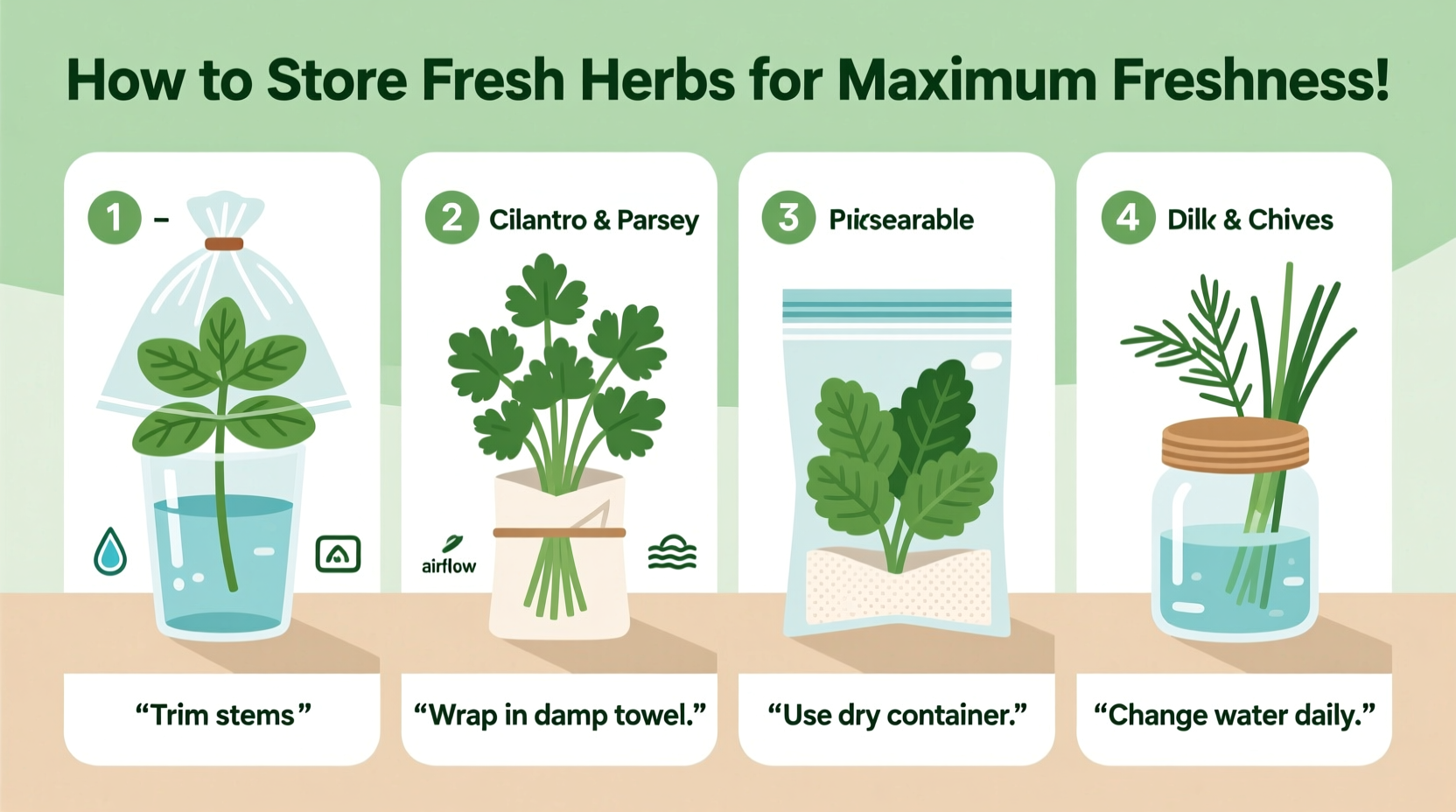
Fresh herbs are delicate plant tissues with high surface-area-to-volume ratios, making them prone to moisture loss and microbial growth. Once harvested, they continue to respire, consuming stored sugars and releasing ethylene gas—a natural ripening hormone. Exposure to cold, dry air in the refrigerator accelerates dehydration, while excess moisture encourages mold. The challenge lies in balancing humidity and airflow.
According to Dr. Catherine Donnelly, a food microbiologist at the University of Vermont, “Leafy herbs lose turgor pressure rapidly when cut from their root system. Without proper hydration or humidity control, cell walls collapse, leading to limpness and decay.”
The solution isn’t one-size-fits-all. Tender herbs (e.g., basil, cilantro, parsley) need different handling than hardy, woody-stemmed varieties (e.g., thyme, rosemary, oregano). Misapplying storage methods—like submerging rosemary in water—can do more harm than good.
Step-by-Step Guide: Storage Methods by Herb Type
Maximizing herb longevity starts with categorization. Group herbs by texture and stem structure, then apply the appropriate method.
Method 1: The Jar-and-Water Technique (Best for Tender Herbs)
This mimics how herbs grow, keeping stems hydrated while leaves remain dry.
- Cut about ½ inch off the bottom of the stems using sharp scissors or a knife.
- Fill a glass or jar with 1–2 inches of cool water.
- Place the herbs stem-side down, as if arranging flowers.
- Loosely cover the leaves with a plastic bag or reusable produce bag.
- Store in the refrigerator (except basil—see below).
- Change the water every 2–3 days to prevent bacterial buildup.
This method works exceptionally well for cilantro, parsley, dill, and mint. In trials conducted by the USDA’s Food Quality Lab, cilantro stored this way retained crispness and aroma for up to 18 days—nearly triple the average shelf life.
Method 2: Damp Paper Towel + Airtight Container (Ideal for Leafy and Delicate Herbs)
For herbs that don’t respond well to standing water or need refrigeration without submersion:
- Gently wash and dry the herbs, or use pre-washed ones.
- Lay a slightly damp paper towel on a flat surface.
- Spread the herbs in a single layer on top.
- Roll or fold the towel to enclose them gently.
- Place inside a sealed container or resealable plastic bag.
- Store in the crisper drawer.
This balances moisture retention and airflow. It’s particularly effective for tarragon, chervil, and young basil. The damp towel acts as a humidity buffer, slowing dehydration without encouraging mold.
Method 3: Dry Storage in Breathable Bags (For Woody-Stemmed Herbs)
Herbs like rosemary, thyme, oregano, and sage have low moisture content and tough stems. They fare better with minimal intervention.
- Do not wash before storing—moisture promotes mildew.
- Wrap loosely in a dry paper towel.
- Place in a partially open plastic bag or beeswax wrap.
- Store in the high-humidity crisper drawer.
These herbs can last 3–4 weeks when stored this way. Their natural oils act as preservatives, and their dense structure resists wilting.
Bonus: Room-Temperature Water Method (For Basil Only)
Basil is uniquely sensitive to cold. Refrigeration causes chilling injury—blackened, mushy leaves—within hours. Instead:
- Trim stems and place in a glass of water.
- Keep on the countertop, away from direct sunlight.
- Replace water daily.
Basil can stay vibrant for 7–10 days at room temperature. For longer storage, consider freezing (see below).
“Basil is tropical in origin. Cold storage disrupts its cell membranes, leading to rapid degradation.” — Dr. Linda Harris, Postharvest Physiologist, UC Davis
Do’s and Don’ts of Herb Storage
| Herb Type | Do’s | Don’ts |
|---|---|---|
| Tender (Cilantro, Parsley) | Use jar-and-water method; change water regularly; trim stems | Do not seal in airtight bags without ventilation; avoid washing until use |
| Delicate (Basil, Chives) | Store basil at room temp; use damp towel for chives | Never refrigerate basil; don’t overcrowd leaves |
| Woody (Rosemary, Thyme) | Keep dry; wrap in paper towel; allow airflow | Don’t submerge in water; avoid plastic without ventilation |
| All Herbs | Inspect upon purchase; remove ties/bands; store away from ethylene-producing fruits | Don’t store near apples, bananas, or tomatoes; don’t wash prematurely |
Freezing: A Long-Term Solution
When you have an abundance of herbs, freezing preserves flavor for months. Unlike drying, which alters volatile compounds, freezing maintains essential oils and freshness.
How to Freeze Herbs Properly
- Wash and thoroughly dry herbs.
- Remove leaves from stems (except rosemary or thyme, which freeze well whole).
- Chop if desired, or leave whole.
- Spoon into ice cube trays.
- Add olive oil or water to cover.
- Freeze until solid, then transfer cubes to labeled freezer bags.
Olive oil-infused herb cubes are ideal for sautéing, soups, and stews. Water-based cubes work well in sauces, smoothies, or beverages. Frozen herbs should be used within 6 months for peak quality.
An alternative is dry-freezing: spread chopped herbs in a single layer on a parchment-lined tray. Freeze for 2 hours, then transfer to a bag. This prevents clumping and allows you to use small amounts at a time.
Real Example: Reducing Waste in a Home Kitchen
Sophia, a home cook in Portland, regularly bought organic cilantro for her salsas and curries. She found that half the bunch spoiled before she could use it. After learning the jar method, she began trimming the stems, placing them in a water-filled mason jar, covering the leaves with a produce bag, and storing it in the middle shelf of her fridge. She changed the water every two days. The result? Her cilantro stayed crisp and green for 16 days. She even froze extra leaves in oil cubes for winter dishes. Over six months, she reduced her herb waste by 70% and saved approximately $90 on grocery bills.
Checklist: How to Store Fresh Herbs for Maximum Longevity
Follow this actionable checklist each time you bring herbs home:
- ☐ Sort herbs by type: tender, delicate, or woody.
- ☐ Remove any rubber bands or ties that restrict airflow.
- ☐ Trim stems by ½ inch to promote water uptake (except woody herbs).
- ☐ Use the jar-and-water method for parsley, cilantro, dill.
- ☐ Store basil at room temperature with indirect light.
- ☐ Wrap woody herbs in a dry paper towel and place in a breathable container.
- ☐ Avoid washing until ready to use—unless freezing.
- ☐ Keep herbs away from ethylene-producing fruits (apples, avocados, tomatoes).
- ☐ Refresh water every 2–3 days for water-stored herbs.
- ☐ Label and date frozen herb cubes for future use.
Frequently Asked Questions
Can I store mixed herbs together?
It’s best to store herbs separately by type. Tender herbs need more moisture, while woody ones require dry conditions. Combining them often leads to mold or dehydration. If you must combine, group by similar needs—e.g., parsley and dill together, rosemary and thyme together.
Should I wash herbs before storing?
No. Washing adds moisture that can accelerate spoilage. Wait until you’re ready to use them. If the herbs are visibly dirty, rinse, then dry *thoroughly* with a salad spinner or clean towel before storing.
How do I know when herbs have gone bad?
Discard herbs if they show signs of slime, dark spots, foul odor, or significant wilting. Light browning on edges may still be salvageable—trim affected parts. However, once microbial growth begins, it spreads quickly, especially in humid environments.
Conclusion: Transform Your Herb Game Starting Today
Storing fresh herbs effectively isn’t complicated—it just requires attention to detail and a shift from habit to strategy. Whether you’re a weekly meal prepper or an occasional cook, these methods ensure you’ll always have vibrant herbs on hand. No more tossing wilted bundles. No more last-minute grocery runs. By applying the right technique for each herb type, you preserve not just freshness but also nutrition and flavor intensity. Try one method this week—start with cilantro or parsley—and observe the difference. Share your results, experiment with freezing, and build a system that fits your kitchen rhythm. Small changes yield big returns: less waste, better meals, and smarter habits.




 浙公网安备
33010002000092号
浙公网安备
33010002000092号 浙B2-20120091-4
Comments
No comments yet. Why don't you start the discussion?