
Fresh herbs elevate dishes from ordinary to extraordinary. A sprig of basil can transform a tomato sauce, while cilantro adds brightness to salsas and curries. But their delicate nature means they often wilt within days of purchase. Most home cooks have tossed out limp parsley or moldy dill far too soon—wasting money and flavor. The good news: with the right techniques, you can extend the life of fresh herbs by two to three times their usual shelf life. This guide reveals proven, kitchen-tested methods based on moisture control, temperature, and herb type.
Why Fresh Herbs Wilt So Quickly
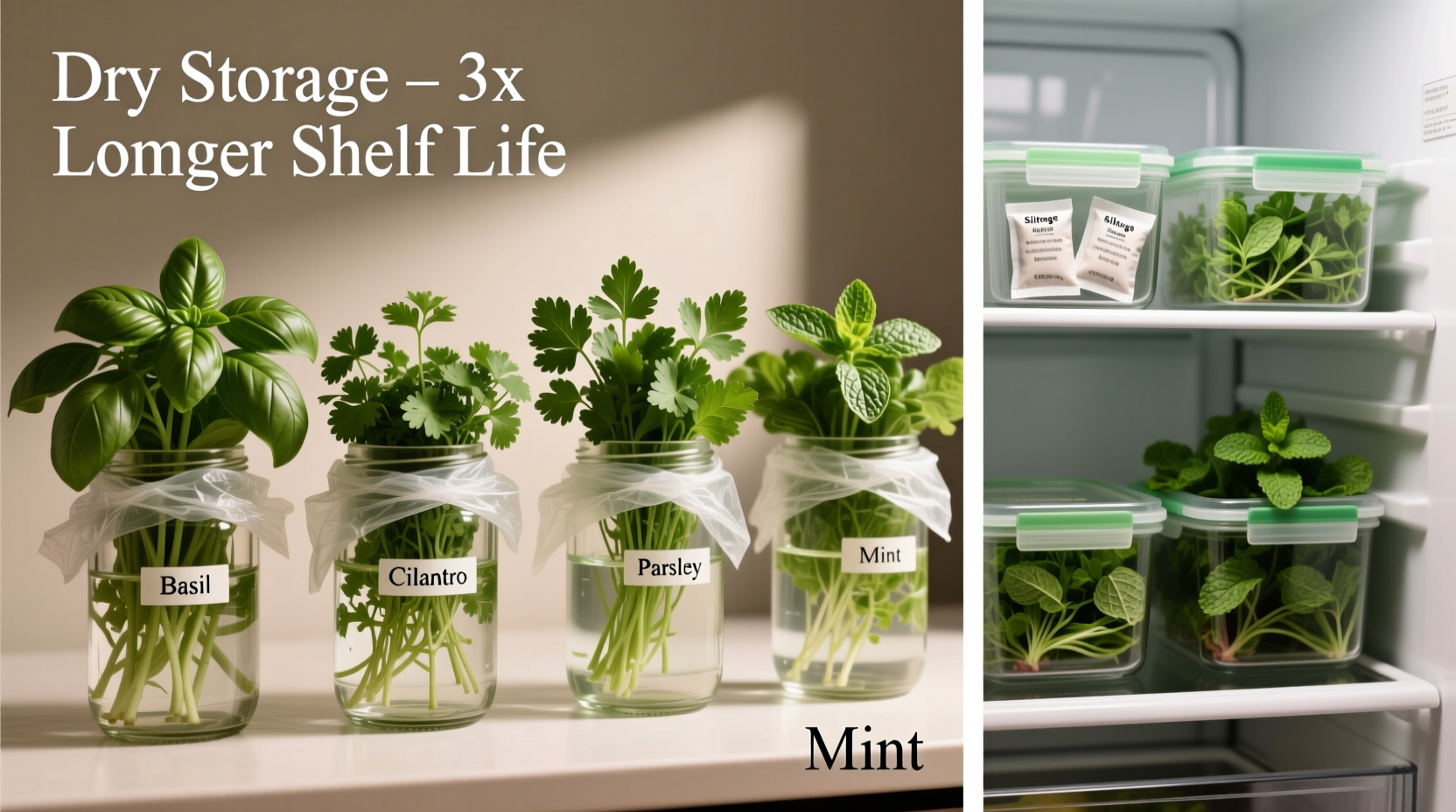
Fresh herbs are mostly water—often 85–90%—and once cut from their root system, they begin losing moisture immediately. Exposure to air, heat, and fluctuating humidity accelerates this process. Ethylene gas, naturally released by fruits like apples and bananas, also speeds up decay in leafy greens and herbs.
Additionally, improper storage creates ideal conditions for bacterial growth and mold. Storing herbs directly in plastic bags without airflow traps moisture, turning crisp leaves into slimy clumps. Understanding these factors is the first step toward long-term freshness.
“Most people treat all herbs the same way, but storing basil like thyme is like treating a tropical plant like a desert succulent—it won’t survive.” — Dr. Lena Torres, Postharvest Horticulturist, University of California Cooperative Extension
Grouping Herbs by Storage Needs
Not all herbs respond to the same storage method. Treating them as a single category leads to poor results. Instead, categorize them based on stem structure and moisture tolerance:
- Bunch herbs with thick stems: Parsley, cilantro, dill, mint, rosemary, thyme. These benefit from being stored like flowers in water.
- Tender leafy herbs: Basil, tarragon, chervil. Sensitive to cold and bruising; best kept at room temperature.
- Woody herbs: Rosemary, oregano, thyme, sage. Naturally hardier and more drought-tolerant.
- Delicate soft herbs: Chives, dill fronds, lemon balm. Require high humidity but no direct water contact.
The Water Jar Method (Best for Cilantro, Parsley, Dill)
This method mimics how florists keep cut flowers fresh and works exceptionally well for herbs sold in bunches with roots or long stems.
- Trim about half an inch off the bottom of the stems using sharp scissors.
- Fill a glass or jar with 1–2 inches of water—just enough to cover the stems, not the leaves.
- Place the herb bunch in the jar, ensuring no leaves are submerged (this causes rot).
- Cover the top loosely with a plastic bag or reusable produce bag to maintain humidity.
- Store in the refrigerator (except basil—see below).
- Change the water every 2–3 days to prevent bacterial growth.
This technique keeps cilantro vibrant for up to 14–21 days—three times longer than conventional plastic-bag storage. The constant water supply allows the stems to continue absorbing moisture, delaying wilting.
Real Example: The Cilantro Comeback
Sarah, a home cook in Portland, used to buy new cilantro every four days during summer salsa season. After switching to the water jar method, she found her cilantro remained crisp for nearly three weeks. “I even froze some chopped leaves after week two,” she said. “My guacamole hasn’t tasted better.”
The Towel Wrap Technique (Ideal for Basil, Chives, Tarragon)
Basil and other tender herbs blacken when exposed to cold temperatures. Refrigeration below 50°F damages their cell structure. Instead, use a room-temperature method that controls moisture without chilling.
- Lay a clean, dry paper towel or cotton tea towel flat on the counter.
- Spread the herbs in a single layer across the towel, avoiding overcrowding.
- Gently roll the towel around the herbs, allowing space for air circulation.
- Place the roll inside a partially open plastic container or reusable silicone bag.
- Keep on the countertop, away from direct sunlight and heat sources.
This method maintains optimal humidity while preventing condensation. Basil stays green and aromatic for 10–14 days instead of browning in three.
Freezing Herbs for Long-Term Use
When you have more herbs than you can use, freezing preserves flavor far better than many assume. While texture changes (making frozen herbs unsuitable for garnishes), their taste remains potent for cooking.
Two Best Freezing Methods
- Freeze Whole Sprigs: Place unwashed sprigs on a tray, freeze individually, then transfer to a labeled freezer bag. Ideal for rosemary, thyme, and oregano.
- Herb Ice Cubes: Chop herbs finely, place in ice cube trays, cover with water or olive oil, and freeze. Perfect for adding to soups, stews, and sauces.
Basil freezes especially well in oil cubes, which protect it from oxidation and freezer burn. Label each batch with the date and herb type—frozen herbs retain peak quality for 6 months.
Storage Comparison Table: Do’s & Don’ts by Herb Type
| Herb | Best Storage Method | Avoid |
|---|---|---|
| Cilantro | Jar of water + fridge + loose bag cover | Sealed plastic bags without airflow |
| Parsley | Jar of water + fridge + paper towel under bag | Leaving in original clamshell container |
| Basil | Towel wrap + room temp, or oil ice cubes | Refrigeration, washing before storage |
| Mint | Jar of water + fridge + breathable cover | Direct sunlight, sealed containers |
| Rosemary | Wrapped in damp towel + fridge, or freeze whole | Dry exposure, uncovered storage |
| Thyme | Water jar or sealed container with damp paper | Warm environments, wet leaves |
| Chives | Chopped and frozen in butter or oil | Whole refrigeration without moisture control |
Common Mistakes That Shorten Herb Life
Even with good intentions, small oversights sabotage herb longevity. Avoid these frequent errors:
- Washing before storage: Adds excess moisture. Always wash right before use.
- Using airtight plastic bags: Traps ethylene and humidity, speeding decay.
- Storing near ripening fruit: Apples, avocados, and tomatoes emit ethylene gas, causing herbs to yellow and wilt faster.
- Leaving herbs in original packaging: Supermarket foam trays and thin plastic wraps offer no breathability.
- Ignoring stem health: Crushed or sealed ends can’t absorb water. Recut stems every few days if using the jar method.
“Reviving wilted herbs is possible—if caught early. Submerge slightly limp parsley in ice water for 15 minutes. It will rehydrate and regain crispness.” — Chef Marco Alvarez, Culinary Instructor at New England Culinary Institute
Step-by-Step Guide: Weekly Herb Maintenance Routine
To get the most from your herbs, follow this simple weekly schedule:
- Day 1 (Purchase Day): Unwrap herbs, remove ties, trim stems, sort by type.
- Day 2: For jar-stored herbs, check water level and clarity. Replace if cloudy.
- Day 4: Inspect all stored herbs. Remove any yellowing or slimy leaves to prevent spread.
- Day 6: Re-wrap towel-stored herbs with a fresh dry towel if damp.
- Day 7: Evaluate usage. Freeze surplus or make herb-infused oil or pesto.
This proactive approach prevents last-minute waste and ensures herbs remain usable throughout the week.
FAQ
Can I store mixed herbs together?
It’s not recommended. Tender herbs like basil require warmth, while parsley needs refrigeration. Mixing them forces compromises that reduce overall shelf life. Store separately by category.
How do I know if herbs have gone bad?
Discard herbs that show signs of slime, dark spots, foul odor, or significant wilting. A few brown edges may be trimmed, but widespread discoloration means spoilage.
Is it safe to eat herbs that have started to flower?
Yes. Flowering (bolting) often occurs in warm conditions and signals maturity. While leaves may become bitter, the flowers themselves are edible and often fragrant. Use promptly, as flavor declines quickly after flowering begins.
Checklist: How to Store Fresh Herbs Properly
✔️ Sort herbs by type (tender vs. hardy)
✔️ Trim stems before storing
✔️ Use water jars for parsley, cilantro, mint
✔️ Wrap basil and chives in a dry towel
✔️ Keep away from ethylene-producing fruits
✔️ Change water every 2–3 days
✔️ Wash only before use
✔️ Freeze surplus in oil or as cubes
✔️ Check condition every few days
✔️ Label frozen herbs with date and type
Conclusion: Waste Less, Flavor More
Storing fresh herbs properly isn’t complicated—but it does require intention. By understanding their biological needs and tailoring storage to each type, you unlock weeks of vibrant flavor instead of days. Whether you're a weekend cook or a daily meal preparer, these methods save time, money, and the frustration of spoiled ingredients.
Start tonight: pull out that half-dead cilantro from the back of your fridge, give it a fresh trim, place it in a water jar, and cover it loosely. In three days, you’ll see the difference. Extend this practice to your next grocery haul, and you’ll never look at fresh herbs the same way again.




 浙公网安备
33010002000092号
浙公网安备
33010002000092号 浙B2-20120091-4
Comments
No comments yet. Why don't you start the discussion?