
Magic mushrooms, or psilocybin-containing fungi, are valued not only for their psychoactive properties but also for their sensitivity to environmental conditions. Improper storage can lead to rapid degradation of psilocybin and psilocin—the primary compounds responsible for their effects—resulting in diminished potency and shorter shelf life. Whether you're cultivating at home or preserving a harvest, understanding the right storage techniques is essential. This guide provides clear, science-backed strategies to keep your mushrooms potent, safe, and effective for months—or even years.
The Science Behind Mushroom Degradation
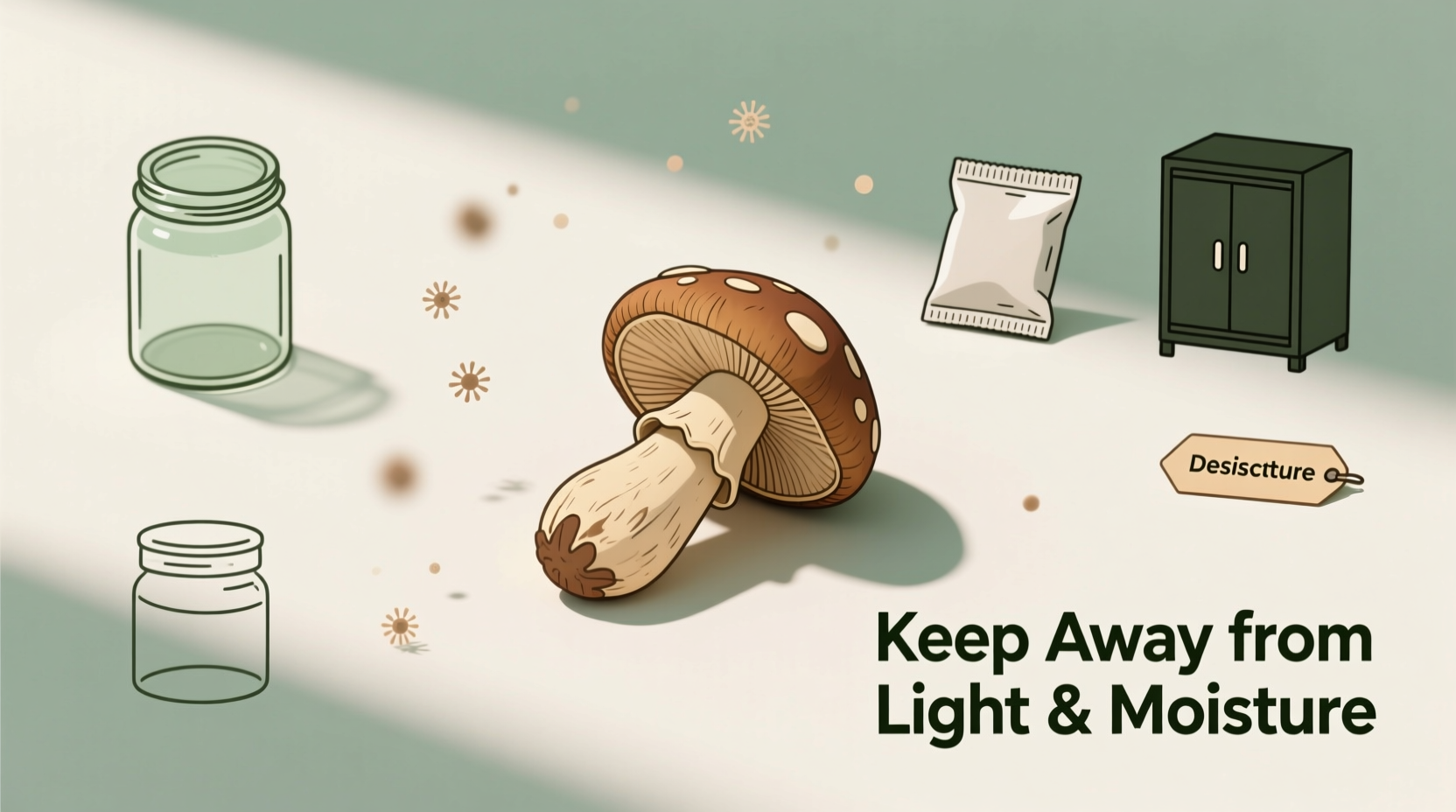
Psilocybin and psilocin are organic alkaloids that break down when exposed to four main factors: moisture, heat, light, and oxygen. Each of these accelerates chemical degradation through oxidation and microbial growth. For example, high humidity encourages mold, while direct sunlight degrades psilocin rapidly due to UV exposure. Heat increases molecular activity, speeding up decomposition. Oxygen, ever-present in air, facilitates oxidation just as it causes fruit to brown or metal to rust.
A 2019 study published in *Planta Medica* found that dried psilocybin mushrooms stored in vacuum-sealed containers at low temperatures retained over 95% of their potency after six months. In contrast, samples kept in warm, humid environments lost more than half their active compounds in just eight weeks. These findings underscore the importance of controlling all four degradation factors simultaneously.
“Stability of psilocybin depends almost entirely on storage conditions. Cold, dark, dry, and airtight—that’s the golden rule.” — Dr. Lena Torres, Ethnopharmacologist & Fungal Researcher
Step-by-Step Guide to Proper Storage
Preserving potency begins with proper drying and continues through every stage of storage. Follow this timeline to maximize longevity:
- Dry thoroughly first: Use a food dehydrator (set to 95°F/35°C) or air-dry in a dark, well-ventilated space for 24–48 hours. Mushrooms should snap cleanly, not bend.
- Grind (optional): If making teas or capsules, grind dried mushrooms into powder using a clean coffee grinder. Otherwise, store whole to minimize surface exposure.
- Choose the right container: Use a glass jar with an airtight seal or a vacuum-sealable bag. Avoid plastic bags unless they’re specifically designed for long-term storage.
- Add desiccant: Place a food-safe silica gel packet (1–2 grams per 10g of mushrooms) inside the container to absorb residual moisture.
- Remove oxygen: Vacuum seal if possible, or use nitrogen-flushed bags. Alternatively, place the sealed jar in the freezer for 24 hours before final sealing to condense and reduce internal air pressure.
- Store in optimal conditions: Keep the container in a cool, dark place—ideally a refrigerator or freezer. Label with the date and strain if applicable.
Storage Methods Compared: What Works and What Doesn’t
Not all storage methods are created equal. Below is a comparison of common approaches based on effectiveness, cost, and ease of use.
| Method | Potency Retention (6 Months) | Cost | Risk of Mold | Best For |
|---|---|---|---|---|
| Vacuum-Sealed + Freezer | 90–95% | $$$ | Very Low | Long-term preservation |
| Desiccant + Airtight Glass Jar (Fridge) | 80–85% | $$ | Low | Medium-term use |
| Paper Bag in Closet | 40–50% | $ | High | Short-term; not recommended |
| Ziplock Bag on Counter | 30% or less | $ | Very High | Avoid completely |
| Mason Jar with Silica Gel (Pantry) | 60–70% | $$ | Medium | Backup option if fridge unavailable |
Common Mistakes That Kill Potency
- Storing while damp: Even slight moisture invites mold and enzymatic breakdown.
- Using transparent containers: Clear jars expose mushrooms to light, accelerating psilocin decay.
- Frequent temperature fluctuations: Taking mushrooms in and out of the fridge or freezer causes condensation, introducing moisture.
- Ignoring expiration dates: While properly stored mushrooms can last years, potency still declines slowly. Label containers with harvest or storage dates.
- Touching with wet hands: Always use clean, dry tools or gloves when handling dried material.
Real Example: A Home Grower’s Experience
Jamal, a hobbyist cultivator from Oregon, harvested 50 grams of dried Golden Teacher mushrooms in June. He divided them into three batches:
- Batch A: Stored in a labeled mason jar with silica gel, kept in the back of his refrigerator.
- Batch B: Placed in a ziplock bag on a kitchen shelf near a window.
- Batch C: Vacuum-sealed and frozen.
By December, Jamal tested each batch using a consistent dose in tea. Batch A remained strong with clear visuals and introspective depth. Batch B produced mild effects and had a musty smell—likely early mold. Batch C was indistinguishable from fresh, with no loss in intensity. His experience mirrors scientific consensus: cold, dry, and oxygen-free environments are critical for long-term stability.
Essential Storage Checklist
Before storing your next batch, go through this checklist to ensure maximum preservation:
- ✅ Mushrooms are fully dried (snap test passed)
- ✅ Container is airtight and opaque or stored in darkness
- ✅ Desiccant pack included (silica gel or oxygen absorber)
- ✅ Stored away from heat sources and sunlight
- ✅ Labeled with date and strain
- ✅ Kept in a stable environment (fridge or freezer preferred)
- ✅ Not opened frequently; portioned into smaller containers if needed
Frequently Asked Questions
Can I store magic mushrooms in the freezer?
Yes, freezing is one of the most effective ways to preserve potency long-term. When vacuum-sealed and protected from moisture, frozen mushrooms can retain their strength for two years or more. Allow the container to reach room temperature before opening to prevent condensation.
Do magic mushrooms go bad?
They don’t “expire” like perishable food, but they degrade over time. Improperly stored mushrooms can grow mold or lose most of their psychoactive compounds within weeks. Properly stored, they remain safe and effective for years, though gradual potency loss is inevitable.
Is it safe to store powdered mushrooms?
Yes, but powder has more surface area exposed to air, increasing oxidation risk. Store mushroom powder in the same way as whole dried caps—preferably vacuum-sealed with desiccant and kept cold. Use dark glass jars to block light.
Final Thoughts: Preservation Is Power
How you store magic mushrooms directly impacts their safety, effectiveness, and value. By respecting the biochemical fragility of psilocybin, you extend not just shelf life but the quality of your experiences. The best method combines thorough drying, moisture control, oxygen reduction, and cold, dark storage. It doesn’t require expensive equipment—just attention to detail and consistency.




 浙公网安备
33010002000092号
浙公网安备
33010002000092号 浙B2-20120091-4
Comments
No comments yet. Why don't you start the discussion?