
Opening a bottle of wine doesn’t always mean finishing it in one sitting. Whether you're savoring a glass after dinner or sharing a casual drink with a friend, many wine lovers find themselves with leftover wine. But without proper storage, that half-empty bottle can lose its vibrancy, aroma, and taste by morning. Oxidation, temperature fluctuations, and exposure to light all contribute to a wine going “flat” — dull, lifeless, and far from enjoyable.
The good news is that preserving an opened bottle of wine is entirely possible with the right methods. From simple at-home tricks to specialized tools, there are practical solutions to keep your wine tasting fresh for days — sometimes even weeks — after opening. This guide walks through scientifically sound and field-tested approaches to storing open wine bottles effectively.
Understanding Why Wine Goes Flat
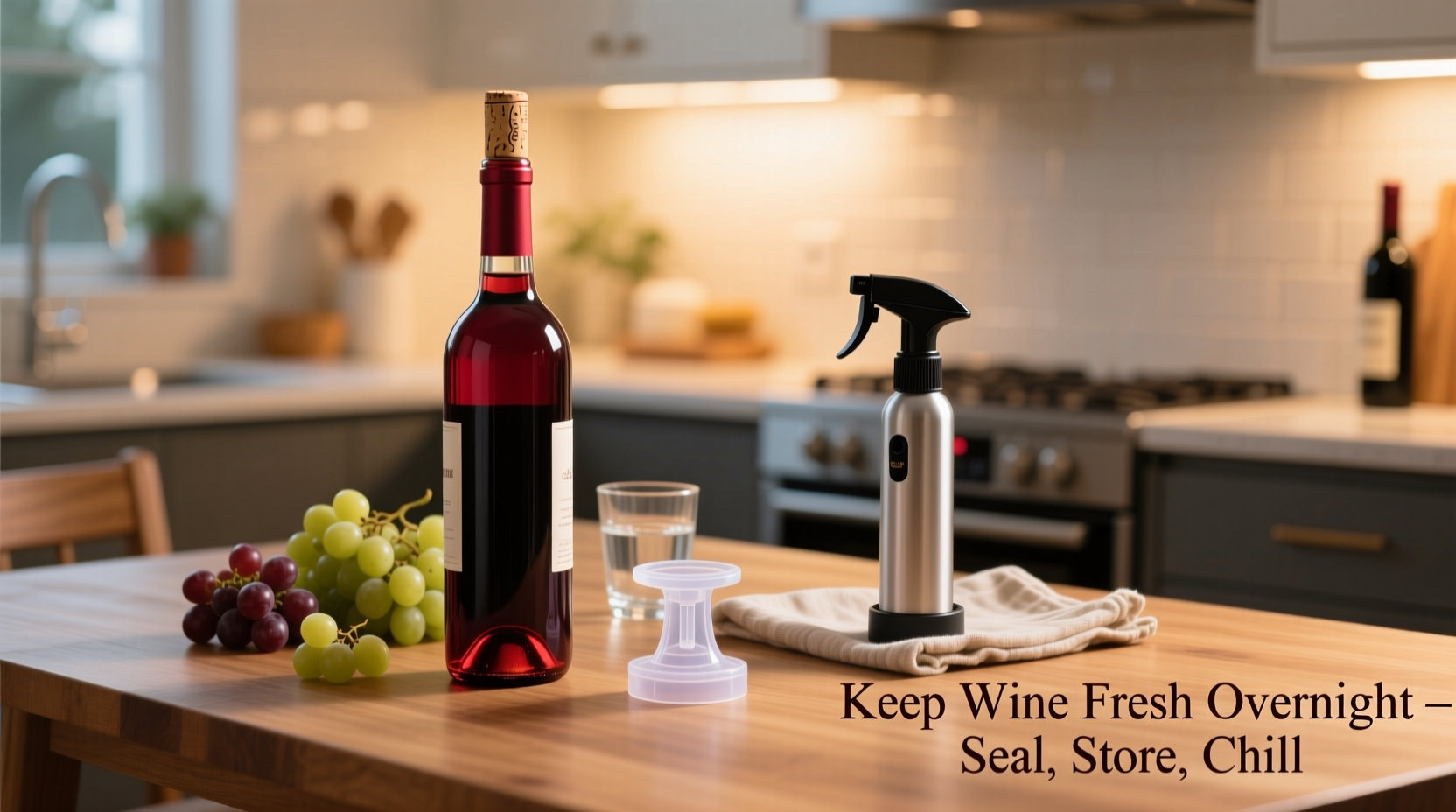
When wine is exposed to oxygen, a process called oxidation begins. In small amounts, oxidation can enhance certain wines — this is why decanting works wonders for bold reds. However, prolonged exposure degrades delicate compounds responsible for aroma and flavor. White wines turn brownish and develop nutty, stale notes; reds lose their fruitiness and become vinegar-like over time.
Other factors also accelerate spoilage:
- Heat: Warm environments speed up chemical reactions, including oxidation.
- Light: UV rays degrade organic compounds in wine, especially in clear or light-colored bottles.
- Vibration: Constant movement disturbs sediment and alters molecular stability.
- Cork quality: A dried-out or poorly sealed cork allows air leakage.
Preventing flat wine starts with minimizing these threats immediately after pouring your last glass.
Best Methods to Store Open Wine Bottles
Not all preservation methods are created equal. Some work better for certain types of wine, while others offer broader protection. Below are the most reliable techniques used by sommeliers and home enthusiasts alike.
1. Re-Cork and Refrigerate (Basic but Effective)
For short-term storage (1–3 days), simply reinserting the original cork or using a stopper and placing the bottle in the refrigerator works well — especially for white, rosé, and sparkling wines. Cold temperatures slow down oxidation and microbial activity.
Red wines can also be refrigerated. While they’re typically served at room temperature, chilling doesn’t damage them. Simply remove the bottle 30 minutes before serving to bring it back to optimal drinking temperature.
2. Use a Vacuum Pump System
Vacuum pumps remove air from the bottle, reducing oxygen contact. These systems usually include rubber stoppers and a hand pump that extracts air. They’re affordable and widely available.
However, experts note limitations: vacuum sealing may strip delicate aromas along with oxygen, particularly in older or more nuanced wines. It’s best suited for younger, fruit-forward bottles consumed within 3–5 days.
“Vacuum systems help extend shelf life, but they aren’t ideal for complex, age-worthy wines where volatile aromatics are key.” — Carlos Mendez, Certified Sommelier and Wine Educator
3. Inert Gas Preservation
This method involves spraying a layer of inert gas (like argon or nitrogen) into the bottle before sealing. Heavier than oxygen, these gases settle on top of the wine, forming a protective blanket that prevents oxidation.
Popular products like Private Preserve use a blend of food-grade gases and require just a few seconds of spraying per bottle. One can lasts for months and preserves both red and white wines effectively for up to 5–7 days.
This technique is favored in professional settings due to its precision and minimal impact on flavor.
4. Transfer to a Smaller Container
Reducing headspace — the empty space between wine and the closure — limits oxygen interaction. Transferring leftover wine into a smaller bottle (such as a half-bottle or 375ml container) significantly extends freshness.
Ensure the new vessel is thoroughly cleaned and completely dry. Seal tightly with a cork or screw cap and refrigerate. This method works exceptionally well if you frequently have partial bottles remaining.
5. Use a Wine Preserver Device (e.g., Coravin)
For frequent tasters or collectors, devices like Coravin allow you to pour wine without removing the cork. Using a thin needle and argon gas injection, it extracts wine while preserving the rest inside the bottle.
While expensive (starting around $200), Coravin enables long-term storage of open bottles for weeks or even months without noticeable degradation. Ideal for rare vintages or special bottles meant to be enjoyed gradually.
Do’s and Don’ts of Storing Open Wine
| Do | Don’t |
|---|---|
| Refrigerate all opened wines unless consuming within the hour | Leave open bottles at room temperature for more than a few hours |
| Use inert gas sprays to displace oxygen | Pour wine into unclean containers that could introduce bacteria |
| Store bottles upright to minimize surface exposure | Store bottles sideways (as with unopened wine) — this increases air contact |
| Label bottles with the date opened | Assume all wines last equally long once opened |
| Recork tightly or use airtight stoppers | Use corks that don’t fit snugly or show signs of drying/cracking |
Step-by-Step Guide to Overnight Wine Storage
Follow this simple routine to maximize freshness when you won’t finish a bottle in one evening:
- Pour thoughtfully: Only pour what you plan to drink. Each pour introduces additional oxygen.
- Reseal promptly: Insert the original cork or a reusable stopper immediately after the final pour.
- Spray with inert gas (optional): If using a product like Private Preserve, spray for 3–5 seconds into the neck of the bottle before sealing.
- Store upright in the refrigerator: Keep whites, rosés, and sparklings cold. Reds benefit from cold storage too.
- Label the bottle: Write the date opened with a marker or tape so you know how long it’s been stored.
- Check before serving: Smell and taste a small amount the next day. If it smells vinegary or flat, compost it. If still pleasant, enjoy responsibly.
Real Example: How a Home Enthusiast Saved a Premium Pinot Noir
Sarah, a wine lover in Portland, opened a $45 Willamette Valley Pinot Noir during a quiet Tuesday dinner. She only had one glass and didn’t want to waste the rest. Remembering advice from a local wine shop, she sprayed the bottle with an argon-based preserver, sealed it with a silicone stopper, and placed it upright in her fridge.
Four days later, she reopened it for a weekend gathering. Her guests couldn’t believe it was nearly a week old. The nose remained bright with cherry and earth notes, and the silky texture hadn’t degraded. Sarah credited the inert gas method and consistent refrigeration for the success.
“I used to think opened wine lasted just one night,” she said. “Now I know better — and I’m saving money and reducing waste.”
Wine Longevity After Opening: What to Expect
Even with perfect storage, no method stops degradation forever. Here’s a realistic timeline for different wine types when properly preserved:
| Wine Type | Lifespan After Opening (with proper storage) | Signs of Spoilage |
|---|---|---|
| Light White / Rosé | 3–5 days | Loss of crispness, browning, flat citrus notes |
| Full-Bodied White (Chardonnay, Viognier) | 3–4 days | Dulled fruit, muted oak, slight bitterness |
| Sparkling Wine (Prosecco, Cava) | 1–3 days (never fully recarbonates) | No bubbles, sour smell, yeasty off-notes |
| Light Red (Pinot Noir, Gamay) | 2–4 days | Faded fruit, increased acidity, sharpness |
| Full-Bodied Red (Cabernet Sauvignon, Syrah) | 4–6 days | Leathery taste, loss of structure, vinegar tang |
| Fortified (Port, Sherry) | 2–4 weeks | Rancid nuts, excessive bitterness, moldy smell |
Note: Fortified wines last longer due to higher alcohol content, which acts as a natural preservative.
FAQ: Common Questions About Storing Open Wine
Can I freeze leftover wine?
Yes — freezing wine is safe and useful for cooking later. Pour into ice cube trays, freeze, then transfer cubes to a sealed bag. Thaw as needed for sauces, reductions, or stews. Freezing halts oxidation and preserves flavor compounds for culinary use, though texture changes make it unsuitable for drinking.
Does a wine saver pump really work?
It depends. Vacuum pumps can extend freshness by 1–2 days compared to leaving the bottle uncorked. However, studies show they are less effective than inert gas systems, especially for aromatic whites and aged reds. They’re a budget-friendly option but not the gold standard.
Why shouldn’t I store open wine on its side?
Storing bottles on their side increases the surface area of wine exposed to trapped oxygen in the headspace. Upright storage minimizes contact and slows oxidation. Additionally, lying down can dry out synthetic corks or cause leakage with imperfect seals.
Essential Checklist for Preserving Open Wine
- ✅ Recork or use an airtight stopper immediately after pouring
- ✅ Spray with inert gas (argon/nitrogen blend) if available
- ✅ Store all open bottles upright in the refrigerator
- ✅ Label bottles with the date opened
- ✅ Transfer large leftovers to smaller containers to reduce air exposure
- ✅ Taste before serving — trust your senses over the calendar
- ✅ Use frozen wine cubes for cooking instead of pouring spoiled wine down the drain
Conclusion: Sip Smarter, Waste Less
Storing open wine bottles properly isn’t about perfection — it’s about intention. With a few smart habits, you can enjoy your favorite bottles over multiple sittings without sacrificing quality. Whether you choose a $10 stopper or invest in advanced preservation tech, the goal remains the same: protect the craftsmanship inside the bottle.
Every glass saved is a step toward more mindful consumption. Try one method this week, observe the results, and refine your approach. Your palate — and your wallet — will thank you.




 浙公网安备
33010002000092号
浙公网安备
33010002000092号 浙B2-20120091-4
Comments
No comments yet. Why don't you start the discussion?