
Facial serums are among the most concentrated and effective products in a skincare routine, often packed with active ingredients like vitamin C, retinol, hyaluronic acid, and peptides. However, their potency is fragile. Once opened, exposure to air, light, heat, and contaminants can rapidly degrade their effectiveness—leading not only to diminished results but also unnecessary product waste. Proper storage isn’t just about preserving texture or scent; it’s essential for maintaining the biochemical integrity of the formula. Understanding how to store an opened face serum correctly ensures you get the full value of your investment and maximize skin benefits over time.
Why Serum Stability Matters After Opening
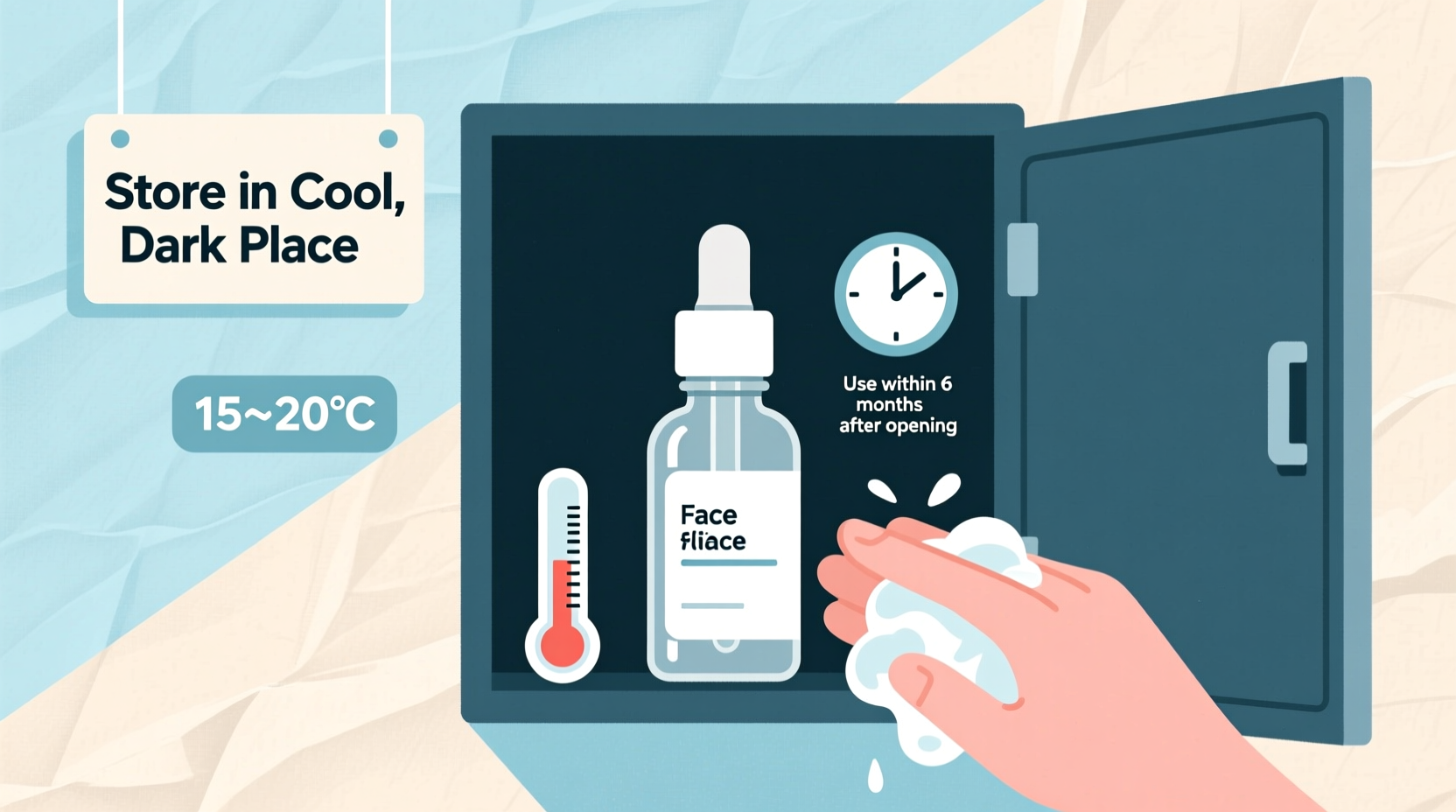
Serums are formulated with high concentrations of bioactive compounds designed to penetrate deeply into the skin. Many of these ingredients are inherently unstable when exposed to environmental stressors. For example, vitamin C oxidizes quickly when it contacts oxygen, turning brown and losing its brightening and antioxidant properties. Similarly, retinol degrades under UV light and heat, reducing its ability to support cell turnover and collagen production. Even hyaluronic acid, while more stable, can become contaminated if introduced to bacteria through improper handling.
The moment a serum bottle is opened, its shelf life begins to decline. Most brands indicate a “period after opening” (PAO) symbol—a jar with a number like “6M” or “12M”—which tells you how many months the product remains effective post-opening. But this timeline assumes ideal storage conditions. Without proper care, degradation can occur well before the labeled expiration window.
“Once a serum is exposed to air and light, oxidation begins immediately. The key to longevity is minimizing those exposures from day one.” — Dr. Lena Patel, Cosmetic Chemist and Skincare Formulation Expert
Key Factors That Degrade Opened Serums
To store serums effectively, you must first understand what compromises them. The four primary culprits are:
- Oxygen: Causes oxidation, especially in antioxidants like vitamin C and ferulic acid.
- Light: UV and visible light degrade photosensitive ingredients such as retinoids and certain peptides.
- Heat: Accelerates chemical breakdown and promotes bacterial growth.
- Contamination: Introducing fingers or unclean tools introduces microbes that can spoil the formula.
These factors work individually and synergistically. A serum left on a sunlit bathroom counter will degrade faster due to combined heat, light, and repeated hand contact than one stored in a cool, dark drawer with a clean pump applicator.
Step-by-Step Guide to Storing Opened Face Serum
Follow this detailed sequence to ensure your serum remains potent and safe for use throughout its lifespan:
- Wash Hands Before Application: Always cleanse your hands thoroughly before touching any part of the serum container or applying to skin. This prevents transferring oils, dirt, and bacteria into the bottle.
- Avoid Double-Dipping: Never dip fingers back into the serum after touching your face. Use a dropper, pump, or spatula to dispense. If using a dropper, don’t let it touch your skin or sink into the liquid repeatedly without cleaning.
- Seal Tightly After Each Use: Ensure the cap or closure is fully secured immediately after dispensing. This limits oxygen entry and preserves formulation stability.
- Store in a Cool, Dark Place: Choose a location away from windows, radiators, and steamy bathrooms. A bedroom drawer or linen closet works better than a humid vanity top.
- Consider Refrigeration for High-Risk Formulas: Serums containing pure L-ascorbic acid (vitamin C), probiotics, or unstable peptides benefit from refrigeration at 4–8°C (39–46°F). Cold temperatures slow oxidation and microbial growth.
- Use Opaque or Airless Packaging When Possible: If repurchasing, opt for serums in opaque, airless pump bottles rather than clear glass with open droppers. These minimize light and air exposure significantly.
- Label the Opening Date: Write the date you first opened the serum on the box or bottle with a permanent marker. This helps track usage and avoid using expired products.
Do’s and Don’ts of Serum Storage
| Do’s | Don’ts |
|---|---|
| Store in a cool, dark cabinet or drawer | Leave serum on a sunny bathroom counter |
| Refrigerate serums with vitamin C or retinol | Freeze serums (can damage molecular structure) |
| Use clean tools like spatulas or pumps | Dip fingers directly into the bottle |
| Keep the lid tightly closed between uses | Leave the cap off or loosely attached |
| Check for changes in color, smell, or texture | Use a serum that has turned yellow, cloudy, or grainy |
Real Example: How One User Extended Her Vitamin C Serum by 5 Months
Sophia, a 34-year-old esthetician from Portland, noticed her high-end vitamin C serum was turning brown within six weeks of opening—despite being used every other day. After consulting with a dermatology pharmacist, she realized she was storing it next to her shower, where humidity and temperature fluctuations were constant. She switched to transferring a week’s worth into a small amber glass vial and kept the original bottle sealed in the refrigerator. She also began using a clean silicone spatula instead of her fingers.
Result? The serum stayed fresh and colorless for nearly five months—well beyond the expected three-month window. “I didn’t change my routine,” she said. “Just how I stored it. It made a huge difference in both performance and cost savings.”
When to Refrigerate Your Serum: A Practical Checklist
Not all serums need refrigeration, but certain types benefit greatly. Use this checklist to decide:
- ✅ Contains pure vitamin C (L-ascorbic acid)
- ✅ Includes probiotics or live enzymes
- ✅ Has a water-based formula with minimal preservatives
- ✅ Uses delicate peptides or growth factors
- ✅ Stored in a hot or humid climate
- ❌ Oil-based serums (may thicken or separate when cold)
- ❌ Retinol in alcohol-heavy formulas (cold may increase irritation for sensitive skin)
If you choose to refrigerate, allow the serum to come to room temperature for 5–10 minutes before application to avoid shocking the skin. Also, condensation inside the bottle can introduce moisture, so wipe the neck and cap dry before sealing.
Signs Your Serum Has Gone Bad
Even with excellent storage, serums eventually expire. Recognizing early signs of degradation prevents ineffective application—and potential irritation. Watch for:
- Color Change: Vitamin C turns amber or brown; niacinamide may darken slightly.
- Odor Shift: A sour, metallic, or rancid smell indicates oxidation or microbial contamination.
- Texture Alteration: Separation that doesn’t remix with gentle rolling, graininess, or thickening.
- Reduced Efficacy: Skin no longer responds as it did initially (e.g., less glow, increased breakouts).
If any of these occur, discontinue use immediately. Using a degraded serum won’t necessarily harm your skin, but it may cause irritation or fail to deliver promised benefits.
“Think of your serum like fresh juice—it starts losing nutrients the moment it’s exposed. Respect its fragility, and it will reward your skin.” — Dr. Anika Rao, Dermatologist and Clinical Advisor
Frequently Asked Questions
Can I transfer my serum to a different container?
Yes, but only if the new container is sterile, opaque, and airtight. Use medical-grade glass or BPA-free plastic with a dropper or pump. Avoid clear jars or containers previously used for other products, as they may harbor bacteria or allow too much light exposure.
Does shaking the bottle ruin the serum?
Vigorous shaking can introduce air bubbles and accelerate oxidation, especially in vitamin C or peptide serums. Instead, gently roll the bottle between your palms to mix separated layers. Avoid shaking altogether if the label advises against it.
Is it safe to use a serum past its PAO date if it looks fine?
No. The period-after-opening (PAO) date is based on stability testing under normal conditions. Even if there’s no visible change, active ingredients may have degraded below effective levels. Using expired serums reduces efficacy and increases risk of contamination, particularly in water-based formulas.
Final Tips for Maximizing Serum Value
Storing your opened face serum properly isn’t complicated, but it requires consistency and attention to detail. To summarize:
- Minimize exposure to air, light, and heat.
- Use clean application methods to prevent contamination.
- Track the opening date and adhere to PAO guidelines.
- Refrigerate when beneficial, especially for antioxidant-rich formulas.
- Inspect regularly for signs of spoilage.
By treating your serum with the same care you’d give a prescription medication or perishable supplement, you preserve its power and protect your skin’s health. Small habits—like closing the cap tightly or choosing a dark drawer over a sunlit ledge—compound into significant gains in product longevity and skincare outcomes.




 浙公网安备
33010002000092号
浙公网安备
33010002000092号 浙B2-20120091-4
Comments
No comments yet. Why don't you start the discussion?