
Opening a bottle of wine doesn’t mean you have to finish it in one sitting. Whether you're savoring a glass alone or sharing with a friend, it’s common to have leftover wine. But once the bottle is open, oxidation begins—this natural process alters the wine’s aroma, taste, and structure. Without a cork, many assume the wine is doomed by morning. That’s not true. With the right techniques, you can preserve opened wine effectively—even without a traditional cork—and enjoy it the next day with minimal loss of character.
The key lies in understanding what degrades wine after opening: oxygen exposure, temperature fluctuations, and light. By minimizing these factors, you can extend the life of your wine significantly. This guide explores proven strategies, tools, and habits that allow you to store opened wine properly—no cork required.
Why Oxidation Ruins Opened Wine
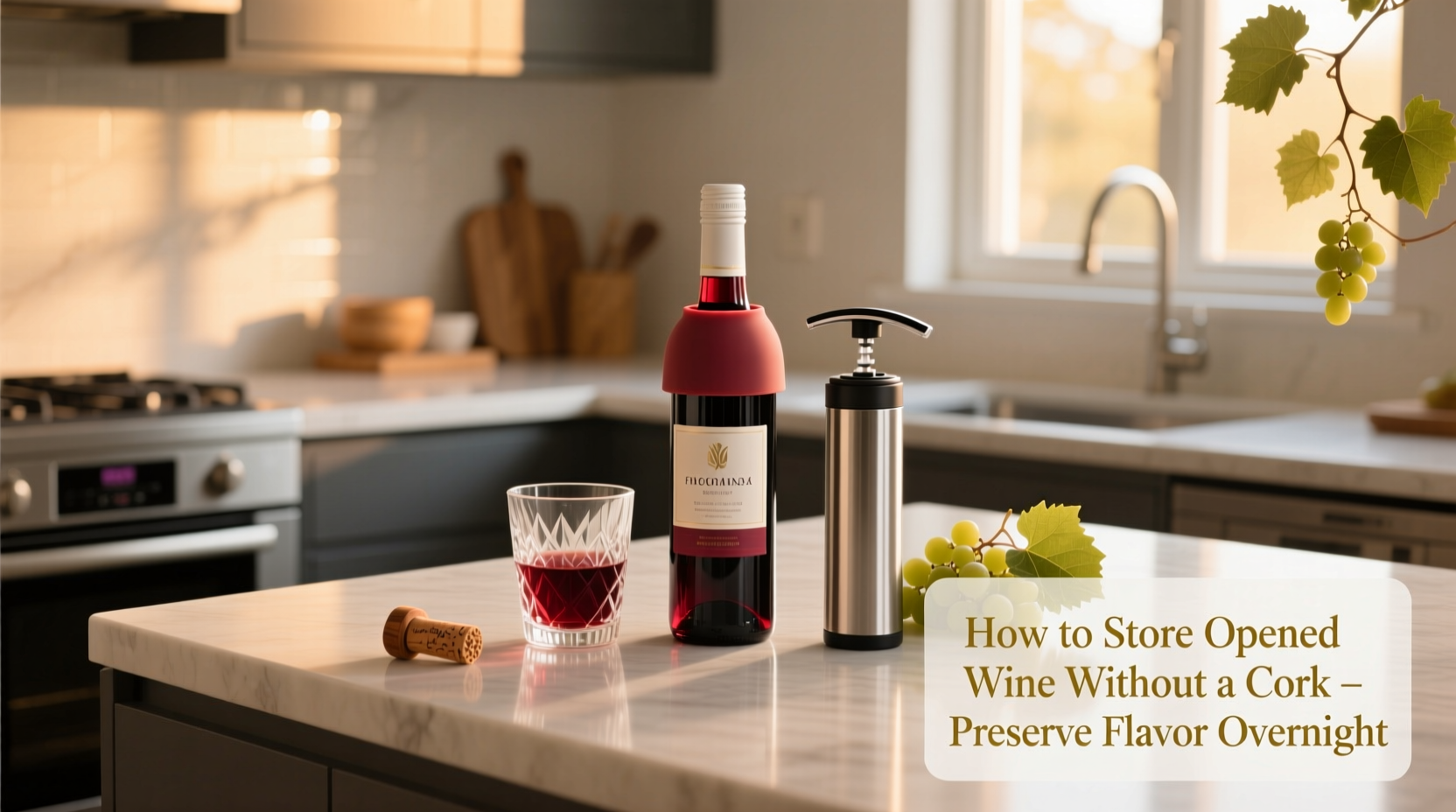
Wine is a living beverage. Once exposed to air, chemical reactions begin immediately. Oxygen interacts with phenolic compounds in wine, leading to oxidation. In small amounts, this can soften tannins and open up aromas—this is why decanting works. But prolonged exposure causes undesirable changes: fresh fruit notes fade, acidity drops, and the wine develops a flat, stale, or vinegar-like profile.
White wines, especially aromatic varieties like Sauvignon Blanc or Pinot Grigio, lose their vibrancy quickly. Red wines, while more resilient due to higher tannin levels, still degrade within 24–48 hours if left exposed. Sparkling wines are the most fragile, losing effervescence within hours.
Preserving wine isn’t about stopping oxidation entirely—it’s about slowing it down. The goal is to limit oxygen contact, maintain stable temperatures, and protect the wine from light and heat.
Effective Methods to Store Opened Wine Without a Cork
You don’t need a specialized stopper or vacuum pump to save your wine. Everyday kitchen items and smart storage choices can make a big difference. Below are five reliable methods, ranked by effectiveness and accessibility.
1. Transfer to a Smaller Airtight Container
The best way to reduce oxidation is to eliminate headspace—the empty space above the wine where oxygen accumulates. Transferring leftover wine into a smaller container reduces this space dramatically.
Use a clean glass bottle, jar, or even a mason jar with a screw-top lid. Fill it as close to the top as possible. For reds and whites alike, this method can preserve freshness for up to 3 days when refrigerated.
- Ideal containers: 375ml bottles, half-liter jars with tight seals
- Avoid plastic containers—they may leach odors and aren’t fully airtight
- Glass with rubber gaskets (like Weck jars) offer superior sealing
2. Use Plastic Wrap and a Rubber Band
If you must keep wine in the original bottle, create a makeshift seal. Stretch plastic wrap tightly over the bottle’s mouth and secure it with a rubber band. Press the wrap down gently to remove air pockets.
This method won’t be hermetic, but it significantly reduces airflow compared to leaving the bottle uncorked. It’s especially useful for short-term preservation—overnight storage.
“Even a simple barrier like cling film can cut oxygen ingress by 70% in the first 12 hours.” — Dr. Laura Whitaker, Enology Researcher, UC Davis
3. Submerge a Grape in the Bottle
An old sommelier trick: drop a clean, whole grape into the open bottle before refrigerating. The grape sinks and displaces oxygen, forming a temporary barrier at the surface.
While not foolproof, this method leverages the fact that grapes are mostly water and low in volatile compounds, so they won’t taint the wine. It’s best used in conjunction with refrigeration and only for one night.
4. Use an Inert Gas Spray (Private Preserve)
One of the most effective non-cork solutions is an inert gas wine preserver like Private Preserve. This aerosol spray releases a blend of nitrogen, argon, and CO₂—gases heavier than air—that settle on the wine’s surface and form a protective layer.
To use:
- Pour remaining wine into a clean bottle if needed
- Hold the spray upright and insert the nozzle into the bottle
- Spray for 3–5 seconds
- Cover with plastic wrap or a loose cap
Results: White and rosé wines stay fresh for 3–5 days; reds for 2–4 days.
5. Refrigerate Immediately—Even Red Wine
Temperature is a powerful ally. Cold slows chemical reactions, including oxidation. Refrigeration is essential for any opened wine, regardless of color.
Contrary to popular belief, chilling red wine briefly does no harm. Take it out 20–30 minutes before serving the next day to bring it to optimal drinking temperature (around 60–65°F or 15–18°C).
Do’s and Don’ts of Storing Opened Wine
| Do | Don’t |
|---|---|
| Transfer wine to a smaller, full container | Leave wine in a half-empty bottle at room temperature |
| Refrigerate all opened wines immediately | Store wine near stoves, ovens, or windows |
| Use inert gas sprays for long-term preservation | Seal with metal lids directly on wine—risk of reaction |
| Cover bottles tightly with plastic wrap and bands | Use corks from other bottles—they rarely fit properly |
| Consume white and sparkling wines within 3 days | Keep opened sparkling wine in a regular bottle—use a champagne stopper |
Step-by-Step Guide: Preserving Wine Overnight Without a Cork
Follow this sequence for the best chance of enjoying flavorful wine the next evening:
- Pour your final glass – Avoid swirling or aerating the remaining wine.
- Choose a clean, smaller container – A half-bottle or 500ml jar with a tight lid works best.
- Transfer the wine – Pour carefully to minimize splashing, which introduces oxygen.
- Seal immediately – Screw on the lid tightly or use plastic wrap and a rubber band.
- Spray with inert gas (optional) – Add a burst of preservation spray before sealing.
- Label the container – Note the date and wine type.
- Refrigerate promptly – Place in the back of the fridge, away from strong-smelling foods.
- Serve the next day – Remove reds 30 minutes before drinking; whites and sparklings can be served cold.
This routine takes less than three minutes and can preserve up to 90% of the wine’s original character.
Real Example: A Weeknight Dilemma Solved
Sophie, a marketing consultant in Portland, opens a bottle of Oregon Pinot Noir on Tuesday night. She pours one glass, then heads to bed. Instead of leaving the bottle on the counter, she transfers the remaining wine to a clean 375ml glass bottle, seals it with a screw cap, and places it in the refrigerator.
On Wednesday evening, she retrieves the bottle. After letting it sit for 25 minutes, she pours a second glass. The wine retains its bright cherry notes and earthy undertones—only slightly softer than the first night. Her colleague later remarks, “I never save wine—I always think it goes bad,” to which Sophie replies, “You just have to get it cold and sealed fast.”
This real-world scenario illustrates how minor adjustments in habit yield significant improvements in wine quality retention.
Tools That Help—And Those That Don’t
Not all wine preservation gadgets deliver results. Here’s a quick comparison of popular tools:
- Vacuum Pumps: These remove air from the bottle but can also extract volatile aromas, flattening the wine’s bouquet. Best for short-term use (1–2 days), but not ideal for delicate wines.
- Argon Dispensers (e.g., Coravin): Excellent for long-term preservation, allowing you to pour without removing the cork. Expensive, but worth it for collectors or those who drink slowly.
- Champagne Seals: Designed for sparkling wines, these spring-loaded stoppers maintain pressure. Do not use on still wines—they’re over-engineered and unnecessary.
- Plastic Wrap + Rubber Band: Low-cost, effective, and accessible. One of the best DIY solutions for overnight storage.
For most casual drinkers, transferring to a smaller container and refrigerating remains the gold standard—no special tools needed.
Frequently Asked Questions
Can I use aluminum foil instead of plastic wrap?
Yes, but with caution. Aluminum foil can react with acidic wines over time, potentially imparting a metallic taste. If using foil, place a layer of plastic wrap between the foil and wine surface. Secure tightly with a rubber band.
How long can opened wine last without a cork?
With proper storage—transferred to a small container, sealed, and refrigerated—most wines last 2–4 days. Light whites and rosés: 2–3 days. Full-bodied whites and reds: 3–4 days. Sparkling wines: 1–2 days, even with a proper stopper.
Does freezing wine ruin it?
Freezing wine for cooking is fine, but not recommended for drinking. Ice crystals can alter texture and separate components. However, freezing small portions in ice cube trays for sauces or deglazing is a smart way to avoid waste.
Final Thoughts: Make Preservation Part of Your Routine
Storing opened wine without a cork doesn’t require expensive gear or technical knowledge. It requires awareness and consistency. The moment you decide not to finish the bottle is the moment preservation begins. Act quickly, minimize air, and keep it cold.
Wine is meant to be enjoyed—not wasted. Whether you’re a daily sipper or an occasional indulger, adopting these simple practices ensures every glass tastes as intended. You’ll reduce waste, save money, and deepen your appreciation for each varietal.
Next time you open a bottle, think ahead. Have a clean jar ready. Keep plastic wrap nearby. Know where your refrigerator space is. These small preparations transform wine preservation from an afterthought into a seamless part of your ritual.




 浙公网安备
33010002000092号
浙公网安备
33010002000092号 浙B2-20120091-4
Comments
No comments yet. Why don't you start the discussion?