
Opening a bottle of wine doesn’t always mean finishing it in one sitting. Whether you're savoring a glass after dinner or sharing a bottle with a friend, leftover wine is common. The challenge arises when you want to enjoy that same bottle again the next day—without compromising its taste. While vacuum seals are popular tools for preserving opened wine, not everyone has one on hand. Fortunately, there are several effective methods to keep your wine fresh without relying on specialized equipment.
Wine begins to degrade once exposed to oxygen, a process known as oxidation. This alters its aroma, softens tannins, and eventually turns the wine flat or vinegary. The key to prolonging its life lies in minimizing oxygen exposure, controlling temperature, and using proper storage techniques. With a few smart habits, you can extend the drinkability of opened wine by two to five days—even without a vacuum pump.
Understanding Oxidation and Wine Shelf Life
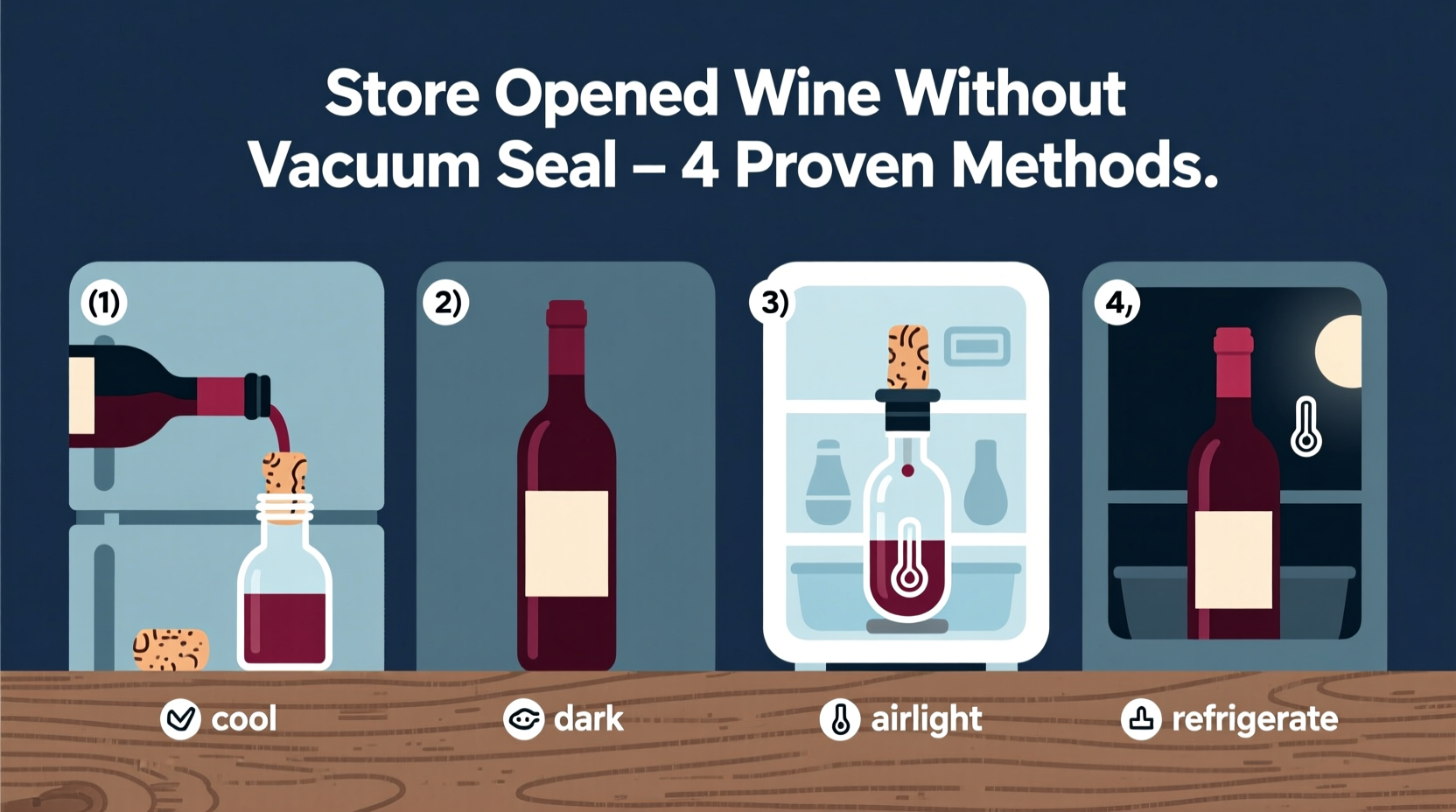
When wine meets air, chemical reactions begin almost immediately. Oxygen interacts with phenolic compounds in wine, which can initially enhance aromas (a process called \"breathing\"), but prolonged exposure leads to deterioration. Light-bodied whites and rosés oxidize faster than full-bodied reds due to lower tannin levels, which act as natural preservatives.
Typically, an opened bottle lasts:
- Light white and rosé wines: 3–5 days in the fridge
- Full-bodied whites (e.g., Chardonnay): 3–4 days refrigerated
- Red wines: 3–6 days in a cool, dark place
- Dessert and fortified wines: Up to 7 days or more due to higher sugar or alcohol content
The goal isn’t to stop oxidation completely—it’s inevitable—but to slow it down significantly. Without a vacuum seal, focus shifts to displacement, temperature control, and container management.
Effective Storage Methods Without a Vacuum Seal
Several practical, low-cost strategies can help maintain wine quality after opening. These rely on basic principles of chemistry and physics rather than gadgets.
1. Re-Cork and Refrigerate (Whites & Rosés)
For white and rosé wines, refrigeration is your best ally. Cold temperatures slow both oxidation and microbial activity. After pouring, securely reinsert the original cork or use a temporary stopper. Store upright to minimize surface area exposed to air.
If the cork broke or is missing, use plastic wrap secured tightly with a rubber band over the mouth of the bottle, then cap it with a screw-top lid if available. This creates a semi-airtight seal.
2. Use a Smaller Container (All Wine Types)
Transferring leftover wine into a smaller bottle drastically reduces headspace—the empty space above the liquid where oxygen accumulates. A half-full wine bottle has too much air, accelerating spoilage.
Ideally, use a clean 375ml or 187ml glass bottle with a tight-sealing cap. Pour the wine gently to avoid splashing, which introduces more oxygen. Once transferred, store according to type: reds in a cool cupboard, whites in the fridge.
“Reducing headspace is more effective than most people realize. Even without vacuum tools, moving wine to a smaller vessel can add two extra days of freshness.” — Carlos Mendez, Sommelier & Beverage Director, Napa Valley
3. Inert Gas Sprays (Argon-Based Preservers)
Though not a vacuum method, inert gas sprays like Private Preserve offer excellent protection. These products release a layer of heavier-than-air gases (argon, nitrogen, CO₂) that settle over the wine, forming a protective blanket against oxygen.
To use: Spray for 1–2 seconds into the open bottle before re-corking. No special equipment needed. One can lasts up to 100 uses and costs under $15. While technically a purchased tool, it’s passive and doesn’t require pumps or electricity.
4. Limit Light and Heat Exposure
UV rays and warmth accelerate chemical degradation in wine. Even without a vacuum seal, storing wine in a dark, cool environment helps preserve integrity. Avoid countertops near stoves, windowsills, or under fluorescent lights.
Basements, interior closets, or wine cabinets work well for reds. For whites and rosés, consistent refrigerator temperatures (around 40°F / 4°C) are ideal. Remember: serve chilled whites cold, but allow reds to warm slightly before drinking.
5. Keep Bottles Upright
Unlike unopened wine, which benefits from horizontal storage to keep corks moist, opened bottles should be stored upright. This minimizes the wine’s surface area in contact with air and prevents the cork from absorbing off-flavors or drying out prematurely.
This rule applies regardless of wine type. If using a reusable silicone stopper, ensure it fits snugly to reduce micro-leaks.
Step-by-Step Guide: Storing Opened Wine Without Vacuum Tools
Follow this sequence to maximize shelf life:
- Pour carefully: Minimize agitation to reduce immediate oxygen mixing.
- Re-cork immediately: Use the original cork or a substitute like plastic wrap + rubber band.
- Assess volume: If less than half the bottle remains, consider transferring to a smaller container.
- Apply inert gas (optional): Spray argon-based preserver before sealing.
- Store appropriately: Whites/rosés in the fridge; reds in a cool, dark place.
- Label the bottle: Note the date opened to track freshness.
- Taste before serving: On day 3+, check for off-aromas or flatness.
Do’s and Don’ts of Post-Opening Storage
| Do’s | Don’ts |
|---|---|
| Re-cork or reseal immediately after pouring | Leave wine uncorked on the counter |
| Transfer small amounts to smaller bottles | Store half-empty bottles long-term without intervention |
| Keep whites and rosés refrigerated | Store all wine at room temperature after opening |
| Use inert gas sprays for added protection | Rely solely on loosely placed corks |
| Store bottles upright to limit air contact | Store opened bottles on their side |
| Smell and taste before serving on day 3+ | Assume wine is safe just because it looks clear |
Real Example: Sarah’s Weeknight Wine Routine
Sarah, a marketing consultant in Portland, enjoys a glass of Sauvignon Blanc during her weeknight dinners but rarely finishes a full bottle. She used to pour the remainder down the drain after two days, assuming it had spoiled. After learning about transfer methods, she began using clean 500ml olive oil bottles (rinsed thoroughly) to store leftovers.
She pours the remaining wine into the smaller container, seals it with the original cap, and places it in the back of her fridge—away from strong-smelling foods. Now, her wine stays fresh for up to four days. “I was skeptical,” she says, “but the difference is real. It tastes crisp, not flat. I’ve saved nearly a bottle’s worth each week.”
This simple switch reduced her waste and monthly spending by about 20%. No vacuum pump required.
Alternative Solutions and Creative Hacks
While traditional methods work well, some creative approaches can further extend usability—especially when preservation isn’t the only goal.
Cooking with Leftover Wine
If a wine has begun to oxidize but isn’t yet sour, repurpose it for cooking. Deglaze pans, enrich sauces, or poach fruits. Avoid freezing wine in flimsy ice cube trays, though—glass can crack. Instead, use silicone molds and label them clearly.
Make Your Own Wine Vinegar
Turn slightly sour red wine into artisanal vinegar. Combine 1 cup wine with 1 tablespoon raw vinegar (containing mother), cover with cheesecloth, and leave in a dark cabinet for 3–6 weeks. Stir weekly. Once tangy, strain and bottle.
Freeze for Later Use
Portion leftover wine into ice cube trays and freeze. Transfer cubes to a sealed bag and use within 3 months for recipes calling for wine. Not suitable for sipping, but perfect for enhancing dishes.
FAQ: Common Questions About Storing Opened Wine
Can I use a regular food saver vacuum sealer on wine bottles?
No. Standard vacuum sealers are designed for solids or liquids in bags, not narrow glass bottles. Attempting to seal a wine bottle this way may break the glass or fail to create a proper seal. Stick to wine-specific tools or alternative methods.
How do I know if opened wine has gone bad?
Signs include a sharp, vinegar-like smell, dull or brownish color (especially in whites), and a flat or sour taste. If the wine lacks fruitiness and smells musty or sherry-like (beyond intentional oxidation), it’s likely past its prime. When in doubt, pour it into a sauce.
Does screw-cap wine last longer than cork-sealed wine once opened?
Not necessarily. Closure type affects aging potential pre-opening, but post-opening longevity depends more on storage conditions than cap style. Screw caps offer a more consistent initial seal, but once opened, both types degrade at similar rates if exposed to air.
Final Tips Checklist
- ✔ Re-cork or reseal immediately after each pour
- ✔ Refrigerate white, rosé, and sparkling wines after opening
- ✔ Transfer half-empty bottles to smaller containers
- ✔ Use argon gas sprays for extended preservation
- ✔ Store all opened bottles upright in a cool, dark place
- ✔ Label bottles with the opening date
- ✔ Taste before serving after day 2
- ✔ Repurpose old wine for cooking or vinegar
Conclusion: Sip Smarter, Waste Less
Storing opened wine without a vacuum seal is entirely possible—and effective—with the right approach. By understanding how oxidation works and applying simple, science-backed techniques, you can enjoy your favorite bottles over multiple days without sacrificing quality. Whether you choose to downsize containers, leverage cold storage, or use inert gases, consistency matters more than perfection.
You don’t need expensive gear to treat wine with care. Everyday actions—like recorking promptly, avoiding heat, and transferring wisely—add up to better taste and less waste. Start tonight: save that last glass not for tomorrow’s dump, but for tomorrow’s delight.




 浙公网安备
33010002000092号
浙公网安备
33010002000092号 浙B2-20120091-4
Comments
No comments yet. Why don't you start the discussion?