
Perfume is more than a luxury—it’s a personal signature. A well-chosen fragrance can define a mood, evoke memories, or leave a lasting impression. But like fine wine or skincare serums, perfumes are sensitive to their environment. Over time, exposure to heat, light, humidity, and air can degrade the delicate balance of aromatic compounds, altering the scent or rendering it unusable. The good news: with proper storage, you can significantly extend the life of your favorite fragrances. Understanding the chemistry behind perfume degradation and adopting simple but effective storage habits can preserve both the integrity and performance of your collection.
Understanding Perfume Composition and Degradation
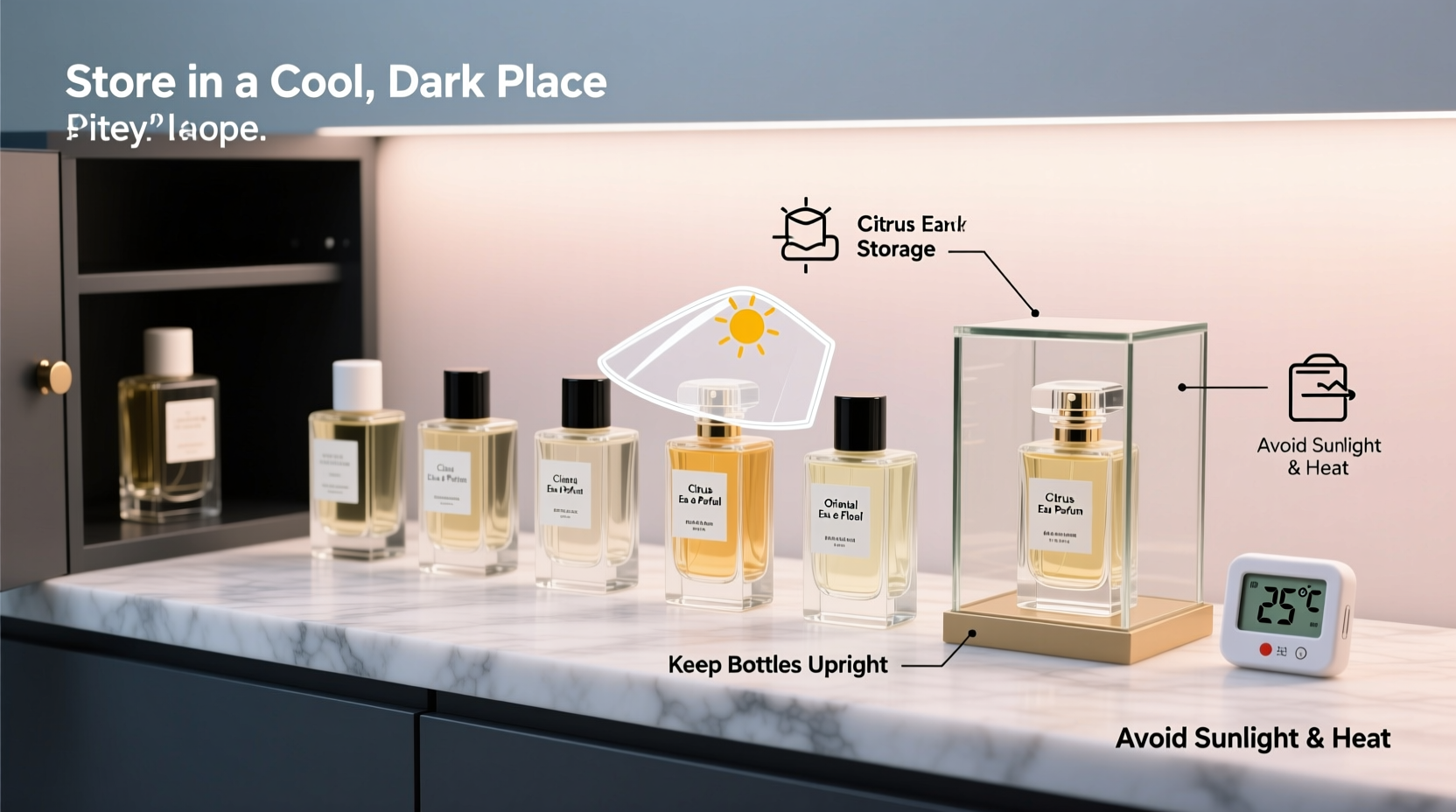
Perfumes are complex blends of essential oils, alcohol, water, and synthetic aroma molecules. These ingredients react differently to environmental stressors. The alcohol base evaporates easily, while natural oils oxidize when exposed to oxygen and UV light. Oxidation changes molecular structures, which in turn alters how the scent unfolds on the skin—what was once a bright citrus opening might become sour or flat.
Light, particularly ultraviolet (UV) rays, accelerates photodegradation. Heat increases volatility, causing top notes to fade faster and destabilizing the overall composition. Humidity introduces moisture, which can encourage bacterial growth in alcohol-based solutions or promote mold in packaging. Even frequent temperature fluctuations—like those found in bathrooms or near windows—can cause expansion and contraction within the bottle, allowing air to seep in and speed up spoilage.
The average shelf life of an unopened perfume is 3–5 years, but once opened, exposure begins immediately. With poor storage, that lifespan can shrink to just 12–18 months. However, many vintage fragrances stored correctly have remained wearable for decades, proving that preservation is not only possible but highly effective.
“Fragrance is a volatile art form. Protecting it from light and heat isn’t just about shelf life—it’s about honoring the craftsmanship behind every drop.” — Dr. Lena Moreau, Cosmetic Chemist & Fragrance Stability Researcher
Optimal Storage Conditions: Where and How to Keep Your Perfumes
The ideal storage environment mimics that of a museum vault: stable, dark, and cool. This doesn’t mean locking your bottles in a bunker, but rather making mindful choices about where you keep them in your home.
A bedroom drawer away from direct sunlight is often better than a bathroom vanity. Bathrooms experience dramatic humidity swings from showers and lack ventilation in many homes. Kitchens, despite seeming convenient, are prone to heat spikes from ovens and stovetops. Instead, choose interior closets, linen cabinets, or dedicated storage boxes placed on a dresser in a climate-controlled room.
Temperature consistency is key. Avoid locations near radiators, windows, or exterior walls. Ideal storage temperatures range between 60°F and 70°F (15°C–21°C). Sudden shifts—such as moving a bottle from a cold car to a warm room—cause condensation inside the bottle, introducing moisture and accelerating breakdown.
Do’s and Don’ts of Perfume Storage
| Action | Recommended? | Reason |
|---|---|---|
| Store in original box | ✅ Yes | Boxes provide extra protection from light and physical damage |
| Keep in the bathroom | ❌ No | Humidity and heat degrade fragrance rapidly |
| Leave on a sunny windowsill | ❌ No | UV exposure causes chemical breakdown and color fading |
| Store upright with cap on | ✅ Yes | Prevents evaporation and oxidation; keeps nozzle clean |
| Use plastic organizers in direct sunlight | ❌ No | Plastic may leach chemicals; sunlight penetrates transparent containers |
| Rotate stock regularly | ✅ Yes | Ensures older bottles are used first, reducing waste |
Protecting Perfume from Light, Air, and Moisture
Three enemies of perfume longevity are light, air, and moisture. Each plays a distinct role in degrading fragrance over time.
Light: UV radiation breaks down aromatic molecules. Amber or dark-colored glass bottles offer some protection, but they’re not foolproof. Always store perfumes in opaque containers or their original boxes. Clear glass bottles should be treated with extra caution—never leave them exposed on a dresser near a window.
Air: Oxygen triggers oxidation, especially in citrus and floral notes. Every time you spray, a small amount of air enters the bottle. To minimize this, avoid shaking the bottle vigorously and always replace the cap tightly after use. For long-term storage of rarely used perfumes, consider transferring smaller amounts to travel atomizers and keeping the original bottle sealed.
Moisture: Water promotes microbial growth and dilutes alcohol concentration, weakening scent projection. Never store perfumes in damp areas like under-sink cabinets or steamy bathrooms. Also, avoid touching the nozzle with wet fingers, as this introduces contaminants.
Step-by-Step Guide to Long-Term Perfume Preservation
- Unbox carefully: Remove the perfume from shipping packaging promptly. Cardboard and adhesives can off-gas chemicals that affect scent.
- Inspect the seal: Ensure the cap and spray mechanism are intact. A loose cap means air leakage.
- Label with purchase date: Use a discreet sticker or notebook to track when each bottle was opened.
- Store in original box: Place the bottle back in its box, then into a drawer or cabinet away from light and heat.
- Limit exposure: Only remove the perfume when in use. Return it immediately after spraying.
- Rotate usage: If you own multiple fragrances, rotate them so none sit unused for extended periods.
- Monitor condition: Check for changes in color, smell, or consistency every few months. Cloudiness or separation indicates spoilage.
Real-World Example: The Forgotten Summer Scent
Sophia collected perfumes as both a hobby and emotional keepsake. One summer, she received a limited-edition citrus-floral fragrance she loved. She displayed it proudly on her sunlit bathroom counter, using it occasionally. By winter, she reached for it again—only to find the scent had turned sharp and metallic. The top notes were gone, replaced by a stale, vinegar-like odor. Confused, she consulted a fragrance forum and learned that UV exposure and daily temperature swings in her bathroom had broken down the volatile top notes in just four months.
She adjusted her habits: she moved her remaining perfumes into a closet drawer, kept them in their boxes, and began labeling bottles with dates. A year later, a similar citrus-based perfume stored under these conditions remained vibrant and true to its original profile. The difference wasn’t the fragrance—it was the storage.
Expert Tips for Travel and Seasonal Storage
Traveling with perfume requires special attention. Temperature extremes in car trunks, overhead compartments, or checked luggage can ruin a bottle in hours. Always carry perfumes in your hand luggage, ideally wrapped in a soft cloth or placed in a padded case. Avoid leaving them in a parked car, even for short errands.
For seasonal rotation—such as switching from heavy orientals in winter to fresh aquatics in summer—store off-season bottles properly. Group them by type (e.g., citrus, woody, floral), label clearly, and place in a dedicated storage box. Some collectors use vacuum-sealed bags with silica gel packs to reduce moisture and oxygen exposure, though this is optional for most casual users.
Perfume Storage Checklist
- ☑ Store in a cool, dark place (60–70°F / 15–21°C)
- ☑ Keep bottles in their original boxes
- ☑ Avoid bathrooms, kitchens, and sun-exposed areas
- ☑ Always replace caps tightly after use
- ☑ Minimize shaking and agitation
- ☑ Label bottles with purchase and opening dates
- ☑ Inspect perfumes every 3–6 months for changes
- ☑ Use older bottles first (rotate stock)
- ☑ Carry perfumes in protective cases when traveling
- ☑ Avoid storing in refrigerators unless necessary and controlled
Frequently Asked Questions
How can I tell if my perfume has gone bad?
Signs include a noticeable change in scent (especially sour, metallic, or vinegar-like notes), discoloration (darkening or cloudiness), or reduced sillage and longevity. Natural ingredient-heavy perfumes may age more quickly than synthetics.
Is it safe to store perfume in the refrigerator?
Only in specific cases. Cold temperatures slow degradation, but fluctuating temps from frequent removal can cause condensation. If you choose this method, dedicate a sealed container in the fridge solely for perfumes, and let the bottle warm to room temperature before use to avoid skin shock and altered scent projection.
Can I revive a spoiled perfume?
No. Once oxidation or contamination occurs, the chemical changes are irreversible. Do not attempt to filter or dilute old perfume—this won’t restore the original balance and may worsen the issue.
Conclusion: Make Preservation Part of Your Fragrance Ritual
Storing perfume properly isn’t about hoarding—it’s about respecting the artistry and investment behind each bottle. Whether you own a single signature scent or a curated collection, small daily habits can make a dramatic difference in how long your fragrances remain vibrant and true. From choosing the right location to rotating bottles mindfully, every decision counts.
Start today: take inventory of where your perfumes are currently stored. Move them out of sunlight, check their caps, and place them in their boxes if available. Label them with dates. These simple actions will pay off in richer, longer-lasting scents and fewer disappointments down the line.




 浙公网安备
33010002000092号
浙公网安备
33010002000092号 浙B2-20120091-4
Comments
No comments yet. Why don't you start the discussion?