
In regions where humidity lingers year-round—such as coastal cities, tropical zones, or subtropical areas—storing off-season clothing presents a persistent challenge. High moisture levels in the air create ideal conditions for mold, mildew, and musty odors to develop, even in clean garments. Without proper care, your favorite winter sweaters, formal wear, or vintage pieces can emerge from storage with stains, discoloration, or an unpleasant smell that’s difficult to remove. But with strategic preparation, climate-aware techniques, and the right materials, you can preserve your wardrobe through humid seasons while keeping fabrics fresh and wearable.
Understanding the Risks of Humidity on Stored Clothing
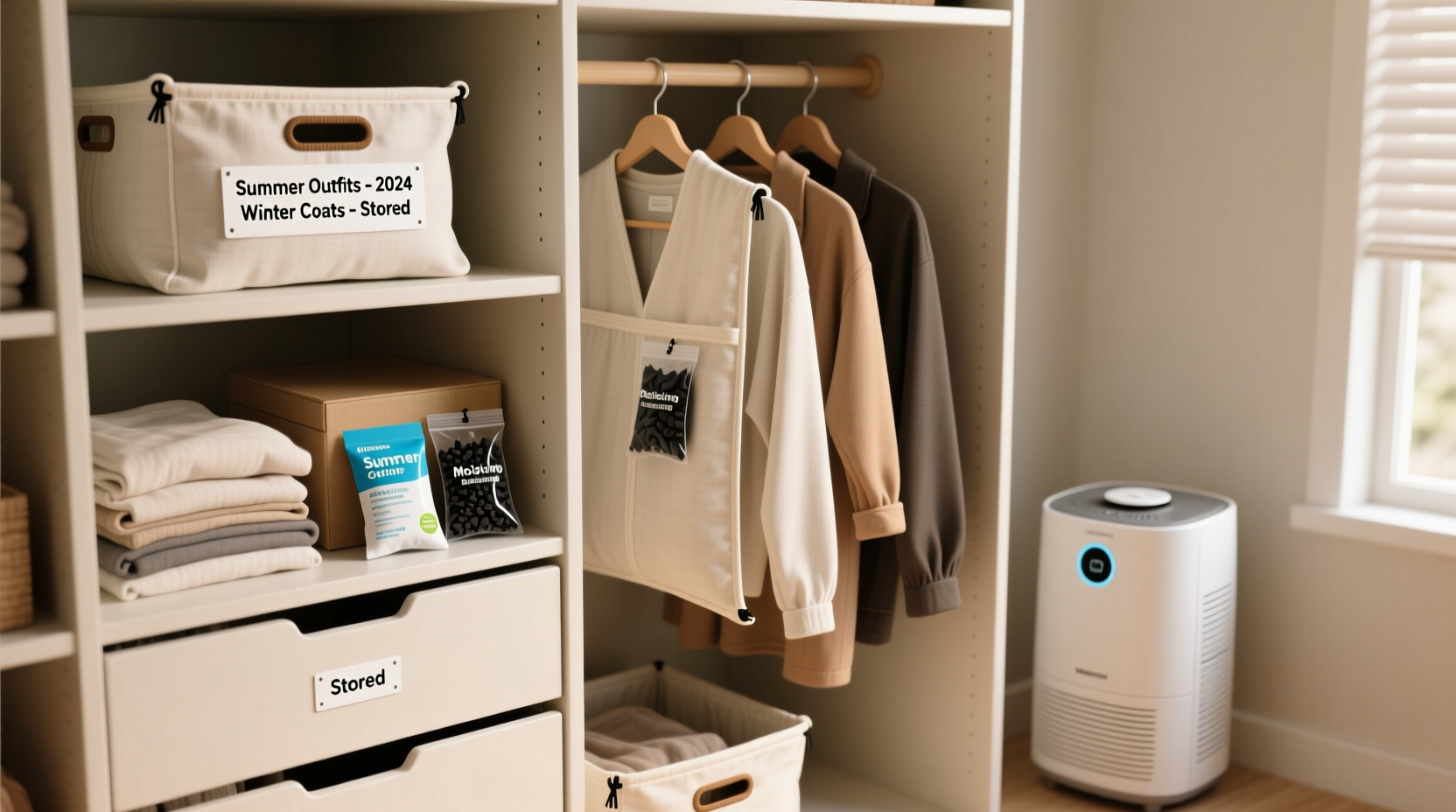
Humidity is more than just discomfort—it's a biological catalyst. When relative humidity exceeds 60%, organic materials like cotton, wool, and silk become vulnerable to microbial growth. Mold spores are ever-present in the environment, but they only thrive when moisture, warmth, and a food source (like natural fibers or residual body oils) converge. This means that even clothes cleaned before storage can degrade if placed in a damp closet or sealed in non-breathable containers.
Synthetic fabrics fare slightly better but aren’t immune. Polyester and nylon may resist rot, but they can trap odors and retain moisture against adjacent natural fibers. Additionally, metal zippers and buttons may corrode over time in high-humidity environments, leading to staining or structural damage.
“Clothing stored in humidity above 65% has a significantly higher risk of fungal colonization within 72 hours.” — Dr. Lena Torres, Textile Preservation Specialist, Southeast Climate Research Institute
The key is not just cleanliness, but ongoing moisture control and airflow management throughout the storage period.
Step-by-Step Guide: Preparing Clothes for Humid Climate Storage
Proper preparation begins well before you fold the last sweater. Follow this timeline to ensure each item is protected from day one of storage:
- Wash or dry clean thoroughly: Never store clothes that haven’t been cleaned. Sweat, skin oils, and food residues attract microbes and accelerate fabric breakdown. Woolens should be professionally dry cleaned; cotton and synthetics can be machine-washed using mild detergent.
- Dry completely: Air-dry items in direct sunlight if possible. UV light naturally kills mold spores and bacteria. Ensure no dampness remains in seams or linings. Tumble drying on low heat is acceptable, but avoid high heat on delicate fabrics.
- Inspect for damage: Repair loose buttons, small tears, or fraying hems. These weak spots can worsen during long-term storage and provide entry points for pests.
- Deodorize naturally: For added freshness, place garments in a sealed container with baking soda for 24 hours post-washing. Alternatively, lightly mist with white vinegar diluted in water (1:3 ratio), then air out completely.
- Fold or hang appropriately: Knits and heavy woolens should be folded to prevent stretching. Blouses, jackets, and structured garments benefit from padded hangers to maintain shape.
Best Storage Materials and Containers for Humid Climates
The container you choose can make or break your storage success. Many people default to plastic bins, but not all plastics are equal—and some actually trap moisture inside, creating a greenhouse effect.
| Storage Option | Pros | Cons | Best For |
|---|---|---|---|
| Plastic bins with locking lids (ventilated) | Pest-proof, stackable, moisture-resistant exterior | Can trap internal moisture if not used with desiccants | Casual wear, jeans, outerwear |
| Cedar chests or wooden trunks | Natural moth-repellent properties, aesthetically pleasing | Wood absorbs humidity; requires lining with breathable fabric | Formal wear, heirloom pieces |
| Vacuum-sealed bags | Space-saving, excellent pest barrier | Traps any residual moisture; compresses delicate fibers | Down jackets, bulky items (with caution) |
| Breathable fabric bins or canvas boxes | Allows air circulation, lightweight | Not rodent-proof; less durable long-term | T-shirts, linens, cotton layers |
| Garment bags (cotton or muslin) | Ventilated, protects against dust | No moisture absorption; must be paired with dehumidifiers | Suits, dresses, coats on hangers |
Air-tight doesn't mean safe. In humid climates, prioritize containers that either actively manage moisture or allow ventilation. Always elevate storage units off concrete floors using wooden pallets or plastic risers to prevent wicking of ground moisture.
Climate Control and Moisture Management Strategies
Even with perfect prep, environmental conditions determine long-term outcomes. Ideal clothing storage occurs at 45–55% relative humidity and temperatures below 70°F (21°C). Achieving this in tropical or monsoon-prone regions requires intervention.
- Use silica gel packs: Place several food-grade silica packets inside each bin. Replace or recharge them monthly by baking at 250°F for 2 hours.
- Install reusable dehumidifiers: Products like DampRid or Eva-Dry work passively to absorb ambient moisture in closets or storage rooms.
- Invest in a closet dehumidifier: Small electric units designed for wardrobes maintain consistent dryness without noise or energy waste.
- Rotate storage locations seasonally: Avoid storing clothes in attics, basements, or garages—these areas experience extreme temperature and humidity swings.
- Monitor with a hygrometer: A $10 digital sensor lets you track real-time humidity levels near your stored items.
Safe Alternatives to Mothballs and Chemical Deodorizers
Traditional mothballs rely on naphthalene or paradichlorobenzene—chemicals linked to respiratory irritation and environmental toxicity. While effective against pests, their lingering odor can permeate fabrics and persist even after airing out. Safer, natural alternatives exist:
- Cedar blocks or rings: Sand lightly every few months to renew aromatic oils that repel moths.
- Lavender sachets: Combine dried lavender with rice in small linen pouches. The rice helps absorb moisture while releasing fragrance.
- Activated charcoal bags: Naturally adsorb odors and excess moisture without chemicals.
- Essential oil sprays: Mix 10 drops of tea tree or eucalyptus oil with water in a spray bottle and lightly mist garment bags (avoid direct contact with delicate silks).
These options offer dual protection—deterring insects while maintaining a fresh scent profile without synthetic residues.
Mini Case Study: Preserving Winter Wardrobe in Bangkok
Somchai, a resident of Bangkok, struggled annually with mildewed wool coats emerging from storage each rainy season. Despite cleaning them before packing, he found black specks and sour smells every August. After consulting a local textile conservator, he revised his approach:
- He began dry-cleaning all wool items and adding cedar blocks inside each pocket.
- Instead of sealing coats in vacuum bags, he used breathable cotton garment covers.
- He purchased a compact electric dehumidifier for his bedroom closet, where he stores off-season clothes.
- Every two months, he opens the closet door for several hours and replaces silica gel packs.
After one full year, Somchai retrieved his coats completely intact—no stains, no odor. “I used to throw away one or two pieces every season,” he said. “Now everything lasts five years or more.”
Checklist: Humidity-Safe Seasonal Clothing Storage
Follow this checklist before placing any garment into long-term storage:
- ✅ All items have been washed or professionally cleaned
- ✅ Garments are fully dry—no lingering dampness in linings or folds
- ✅ Repairs completed (buttons, seams, zippers)
- ✅ Natural deodorizers added (e.g., lavender, cedar, charcoal)
- ✅ Containers are clean, dry, and appropriate for fabric type
- ✅ Desiccant packs or dehumidifiers placed inside each unit
- ✅ Storage area is elevated, cool, and away from exterior walls
- ✅ Hygrometer installed to monitor humidity levels regularly
Frequently Asked Questions
Can I use rice instead of silica gel to absorb moisture?
Yes, uncooked rice can absorb moisture and is often used in DIY desiccant pouches. However, it’s less efficient than silica gel and may attract pests if exposed. For best results, use rice in cloth bags alongside essential oils and replace monthly.
How often should I check stored clothes in a humid climate?
Inspect your stored garments every 6–8 weeks. Open containers briefly to allow airflow, check for condensation, and replace or regenerate moisture absorbers. Early detection prevents irreversible damage.
Is it safe to store clothes in under-bed plastic bins in a humid apartment?
Only if the bins are ventilated or used with ample desiccants. Under-bed spaces often trap stagnant air and collect dust. Elevate bins slightly using small feet, add activated charcoal bags, and avoid stacking too many layers.
Conclusion: Protect Your Wardrobe Year-Round
Storing seasonal clothes in humid climates doesn’t require expensive equipment or complex rituals. It demands awareness, consistency, and a few smart adjustments to how and where you keep your garments. By combining thorough cleaning, breathable storage, active moisture control, and natural protectants, you can safeguard your wardrobe from mildew, odors, and deterioration. The effort invested today ensures that next season, your clothes will come out looking and smelling as good as the day you packed them away.




 浙公网安备
33010002000092号
浙公网安备
33010002000092号 浙B2-20120091-4
Comments
No comments yet. Why don't you start the discussion?