
Seasonal wardrobe rotation is a ritual in many homes—cozy sweaters packed away in spring, lightweight linens tucked into storage by fall. But when it comes time to retrieve those garments months later, few things are more disheartening than discovering holes, musty odors, or the unmistakable signs of moth infestation. While plastic bins have long been the go-to solution for protection, they come with drawbacks: trapping moisture, limiting airflow, and contributing to environmental waste. The good news? You can store your seasonal clothing safely, sustainably, and moth-free—without ever using plastic.
The key lies in understanding what moths truly fear: clean fabrics, proper ventilation, natural repellents, and disruption of their lifecycle. By combining time-tested techniques with thoughtful organization, you can preserve your favorite pieces for years to come—using only breathable materials, smart storage solutions, and eco-conscious practices.
Why Avoid Plastic Bins for Clothing Storage?
Plastic containers may seem like airtight fortresses against pests, but they often do more harm than good over time. When clothing is sealed in plastic—especially in basements, attics, or closets with fluctuating temperatures—condensation can form inside. This trapped moisture creates an ideal environment for mold, mildew, and even hidden dampness that attracts silverfish and certain fabric pests.
Moths themselves don’t chew through plastic, but if eggs or larvae are already present on unwashed garments before storage, sealing them in plastic merely incubates the problem. Worse, plastic doesn’t allow fabrics to breathe, which can degrade delicate fibers like wool, silk, and cashmere over time.
“Natural fibers need to breathe. Storing them in non-porous containers risks micro-climate development that accelerates deterioration.” — Dr. Lila Monroe, Textile Conservation Specialist, University of Edinburgh
Breathable Alternatives to Plastic Storage
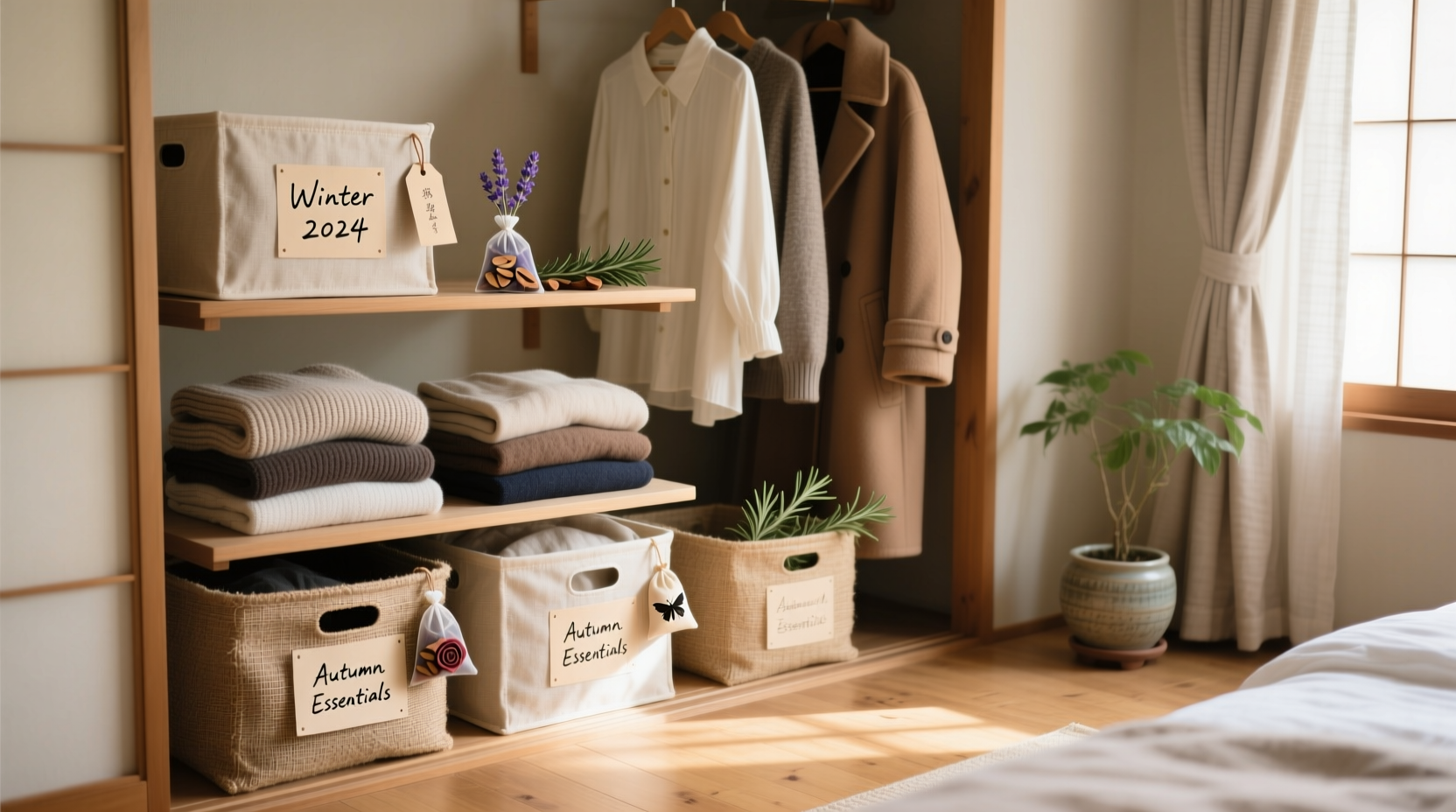
The foundation of effective, plastic-free clothing storage is choosing containers and wrapping materials that allow air circulation while keeping dust and pests at bay. Below are the most reliable alternatives:
- Cotton garment bags: Ideal for suits, coats, and dresses. These protect from dust while allowing airflow. Look for unlined cotton or muslin options.
- Canvas storage bins: Durable, stackable, and breathable. Opt for those with reinforced seams and fold-over tops.
- Wooden chests or trunks: Cedar-lined versions offer dual benefits—structural integrity and natural moth resistance.
- Cardboard boxes (with modifications): Not ideal long-term, but usable if lined with acid-free tissue paper and elevated off the floor.
- Fabric storage cubes: Great for shelves or under-bed use. Choose washable cotton or linen blends.
Avoid synthetic liners, vinyl covers, or laminated fabrics—even if marketed as “protective.” True breathability means unrestricted vapor exchange.
Step-by-Step Guide: Preparing Clothes for Plastic-Free Seasonal Storage
Proper preparation is more important than the container itself. Moths are attracted to organic residues—sweat, food stains, skin cells—so clean garments are your first line of defense.
- Wash or dry clean thoroughly: Never store soiled clothing. Wool and silk should be professionally cleaned; cotton and linen can be laundered at home with gentle detergent.
- Dry completely: Ensure items are 100% dry before packing. Hang knits flat to prevent stretching.
- Inspect for existing damage: Check seams, collars, and cuffs for tiny holes or webbing, which indicate prior moth activity.
- Fold or hang appropriately: Fold heavy knits to avoid shoulder bumps; hang structured garments like blazers with padded hangers.
- Pack with care: Use acid-free tissue to cushion folds and prevent creasing. Avoid overstuffing containers.
- Add natural repellents: Place sachets or blocks of cedar, lavender, or rosemary between layers (more on this below).
- Label and date: Use chalk or paper tags to identify contents and track storage duration.
Natural Moth Repellents That Actually Work
Chemical mothballs contain toxic pesticides like naphthalene or paradichlorobenzene—substances linked to respiratory issues and environmental harm. Fortunately, nature offers safer, equally effective deterrents.
| Repellent | How It Works | Best For | Reapplication Frequency |
|---|---|---|---|
| Cedar wood | Releases aromatic oils that disrupt moth navigation | Shelves, drawers, hanging spaces | Every 3–6 months (oil diminishes over time) |
| Lavender sachets | Scent masks attractants; linalool compound repels insects | Delicate silks, lingerie, baby clothes | Every 2–4 months (refresh with essential oil) |
| Dried rosemary | Strong herbaceous scent deters egg-laying | Wool blankets, knitwear | Every 3 months |
| Bay leaves | Natural eugenol content acts as insect deterrent | Drawers, folded stacks | Replace monthly |
| Neem oil | Bitter compound inhibits larval development | High-risk zones (attics, basements) | Monthly spray (diluted) |
To maximize effectiveness, combine two or more repellents. For example, line a wooden chest with cedar planks and tuck lavender pouches between folded sweaters. Rotate sachets seasonally to maintain potency.
Optimal Storage Locations and Environmental Control
No repellent can compensate for poor storage conditions. Moths thrive in dark, undisturbed, slightly humid environments—exactly what many closets and spare rooms provide.
The ideal storage space maintains:
- Relative humidity below 50%
- Stable temperature (60–70°F / 15–21°C)
- Regular air circulation
- Occasional light exposure (not direct sunlight)
Basements and attics are high-risk zones due to humidity fluctuations. If these are your only options, elevate containers on wooden pallets or shelves at least 6 inches off the floor, and use a dehumidifier during damp seasons.
For closets, install breathable shelf dividers and avoid cramming garments tightly together. Open doors weekly to allow airflow. Consider battery-operated fans or passive vents in enclosed cabinets.
Mini Case Study: Restoring a Heirloom Wardrobe
Sophie, a textile archivist in Vermont, inherited her grandmother’s 1950s wool coat collection—stored for decades in plastic bags in a cool basement. Upon inspection, she found several pieces riddled with holes and covered in fine webbing. Rather than discard them, she took action:
- She aired each coat outside for 48 hours in dry, breezy conditions.
- Each was brushed gently with a soft clothes brush to remove eggs and debris.
- She hand-washed salvageable pieces in cold water with wool-safe detergent.
- After drying flat, she stored them in breathable cotton garment bags lined with cedar blocks and lavender bundles.
- She rotated the coats every three months and monitored for signs of reinfestation.
Within a year, no new damage occurred. Today, the collection is preserved in a climate-controlled bedroom closet, used occasionally for exhibitions. Sophie credits success not to chemicals, but to vigilance, airflow, and layered natural protection.
Essential Checklist: Moth-Proof, Plastic-Free Storage Plan
Follow this checklist each season to ensure your clothing remains protected:
- ✅ Clean all garments before storage (no exceptions)
- ✅ Inspect for stains, holes, or signs of previous infestation
- ✅ Choose breathable containers: cotton, canvas, wood, or ventilated wicker
- ✅ Include at least two types of natural repellents (e.g., cedar + lavender)
- ✅ Store in a cool, dry, well-ventilated area away from floors and walls
- ✅ Elevate containers to prevent moisture absorption
- ✅ Label everything clearly with contents and date
- ✅ Rotate stored items every 3–4 months to disrupt moth cycles
- ✅ Air out garments for 24–48 hours before wearing after long storage
- ✅ Refresh repellents regularly and replace if scent fades
Frequently Asked Questions
Can I use essential oils directly on clothing?
No. Undiluted essential oils can stain or degrade natural fibers. Always apply oils to sachets, wooden blocks, or cotton pads—not directly onto fabric. If using a spray, dilute 5–10 drops per cup of water and test on an inconspicuous area first.
Are cedar chips better than cedar blocks?
Blocks are generally more effective. They have a larger surface area and last longer before needing renewal. Chips can scatter and may require frequent replacement. However, both work when sanded lightly every few months to release fresh oils.
How do I know if moths are still active in storage?
Look for small holes in fabric, silky webbing in folds, tiny rice-like casings (larvae), or adult moths fluttering when opening a container. A faint, musty \"gingerbread\" odor may also indicate infestation. Immediate airing and cleaning are required if any signs appear.
Final Thoughts: Sustainable Storage for Lasting Wardrobes
Storing seasonal clothes without plastic isn’t just an eco-friendly choice—it’s a smarter, healthier approach to garment care. By embracing breathable materials, natural pest deterrents, and mindful organization, you protect your investment while reducing reliance on synthetic solutions. Moths are opportunistic, not invincible. With clean fabrics, vigilant monitoring, and the right environment, they stand little chance.
Your wardrobe tells a story—one of memories, craftsmanship, and personal style. Preserving it shouldn’t come at the cost of your health or the planet’s. Start this season with a fresh approach: open the windows, air out your sweaters, choose a linen bag over a plastic bin, and tuck in a sprig of lavender. These small acts build a system that honors both your clothes and your values.




 浙公网安备
33010002000092号
浙公网安备
33010002000092号 浙B2-20120091-4
Comments
No comments yet. Why don't you start the discussion?