
Spices are the soul of flavor in cooking, transforming simple ingredients into vibrant, aromatic dishes. Yet, their potency is fragile. Improper storage can dull their aroma, fade their color, and strip away their depth—often within weeks. Many home cooks unknowingly compromise their spice quality by storing them on sunlit countertops or leaving them open to humidity. The good news: with a few informed choices, you can preserve your spices at peak freshness for months, even years. This guide reveals the science behind spice degradation and provides actionable strategies to extend shelf life, retain flavor, and make every pinch count.
The Enemies of Fresh Spices
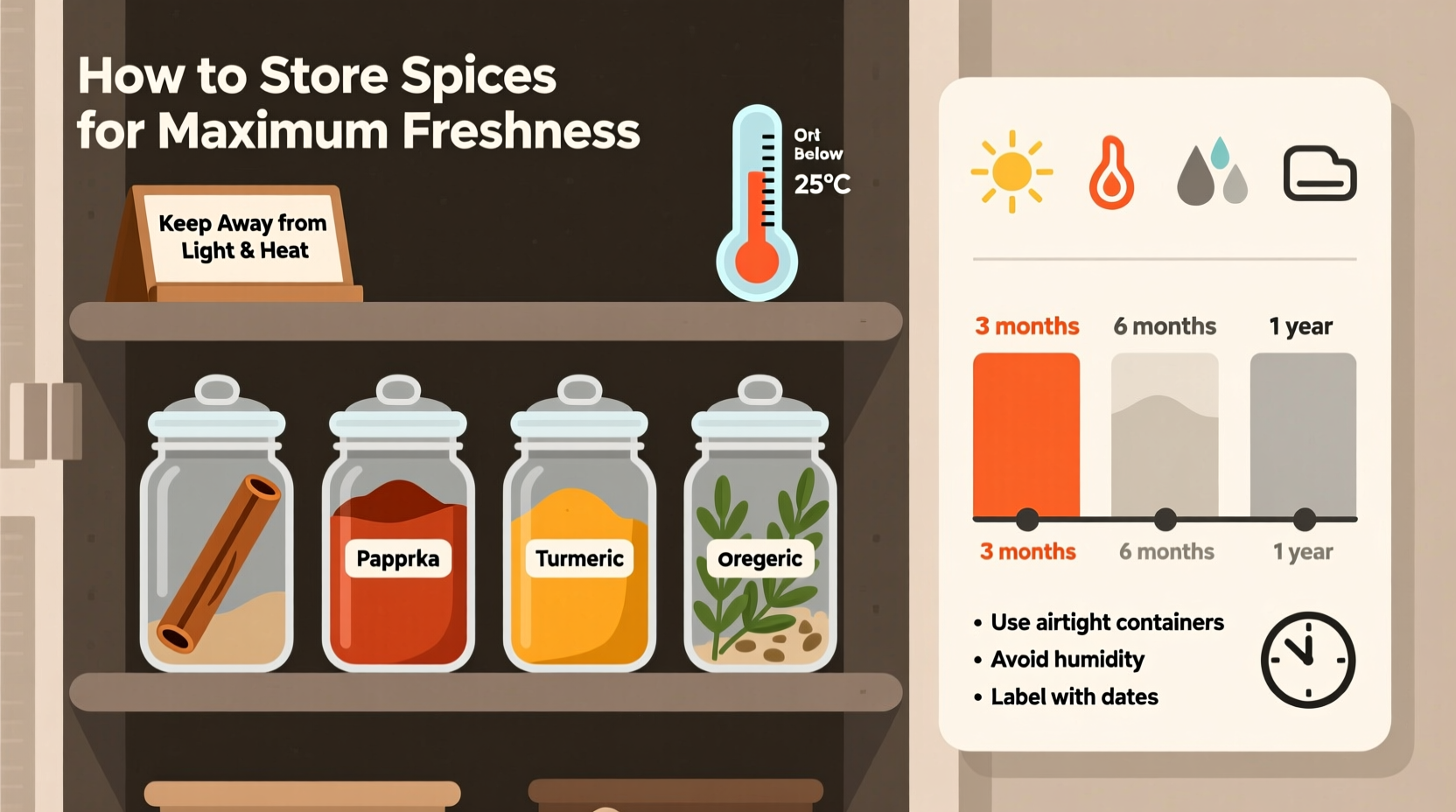
Before diving into storage methods, it’s essential to understand what degrades spices. Four primary factors accelerate flavor loss:
- Light: Ultraviolet rays break down volatile oils responsible for aroma and taste.
- Heat: High temperatures increase oxidation and cause essential oils to evaporate quickly.
- Air (Oxygen): Exposure leads to oxidation, diminishing flavor and color over time.
- Moisture: Humidity promotes clumping, mold growth, and chemical breakdown.
These elements act silently. A spice jar near a stove may look fine but could lose up to 50% of its essential oils within three months due to heat exposure alone. Understanding these threats allows for smarter storage decisions that protect your investment in quality ingredients.
Choosing the Right Containers
Not all spice containers are created equal. The material, seal quality, and opacity determine how well they shield contents from degradation.
Dark glass jars with tight-fitting lids are ideal. Amber or cobalt blue glass blocks UV light while remaining non-reactive. Avoid plastic, which can leach chemicals and is more permeable to air and moisture. Metal tins work well too, especially if lined to prevent corrosion, but ensure they have airtight seals.
For long-term storage, consider Mylar bags with oxygen absorbers—commonly used in commercial spice packaging. These block light, oxygen, and moisture effectively, preserving freshness far longer than standard jars.
| Container Type | Pros | Cons |
|---|---|---|
| Dark Glass Jars | UV protection, airtight, reusable, inert | Bulkier, fragile |
| Metal Tins | Durable, excellent barrier, stackable | Potential rust, opaque labels needed |
| Plastic Containers | Lightweight, inexpensive | Porous, degrades over time, reacts with oils |
| Mylar Bags + O₂ Absorber | Superior shelf life, compact, moisture-proof | Requires sealing equipment, not resealable |
If you buy spices in clear plastic bags from bulk stores, transfer them immediately to dark, airtight containers. This small step can double their usable life.
Optimal Storage Conditions
Location matters as much as container choice. The goal is a consistently cool, dark, dry environment with minimal temperature fluctuations.
The best place is a closed kitchen cabinet away from the oven, dishwasher, sink, and windows. Interior pantries or drawers under countertops are ideal. Avoid under-sink storage due to plumbing moisture and temperature swings.
Temperature stability is critical. Fluctuations cause condensation inside jars, introducing moisture. Aim for a consistent range between 50°F and 70°F (10°C–21°C). Basements or garages are generally unsuitable unless climate-controlled.
“Spice longevity isn’t just about expiration dates—it’s about storage integrity. A well-stored spice can remain potent for two years or more.” — Dr. Lena Patel, Food Preservation Scientist, University of California
Step-by-Step Guide: Setting Up Your Spice Storage System
- Inventory & Sort: Gather all spices. Discard any older than 3–4 years unless they’re whole seeds or dried chilies (which last longer).
- Label & Date: Mark each container with purchase or opening date. Use waterproof labels.
- Transfer to Dark Containers: Move spices from clear or flimsy packaging into amber glass or metal tins.
- Choose Location: Select a cool, dark cabinet away from heat sources and moisture.
- Organize Strategically: Group by category (e.g., baking, savory, international) or frequency of use.
- Minimize Air Exposure: Fill containers as full as possible. For half-empty jars, insert a food-safe silica packet to reduce headspace moisture.
- Monitor Quarterly: Check for clumping, off smells, or fading color. Replace as needed.
Freezing and Refrigerating: When It Makes Sense
Most spices should never be refrigerated. Cold environments introduce condensation when jars are opened, leading to clumping and mold. Ground spices like paprika, turmeric, and garlic powder are especially prone to moisture damage.
However, certain high-oil-content spices benefit from cold storage. Whole nutmeg, sesame seeds, poppy seeds, and chili flakes with residual oils can go rancid at room temperature. In humid climates, freezing these in airtight containers can extend freshness by 6–12 months.
If freezing, use vacuum-sealed bags or rigid containers with minimal air. Allow the spice to come to room temperature before opening to prevent condensation. Never freeze ground spices unless absolutely necessary.
Mini Case Study: Maria’s Kitchen Transformation
Maria, a home cook in Miami, noticed her curries lacked depth despite using the same recipes. Her spices were stored in clear jars on a sunny windowsill—a common mistake in hot, humid climates. After testing her turmeric and cumin, she found both had lost over 60% of their volatile oils due to light and heat exposure.
She transferred her entire collection to amber jars, labeled them with dates, and moved them to a dark lower cabinet. She also began buying whole spices like coriander and cumin seeds, grinding them as needed. Within weeks, her dishes regained their vibrancy. Six months later, her spices still passed the “sniff test” with strong, clear aromas—proof that proper storage delivers measurable results.
Do’s and Don’ts of Spice Storage
| Do’s | Don’ts |
|---|---|
| Store in airtight, opaque containers | Use clear jars in direct light |
| Keep in a cool, dark cabinet | Place near stovetop or oven |
| Buy whole spices when possible | Grind large batches in advance |
| Label with purchase/opening date | Assume spices last forever |
| Freeze high-fat seeds if in humid areas | Refrigerate ground spices regularly |
Checklist: Optimize Your Spice Storage Today
- ✅ Audit current spice collection for age and quality
- ✅ Transfer all spices to dark, airtight containers
- ✅ Label each jar with name and date
- ✅ Relocate spices to a cool, dark cabinet away from heat
- ✅ Invest in a small spice grinder for whole seeds
- ✅ Discard spices older than 3 years (except whole peppercorns, cinnamon sticks)
- ✅ Add silica gel packs to containers with frequent opening
Maximizing Flavor: Grind Your Own
No storage method can fully compensate for pre-ground convenience. Whole spices retain their essential oils far longer. A peppercorn stored properly can stay potent for 4+ years; once ground, it loses significant flavor within 6 months.
Invest in a dedicated spice grinder or mortar and pestle. Toasting whole spices lightly before grinding enhances aroma further. Cumin seeds, fennel, and mustard seeds release deeper notes when briefly heated in a dry pan before grinding.
This practice doesn’t require extra time. Grind a week’s worth of cumin or coriander in under a minute. The difference in dish brightness is immediate and profound.
Frequently Asked Questions
How long do spices really last?
Ground spices typically remain flavorful for 1–2 years when stored properly. Whole spices (like cloves, cinnamon sticks, and peppercorns) can last 3–4 years. Dried herbs are less durable, usually peaking within 1–2 years. Always rely on smell and color—fresh spices should have a strong aroma and vivid hue.
Can I revive old spices?
Once essential oils degrade, flavor cannot be restored. However, slightly faded spices can be toasted gently to intensify remaining aroma before use. For critical dishes, replacement is always better than compromise.
Is vacuum sealing worth it?
Yes, especially for bulk purchases. Vacuum sealing removes oxygen, significantly slowing oxidation. Combine with dark containers and cool storage for maximum shelf life. Home vacuum sealers with jar attachments make this easy and cost-effective.
Conclusion
Storing spices properly isn’t complicated, but it demands attention to detail. Light, heat, air, and moisture are silent destroyers of flavor—yet they’re easily controlled with the right containers and location. By switching to dark, airtight jars, avoiding heat sources, labeling clearly, and grinding whole spices as needed, you preserve the culinary essence that makes meals memorable.
Every dish you prepare benefits from this care. Imagine opening a jar of cumin and being hit with a wave of earthy warmth, or crushing a bay leaf that still releases pine-like fragrance after two years. That’s the reward of smart storage. Start today: pull out your spice rack, assess what’s there, and build a system that honors the ingredients you cook with. Your taste buds—and your recipes—will thank you.




 浙公网安备
33010002000092号
浙公网安备
33010002000092号 浙B2-20120091-4
Comments
No comments yet. Why don't you start the discussion?