
Winter coats are among the most valuable garments in a wardrobe—both in cost and utility. From wool overcoats to down-filled parkas, these pieces endure heavy use during cold months but spend much of the year in storage. Unfortunately, improper storage creates ideal conditions for moths to thrive, leading to irreparable damage such as holes, fraying, and unpleasant odors. The good news is that with the right preparation and storage strategy, you can protect your investment and ensure your coats remain in excellent condition season after season.
Moths don’t target dirty laundry out of malice—they’re simply responding to organic residues like sweat, food stains, or skin cells embedded in fabrics. Natural fibers like wool, cashmere, fur, and feathers are especially vulnerable because they contain keratin, which moth larvae feed on. Synthetic blends may resist infestation but aren’t immune if soiled. Preventing moth damage isn't just about using mothballs; it's about creating an inhospitable environment through thorough cleaning, smart containment, and vigilant monitoring.
Why Moth Damage Occurs in Stored Coats
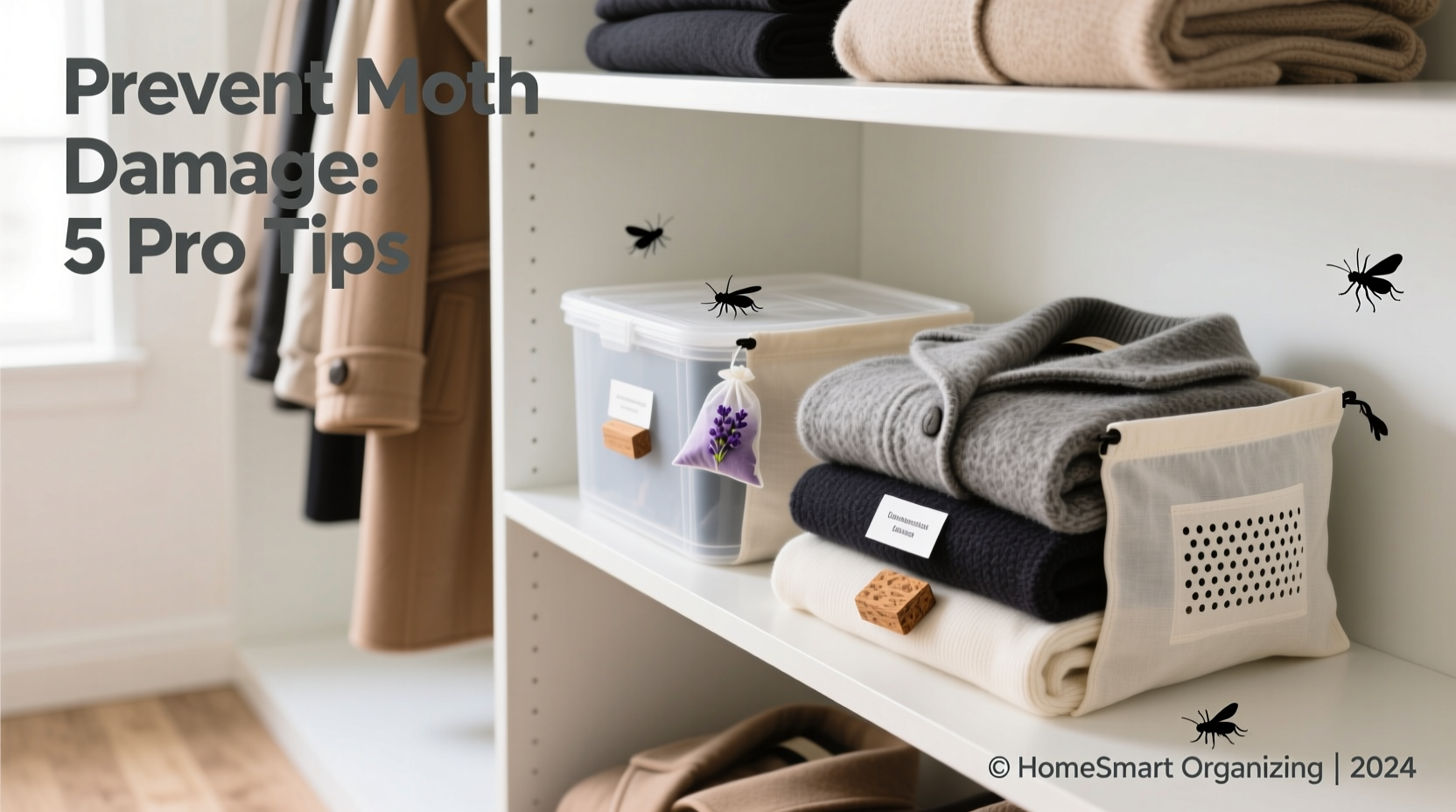
Moth infestations often go unnoticed until significant harm has been done. Adult moths don’t eat fabric—they lay eggs. It’s the larvae, hatching from those eggs, that consume natural fibers. These pests prefer dark, undisturbed spaces with moderate humidity, making closets, attics, and basements prime real estate for breeding.
The risk increases when coats are stored without proper preparation. A single speck of dried soup, a collar stained with hair product residue, or even pet hair clinging to a sleeve can attract female moths looking for a feeding ground for their offspring. Once established, an infestation can spread quickly to other garments made of wool, silk, or fur.
Many people assume cedar chests or lavender sachets alone are enough to deter moths. While both have mild repellent properties, neither eliminates existing eggs or larvae. Relying solely on scent-based deterrents gives a false sense of security. True protection requires a multi-step approach combining cleanliness, physical barriers, climate control, and regular inspection.
“Moths are attracted not to clothes themselves, but to what’s on them. Clean garments stand the best chance of surviving storage unscathed.” — Dr. Lena Peterson, Entomologist & Textile Preservation Specialist
Step-by-Step Guide: Preparing Your Coat for Storage
Proper preparation is the foundation of effective coat storage. Skipping even one step can compromise your efforts. Follow this detailed sequence before placing any winter coat into long-term storage.
- Inspect Thoroughly: Lay the coat flat or hang it under bright light. Check collars, cuffs, linings, pockets, and seams for signs of wear, stains, or existing insect activity such as tiny holes, webbing, or fecal pellets (small, sand-like grains).
- Clean Completely: Never store a coat without cleaning it first. Dry clean wool, cashmere, and tailored coats according to care labels. For machine-washable items like puffer jackets, use a gentle cycle with a mild detergent designed for delicates. Down-filled coats should be washed with a soap formulated specifically for down to preserve loft and insulation.
- Dry Fully: Ensure the coat is 100% dry before storing. Residual moisture encourages mold growth and attracts pests. Air-dry naturally away from direct heat sources, or tumble-dry on low with dryer balls if safe per label instructions.
- Treat High-Risk Areas: Apply a natural enzyme-based stain remover to collars and cuffs where oils accumulate. This removes invisible residues that might attract moths later.
- Deodorize Naturally: Sprinkle baking soda lightly inside the lining, let sit for 30 minutes, then vacuum gently with a brush attachment. This neutralizes odors without harsh chemicals.
Choosing the Right Storage Method
How you store your coat matters as much as how you prepare it. The wrong container or location can undo all your preparatory work.
- Avoid Plastic Bags: While common, plastic garment bags trap moisture and restrict airflow, creating a humid microclimate perfect for mold and hidden moth eggs. If you must use plastic, opt for breathable cotton garment bags instead.
- Use Acid-Free Tissue Paper: For structured coats, stuff sleeves and body loosely with acid-free tissue to maintain shape without stressing fabric.
- Hanging vs. Folding: Heavy coats like wool overcoats should be hung on wide, padded hangers to preserve shoulder structure. Lighter jackets and down coats can be folded carefully to avoid compressing insulation for too long.
- Opt for Sealed Containers: For maximum protection, store cleaned coats in airtight plastic bins with locking lids. These act as physical barriers against moths and dust. Label each bin clearly by garment type and season.
| Storage Option | Pros | Cons | Best For |
|---|---|---|---|
| Cotton Garment Bag | Breathable, protects from dust | No pest barrier, allows humidity | Wool trench coats, blazers |
| Plastic Bin (Airtight) | Blocks moths, dust, moisture | Non-breathable; must ensure dryness | Down parkas, fur-trimmed coats |
| Vacuum-Sealed Bag | Space-saving, full seal | Compresses insulation, risks fiber fatigue | Short-term storage only |
| Cedar Chest | Natural aroma, traditional appeal | Limited efficacy over time, needs re-oiling | Occasional use, not primary defense |
Environmental Controls and Ongoing Protection
Location plays a critical role in successful storage. Basements and garages, though convenient, often suffer from fluctuating temperatures and high humidity—conditions that promote both mold and moth survival. Ideally, store winter coats in a cool, dry, interior closet with consistent temperature and low foot traffic.
Relative humidity should stay below 50%. Use a hygrometer to monitor levels, and consider placing silica gel packs or reusable dehumidifiers inside storage bins. Avoid attics unless well-insulated and ventilated, as extreme heat accelerates fabric degradation and can hatch dormant moth eggs.
To enhance protection:
- Place non-toxic moth traps (sticky pheromone cards) near storage areas to catch adult males and monitor activity.
- Refresh natural repellents every 4–6 weeks. Lavender sachets lose potency; cedar blocks need sanding and re-oiling to emit fresh scent.
- Rotate stored coats every 2–3 months. Take them out, air them briefly, and inspect for changes. This disrupts potential infestations early.
Real Example: Recovering from a Near Miss
Sarah, a teacher in Vermont, learned the hard way after storing her favorite camel-hair coat in a basement cedar chest. She assumed the wood’s scent would protect it. When she retrieved the coat the following winter, she discovered dozens of small holes along the hem and inner lining. A local tailor confirmed moth damage. Though salvageable with patchwork, the repair cost nearly half the coat’s value.
She changed her approach entirely the next season. She had the coat professionally cleaned, placed it in an airtight plastic bin with silica gel packs, added a pheromone trap nearby, and stored it in a bedroom closet. She checked it twice over the summer. The following winter, the coat emerged pristine. “I realized I’d been relying on folklore,” she said. “Now I treat storage like preservation—it’s worth the effort.”
Essential Checklist for Moth-Free Coat Storage
Follow this checklist annually to ensure every coat enters storage safely:
- ☑ Inspect coat for stains, odors, or prior damage
- ☑ Clean according to fabric type (dry clean, hand wash, or machine wash)
- ☑ Dry completely—no dampness allowed
- ☑ Deodorize with baking soda or vinegar rinse if needed
- ☑ Choose appropriate storage method (bin, bag, or hanger)
- ☑ Use breathable padding or acid-free paper for shape retention
- ☑ Place in a cool, dry, interior space with stable climate
- ☑ Add non-toxic repellents (lavender, cedar, or pheromone traps)
- ☑ Monitor every 6–8 weeks during off-season
- ☑ Rotate or re-air coats mid-storage if possible
Frequently Asked Questions
Can I use mothballs safely with winter coats?
Mothballs contain pesticides (naphthalene or paradichlorobenzene) that vaporize into toxic fumes. While effective at killing moths, they pose health risks and leave a strong odor that can linger for months. They’re best avoided in living spaces. If used, place them only in sealed, labeled containers away from children and pets—and never in open closets. Safer alternatives include pheromone traps and natural repellents.
Do cedar hangers really repel moths?
Cedar emits a pleasant aroma that may temporarily discourage adult moths, but it does not kill eggs or larvae. Its effectiveness diminishes over time as the wood dries out. Sanding the surface can renew the scent, but cedar should be used as a supplementary measure, not a standalone solution.
How long can I store a coat before checking it?
Check stored coats at least once every two months. Early detection of issues—such as musty smells, condensation, or signs of pests—can prevent irreversible damage. Brief airing also helps maintain fabric resilience.
Conclusion: Protect Your Investment Year-Round
Storing winter coats properly isn’t a seasonal chore—it’s an act of stewardship. These garments represent both financial investment and personal style. By taking the time to clean thoroughly, choose the right storage method, and maintain environmental awareness, you dramatically reduce the risk of moth damage. Prevention is always more effective—and far less costly—than restoration.
Start now, even if winter feels distant. Proper storage habits pay dividends when the first cold wind returns. Treat your coats with care, and they’ll serve you faithfully for many seasons ahead.




 浙公网安备
33010002000092号
浙公网安备
33010002000092号 浙B2-20120091-4
Comments
No comments yet. Why don't you start the discussion?