
Winter tires are a significant investment designed to deliver superior traction in snow, ice, and freezing temperatures. But once the cold season ends, storing them improperly can lead to premature deterioration—especially cracking and dry rot. These conditions don’t just affect appearance; they compromise tire integrity, safety, and performance when you reinstall them next winter. The good news is that with the right preparation and storage practices, your winter tires can last multiple seasons without degradation. This guide walks through proven methods to keep your tires in optimal condition during off-season storage.
Why Winter Tires Crack and Develop Dry Rot
Dry rot—also known as ozone cracking or weather checking—is a form of rubber degradation characterized by small cracks on the sidewalls and tread blocks. It occurs when tires are exposed to environmental stressors such as UV light, temperature fluctuations, moisture, and airborne chemicals like ozone. Unlike all-season or summer tires, winter tires use softer rubber compounds to remain flexible in cold weather. While this improves grip on icy roads, it also makes them more vulnerable to oxidation and drying out when not in use.
Storing tires in garages, sheds, or outdoors without protection accelerates these processes. Sunlight breaks down rubber polymers, while humidity promotes mold growth and chemical reactions. Even indoor storage near furnaces, water heaters, or concrete floors emitting moisture can contribute to premature aging.
“Winter tires begin deteriorating the moment they’re exposed to heat, sunlight, and oxygen. Proper off-season storage isn’t optional—it’s essential for longevity.” — Daniel Reeves, Tire Maintenance Specialist at North American Rubber Institute
Step-by-Step Guide: How to Prepare Winter Tires for Storage
Proper storage starts long before placing tires on a shelf. The preparation phase ensures contaminants are removed and each tire is protected from future damage.
- Remove tires from the vehicle: After the final winter drive, remove the tires promptly. Don’t wait until spring mud or road salt builds up.
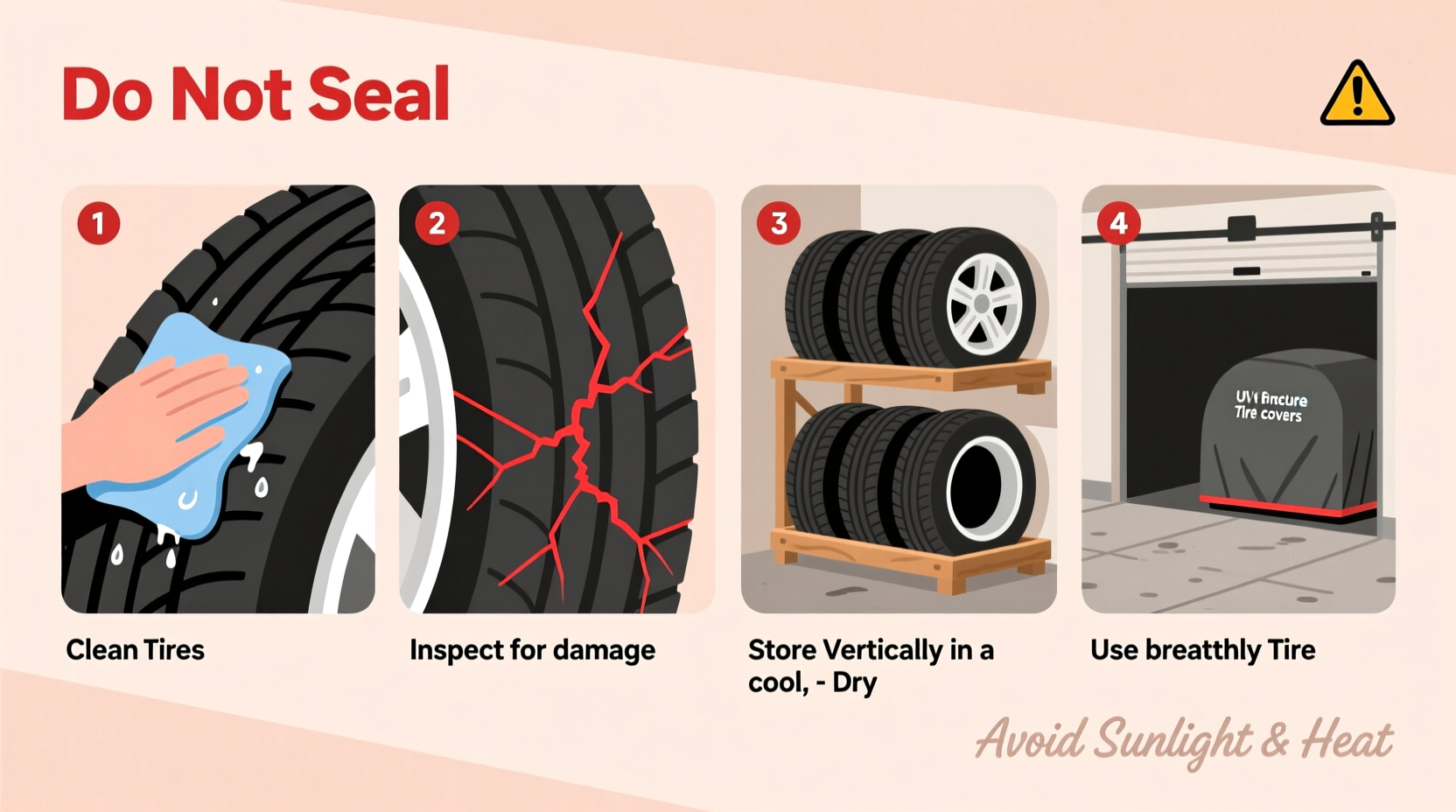
- Clean thoroughly with mild soap and water: Use a brush to scrub away embedded salt, grime, and brake dust. Avoid harsh degreasers or solvents, which strip protective oils from rubber.
- Rinse and dry completely: Let tires air-dry in a shaded area. Moisture trapped under wraps leads to mold and internal corrosion of steel belts.
- Inspect for damage: Check tread depth, look for embedded stones, bulges, or existing cracks. Mark any issues for monitoring next season.
- Balance and tag if stored mounted: If keeping tires on rims, ensure they’re balanced and labeled (e.g., “LF” for left front) to simplify reinstallation.
Best Practices for Long-Term Tire Storage
Once cleaned and dried, tires must be stored under controlled conditions to minimize exposure to damaging elements.
Choose the Right Location
The ideal storage environment is cool, dry, dark, and well-ventilated. Basements, interior closets, or climate-controlled storage units are excellent choices. Avoid unheated garages or sheds where temperatures fluctuate drastically and humidity levels spike.
- Maintain temperatures between 40°F and 70°F (4°C–21°C).
- Keep relative humidity below 65%.
- Stay away from direct sunlight and fluorescent lighting, both of which emit UV radiation.
Store Vertically or Horizontally?
For short-term storage (less than 3 months), stacking tires flat is acceptable. However, for seasonal or long-term storage, vertical positioning is preferred. Storing tires upright prevents flat-spotting and uneven pressure on internal components.
If storing mounted tires on rims, rotate them slightly every few weeks if possible. For unmounted tires, stand them on edge and rotate their position monthly to prevent deformation.
Protect Against Air and Ozone Exposure
Ozone, a naturally occurring gas in urban environments, reacts aggressively with rubber. To shield tires:
- Wrap each tire individually in airtight plastic bags or heavy-duty tire storage covers.
- Seal the bag loosely—don’t vacuum-pack, as this can cause internal stress.
- Add silica gel packs inside the wrap to absorb residual moisture.
Do’s and Don’ts of Winter Tire Storage
| Do’s | Don’ts |
|---|---|
| Store in a dark, temperature-stable room | Leave tires in direct sunlight or near windows |
| Clean and dry tires before wrapping | Store dirty or damp tires |
| Use individual plastic covers or sealed bags | Stack bare tires directly on concrete floors |
| Keep away from motors, heaters, or electrical equipment | Store near sources of ozone (e.g., refrigerators, pumps) |
| Label tires clearly for easy reinstallation | Assume all tires are interchangeable after storage |
Real Example: A Driver’s Costly Mistake
Mark, a commuter in Minnesota, removed his winter tires each spring and stacked them in his uninsulated garage beside his lawn mower and snow blower. Over three years, he noticed increasing stiffness and fine webbing on the sidewalls. When he installed them one December, two tires had deep radial cracks near the bead area. A technician refused to mount them, citing safety risks. The set—only four seasons old—had to be replaced at a cost of $800. A simple switch to indoor storage in sealed bags would have preserved them for at least two more winters.
This scenario is common. Many drivers underestimate how quickly environmental exposure degrades rubber, especially in regions with high humidity or industrial air pollution.
Checklist: Preparing Your Winter Tires for Off-Season Storage
Follow this checklist to ensure your tires are ready for safe, long-term storage:
- ☐ Remove tires from vehicle after final winter use
- ☐ Clean each tire with mild soap and water
- ☐ Rinse and allow full air-drying (minimum 24 hours)
- ☐ Inspect for cuts, punctures, or early signs of cracking
- ☐ Label each tire with its original position (e.g., “RF,” “LR”)
- ☐ Wrap each tire in breathable plastic or dedicated tire bag
- ☐ Include desiccant packs inside each wrap
- ☐ Store upright in a cool, dry, dark location
- ☐ Avoid contact with oil, gasoline, or solvents
- ☐ Recheck tires every 2–3 months for odor, mold, or deformation
Frequently Asked Questions
Can I store winter tires on concrete?
Yes, but not directly. Concrete absorbs and releases moisture, which can lead to corrosion of wheel rims and promote internal tire decay. Always place a barrier—such as plywood, cardboard, or rubber mats—between tires and concrete surfaces.
Should I inflate tires before storing them?
If storing tires mounted on rims, maintain inflation at the vehicle manufacturer’s recommended PSI. Under-inflation causes sidewall folding and stress; over-inflation increases vulnerability to temperature changes. For unmounted tires, slight inflation (around 10–15 PSI) helps maintain shape, but consult your tire manual first.
How long can winter tires be stored safely?
Most manufacturers recommend retiring tires after six years, regardless of tread depth. This includes storage time. Even under ideal conditions, rubber slowly oxidizes. Inspect tires annually for flexibility and surface integrity. If the rubber feels hard or chalky, replace them—even if they appear usable.
“The clock starts ticking the day a tire is manufactured, not the day you buy it. Always check the DOT code to know your tire’s age.” — Lena Torres, Senior Technician at Frostline Tire Services
When to Consider Professional Storage
If you lack space or a suitable environment at home, professional tire storage services offer a reliable alternative. Many dealerships, auto shops, and specialty garages provide climate-controlled facilities specifically designed for seasonal tire storage. Benefits include:
- Temperature and humidity control
- Regular inspections by trained staff
- Convenience of seasonal swap-out service
- Reduced risk of theft or damage
While there’s a fee—typically $20–$50 per tire per year—the peace of mind and extended tire life often justify the cost, especially for high-performance winter setups.
Conclusion: Protect Your Investment Year-Round
Storing winter tires properly isn’t complicated, but it requires attention to detail and consistency. Cracking and dry rot aren’t inevitable—they’re preventable consequences of neglect. By cleaning thoroughly, wrapping securely, and choosing a stable, dry environment, you preserve the structural integrity and performance of your tires. Whether you store them in your basement or trust a professional service, the effort pays off in longer lifespan, better safety, and lower replacement costs.




 浙公网安备
33010002000092号
浙公网安备
33010002000092号 浙B2-20120091-4
Comments
No comments yet. Why don't you start the discussion?