
Vinyl records have made a powerful comeback, prized not only for their warm analog sound but also as collectible art. However, preserving their quality requires more than just playing them occasionally. Improper storage can lead to warping, surface scratches, and persistent dust accumulation—issues that degrade both audio fidelity and long-term value. Whether you're curating a vintage collection or building a modern library, understanding the right way to store your records is essential. This guide covers proven techniques backed by audiophiles and preservation experts to keep your vinyl in pristine condition for decades.
The Science Behind Vinyl Degradation
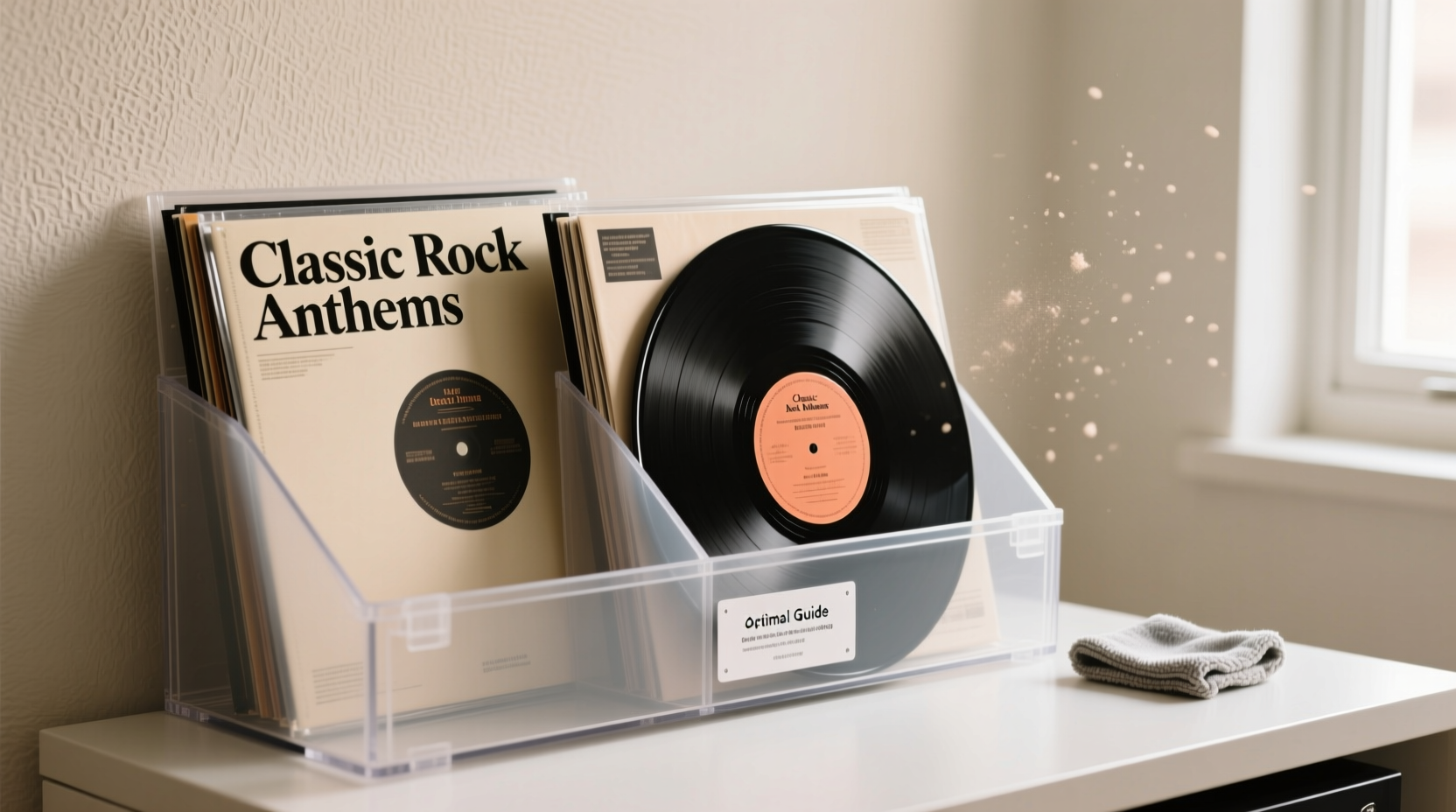
Vinyl records are made from polyvinyl chloride (PVC), a thermoplastic material sensitive to heat, pressure, and environmental fluctuations. When exposed to high temperatures—even brief ones—records can begin to soften and warp. Similarly, prolonged vertical pressure from stacked records or heavy objects on top can cause permanent deformation over time. Dust particles, often invisible to the naked eye, settle into grooves and create pops, clicks, and reduced clarity during playback.
According to the Audio Engineering Society, \"Even minor warps alter the stylus trajectory, increasing tracking error and accelerating wear.\" This means that poor storage doesn’t just affect appearance—it actively damages your records every time they’re played. Humidity is another silent threat: levels above 60% encourage mold growth, while below 30% increase static, attracting more dust.
“Vinyl is fragile in ways people don’t expect. It’s not just about scratches—heat, light, and improper stacking do cumulative damage.” — Dr. Alan Reeves, Archival Preservation Specialist, National Sound Institute
Optimal Storage Conditions: Environment Matters
The environment where you keep your records plays a decisive role in their longevity. A stable, controlled space minimizes risk far more than any protective sleeve ever could.
Temperature and Humidity
Maintain room temperature between 65°F and 70°F (18°C–21°C). Avoid garages, attics, basements prone to dampness, or rooms with direct sunlight. Ideal relative humidity ranges from 45% to 55%. Use a digital hygrometer to monitor conditions if you live in a climate with seasonal extremes.
Light Exposure
UV radiation from sunlight or strong artificial lighting degrades PVC over time. Prolonged exposure weakens the molecular structure of the vinyl, making it brittle. Always store records away from windows and fluorescent fixtures. If display is important, use UV-filtering glass or acrylic cases.
Air Quality and Ventilation
Dust, smoke, and airborne pollutants settle on record surfaces. Store in areas with minimal foot traffic and avoid placing shelves near HVAC vents or fireplaces. Consider using air purifiers with HEPA filters in dedicated listening rooms or storage areas.
Correct Storage Orientation: Vertical vs. Horizontal
One of the most debated yet critical aspects of vinyl care is how to orient records on the shelf. The consensus among collectors and preservationists is clear: always store records vertically.
Storing records horizontally—even in neat stacks—applies continuous pressure to the lower layers. Over months or years, this weight distorts the outer edges and center labels, leading to subtle but audible warps. Vertical storage distributes weight evenly across the entire rack system, preserving flatness.
Use sturdy, adjustable shelving units designed for media storage. Avoid overcrowding; records should slide in and out easily without squeezing. If space is limited, prioritize keeping albums upright over maximizing density.
“We’ve seen collections ruined by ‘space-saving’ horizontal stacks. One inch of tilt today becomes a full warp in two years.” — Lena Cho, Senior Conservator at Midwest Audio Archive
Step-by-Step Guide to Proper Vinyl Storage
Follow this systematic approach to ensure every record in your collection remains protected:
- Inspect each record before storing. Look for existing warps, cracks, or residue. Remove any promotional stickers or paper inserts that might trap moisture.
- Clean gently using a carbon fiber brush or anti-static record cleaning solution. Never use household cleaners or alcohol-based wipes.
- Replace old or damaged sleeves with high-quality inner and outer sleeves (details below).
- Store vertically on level, non-warping shelves. Leave at least half an inch of clearance between the last record and the wall to allow airflow.
- Keep spines facing outward for easy identification without excessive handling.
- Rotate position periodically if stored long-term, especially near edges of shelves where vibration or temperature gradients may occur.
Choosing the Right Sleeves: Inner and Outer Protection
The sleeves your records live in are the first line of defense against dust and physical damage. Most factory sleeves are made of low-grade paper or thin plastic that deteriorates quickly and generates static.
- Inner sleeves should be anti-static and lint-free. Polyethylene-lined sleeves or rice paper options prevent clinging and reduce particle buildup. Avoid generic plastic sleeves—they generate static electricity that attracts dust.
- Outer sleeves provide structural protection and guard against scuffs. Use rigid, archival-quality polypropylene sleeves with resealable flaps. For valuable pressings, consider mylar (BoPET) sleeves, which offer superior clarity and durability.
| Sleeve Type | Best For | Dust Resistance | Static Risk |
|---|---|---|---|
| Polyethylene-lined paper | Daily-use records | Medium | Low |
| Archival polypropylene | Valuable or rare pressings | High | Very Low |
| Mylar (BoPET) | Collector’s editions, first pressings | Excellent | Negligible |
| Original paper sleeves | Short-term use only | Poor | High |
Replace sleeves every 3–5 years, or sooner if they show signs of brittleness, discoloration, or static cling.
Real Example: How One Collector Saved a Damaged Collection
Mark T., a jazz enthusiast from Portland, inherited his father’s 400+ LP collection stored in a basement corner. Records were stacked horizontally inside cardboard boxes, exposed to seasonal humidity swings. Upon inspection, nearly 30% showed visible warping, and all were coated in fine dust.
He began by moving the collection to a climate-controlled spare room. Each record was cleaned with a manual vacuum-based cleaning machine, then placed in new anti-static inner sleeves and archival outer jackets. He installed modular steel shelving along one wall, arranging albums vertically by artist. A small dehumidifier maintained consistent moisture levels.
Within six months, playback improved dramatically—surface noise dropped significantly, and warped albums became playable again after being flattened under weighted boards (a temporary method used under expert guidance). Mark now checks his collection quarterly and reports no further degradation.
Checklist: Essential Steps for Long-Term Vinyl Care
Use this checklist to audit your current setup or prepare for a new collection:
- ✅ Store records vertically, never horizontally
- ✅ Maintain temperature between 65°F–70°F (18°C–21°C)
- ✅ Keep humidity between 45%–55%
- ✅ Use anti-static inner sleeves for all records
- ✅ Invest in archival outer sleeves for valuable pressings
- ✅ Avoid direct sunlight and UV exposure
- ✅ Clean records before storage using proper tools
- ✅ Inspect sleeves annually for wear and tear
- ✅ Install shelves away from exterior walls and heating units
- ✅ Handle records by the edges and label only
Common Mistakes That Accelerate Damage
Even well-meaning collectors make errors that compromise their records. Avoid these frequent pitfalls:
- Leaning records at an angle: This creates uneven pressure, leading to banana-shaped warps.
- Using rubber bands or tape: These degrade and leave sticky residues that attract dirt.
- Overpacking shelves: Tight fits make removal difficult and increase friction on jacket edges.
- Storing near speakers or subwoofers: Constant vibration loosens particles and may contribute to micro-warping over time.
- Ignoring shelf leveling: Even a slight tilt causes records to press against each other, increasing stress points.
Frequently Asked Questions
Can I flatten a warped record?
Minor warps (less than 3 degrees off plane) can sometimes be corrected using professional heat-flattening services. DIY oven methods are strongly discouraged—they often result in bubbling, melting, or irreparable damage. For severe warps, flattening risks destroying the groove integrity and is not recommended.
How often should I clean my records?
Clean records before initial storage and whenever you notice increased surface noise. For frequently played albums, clean every 5–10 plays using a carbon fiber brush or wet-cleaning system. Dust buildup accelerates wear, so regular maintenance preserves both sound and stylus life.
Are wooden shelves bad for vinyl?
Not inherently, but untreated wood can off-gas volatile organic compounds (VOCs) over time, potentially affecting vinyl chemistry. Sealed hardwood or metal shelving is preferred. If using wood, ensure it’s finished with non-toxic sealant and allow it to cure for several weeks before placing records.
Conclusion: Protect Your Music, Preserve Its Legacy
Storing vinyl records properly isn’t about perfectionism—it’s about respect for the medium. Every decision, from shelf placement to sleeve selection, contributes to how well your music will sound years from now. Warping and dust aren’t inevitable; they’re the result of overlooked details. By maintaining stable conditions, using quality materials, and handling your records with care, you ensure that each album remains as vibrant as the day it was pressed.




 浙公网安备
33010002000092号
浙公网安备
33010002000092号 浙B2-20120091-4
Comments
No comments yet. Why don't you start the discussion?