
The beret is one of fashion’s most enduring accessories—romantic, artistic, and effortlessly Parisian when done right. But for many, it carries the risk of veering into costume territory: think caricatures of French painters or overly theatrical ensembles that feel out of place on a commute to work or a weekend coffee run. The key isn't avoiding the beret altogether—it's mastering how to wear it with authenticity and modernity.
Done well, a beret elevates an outfit with subtle sophistication. It adds texture, shape, and a touch of personality without shouting for attention. The challenge lies in balancing its inherent drama with the simplicity of daily wear. This guide breaks down exactly how to integrate a beret into your everyday wardrobe in a way that feels intentional, not performative.
Choose the Right Material and Color
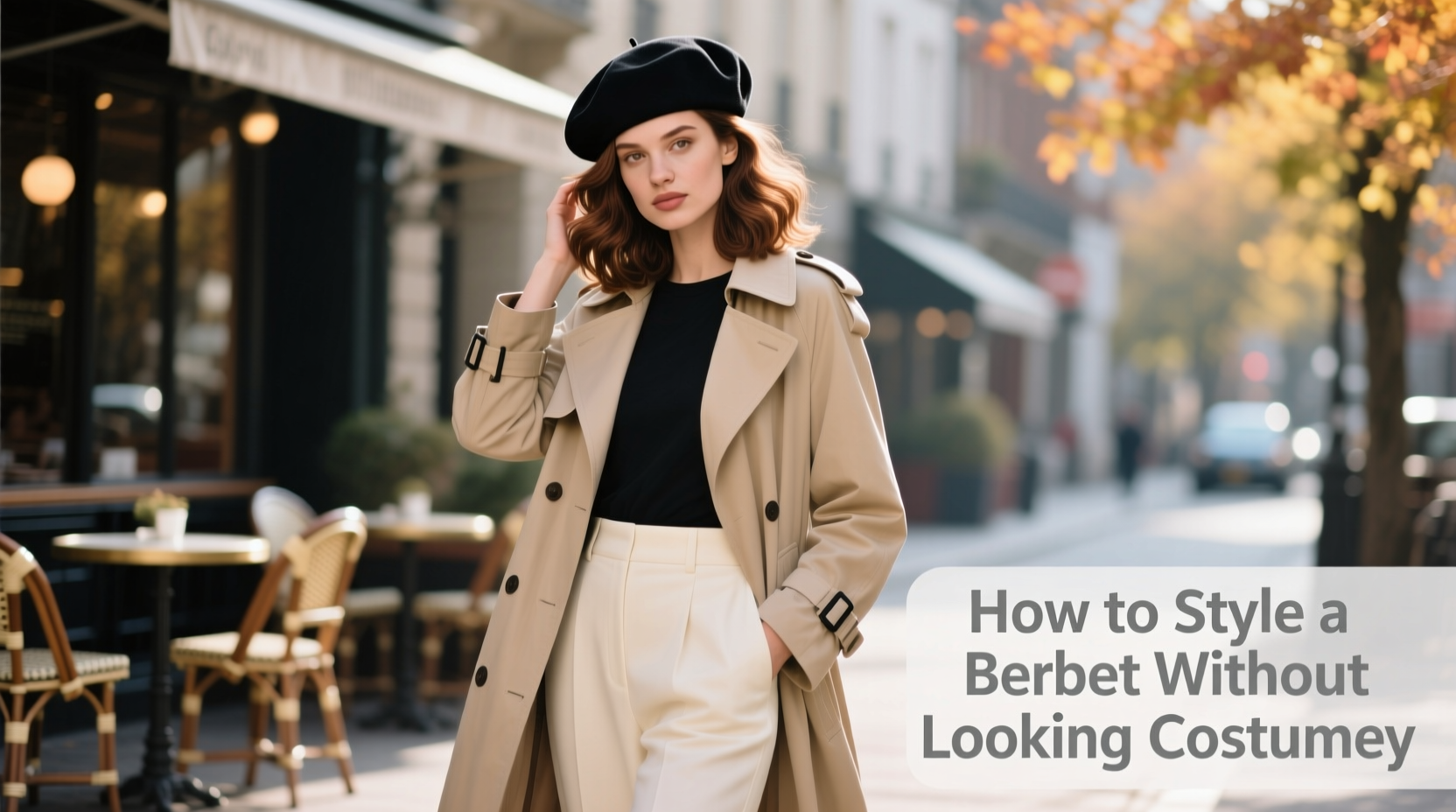
The foundation of a non-costume beret look starts with material and color selection. Opt for fabrics that echo your usual wardrobe textures—wool, felted wool, cashmere blends, or soft knits. These materials drape naturally and feel grounded in reality, unlike stiff, shiny, or overly structured versions often found in novelty shops.
Neutral tones like charcoal gray, camel, navy, black, or deep burgundy are easiest to integrate. They pair seamlessly with jeans, coats, and minimalist layers. If you want to make a statement, consider muted earth tones—terracotta, olive green, or heather gray—rather than bright reds or electric blues, which can instantly tip the balance toward dress-up.
Fit and Placement Matter More Than You Think
A poorly placed beret is the fastest route to looking like you're playing dress-up. Unlike beanies or baseball caps, the beret has a specific way of sitting on the head that affects both comfort and aesthetic.
Start by positioning the beret just above your forehead, tilted slightly forward. The front edge should rest about two fingers’ width above your brow; the back should cradle the crown without sliding too far back. Avoid pushing it all the way to the back of your head—that’s where the “artist in a café” cliché begins.
The internal band matters too. Most quality berets come with a satin or grosgrain inner band for grip. If yours slips, use bobby pins at the sides (hidden under folds) to anchor it. For rounder faces, angle the beret more to the side to create asymmetry and elongate the face. For longer faces, keep it centered and lower on the forehead to balance proportions.
“Accessories should enhance your presence, not announce it. A beret worn with confidence but not fanfare becomes part of your identity—not a prop.” — Lila Moreau, Fashion Stylist & Former Editor at *Vogue Paris*
Pairing Your Beret with Real-Life Outfits
The magic of the beret happens when it complements, rather than dominates, your ensemble. The goal is cohesion, not contrast. Here are four realistic, wearable combinations that keep the beret grounded:
- Casual Weekday Look: Pair a charcoal wool beret with a cream turtleneck, straight-leg jeans, and ankle boots. Add a longline beige trench coat. The beret becomes a textural accent, not the centerpiece.
- Work-Appropriate Style: Wear a navy beret with a tailored blazer, white button-down, and dark trousers. Let the beret peek out subtly under an overcoat on your walk to the office—elegant, not eccentric.
- Weekend Errands: Combine a rust-colored knit beret with a chunky oatmeal sweater, corduroys, and loafers. The softness of the knit mirrors the sweater, creating harmony.
- Minimalist Monochrome: All-black outfit? A black beret in matte wool adds depth without breaking the tone. Just ensure the fabric differs slightly in texture from the rest of your clothing to avoid blending in completely.
What to Avoid When Styling a Beret
Even small missteps can turn a chic accessory into a costume piece. Below is a quick-reference table outlining common pitfalls and smarter alternatives.
| Don’t | Do |
|---|---|
| Wear a bright red beret with a striped Breton top and black tights | Opt for a subdued color and skip stereotypical “French” pieces |
| Pair with overly dramatic makeup or vintage-inspired hair | Keep hair natural—slightly tousled waves or a low bun works best |
| Wear it tilted too far back with exaggerated flair | Position it forward, covering part of the forehead for a relaxed fit |
| Style with costume-like jewelry (pearl chokers, cameo pins) | Use modern, minimal accessories—thin gold hoops or a delicate chain |
| Wear it indoors without removing it occasionally | Take it off in restaurants or enclosed spaces to avoid seeming self-conscious |
Step-by-Step Guide: How to Style a Beret in 5 Minutes
If you're new to wearing berets or want a foolproof method for everyday wear, follow this simple routine:
- Pick a neutral beret in wool or knit that matches your coat or sweater.
- Adjust your hair first—smooth flyaways or pull back bangs if needed.
- Place the beret on your head with the brim about two fingers above your brow.
- Tilt slightly forward and press down gently at the sides to mold it to your head shape.
- Check in the mirror: Does it look like something you’d forget you’re wearing? If yes, you’ve nailed it.
Real Example: From Hesitant to Habitual
Sophie, a 32-year-old graphic designer in Portland, bought a black beret on a trip to Montreal. She loved the idea of it but wore it only once—on a photoshoot-style day out—because “it felt too much for real life.” For months, it sat in her drawer.
After reading about understated styling techniques, she tried a new approach: pairing the beret with her go-to winter uniform—a camel wool coat, black mock neck, and wide-leg trousers. She kept her makeup minimal and wore her hair half-up. To her surprise, coworkers complimented her look without mentioning the hat specifically. “They said I looked ‘put together,’ not ‘costumed,’” she shared. Now, she wears it two to three times a week during colder months, treating it like any other functional accessory.
Her turning point? Realizing the beret didn’t need to be the star. It worked best when it was part of a calm, cohesive whole.
Expert Insight: Why Context Is Everything
Fashion historian Dr. Amara Chen notes that the beret’s reputation fluctuates with cultural context. “In the 1960s, it symbolized intellectual rebellion. In the 1990s, it was grunge or preppy depending on the setting. Today, it’s reclaimed as a quiet luxury item—but only when styled with restraint.”
“The beret fails when it’s treated as a theme. It succeeds when it’s treated as texture.” — Dr. Amara Chen, Author of *The Semiotics of Style*
This insight underscores a critical principle: the beret should function like a scarf or a belt—an accent that supports the outfit, not defines it.
Checklist: Beret Styling Dos for Everyday Wear
Before stepping out, run through this checklist to ensure your beret looks natural and integrated:
- ☑ Beret color complements at least one major piece in your outfit (coat, sweater, shoes)
- ☑ Fabric is matte and soft—no plastic sheen or rigid structure
- ☑ Positioned forward, not pushed back like a headband
- ☑ Hair is styled simply—no elaborate updos or retro curls
- ☑ Rest of the outfit is balanced—avoid too many statement pieces
- ☑ You feel comfortable enough to forget you’re wearing it
FAQ: Common Questions About Wearing Berets Casually
Can I wear a beret if I have short hair or glasses?
Absolutely. Short hair actually works well with berets because there’s less bulk underneath. If you wear glasses, choose a beret with a slightly deeper crown to avoid pressing against the frames. Adjust the tilt so the front sits just above your temples, allowing room for the arms of your glasses.
Is the beret only for cold weather?
No, though it’s most common in fall and winter. Lightweight cotton or acrylic blends can work in spring. Avoid heavy wool in warm climates. The key is proportion—pair lighter berets with airy fabrics like linen or silk.
How do I stop my beret from looking “try-hard”?
Focus on integration. If your outfit already has strong elements (bold prints, standout coat), skip the beret. Save it for days when your clothes are simple. Also, avoid anything labeled “Parisian style” or sold in tourist shops—those are designed to look thematic, not authentic.
Final Thoughts: Make It Yours, Not a Cliché
The beret doesn’t have to be a costume. It can be a quiet signature—a personal detail that reflects taste, not trend. The difference lies in intention. When chosen with care and worn with subtlety, it becomes less of an accessory and more of an extension of your style language.
Start small. Try it once a week. Pair it with your most neutral, trusted outfit. Notice how people react—not to the hat, but to you. If they comment on your overall look rather than asking, “Are you dressed as a French artist?” then you’ve crossed the threshold from costume to character.




 浙公网安备
33010002000092号
浙公网安备
33010002000092号 浙B2-20120091-4
Comments
No comments yet. Why don't you start the discussion?