
In recent years, the bucket hat has evolved from a casual summer staple into a fashion-forward accessory embraced by designers and streetwear enthusiasts alike. Once relegated to beach outings and music festivals, it now appears on runways and city sidewalks, even in professional environments. But can you wear a bucket hat with a formal outfit without violating unspoken workplace rules or event expectations? The answer is yes—but only if done with precision, awareness, and intentionality.
The key lies not just in aesthetics but in understanding context: the formality of your environment, the material and cut of your clothing, and the cultural tone of your industry. When styled correctly, a bucket hat can add character, confidence, and subtle rebellion to an otherwise traditional ensemble—all while staying within acceptable boundaries.
Understanding Formal Dress Codes and Where Accessories Fit In
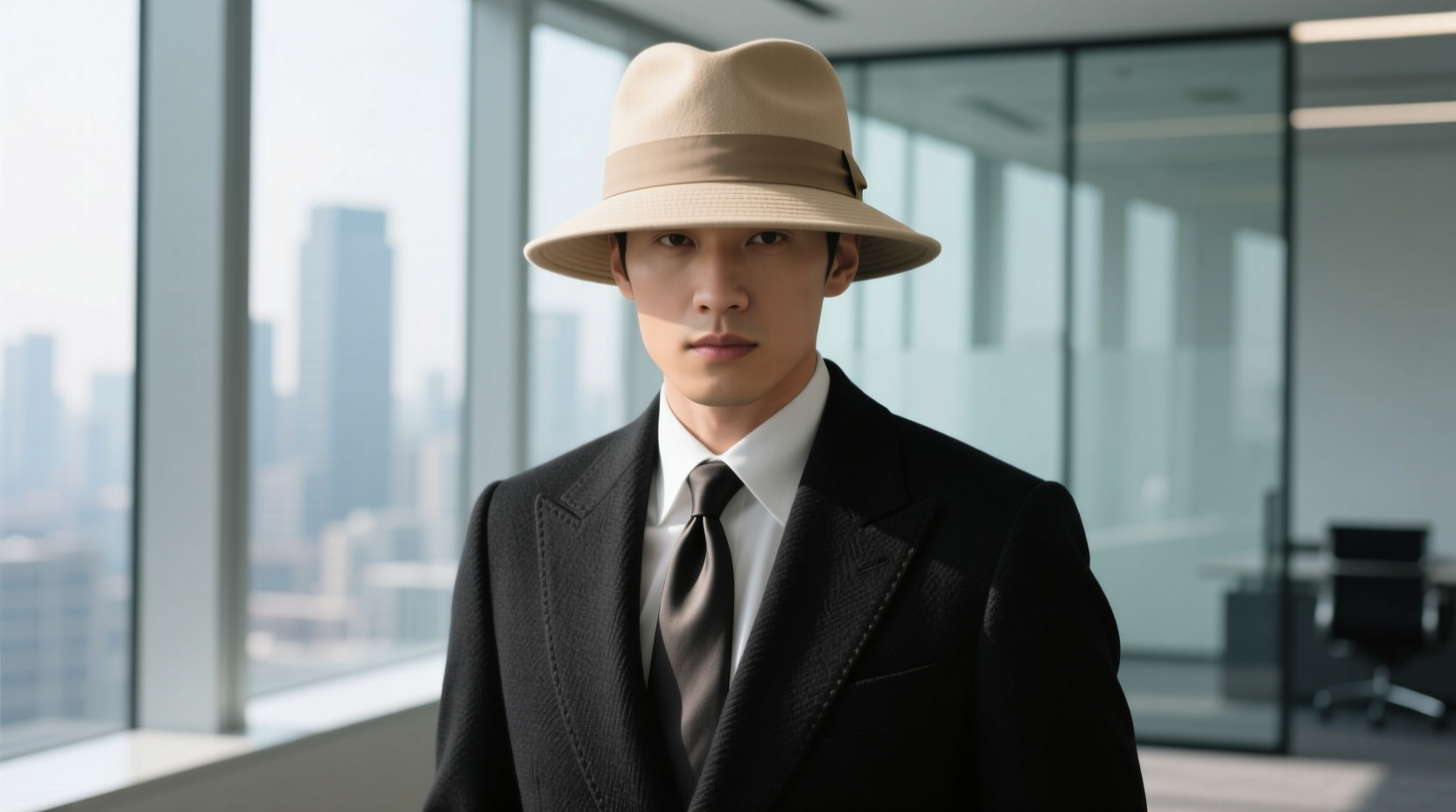
Before integrating any unconventional accessory into a formal wardrobe, it’s essential to understand what constitutes \"formal\" attire across different settings. Traditional formalwear—such as business suits, tuxedos, or cocktail dresses—follows strict guidelines around color, fit, fabric, and accessories. These codes are designed to convey professionalism, respect, and adherence to social norms.
However, modern interpretations of formality have broadened. Creative industries like advertising, tech startups, and fashion often allow for “elevated casual” or “smart informal” looks. In these spaces, accessories become tools for personal expression rather than distractions.
As menswear stylist Julian Reed explains:
“Accessories are the punctuation marks of an outfit. A well-placed piece can elevate simplicity into sophistication—if it speaks the same language as the rest of the look.” — Julian Reed, Menswear Stylist & Contributor, *The Rake Magazine*
The bucket hat, traditionally made from cotton, nylon, or tweed, doesn’t inherently clash with formality. What matters is its design, material, and how it complements (or contrasts) the rest of the ensemble. Wearing one with a three-piece wool suit at a corporate board meeting may raise eyebrows, but pairing a structured felt version with a tailored blazer during Fashion Week? That tells a story of curated taste.
Choosing the Right Bucket Hat for Formal Integration
Not all bucket hats are created equal. To blend seamlessly with formal wear, select a style that aligns with the elegance and structure of your outfit. Avoid loud prints, oversized brims, or synthetic fabrics typically associated with sportswear.
Look for features that suggest refinement:
- Structured crown: Prevents the hat from looking slouchy or overly relaxed.
- Narrow, stiff brim: Mimics the clean lines of a fedora or trilby.
- Minimal branding: No visible logos or embroidery unless extremely subtle.
- Finished interior lining: Indicates higher craftsmanship.
A classic example is the Stetson Wool Felt Bucket Hat, which uses the same materials as traditional dress hats. Paired with a double-breasted coat and slim trousers, it reads more as a contemporary twist on heritage headwear than a casual afterthought.
Material Guide: Matching Hat Fabric to Outfit Tone
| Hat Material | Best For | Formal Compatibility | Style Tip |
|---|---|---|---|
| Wool Felt | Fall/Winter suits, overcoats | High – resembles fedoras | Pair with herringbone or flannel suiting |
| Tweed | Countryside events, smart-casual offices | Medium – depends on pattern size | Avoid bright checks; go for muted heather tones |
| Heavy Cotton Drill | Summer linen suits, outdoor galas | Moderate – keep cuts sharp | Ensure hat matches shirt or belt shade |
| Nylon/Camo Print | Streetwear, concerts, travel | Low – rarely appropriate for formal use | Reserve for post-event transitions |
Strategic Pairing: How to Combine Bucket Hats with Formal Wear
Integrating a bucket hat into formal dressing requires balance. The goal isn’t to hide it but to make it feel like a deliberate, harmonious part of the outfit. Consider these combinations:
1. With a Tailored Blazer and Chinos
This semi-formal combination works well in creative agencies or weekend client meetings. Choose a solid-color wool bucket hat in charcoal or navy. Match it to your shoes or belt for cohesion. A light blue Oxford shirt underneath keeps things polished yet approachable.
2. Over a Suit (For Outdoor Events)
At garden parties, weddings, or art fairs, where sun protection is practical, a bucket hat can serve both function and fashion. Stick to monochrome tailoring—black, grey, or midnight blue—and ensure the hat’s brim doesn’t overwhelm your face. Keep hair neatly styled so the silhouette remains intentional.
3. With a Longline Coat and Dress Shoes
In urban environments like London or Tokyo, where fashion blurs the line between utility and elegance, a long trench or pea coat paired with a sleek bucket hat creates a metropolitan silhouette. Think of this as “weather-appropriate formalism.” Ensure trousers are cropped or cuffed to show off quality footwear.
Real-World Example: The Editor Who Broke the Mold
Sophia Tran, senior editor at a luxury lifestyle magazine in Berlin, faced skepticism when she wore a taupe wool bucket hat to a press conference alongside her navy suit. “I expected side-eye,” she recalls. “But because the hat was matte-finish, matched my loafers, and had no logo, most people assumed it was part of a designer collection.”
Within weeks, two colleagues asked where they could find similar styles. Her rule? “Only wear it when everything else is impeccable. If your shoes are scuffed or your tie crooked, the hat becomes a distraction. But when the whole look is tight, it’s punctuation.”
Sophia’s experience underscores a critical point: authority in presentation allows room for deviation. When you consistently demonstrate sartorial competence, small risks are interpreted as choices, not mistakes.
Step-by-Step Guide to Wearing a Bucket Hat Formally
- Assess the occasion. Is it indoor or outdoor? Client-facing or peer-only? If unsure, observe others’ headwear norms.
- Select a refined hat. Prioritize natural fibers, neutral tones, and structured shapes.
- Coordinate with core elements. Match the hat to your shoes, belt, or outerwear for visual continuity.
- Keep the rest of the outfit crisp. Impeccable grooming, pressed clothes, and polished shoes anchor the look.
- Remove indoors. Just like any hat, take it off in enclosed spaces such as offices, restaurants, or meeting rooms.
- Evaluate reactions subtly. If multiple people seem confused or uncomfortable, consider adjusting for future events.
Do’s and Don’ts at a Glance
| Do | Don't |
|---|---|
| Wear with structured outerwear like trench coats or tailored jackets | Pair with full suits in conservative office environments |
| Choose hats with finished interiors and clean stitching | Use faded, wrinkled, or logo-heavy versions |
| Match the hat to a dominant color in your outfit | Mix with other hats or caps (e.g., no beanies underneath) |
| Use for outdoor daytime events requiring sun protection | Wear tilted too far back or covering eyes |
| Carry it elegantly when removed (folded gently or held by the crown) | Leave it on during meals or formal introductions |
FAQ: Common Questions About Styling Bucket Hats Formally
Can I wear a bucket hat to a wedding?
Yes—especially for daytime, outdoor ceremonies. Choose a lightweight wool or linen-blend hat in a color that complements your suit. Avoid anything cartoonish or branded. And always remove it during the ceremony and reception indoors.
Is it ever acceptable to wear a bucket hat in a corporate office?
Rarely in traditional sectors like law or finance. However, in creative fields (design, media, tech), particularly on Fridays or during off-site meetings, a sophisticated bucket hat may be tolerated if the rest of your look is sharply executed. Err on the side of caution during performance reviews or presentations.
How do I know if my bucket hat looks “cheap”?
Inspect the stitching, lining, and drape. Cheap versions often have uneven seams, thin fabric that sags, or plastic inner bands. Hold it up: does it hold its shape? Does it feel substantial? If not, upgrade. A good bucket hat should cost between $80–$150 for formal versatility.
Final Checklist Before You Step Out
- ✅ Hat material matches the formality of the outfit (wool > nylon)
- ✅ Color coordinates with at least one major element (shoes, jacket, pants)
- ✅ Brim is clean and unwrinkled
- ✅ Rest of the outfit is impeccably groomed and pressed
- ✅ Removed upon entering buildings or sitting down to eat
- ✅ Confident mindset: You chose this for a reason
Conclusion: Elevate the Accessory, Respect the Context
Styling a bucket hat with formal wear isn’t about defiance—it’s about evolution. Fashion progresses not through reckless rule-breaking but through thoughtful reinterpretation. The modern professional has more room than ever to express individuality, provided it’s rooted in respect for setting and self-presentation.
By choosing refined materials, maintaining proportion, and observing etiquette, you can transform a once-casual accessory into a signature detail that enhances your presence. Whether navigating city streets under a drizzly sky or attending an alfresco gala, let your bucket hat say you’re prepared, polished, and quietly ahead of the curve.




 浙公网安备
33010002000092号
浙公网安备
33010002000092号 浙B2-20120091-4
Comments
No comments yet. Why don't you start the discussion?