
A minimalist white Christmas tree adorned with just one accent color is a bold design choice that can radiate elegance, calm, and modernity. When executed well, it becomes a striking focal point in any room—sophisticated yet inviting. But when done poorly, it risks appearing cold, unfinished, or clinically empty. The challenge lies not in restraint, but in intelligent layering: using texture, scale, placement, and subtle variation within a tight palette to create depth and warmth.
The key is understanding that minimalism isn’t emptiness—it’s intentionality. A single accent color doesn’t mean repetition; it means exploration. By varying the tone, material, and form of that color across ornaments, lighting, and surrounding décor, you can craft a display that feels curated, rich, and emotionally resonant.
Anchor the Design with Purposeful Color Choice
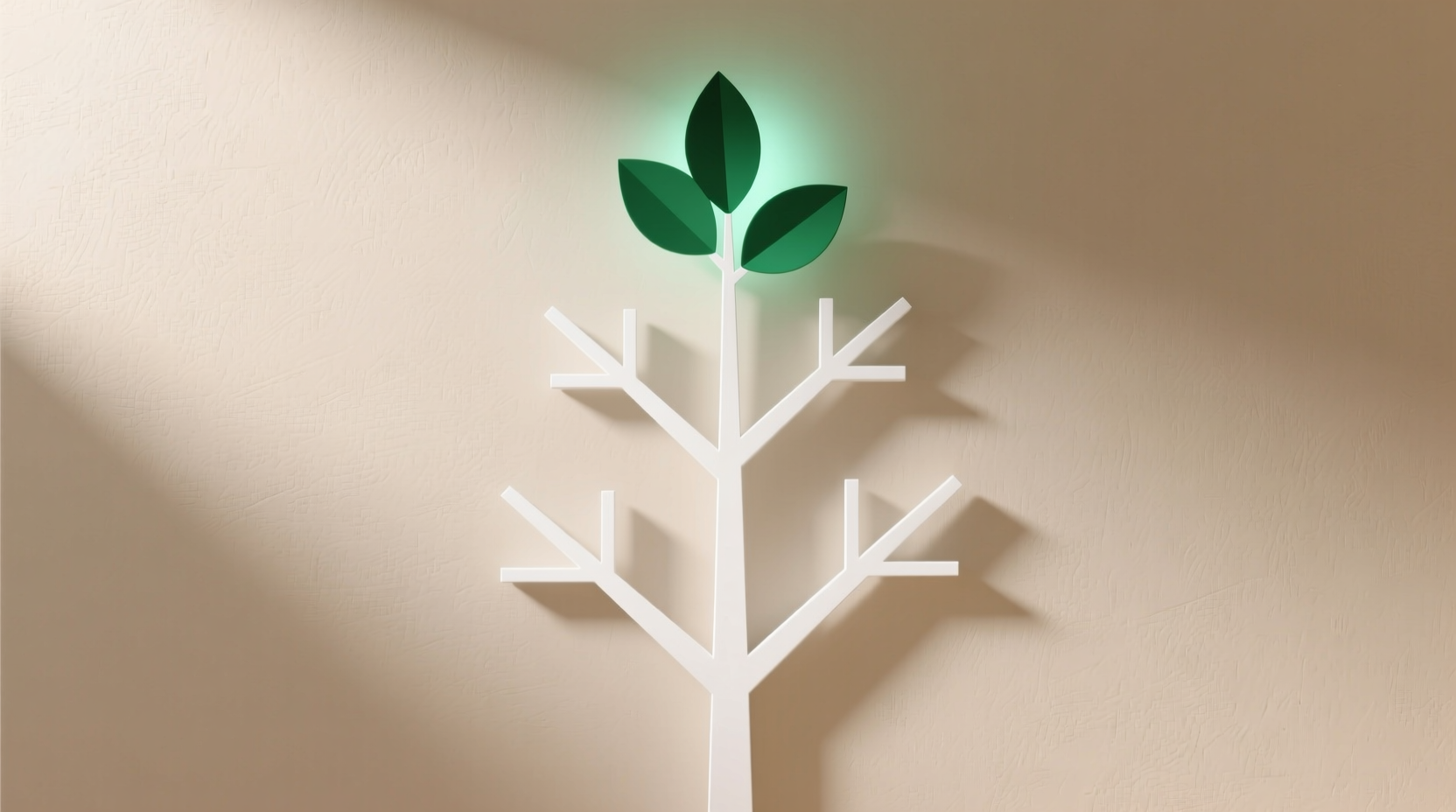
Selecting the right accent color sets the emotional tone of your tree. It's not just about preference—it's about atmosphere. While red evokes tradition and energy, deep emerald brings quiet luxury, blush pink offers softness, and navy blue suggests serene sophistication. Each hue interacts differently with white, so consider the mood you want to cultivate.
For example, a dusty terracotta adds earthy warmth without breaking the minimalist theme, while a matte black introduces dramatic contrast. Metallics like antique gold or brushed copper also count as accent colors when used consistently—they reflect light differently than glossy finishes and add tactile richness.
“Color harmony in minimalism isn’t about how many colors you use, but how deeply you understand the one you choose.” — Lila Monroe, Interior Stylist & Author of *Calm Spaces*
Build Depth Through Texture and Finish Variation
One of the main reasons minimalist trees feel sparse is uniformity. If every ornament is the same size, shape, and finish—even in the same color—the eye has nothing to explore. Introduce dimension by mixing textures such as frosted glass, woven fabric, ceramic, wood, felt, and metallic finishes.
Consider this approach: hang a cluster of three ornaments on one branch—a satin-finish sphere, a ribbed matte ball, and a hammered metal teardrop—all in the same base color but offering distinct tactile experiences. This small grouping creates micro-interest without clutter.
Lighting plays an equally crucial role. Warm white fairy lights (not cool white) mimic candlelight and cast a gentle glow that softens the starkness of all-white branches. For added effect, weave in string lights with tiny filament bulbs or vintage-style Edison glows to enhance ambiance.
| Texture Type | Effect on Tree | Best Paired With |
|---|---|---|
| Frosted Glass | Soft diffusion of light, elegant shimmer | Satin ribbons, velvet bows |
| Matte Ceramic | Earthy, grounded presence | Natural wood tags, linen wraps |
| Metallic (brushed) | Subtle shine without glare | Warm LED lights, wool garlands |
| Felt or Fabric | Cozy, handmade feel | Handwritten labels, twine hangers |
Create Visual Rhythm with Strategic Placement
Random ornament distribution often leads to visual chaos—or worse, blank spots that scream “I ran out of ideas.” Instead, apply principles from visual art: balance, rhythm, and focal points.
Begin by identifying a central zone—typically the lower third of the tree—as your primary display area. Here, place larger or more detailed ornaments in your accent color. These become anchors. Then, allow smaller versions of the same color to drift upward, decreasing in size and frequency toward the top. This mimics natural growth patterns and guides the eye smoothly through the tree.
Use asymmetry to your advantage. Rather than spacing ornaments evenly, group them in odd numbers—three large balls here, five small ones there—to create organic flow. Leave some branches bare intentionally; negative space enhances focus on what remains.
“Minimalist design uses silence to amplify sound. In décor, empty space makes each object matter more.” — Rafael Jin, Architectural Designer
Step-by-Step: Ornament Layering Timeline
- Day 1: String warm white lights evenly throughout the tree, starting from the trunk outward.
- Day 2: Add large statement ornaments (5–7 pieces) in your accent color, placing them deep within the branches for depth.
- Day 3: Hang medium-sized ornaments (10–12), distributing them asymmetrically but balanced between left and right.
- Day 4: Insert small accents (15–20) near the tips of outer branches to catch light and draw attention.
- Day 5: Weave in textured garlands (like wool, paper beads, or dried citrus slices) in neutral tones that complement—not compete with—the accent color.
- Final Touch: Place one signature piece at the very top—such as a uniquely shaped star or finial in your accent color—to serve as a crown.
Incorporate Natural and Handmade Elements
To prevent sterility, integrate organic components that carry imperfection and history. A minimalist tree shouldn't feel mass-produced; it should feel considered. Dried orange slices, cinnamon sticks tied with twine, pinecones dipped lightly in paint, or hand-stitched fabric stars bring soulfulness to a monochromatic scheme.
These elements introduce subtle variations in color—slightly darker edges on a dried fruit slice, grain patterns in unfinished wood—that enrich the singular hue rather than contradict it. They also invite touch and memory, transforming decoration into storytelling.
Pair these with personalized touches: handwritten names on kraft tags, family dates on ceramic discs, or meaningful symbols (a music note for a pianist, a tiny book for a reader). Even within strict minimalism, sentiment finds its way in quietly.
Mini Case Study: The Blush Pink Tree That Felt Like Home
Claire, a graphic designer in Portland, wanted a modern holiday look for her open-concept living space but feared a white tree with blush pink accents would feel too “catalogue.” She began with a pre-lit white slim tree and layered it thoughtfully over several days.
She started with warm fairy lights, then added six large matte-finish blush orbs near the base. Above them, she hung ten medium satin balls and twenty-five tiny iridescent beads that caught the light like morning dew. To break potential monotony, she strung a garland of dried pampas grass and eucalyptus clipped from her garden, secured with thin pink silk ribbon.
Her finishing move? Eight handmade felt hearts stitched by her daughter, each containing a photo of a family member tucked inside a hidden pocket. Guests didn’t comment on the lack of variety—they said the tree “felt warm” and “inviting,” despite using only white and one color.
The secret wasn’t complexity—it was connection.
Balance the Tree Within the Room’s Ecosystem
No tree exists in isolation. Even the most perfectly styled centerpiece will feel off if it clashes with or ignores its surroundings. To avoid sparseness, extend your accent color beyond the tree into nearby décor.
Place a stack of books wrapped in kraft paper with blush pink twine beside the base. Drape a throw blanket in your accent hue over the adjacent sofa. Set out candles in matching glass holders on a coffee table. These satellite elements create continuity and signal intentionality.
Also consider floor-level styling. A simple wooden tray beneath the tree can hold wrapped gifts in white and your accent color, arranged neatly with sprigs of greenery. Avoid plastic or glossy wrappings—opt for recyclable paper, cotton ribbons, and natural embellishments to maintain authenticity.
Checklist: Achieving Warm Minimalism
- ✅ Choose one accent color and stick to it across all décor elements
- ✅ Use warm white (2700K–3000K) lighting, never cool white
- ✅ Mix at least four different textures in your accent color
- ✅ Vary ornament sizes and distribute them intentionally, not randomly
- ✅ Include at least one natural or handmade element
- ✅ Extend the accent color into surrounding décor (pillows, candles, books)
- ✅ Limit treetop topper to one statement piece—no overcrowding
- ✅ Step back frequently to assess visual balance from multiple distances
Frequently Asked Questions
Can I use two shades of the same color?
Yes—and you should. Using a range of tones (e.g., light blush and deep rosewood) within the same color family adds dimension without breaking minimalism. Just ensure they belong to the same pigment family and are used deliberately, not haphazardly.
What if my tree still looks too bare?
If the tree feels sparse, resist adding more ornaments. Instead, enhance lighting (add a second strand of warm lights), increase textural contrast (add a wool garland), or strengthen the room’s supporting décor (more accent-colored pillows or artwork). Often, the issue isn’t the tree—it’s the context.
Is it okay to include clear or mirrored ornaments?
Yes, but sparingly. Clear crystal or mirrored baubles reflect surroundings and light, which can enliven a white tree. However, too many create visual noise. Use no more than 3–5 reflective pieces and position them to catch light without overwhelming your accent color.
Conclusion: Less Is Only More When It’s Meaningful
Styling a minimalist white tree with a single accent color isn’t about restriction—it’s about refinement. The absence of visual clutter invites attention to detail, craftsmanship, and emotion. When every element is chosen with purpose, even a single ornament can carry significance.
Don’t aim for perfection. Aim for resonance. Let your tree reflect not just your aesthetic, but your values—calm, clarity, mindfulness. Whether your accent color is cobalt, sage, burgundy, or champagne gold, let it speak softly but clearly.
You don’t need dozens of colors to celebrate fully. Sometimes, the most memorable moments come in silence, lit by a single warm glow.




 浙公网安备
33010002000092号
浙公网安备
33010002000092号 浙B2-20120091-4
Comments
No comments yet. Why don't you start the discussion?