
Transitional weather—when spring hasn’t fully arrived or fall is slipping into winter—presents one of the most persistent wardrobe challenges. Temperatures fluctuate, layers are essential, and bulky outerwear often feels excessive. Enter the puffer vest: a lightweight, versatile piece that provides core warmth without restricting movement or overwhelming your silhouette. When styled thoughtfully with strategic layering, a puffer vest becomes the anchor of a functional and fashion-forward outfit.
The key lies in understanding how to build around the vest—not just what goes underneath, but also how accessories, fabrics, and proportions contribute to a cohesive look. Whether you're navigating crisp mornings in the city or weekend hikes with shifting skies, mastering the art of layering with a puffer vest ensures comfort and confidence across changing conditions.
Why the Puffer Vest Excels in In-Between Seasons
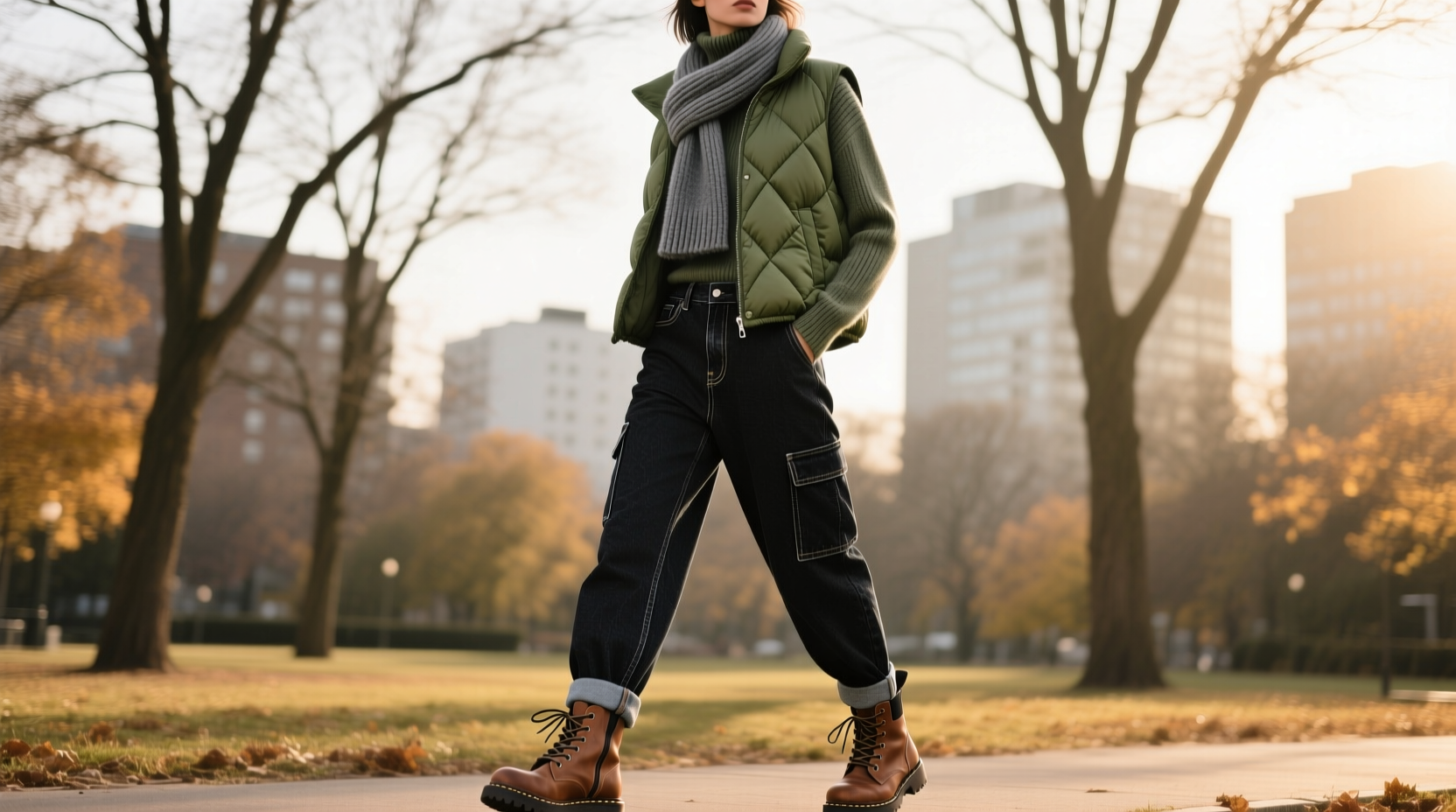
The puffer vest strikes a balance between insulation and breathability. Unlike full jackets, it warms the torso—the body’s thermal core—while allowing arms freedom of movement and ventilation. This makes it ideal when temperatures hover between 45°F and 60°F (7°C–15°C), where a coat may be too hot and a sweater not enough.
Filled with down or synthetic insulation and constructed with quilted stitching, modern puffer vests come in sleeker profiles than their bulkier predecessors. Many feature packable designs, water-resistant shells, and minimalist silhouettes that transition seamlessly from casual errands to outdoor adventures.
“The puffer vest is the unsung hero of transitional dressing. It adds warmth precisely where you need it without sacrificing mobility or style.” — Lena Torres, Menswear & Lifestyle Stylist
Its sleeveless design creates natural opportunities for layering. You can wear long sleeves beneath it during cooler hours and roll them up as the day warms. This adaptability makes it more practical than heavier outerwear during volatile weather patterns.
Layering Principles for Maximum Versatility
Successful layering isn’t about piling on clothes—it’s about creating a system that responds to temperature shifts while maintaining visual harmony. The goal is to build an outfit with three potential states: fully layered, mid-layer removed, and core piece worn alone.
A well-structured layering sequence follows this logic:
- Base Layer: Moisture-wicking and form-fitting to regulate body heat.
- Middle Layer: Insulating piece that traps warmth (e.g., flannel, merino wool).
- Outer Layer: The puffer vest, which locks in heat over the core.
Because the vest doesn’t cover the arms, the middle layer remains visible at the sleeves, making fabric texture and color coordination crucial.
Selecting the Right Base Layer
The foundation of any layered outfit should be snug but not tight. Opt for materials that manage moisture and resist odor:
- Merino wool: Naturally temperature-regulating and soft against the skin.
- Modal or TENCEL™: Smooth, breathable plant-based fabrics ideal for sensitive skin.
- Lightweight technical synthetics: Designed for active use, these wick sweat efficiently.
Turtlenecks, crewnecks, and long-sleeve tees work well. Avoid cotton as a base layer—it absorbs moisture and dries slowly, leaving you cold if you sweat.
Building the Middle Layer
This layer amplifies warmth and contributes significantly to your outfit’s aesthetic. Consider these options based on intended activity and formality:
| Garment Type | Best For | Style Tip |
|---|---|---|
| Flannel shirt | Casual outings, weekends | Leave unbuttoned under vest for texture contrast |
| Merino sweater | Daily wear, office settings | Roll sleeves slightly to show fabric quality |
| Denim or chore jacket | Urban environments, variable temps | Wear vest over jacket for rugged appeal |
| Hoodie (slim fit) | Active days, informal events | Match hoodie color to vest trim for cohesion |
The middle layer should never overpower the vest. Keep collars low and avoid excessive bulk. A slim-fit hoodie or fine-gauge knit maintains clean lines while adding warmth.
Styling Strategies by Occasion
One of the puffer vest’s greatest strengths is its ability to shift tone depending on what it’s paired with. Below are real-world applications across different settings.
1. Urban Commute: Polished Yet Practical
For walking to work or navigating public transit, combine function with subtle sophistication. Try a charcoal puffer vest over a light gray merino turtleneck, paired with dark selvedge jeans and Chelsea boots. Add a structured backpack in matte black leather for continuity.
This combination keeps the core warm while allowing arm movement on crowded trains. If rain threatens, swap the vest for a water-resistant overshirt and carry the vest in a compact pouch.
2. Weekend Errands: Effortless Casual
A flannel shirt layered under a black puffer vest creates a relaxed, outdoorsy vibe. Pair with beige chinos and white sneakers. Roll the flannel sleeves to expose crisp cuffs. A canvas tote or crossbody bag completes the look.
This setup allows easy removal of the vest when entering heated stores or cafes, revealing a put-together shirt-and-pants combo underneath.
3. Outdoor Adventure: Functional Warmth
Hiking trails or crisp morning dog walks call for performance-oriented layering. Start with a moisture-wicking base layer, add a lightweight fleece mid-layer, then top with a longer-cut puffer vest designed for outdoor use.
Look for vests with wind-resistant shells and hem adjusters. Pair with durable cargo pants and trail shoes. A beanie and gloves stored in pockets provide instant upgrades when temperatures dip.
“During shoulder seasons, I always pack a puffer vest in my travel bag. It works over dress shirts for dinners and over thermals for morning sightseeing.” — Daniel Kim, Travel Editor, *Urban Escape Magazine*
Color and Proportion: Designing a Cohesive Look
Even the best layering fails if colors clash or proportions feel off. Follow these guidelines to maintain visual balance.
Stick to a **three-color palette** maximum per outfit. For example: navy (vest), gray (sweater), and tan (pants). Use tonal variations—like charcoal and light gray—to add depth without chaos.
When choosing vest length, consider your torso and hip ratio:
- Shorter torsos: Opt for cropped or standard-length vests that end at the waist.
- Taller frames: Mid-length vests (ending near hips) offer better proportion.
- Curvier builds: Slightly longer vests smooth the silhouette without adding bulk.
Avoid overly shiny or reflective outer shells in professional settings; matte finishes read as more refined. Metallic finishes work best in athletic or high-fashion contexts.
Step-by-Step Guide: Building Your Ideal Transitional Outfit
Follow this six-step process to create a balanced, adaptable ensemble centered on your puffer vest.
- Assess the forecast: Check morning and afternoon temperatures. Plan for at least a 15°F swing.
- Select your base: Choose a long-sleeve top made from merino, modal, or performance fabric.
- Add middle insulation: Pick a mid-weight layer that complements both base and vest in color and texture.
- Choose the right vest: Ensure it fits snugly over layers without pulling at seams. Armscyes should not dig in.
- Pick bottoms: Balance the volume of the vest with tailored or straight-leg pants. Avoid overly baggy trousers.
- Finalize with footwear and accessories: Boots or clean sneakers ground the look. Add a scarf or hat only if needed—remember, the vest already draws attention upward.
Test the outfit indoors first. Walk around, raise your arms, and simulate sitting to ensure comfort and no gaping at the back.
Common Mistakes to Avoid
Even experienced dressers make errors when integrating puffer vests into transitional wardrobes. Steer clear of these pitfalls:
- Over-bundling: Wearing too many thick layers defeats the purpose of a lightweight vest.
- Ignoring sleeve visibility: Mismatched sleeve lengths or clashing patterns break visual flow.
- Poor vest fit: A vest that’s too loose looks sloppy; one that’s too tight restricts movement.
- Clashing textures: Combining a glossy vest with a fuzzy sweater can appear mismatched unless intentionally styled.
- Neglecting care: Down-filled vests lose loft if compressed long-term. Store loosely or hang when not in use.
Mini Case Study: Emma’s Spring Commute Makeover
Emma, a graphic designer in Portland, struggled each March with unpredictable weather. Her usual denim jacket was too light in the mornings, but her winter coat left her overheated by noon. After consulting a stylist, she adopted a new routine centered on a navy puffer vest.
She now wears a heather-gray merino long-sleeve tee as her base, layered under a black cotton popover shirt. The puffer vest goes on top, zipped halfway for a relaxed look. With dark cuffed jeans and suede desert boots, the outfit transitions seamlessly from her chilly bike ride to the heated studio.
On warmer days, she removes the vest and ties the popover shirt around her waist. On colder ones, she adds a lightweight beanie. Within two weeks, colleagues began asking where she got her “effortlessly warm” look.
FAQ: Your Top Questions Answered
Can I wear a puffer vest over a jacket?
Yes, but selectively. A vest over a slim denim or field jacket adds retro-inspired dimension. Avoid wearing it over bulky coats, as this creates excess volume and restricts movement.
Is a puffer vest appropriate for office wear?
In creative or business-casual environments, absolutely. Choose a minimalist vest in dark neutrals (black, navy, charcoal) and pair it with tailored chinos or wool trousers. Avoid bright colors or sporty trims in formal offices.
How do I wash and store my puffer vest?
Check the care label. Most down-filled vests require gentle machine washing with a down-specific detergent and low-heat drying with tennis balls to restore loft. Store flat or on a wide hanger—never compressed in a drawer for long periods.
Conclusion: Embrace the Season with Confidence
Styling a puffer vest for transitional weather isn’t just about staying warm—it’s about mastering adaptability. With thoughtful layering, attention to proportion, and a few tested combinations, you can navigate shifting temperatures without sacrificing style. The vest becomes more than a garment; it’s a tool for sartorial intelligence.
Start building your capsule around one versatile vest in a neutral hue. Experiment with different bases and mid-layers. Pay attention to how fabrics interact and how colors harmonize. Before long, you’ll develop go-to outfits that feel intuitive and look intentional.




 浙公网安备
33010002000092号
浙公网安备
33010002000092号 浙B2-20120091-4
Comments
No comments yet. Why don't you start the discussion?