
The turtleneck has long been associated with academia, boardrooms, and winter wardrobes—but it doesn’t have to scream “stuffy professor” or “overdressed for a Zoom call.” In fact, when styled with intention, the turtleneck is one of the most versatile and fashion-forward pieces in modern menswear and womenswear. From minimalist streetwear looks to elevated office ensembles, the key lies not in avoiding the turtleneck, but in redefining how you wear it.
Gone are the days when a black cashmere turtleneck automatically signaled seriousness or austerity. Today’s styling techniques emphasize movement, proportion, texture, and contrast. Whether you’re dressing for a casual weekend, a creative workspace, or a dinner date, there are countless ways to keep your turtleneck look relaxed, current, and effortlessly cool.
Choose the Right Fit and Fabric
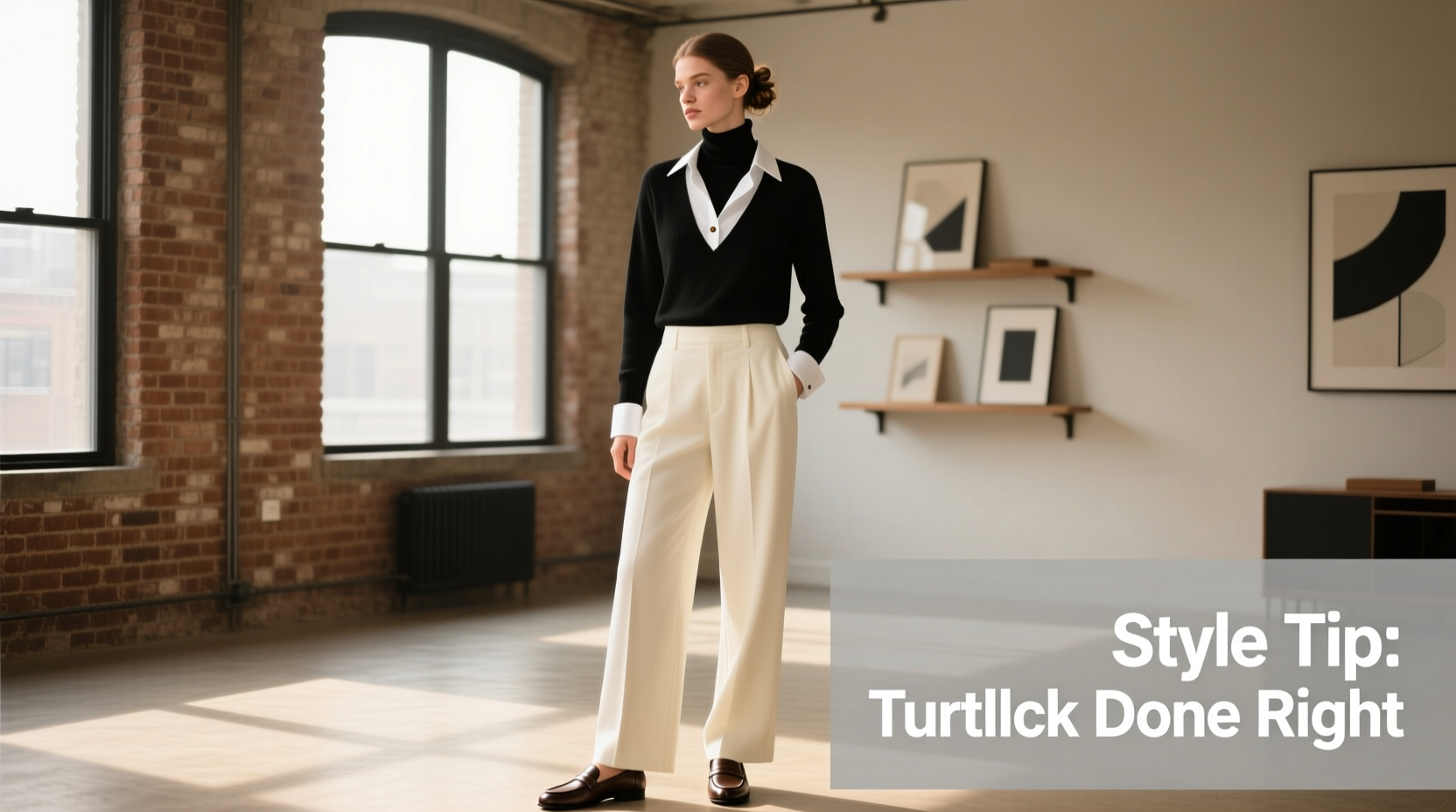
The foundation of a non-stuffy turtleneck starts before you even step into the outfit: it begins with selecting the right silhouette and material. A poorly fitted or overly thick knit can instantly make an outfit feel constricting and outdated. The goal is comfort with structure—something that feels snug but not restrictive, warm but breathable.
- Slim-fit cotton or merino wool: Ideal for layering under blazers or denim jackets. These fabrics drape well and avoid bulk.
- Loose-knit cashmere or alpaca blends: Perfect for colder months, offering softness and volume without stiffness.
- Cropped or slightly slouchy styles: Modern alternatives to traditional high necks, adding a relaxed vibe.
Avoid rigid, tight ribbing that pulls at the neck. Instead, opt for gently folded or slightly oversized collars that sit comfortably below the jawline. This subtle detail prevents the “turtleneck trap”—that moment when the garment makes you look like you're perpetually bracing against the wind.
Master the Art of Layering
Layering is where the turtleneck truly shines in contemporary styling. When done right, it adds depth and dimension without overwhelming the frame. The trick is to play with proportions and textures so that each layer complements rather than competes.
For example, pairing a slim black turtleneck under an unstructured linen blazer instantly elevates a casual outfit while keeping it approachable. Add wide-leg trousers and minimalist sneakers, and you’ve achieved a balance between polished and relaxed.
In colder weather, try wearing your turtleneck under a chore coat, overshirt, or even a sleeveless puffer vest. This creates visual interest through texture contrast—smooth knit versus rugged outerwear—while maintaining warmth without bulk.
“Layering isn’t about covering up; it’s about creating rhythm in your outfit. The turtleneck acts as a base note—quiet but essential.” — Lena Torres, Fashion Stylist & Creative Director
Proportional Pairings for Modern Silhouettes
| Outer Layer | Bottom Half | Footwear | Vibe Achieved |
|---|---|---|---|
| Oversized denim jacket | Wide-leg corduroys | Chunky loafers | Artistic casual |
| Unlined wool coat | Slim chinos | Chelsea boots | Urban professional |
| Quilted vest | Relaxed jeans | White sneakers | Weekend ease |
| Fringed suede shacket | Leather leggings | Ankle boots | Boho edge |
The table above illustrates how changing just one element—outerwear, pants, or shoes—can transform the same turtleneck into entirely different looks. The consistent thread? A neutral, well-fitted base that supports experimentation elsewhere.
Break Formality with Casual Bottoms
One of the fastest ways a turtleneck turns stuffy is by pairing it with equally formal pieces—think dress pants, leather oxfords, and tailored overcoats from head to toe. While this combo works in certain settings, it often lacks personality.
To modernize the look, swap structured trousers for something more relaxed. Think raw-hem jeans, cargo pants with a tapered leg, or even bike shorts in cooler months (when layered under sheer mesh or open-knit sweaters).
A real-world example: Sarah, a graphic designer in Portland, used to reserve her gray merino turtleneck for client meetings. After experimenting with styling, she began wearing it with vintage-inspired patchwork jeans and platform hiking boots. The result? She received compliments at both coffee shops and coworking spaces—not because the outfit was flashy, but because it felt authentic and balanced.
This shift reflects a broader trend: rejecting rigid dress codes in favor of expressive, hybrid aesthetics. The turtleneck becomes a canvas, not a costume.
Embrace Color, Texture, and Unexpected Details
Neutrals dominate turtleneck wardrobes for good reason—they’re easy to pair and timeless. But relying solely on black, gray, and navy limits your potential for freshness. Introducing color or texture is one of the most effective ways to prevent visual fatigue.
Consider a moss green turtleneck under a camel trench coat—it adds earthy warmth without clashing. Or try a ribbed ivory knit with silver hoop earrings and a chocolate brown leather skirt for a monochrome moment with depth.
Texture plays an equally important role. A bouclé weave, cable knit, or marled yarn introduces tactility that catches light and attention. Even subtle variations—like a brushed cotton versus a glossy silk-blend—can change how an outfit reads.
Another modern touch: asymmetry. Look for turtlenecks with off-center seams, draping hems, or one-shoulder cuts. These design elements disrupt formality and add movement.
Styling Checklist: Keep Your Turtleneck Fresh
- ✅ Choose a fit that skims the body—not tight, not baggy.
- ✅ Opt for soft, breathable fabrics like merino, cotton, or lightweight cashmere.
- ✅ Layer under open-front cardigans, denim jackets, or unstructured coats.
- ✅ Pair with relaxed bottoms: wide-leg jeans, track pants, or pleated midi skirts.
- ✅ Introduce one pop of color or textured piece per outfit.
- ✅ Accessorize minimally—let the turtleneck be the focal point.
- ✅ Roll or fold the turtleneck collar slightly for a lived-in look.
Step-by-Step Guide: Building a Non-Stuffy Turtleneck Outfit
Follow this sequence to create a modern, wearable ensemble in under ten minutes:
- Select your base: Pick a turtleneck in a neutral or seasonal hue that feels comfortable against your skin.
- Add an open layer: Throw on a flannel shirt left unbuttoned, a utility jacket, or a longline vest.
- Pick relaxed bottoms: Go for straight-leg jeans, linen trousers, or a flowy wrap skirt.
- Choose footwear with attitude: Chunky boots, retro runners, or mules can shift the tone from formal to fashion-forward.
- Accessorize thoughtfully: Add a single statement piece—a wide-brim hat, layered necklaces, or tinted sunglasses.
- Adjust the collar: Gently tug the neckline to one side or loosen the fold for a more effortless appearance.
- Move in it: Walk, sit, reach—make sure the outfit allows freedom. If it feels restrictive, simplify.
This method prioritizes flexibility and personal expression. It’s not about following rules, but about building confidence through small, intentional choices.
FAQ: Common Concerns About Styling Turtlenecks
Can I wear a turtleneck if I have a short neck?
Absolutely. The key is choosing a slim, not-too-high collar and balancing it with longer layers. V-neck outerwear, open shirts, or long pendant necklaces draw the eye vertically, creating the illusion of length. Avoid bulky knits or double-layered necklines.
Are turtlenecks only for cold weather?
No. Lightweight versions made from cotton, modal, or bamboo blends are ideal for transitional seasons. Some people even wear thin turtlenecks in air-conditioned offices during summer to maintain a polished look without overheating.
How do I stop my turtleneck from riding up?
Look for styles with a bit of spandex or elastane for shape retention. Ensure the fit is true to size—too small, and it will constantly pull upward. You can also use fashion tape inside the hem if needed, especially under sheer or fitted outer layers.
Conclusion: Redefine the Turtleneck on Your Terms
The turtleneck doesn’t need to be retired or feared. With thoughtful selection and creative styling, it can become one of the most reliable and expressive pieces in your wardrobe. The outdated image of stiffness and solemnity belongs to another era—one we no longer need to live in.
By focusing on fit, fabric, and fearless layering, you reclaim the turtleneck as a tool of self-expression. Whether you’re pairing it with cargo pants and combat boots or a silk midi skirt and ankle straps, the message is clear: you’re in control of your aesthetic.




 浙公网安备
33010002000092号
浙公网安备
33010002000092号 浙B2-20120091-4
Comments
No comments yet. Why don't you start the discussion?