
In an era where mobility and minimalism define modern work culture, the traditional leather briefcase is being reimagined. Enter the tote bag: a lightweight, versatile, and stylish solution that doubles as a functional alternative to the corporate briefcase. Whether you're commuting to the office, attending back-to-back meetings, or working remotely from a café, a well-organized tote can carry everything you need—without sacrificing professionalism. The key lies not just in choosing the right tote, but in how you style and structure it for daily utility.
Choose the Right Tote for Professional Use
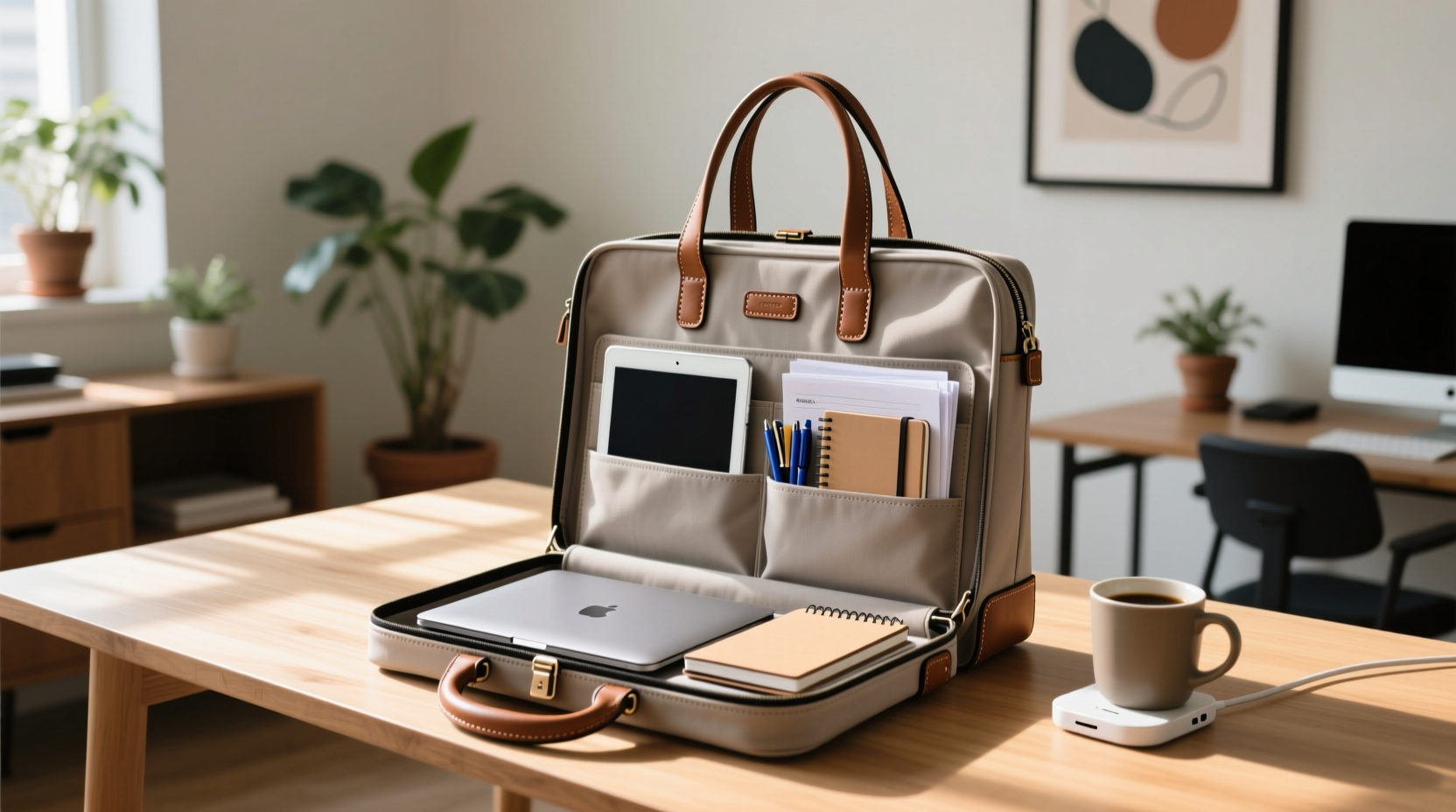
Not all tote bags are created equal. To function effectively as a briefcase replacement, your tote must balance form and function. Look for structured silhouettes made from durable materials like canvas, waxed cotton, or high-quality vegan leather. These offer shape retention and resist wear from daily use.
Dimensions matter. A tote that’s too large becomes unwieldy; one that’s too small forces compromise. Aim for a size that comfortably fits a 13-inch laptop, a notebook, a water bottle, and a few essential accessories—typically around 14” x 15” x 6”. Interior pockets or a padded laptop sleeve add significant value.
Organize with Intention: The Zoning System
Effective organization starts with designating zones within your tote. This prevents clutter and ensures quick access to essentials. Think of your bag as having three primary compartments—even if they’re not physically divided:
- Work Zone: Reserved for tech, documents, and office supplies. Use a slim laptop sleeve and a zippered pouch for chargers, cables, and pens.
- Personal Zone: Holds your wallet, keys, lip balm, hand sanitizer, and sunglasses case. A small crossbody clutch or interior pocket keeps these items secure.
- Flex Zone: For items that change daily—a sweater, gym clothes, snacks, or a reusable coffee cup. Utilize the main cavity’s open space strategically.
Invest in minimalist organizers. A neoprene tablet sleeve, magnetic pen loop, or foldable file folder can elevate functionality without adding bulk.
| Zones | Items to Include | Recommended Organizers |
|---|---|---|
| Work Zone | Laptop, notebook, business cards, USB drive | Padded sleeve, document holder |
| Personal Zone | Wallet, phone, keys, hand cream | Zippered pouch, cardholder |
| Flex Zone | Jacket, water bottle, umbrella | Mesh side pockets, expandable base |
Style It Like a Pro: Elevate Your Aesthetic
A tote doesn’t have to look casual to be practical. The secret is in pairing your bag with polished accessories and mindful outfit coordination. Opt for neutral tones—black, navy, tan, or charcoal—for maximum versatility. These colors transition seamlessly from boardroom to brunch.
Hardware details make a difference. Totes with brass zippers, reinforced handles, or subtle branding project attention to detail. Avoid overly logoed designs unless the brand aligns with your personal aesthetic.
“Your bag is part of your professional uniform. A sleek tote with clean lines says you’re organized, capable, and intentional.” — Marcus Lin, Wardrobe Consultant at Urban Edge Styling
Pair your tote with tailored pieces: a structured blazer, crisp button-down, or midi skirt. Even in a casual office environment, this combination maintains authority. If you carry a scarf, drape it neatly over one handle—it adds sophistication and hides minor scuffs.
Real-World Example: Maya’s Commuter Tote Routine
Maya, a marketing strategist in Chicago, replaced her bulky briefcase with a waxed-cotton tote two years ago. Her previous bag caused shoulder strain and looked outdated. Now, she uses a streamlined system:
- Mornings: She preps her tote the night before, placing her laptop in a navy sleeve and packing a reusable lunch container.
- Commuting: She slips her noise-canceling headphones into a felt-lined pocket and keeps her transit card in an exterior slot.
- At Work: The tote sits under her desk, ready for impromptu meetings. She removes only what’s needed, minimizing clutter.
- Evenings: She wipes down the interior with a dry microfiber cloth and stores it upright on a shelf.
The result? Fewer forgotten items, reduced physical strain, and consistent compliments on her “effortlessly put-together” look. Her tote has lasted 18 months with no signs of wear.
Step-by-Step: Daily Tote Maintenance Routine
Longevity depends on routine care. Follow this five-minute daily process to keep your tote functional and presentable:
- Empty Completely: At day’s end, remove all contents. Shake out crumbs or debris.
- Wipe Down Surfaces: Use a dry or slightly damp cloth to clean interior and exterior fabric. For leather or vegan leather, apply a manufacturer-approved conditioner monthly.
- Reassess Layout: Adjust zones based on tomorrow’s needs. Swap out notebooks, add travel-sized toiletries, or include a backup mask.
- Charge & Prep Tech: Plug in your power bank and ensure cables are coiled neatly in a dedicated pouch.
- Store Upright: Place the tote on a shelf or hook—never crumpled in a closet—to maintain its shape.
Frequently Asked Questions
Can a tote really replace a briefcase?
Yes—provided it’s designed for durability and organization. Many professionals now prefer totes for their lighter weight, ease of access, and adaptability across environments. As long as your tote protects your devices and presents a polished image, it’s a viable alternative.
How do I prevent my tote from looking messy?
Stick to a color-coordinated system. Use matching organizers in muted tones (gray, black, or beige) and avoid overloading the bag. Limit non-essential items. A clutter-free tote reflects a clear mind.
What if my tote lacks interior pockets?
Add modular solutions: a removable insert with compartments, a magnetic pocket organizer, or even a small pencil case secured with a snap. You don’t need built-in features to achieve order—just intentionality.
Essential Checklist for Tote-to-Briefcase Transition
- ☑ Choose a structured tote with durable material and appropriate size
- ☑ Invest in a padded laptop sleeve and compact tech organizer
- ☑ Assign three functional zones: work, personal, and flexible storage
- ☑ Style with coordinated accessories and professional attire
- ☑ Implement a nightly reset routine to maintain order
- ☑ Clean and condition the bag monthly to extend lifespan
- ☑ Rotate between two totes if possible to reduce wear
Final Thoughts: Rethink Function Without Sacrificing Form
The modern professional doesn’t need a stiff leather briefcase to command respect. A thoughtfully selected and meticulously organized tote bag offers the same capability—with greater comfort and contemporary appeal. By treating your tote as both a tool and an extension of your personal brand, you create a seamless bridge between productivity and style.




 浙公网安备
33010002000092号
浙公网安备
33010002000092号 浙B2-20120091-4
Comments
No comments yet. Why don't you start the discussion?