
Styling bangs with a headband is a timeless look that blends retro charm with modern elegance. Whether you're aiming for a soft, romantic vibe or a polished office-ready appearance, the combination of bangs and a headband can elevate any outfit. But there's a common frustration: once you remove the headband, your bangs are left with an unsightly crease, disrupting their natural flow and requiring time-consuming touch-ups. This doesn’t have to be inevitable. With the right techniques, tools, and timing, you can wear a headband all day and still maintain smooth, crease-free bangs underneath.
The key lies in understanding hair behavior, selecting compatible accessories, and using styling methods that support structure without sacrificing flexibility. From choosing the right width of headband to mastering heat application and strategic pinning, this guide delivers actionable insights backed by hairstylists and real-life testing. No more awkward flat spots or kinked strands—just seamless integration between accessory and hairstyle.
Why Headbands Cause Creases in Bangs
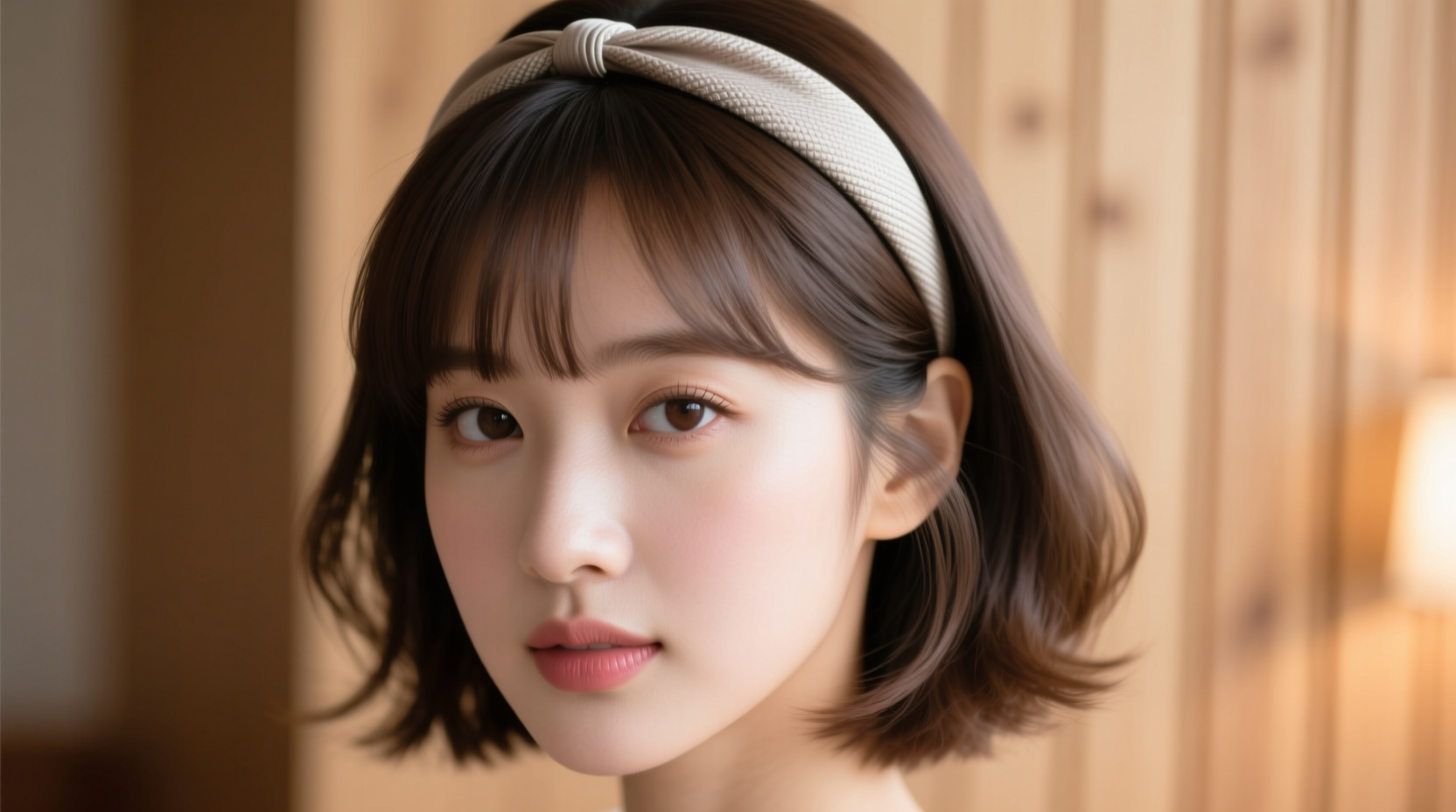
A crease forms when pressure is applied to damp or styled hair for an extended period. The fibers compress under the band, losing volume and shape. Fine, straight hair is most susceptible, but even wavy or coarse textures can develop temporary indentations if the headband is too tight or worn too long on set styles.
The severity of the crease depends on several factors:
- Headband material: Stiff plastic or tightly woven fabric creates deeper impressions than soft knits or padded bands.
- Width and fit: Narrow bands concentrate pressure, while wider ones distribute it more evenly—reducing the risk of deep lines.
- Hair moisture level: Damp or product-laden hair sets more easily under pressure, increasing the chance of permanent-looking dents.
- Duration of wear: The longer the band stays in place, the more likely the hair will retain its compressed shape.
Understanding these variables allows you to make informed choices about which headbands to use and how to prep your hair before wearing them.
Choosing the Right Headband for Your Bangs
Not all headbands are created equal when it comes to protecting delicate fringe. The ideal choice balances comfort, grip, and minimal compression. Here’s a breakdown of popular types and their suitability for bang-friendly styling:
| Type | Pros | Cons | Bangs-Friendly? |
|---|---|---|---|
| Wide Fabric Headbands (Cotton, Velvet) | Distribute pressure evenly; soft texture prevents sharp lines | May slip if hair is fine or oily | ✅ Yes – best for sensitive or thin bangs |
| Padded or Cushioned Bands | Add volume without pressing down hard; gentle on roots | Bulkier; may not suit sleek looks | ✅ Recommended for daily wear |
| Narrow Plastic or Acrylic Bands | Stay in place well; fashion-forward designs | High pressure concentration; often cause deep creases | ❌ Avoid unless worn briefly |
| Knit or Ribbed Headbands | Stretchy, flexible, breathable | Can absorb oils quickly; may leave texture marks | 🟡 Moderate – okay if wide and loose-fitting |
| Scrunchies or Fabric Ties | No hard edges; customizable tightness | Less structured; may droop forward | ✅ Good alternative for low-pressure hold |
For maximum protection, opt for headbands at least 1.5 inches wide made from soft materials like velvet, terry cloth, or padded satin. These reduce direct pressure on individual strands while still providing enough grip to stay secure.
“Many clients come in frustrated because their cute headband ruined their blowout. I always recommend wider, cushioned options—they do wonders for preserving style integrity.” — Lena Torres, Celebrity Hairstylist and Educator
Step-by-Step: How to Wear a Headband Without Damaging Bangs
It’s not just about what you wear—it’s how you wear it. Follow this detailed sequence to keep your bangs smooth, bouncy, and crease-free throughout the day.
- Start with fully dry, styled bangs. Never apply a headband to damp hair. Blow-dry your bangs forward or sideways using a round brush to build volume and set the shape.
- Apply a light-hold hairspray or texturizing spray. Focus on mid-lengths to ends—not the roots—to avoid stiffness. Let it dry completely.
- Position the headband correctly. Place it just behind the crown, above the ears, so it rests *behind* your bangs rather than flattening them against your forehead.
- Use strategic pinning if needed. If your bangs tend to slip forward, gently twist them upward and secure with a small bobby pin hidden beneath the headband. This lifts them away from direct pressure.
- Limit continuous wear time. For events lasting more than 4 hours, consider removing the headband during breaks (e.g., lunch) to allow hair to rebound.
- Refresh after removal. Once the headband comes off, run fingers through bangs, shake lightly, and use a cool blast from the dryer to reactivate movement.
This method preserves both the aesthetic of the headband and the integrity of your fringe. It’s especially effective for workdays, weddings, or photo shoots where appearance matters from start to finish.
Real-Life Example: A Wedding Guest’s Dilemma
Sophie attended her best friend’s outdoor wedding wearing a vintage-inspired lace dress and a narrow black velvet headband. She’d spent 30 minutes curling her curtain bangs and setting them with medium-hold spray. By the ceremony’s end—just two hours later—her bangs were flattened into a distinct V-shape where the band had pressed down.
She tried brushing them out, but the dent remained visible in photos. Later, she consulted a stylist who suggested a simple fix: next time, wear a wider, padded headband placed higher on the head, and pin her bangs up slightly underneath. At a subsequent event, Sophie used a 2-inch satin-trimmed band and twisted her bangs back into a loose fold secured with a crisscross bobby pin. She wore the headband for six hours and removed it flawlessly—her bangs sprang back into place with only minor settling that a quick finger-fluff corrected.
The difference? Proper placement and structural support. She didn’t change her hair type or products—just how she integrated the accessory.
Pro Tips for Long-Term Success
Maintaining crease-free bangs isn’t just about one-time fixes—it’s about building habits that protect your style throughout the day. Incorporate these expert-backed strategies into your routine:
In addition to daily practices, consider seasonal adjustments. In humid climates, hair swells and becomes less malleable—making creases harder to form but also harder to fix once they occur. In dry environments, static increases, causing flyaways when you remove the band. Using a lightweight anti-humidity serum or a drop of argan oil on the palms, lightly smoothed over bangs post-headband, helps restore balance.
Frequently Asked Questions
Can I wear a headband immediately after flat-ironing my bangs?
You can, but only if you let them cool completely first. Hot-styled hair is highly moldable. Applying pressure while still warm increases the likelihood of permanent creasing. Wait at least 2–3 minutes after ironing before adding any accessory.
What should I do if my bangs already have a crease?
Hold a blow dryer on cool setting about 6 inches from the affected area. Gently pull the hair upward with your fingers while directing airflow. The combination of tension and cool air helps reset the cuticle and lift the dent. Finish with a spritz of volumizing mist.
Are certain bang types more resistant to creasing?
Yes. Blunt, thick bangs tend to resist creasing better due to their density. Wispy, feathered, or side-swept cuts are more vulnerable because fewer strands mean less structural support. However, proper technique can protect all styles effectively.
Essential Checklist: Bangs + Headband Harmony
To ensure flawless results every time, follow this pre-styling checklist:
- ☑ Hair is fully dry before applying any product or accessory
- ☑ Headband is wide (at least 1.5 inches) and made of soft material
- ☑ Bangs are styled and cooled completely
- ☑ Light-hold product is applied—not heavy gel or wax
- ☑ Headband is positioned behind the bang line, not pressing them flat
- ☑ Optional: Bangs are pinned up slightly to relieve pressure
- ☑ Emergency touch-up kit includes mini brush, bobby pins, and travel dryer
Going through this list takes less than two minutes but dramatically improves outcomes. Think of it as insurance for your style.
Final Thoughts: Style Shouldn’t Sacrifice Structure
Wearing a headband shouldn’t mean surrendering your carefully styled bangs to gravity and pressure. With thoughtful preparation and the right tools, you can enjoy both the elegance of the accessory and the integrity of your haircut. The techniques outlined here aren’t shortcuts—they’re sustainable practices rooted in hair science and professional experience.
Whether you’re dressing up for a special occasion or elevating your everyday look, remember that small adjustments yield big results. Choose your headband wisely, position it intentionally, and treat your bangs with the care they deserve. Over time, these habits become second nature, allowing you to move confidently through your day knowing your style remains intact—from morning coffee to evening plans.




 浙公网安备
33010002000092号
浙公网安备
33010002000092号 浙B2-20120091-4
Comments
No comments yet. Why don't you start the discussion?