
Curtain bangs have surged in popularity for their soft, face-framing elegance that blends vintage charm with modern edge. When styled correctly, they can enhance facial symmetry, draw attention to the eyes, and create a flattering illusion of length. However, for those with round face shapes—characterized by balanced proportions, full cheeks, and a gently curved jawline—the wrong approach to curtain bangs can accentuate width rather than elongate the face.
The key is not avoiding curtain bangs altogether but tailoring their cut, placement, and styling to harmonize with your natural structure. With thoughtful execution, curtain bangs can be one of the most flattering fringe choices for round faces, adding dimension and balance without overpowering delicate features.
Understanding Facial Proportions and Bangs
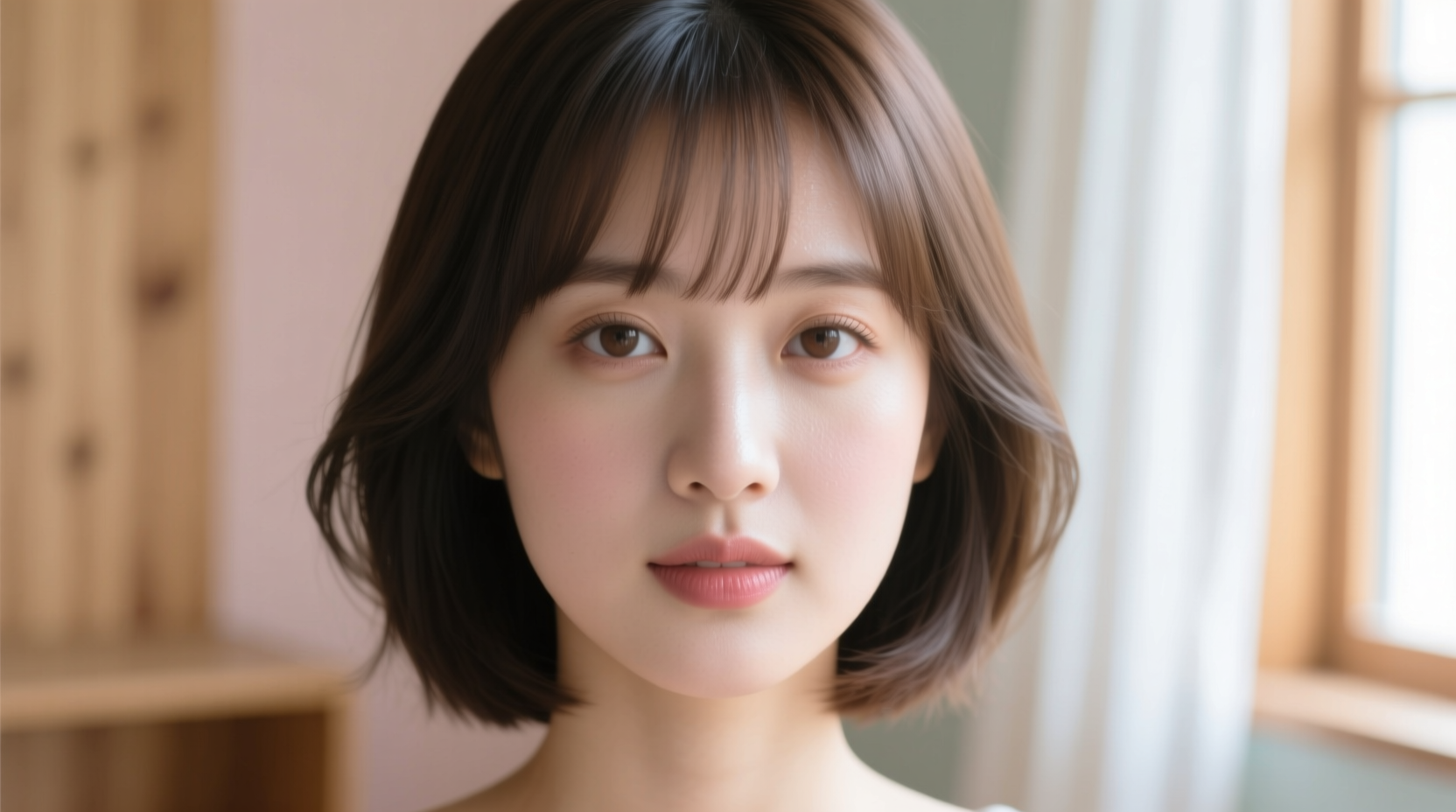
A round face typically measures nearly equal in length and width, with the fullest part across the cheekbones. While this shape radiates youthfulness and symmetry, it benefits from styles that introduce vertical elongation and angular contrast. The goal when styling any fringe on a round face is to avoid cutting straight across the forehead or creating volume at the sides, both of which can emphasize width.
Curtain bangs, however, are uniquely suited because they part in the center and sweep outward, forming a \"V\" shape that mimics the effect of contouring. This creates an optical illusion: drawing the eye downward and breaking up horizontal fullness. The trick lies in precision—both in how they’re cut and how they’re worn daily.
“Curtain bangs are like a built-in highlighter for the face—they guide light and shadow where you want them. For round faces, the angle and length are everything.” — Lena Torres, Celebrity Hairstylist and Texture Specialist
Choosing the Right Cut and Length
Not all curtain bangs are created equal. To complement a round face, certain structural elements must be prioritized during the cut:
- Longer length: Aim for bangs that end at or just above the cheekbones. Shorter bangs stop the eye too high on the face, truncating its appearance.
- Soft center part: The middle section should be slightly longer than the sides, allowing it to fall naturally down the middle while the outer edges blend into the rest of the hair.
- Textured ends: Avoid blunt cuts. Feathered or point-cut ends prevent a heavy, blocky look and allow for movement.
- Side blending: The transition from bangs to face-framing layers should be seamless. Ask your stylist to connect the bangs into the rest of your cut using long layers.
Step-by-Step Styling Guide for Everyday Wear
Even the best-cut curtain bangs require proper styling to maintain their flattering shape. Follow this routine to keep them looking polished and intentional:
- Start with damp hair: Towel-dry after washing. Apply a heat protectant spray to prevent damage from styling tools.
- Use a round brush: Take a medium-sized round brush (preferably vented) and place it under the roots of your bangs at the center of your forehead.
- Blow-dry forward, then flip: Direct the airflow downward as you pull the brush straight forward for 5 seconds, then flip the brush backward to create a gentle lift at the root. This adds volume without puffiness.
- Focus on the part: Style the center section first, ensuring it falls cleanly down the middle. Then work on each side, brushing them diagonally outward and slightly back toward the temples.
- Set with cool air: Finish with a blast of cool air to lock in the shape.
- Refine with flat iron (optional): If your bangs tend to curl upward or outward, lightly glide a flat iron over the ends, angling it away from the face for a soft flick.
- Lock in place: Use a light-hold hairspray or texturizing mist. Avoid heavy products that weigh hair down or create stiffness.
This method ensures your bangs frame your face with intention—not randomness. Consistency in styling builds muscle memory, making the process quicker over time.
Do’s and Don’ts: A Quick Reference Table
| Do | Don’t |
|---|---|
| Opt for longer bangs (cheekbone-length) | Cut bangs too short (above eyebrows) |
| Style with a center part | Wear with a deep side part (can widen face) |
| Blend bangs into long layers | Leave bangs disconnected from the rest of the hair |
| Use light-hold finishing products | Apply heavy gels or waxes |
| Refresh with dry shampoo at roots | Let bangs get greasy (adds weight and flattens volume) |
Real-Life Example: Transforming a Round Face with Curtain Bangs
Sophie, a 28-year-old graphic designer with a classic round face and thick, wavy shoulder-length hair, had always avoided bangs. She worried they’d make her face look wider or boxy. After months of research, she consulted a stylist specializing in face-framing cuts. Together, they decided on long, layered curtain bangs starting at the inner brow line and tapering down to cheekbone length.
Her stylist emphasized blending: the bangs were seamlessly connected to long layers around her face, eliminating any harsh lines. Sophie was taught to blow-dry them with a round brush, lifting at the root and directing the sides back toward her ears. Within days, she noticed compliments on her “brighter eyes” and “more defined cheekbones.”
What made the difference wasn’t just the cut—it was the consistency in styling. By following a simple morning routine, Sophie maintained the shape and prevented her naturally wavy texture from puffing out at the sides. Over time, the bangs became a signature part of her look, enhancing rather than hiding her features.
Expert Tips for Maintaining Shape and Volume
Styling doesn’t end at the salon. Daily habits determine whether your curtain bangs continue to flatter your face shape. Here are professional recommendations to preserve their effect:
- Trim every 6–8 weeks: Curtain bangs grow quickly and can lose their shape. Regular trims keep the layers sharp and prevent them from becoming too heavy.
- Part strategically: Keep the center part clean but not rigid. A slight zigzag or off-center variation can add softness without sacrificing elongation.
- Combat greasiness: Bangs absorb oil faster than other hair. Use dry shampoo sparingly at the roots to maintain lift. Apply before bed if you tend to sweat at night.
- Sleep smart: Braid your bangs loosely or pin them up with a clip to avoid flattening. Silk pillowcases also reduce friction and frizz.
- Adapt for different lengths: As bangs grow, embrace the transition. Longer curtain bangs can be tucked behind the ears or swept into a half-up style—still framing the face without requiring constant trimming.
Common Questions About Curtain Bangs and Round Faces
Can I wear curtain bangs if I have curly hair?
Absolutely. Curly hair actually benefits from curtain bangs because the natural bounce adds volume at the crown, which elongates the face. Just ensure the bangs are cut longer and shaped while dry or diffused, so the curl pattern is accounted for. Avoid tight curls at the forehead, which can flare outward and widen the face.
What if my bangs make my forehead look smaller?
If your forehead feels minimized, your bangs may be too dense or starting too low. Try adjusting the part slightly higher or asking your stylist to thin out the top layer. You can also train the roots to lift by blow-drying them upward and away from the face during styling.
Are curtain bangs high-maintenance?
They require more upkeep than no bangs, but less than blunt or micro bangs. Daily styling takes 2–5 minutes once you’re practiced. If you're short on time, air-drying with a texturizing cream and finger-combing into place can still yield a relaxed, flattering look.
Final Checklist Before Getting Curtain Bangs
Before committing to the cut, go through this checklist to ensure success:
- ☑ Consult a stylist experienced in face-framing techniques
- ☑ Bring reference photos showing long, blended curtain bangs on round faces
- ☑ Confirm the bangs will start at the inner brow and extend past the nose
- ☑ Ensure they’ll be layered and connected to the rest of your hair
- ☑ Practice the blow-drying technique before leaving the salon
- ☑ Schedule your next trim 6 weeks out to maintain shape
Conclusion: Embrace Your Features with Confidence
Curtain bangs aren’t one-size-fits-all—but when tailored to a round face, they become a powerful tool for balance and beauty. The right length, cut, and styling routine can transform your entire look, highlighting your eyes, refining your proportions, and adding effortless sophistication. It’s not about changing your face; it’s about enhancing what’s already there.
With the insights and techniques outlined here, you’re equipped to make informed decisions—from the salon chair to your morning routine. Whether you're trying curtain bangs for the first time or refining an existing style, remember that small adjustments yield big results. Trust the process, stay consistent, and let your bangs frame the confidence you already carry.




 浙公网安备
33010002000092号
浙公网安备
33010002000092号 浙B2-20120091-4
Comments
No comments yet. Why don't you start the discussion?