
Fall fashion is synonymous with cozy knits, and oversized sweaters have become a seasonal staple. Their relaxed drape offers comfort and effortless style, but there’s a fine line between looking chic and appearing swallowed by fabric. The key isn’t avoiding the trend—it’s mastering it. When styled intentionally, an oversized sweater can be both warm and flattering, adding dimension to your look without sacrificing structure. The trick lies in balancing volume, defining your silhouette, and pairing pieces that complement rather than compete.
This season, move beyond simply throwing on a baggy knit. Instead, treat your oversized sweater as a canvas for thoughtful styling—using proportions, textures, and smart accessories to create polished, put-together outfits. Whether you're dressing for a weekend brunch or transitioning into evening plans, these strategies will help you wear oversized sweaters with confidence and intention.
Understand Fit vs. Proportion
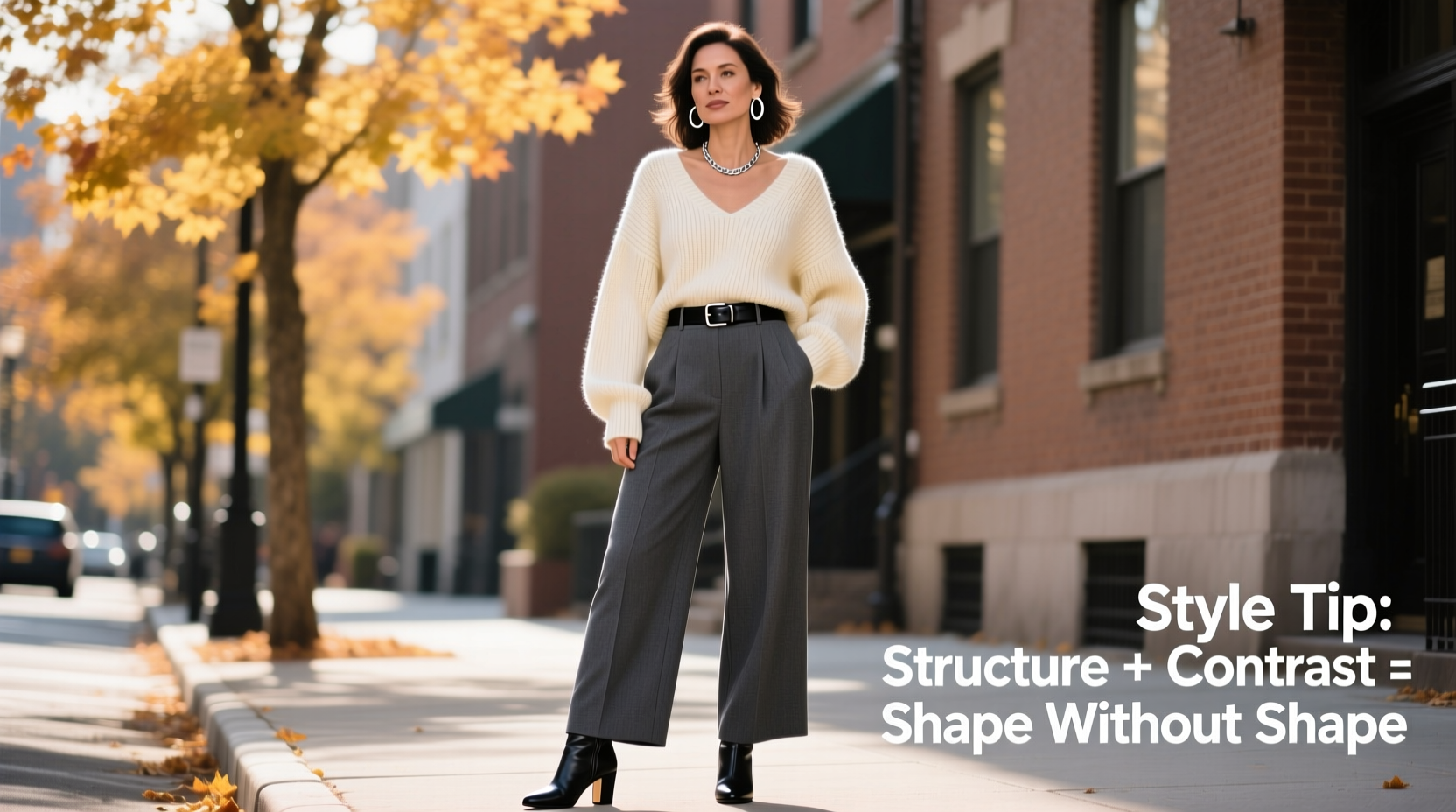
An oversized sweater doesn’t mean one size fits all—literally. The goal is to choose a cut that feels generous without overwhelming your frame. Sweaters that are too large can distort your natural lines, making you appear shorter or wider than intended. Instead of defaulting to the biggest size, opt for a deliberate “oversized” fit—typically one to two sizes up from your usual.
Pay attention to shoulder seams and sleeve length. If the shoulder seam falls past your arm, the sweater may appear sloppy. Similarly, sleeves that extend well past your fingertips can disrupt proportion. A slightly elongated sleeve works for a laid-back aesthetic, but stacking them too much adds unnecessary bulk.
For petite frames, avoid extreme lengths that hit mid-thigh; instead, go for cropped oversized styles or pair longer knits with high-waisted bottoms to maintain balance. Taller individuals can carry longer silhouettes more easily, but even then, defining the waist helps prevent a column-like effect.
Define Your Waist to Avoid Shapelessness
The most effective way to combat a shapeless look is to reintroduce structure—specifically at the waist. An oversized sweater naturally drapes loosely, which can blur your natural curves. By cinching or layering strategically, you restore definition and create visual interest.
One of the simplest methods is using a belt. A wide leather or fabric belt over a long cardigan-style sweater instantly creates a tailored silhouette. Alternatively, try a thinner woven belt through loops if your sweater has them, or layered over a buttoned-up open knit.
Another approach is tucking. A half-tuck—where only the front center or one side is tucked into high-waisted jeans or trousers—adds asymmetry and polish without looking forced. For a cleaner line, use a French tuck (tucking just the front) with straight-leg pants or a midi skirt.
“Volume on top needs contrast below. Always anchor an oversized piece with something that defines the waist.” — Lena Park, Fashion Stylist & Contributor, *Vogue Living*
If belts and tucks feel too structured, consider layering a fitted vest or blazer over your sweater. This outer layer breaks up the bulk and frames your torso, especially when left open at the front.
Master the Art of Layering
Layering transforms an oversized sweater from casual loungewear to a dynamic wardrobe centerpiece. The secret is building from the inside out, ensuring each layer contributes to the overall balance.
Start with a sleek base: a fitted turtleneck, bodysuit, or thin long-sleeve top in a contrasting color. Not only does this add warmth, but it also creates a subtle peek of definition at the neckline and wrists. Black, cream, or camel work well as neutral underlayers that don’t compete with the main sweater.
Next, consider what goes underneath your bottom half. High-waisted denim, tailored trousers, or pencil skirts provide a clean foundation. The tighter the lower half, the more freedom you have with the top. Pairing an oversized sweater with skinny jeans or leggings is classic for a reason—it offsets volume with streamlined lines.
For cooler days, add a coat or trench over the sweater. Choose structured outerwear like a double-breasted wool coat or a belted trench that nips in at the waist. Avoid bulky puffer jackets unless they’re cropped, as full-length puffers can amplify the oversized effect and overwhelm your frame.
Step-by-Step Guide: Building a Balanced Oversized Sweater Outfit
- Choose your sweater: Select a piece that’s intentionally oversized but not excessively long or wide.
- Add a fitted underlayer: Wear a slim turtleneck or tank to define your neck and arms.
- Pick high-waisted bottoms: Opt for straight-leg jeans, corduroys, or a pleated midi skirt.
- Tuck or belt: Use a half-tuck or a belt to mark your waistline.
- Finish with footwear: Ankle boots, loafers, or knee-highs elongate the leg and ground the look.
- Accessorize minimally: Add a scarf, structured bag, or delicate jewelry to complete the outfit.
Footwear and Bottoms That Balance Volume
Your choice of pants and shoes plays a crucial role in harmonizing an oversized sweater. The general rule: contrast volume with structure.
Skinny jeans, cigarette pants, or leather leggings create a streamlined base that visually counterbalances the loose top. Wide-leg trousers can also work, but only if they’re tailored and worn with a tucked-in sweater to avoid doubling down on excess fabric.
When it comes to footwear, aim to elongate the leg. Ankle boots with a slight heel lift the silhouette and prevent the look from sagging. Pointed-toe flats or booties also extend the leg line, while chunky sneakers should be reserved for ultra-casual settings and paired with cropped or cuffed pants.
| Bottoms | Works With Oversized Sweaters? | Styling Notes |
|---|---|---|
| High-waisted skinny jeans | Yes | Classic combo; tuck front for definition |
| Wide-leg trousers | Yes, with caution | Tuck sweater fully; pair with heels |
| Leather leggings | Yes | Adds edge; great with boots |
| Boyfriend jeans (low rise) | No | Can shorten legs; avoid unless belted |
| Midi or maxi skirts | Yes | Balance with a tucked-in front or belt |
For skirts, consider fabrics like corduroy, wool, or suede—they hold their shape better and provide textural contrast to soft knits. A-line or pencil silhouettes work best, as they flare gradually and maintain proportion.
Real-Life Example: Olivia’s Weekend Look
Olivia, a 5’4” marketing professional, loves oversized cable-knit sweaters but often felt they made her look boxy. During a recent fall weekend, she decided to test a new approach. She chose a cream-colored oversized turtleneck sweater—one size up from her usual—and paired it with high-waisted dark wash mom jeans (cuffed at the ankle). Instead of leaving it loose, she did a deep front tuck and added a wide brown leather belt.
She finished the look with cognac ankle boots featuring a 2-inch block heel and minimal gold jewelry. The result? A balanced, elevated outfit that kept her warm and stylish during a farmers’ market visit. Friends commented on how “put together” she looked, unaware she was wearing what many would consider a “lounge-only” sweater.
Olivia’s transformation wasn’t due to a new wardrobe—it was about intentional styling. By focusing on waist definition and footwear, she turned a potentially shapeless look into a flattering, fashion-forward ensemble.
Do’s and Don’ts of Styling Oversized Sweaters
| Do | Don't |
|---|---|
| Size up only one or two sizes | Go three sizes too big “for the look” |
| Tuck, belt, or layer to define the waist | Wear everything loose from top to bottom |
| Pair with high-waisted bottoms | Wear low-rise pants that cut off your legs |
| Use footwear to elongate your frame | Wear flat, clunky shoes with no heel |
| Add texture with scarves or hats | Over-accessorize with bulky necklaces |
FAQ: Common Questions About Styling Oversized Sweaters
Can I wear an oversized sweater if I’m petite?
Absolutely—but with strategy. Opt for cropped oversized styles or pair longer knits with high-waisted bottoms and a belt. Avoid sweaters that end at the widest part of your hips, as this can shorten your frame. Focus on creating vertical lines with footwear and tucking techniques.
How do I keep my oversized sweater from looking like pajamas?
Elevate the look with polished elements: tailored pants, structured bags, quality footwear, and intentional layering. Avoid cotton jersey knits meant for lounging; instead, choose wool, cashmere, or cable knits with texture. Adding a collared shirt underneath or rolling the cuffs neatly also boosts formality.
Is it okay to wear an oversized sweater to the office?
Yes, depending on your workplace culture. Pair a refined oversized knit—like a merino wool crewneck—with tailored trousers, a blazer, and loafers. Keep the fit intentional, and consider belting or tucking for a professional finish. Avoid overly slouchy materials or neon colors in formal environments.
Final Checklist: Style Your Sweater with Confidence
- ✔ Choose an oversized fit that’s intentional, not excessive
- ✔ Define your waist with a belt, tuck, or layered vest
- ✔ Pair with high-waisted, streamlined bottoms
- ✔ Select footwear that elongates your legs
- ✔ Layer with fitted underpieces for structure
- ✔ Roll sleeves to expose wrists and add polish
- ✔ Accessorize thoughtfully—scarf, hat, or minimalist jewelry
Bring Intention to Your Fall Wardrobe
Oversized sweaters aren’t going anywhere—and they shouldn’t. They offer unmatched comfort and seasonal charm. But true style isn’t about following trends blindly; it’s about adapting them to your body, lifestyle, and personal aesthetic. This fall, challenge yourself to wear your coziest knits with purpose. Experiment with tucks, belts, and layering until you find combinations that feel authentic and flattering.
Remember, shapelessness isn’t a flaw of the garment—it’s a styling opportunity missed. With a few mindful adjustments, you can embrace volume without losing definition. Whether you’re walking through fallen leaves or sipping cider downtown, let your sweater say “effortlessly chic,” not “I gave up.”




 浙公网安备
33010002000092号
浙公网安备
33010002000092号 浙B2-20120091-4
Comments
No comments yet. Why don't you start the discussion?