
Oversized t-shirts have become a staple in modern wardrobes—comfortable, breathable, and effortlessly cool. But without thoughtful styling, they can easily cross the line from relaxed to disheveled. The key lies not just in what you wear, but how you wear it. With the right techniques, especially strategic tucking, an oversized tee can be transformed into a sharp, intentional outfit that balances comfort with structure. This guide breaks down proven methods to elevate your oversized t-shirt game, avoid common pitfalls, and maintain a put-together appearance no matter the occasion.
The Problem with Oversized Tees: When Comfort Meets Chaos
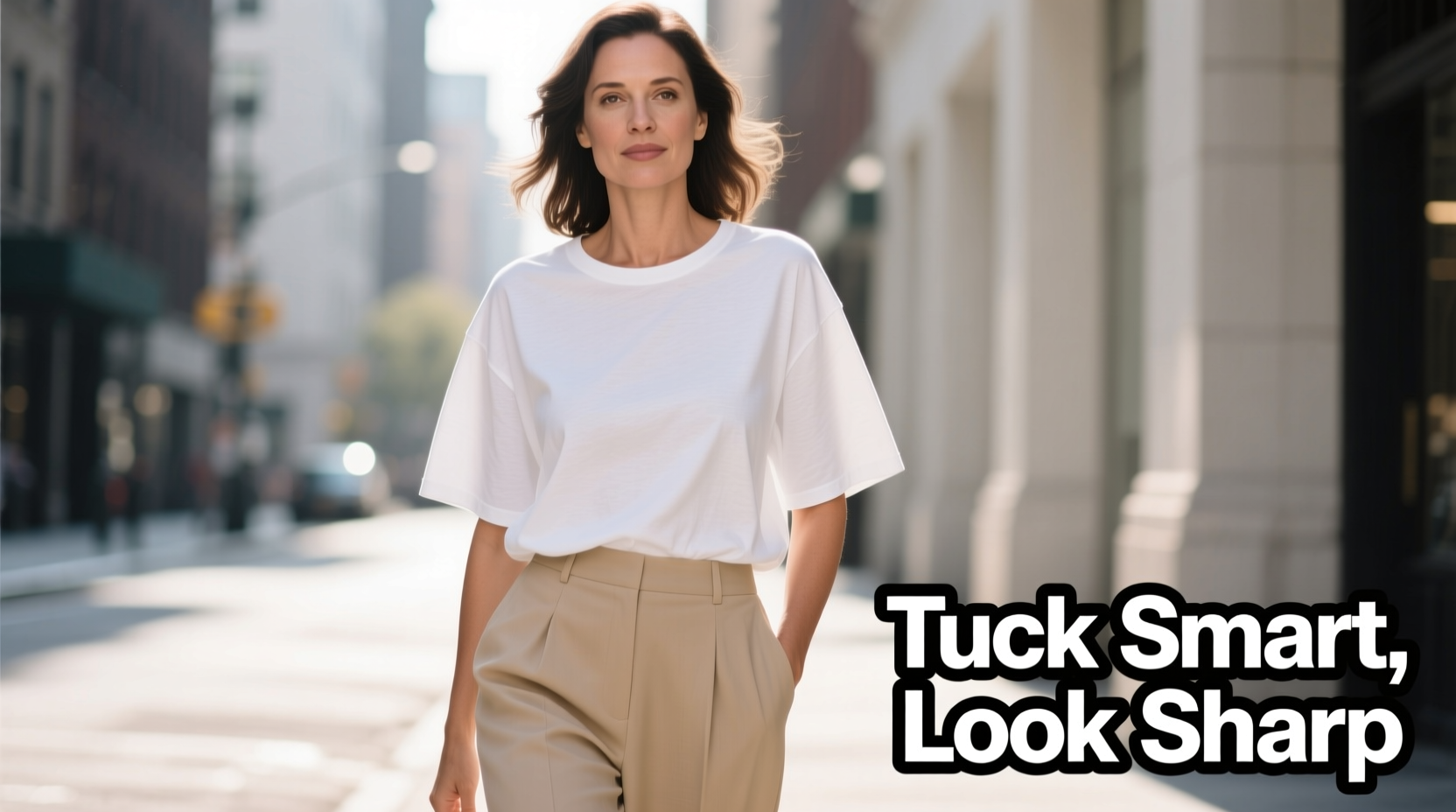
The appeal of an oversized t-shirt is undeniable. It drapes loosely, allows full range of motion, and often feels like a second skin. However, this same looseness can create visual imbalance—pooling fabric at the waist, undefined silhouettes, or unintentional bulk. Without deliberate styling, even high-quality tees can make you appear shapeless or unkempt.
Fashion stylist and wardrobe consultant Lena Patel explains:
“Oversized doesn’t mean unstructured. The most stylish looks use volume intentionally, not as a default.” — Lena Patel, Fashion Stylist & Image Consultant
The solution isn't to abandon oversized styles, but to master control over them. One of the most effective tools? The art of the tuck.
Why Tucking Makes All the Difference
Tucking transforms an oversized t-shirt from a shapeless garment into a purposefully styled piece. It defines the waist, creates proportion, and signals intentionality. But not all tucks are created equal—especially when dealing with excess fabric.
A poorly executed tuck leads to “tummy pooch” bulges, constant readjustment, or visible bunching under layers. A well-executed tuck, however, integrates seamlessly into the outfit, enhancing both comfort and aesthetics.
Step-by-Step: The 5 Expert-Approved Tucking Techniques
- The Full Tuck (Classic Precision)
Ideal for tailored pants or high-waisted bottoms. Gather the entire shirt, pinch excess fabric at the sides, and tuck smoothly into your waistband. Smooth down with your hands. For durability, pair with a slim belt to prevent slippage. - The French Tuck (Casual Elegance)
Also known as the “half-tuck,” this involves tucking only the front center portion of the shirt, leaving the sides and back loose. Creates asymmetry and draws attention to the hips. Best with chinos or jeans. - The Military Roll (Volume Control)
Before tucking, roll the bottom hem upward once or twice inside the shirt. Reduces bulk and shortens length without cutting. Then perform a full or partial tuck. Particularly effective with very long tees. - The Band Tuck (Hidden Structure)
Use a thin elastic hairband or fabric loop inside the waistband. Pull the bottom of the shirt through the band and secure. Keeps fabric anchored without wrinkling. Invisible and functional. - The Knot Tuck (Feminine Flair)
Suitable for women’s oversized tees. Tie a small knot at the front hem, just above the waist. Adjust tightness to control volume. Works beautifully with skirts or wide-leg pants.
Pairing Your Tucked Tee: Outfit Formulas That Work
How you style the rest of your outfit determines whether the tuck enhances or clashes with your overall look. Below are reliable combinations based on body type, occasion, and fabric weight.
| Body Type | Recommended Tuck | Bottom Pairing | Footwear |
|---|---|---|---|
| Petite | French tuck or knot tuck | High-waisted jeans or tailored shorts | Ankle boots or block heels |
| Hourglass | Full tuck with belt | Pencil skirt or straight-leg trousers | Pointed-toe flats or pumps |
| Tall/Rectangular | Military roll + full tuck | Wide-leg pants or cargo trousers | Sneakers or Chelsea boots |
| Curvy/Low-Waisted | Band tuck or side tuck | Mid-rise mom jeans or A-line skirt | Loafers or low sandals |
Remember: balance is everything. If the top is voluminous, keep the lower half streamlined. If wearing baggy pants, avoid full tucks unless fabric is controlled.
Avoid These Common Oversized T-Shirt Mistakes
- Over-tucking: Shoving too much fabric into the waistband causes unsightly bulging. Reduce volume first via rolling or folding.
- Ignoring fabric weight: Heavy cotton tees resist smooth tucks. Opt for lighter blends when planning structured styles.
- Skipping the mirror check from behind: Many tucks look clean front-on but reveal bunching or unevenness from the side or back.
- Wearing with low-slung belts: Belts should sit at natural waist level to anchor tucked fabric properly. Avoid hip-huggers unless doing a deliberate streetwear look.
- Using stiff belts: Rigid leather belts can crease soft cotton. Use woven or fabric belts for better drape and flexibility.
Real-Life Example: From Slouchy to Sharp in 10 Minutes
Jamal, a 32-year-old software developer, owned several oversized band tees but rarely wore them to hybrid office days. “They felt too lazy,” he said. After consulting a personal stylist, he adopted the military roll technique paired with a full tuck into dark chinos and a navy linen blazer. He used a slim fabric belt to secure the tuck and added white leather sneakers.
The result? Colleagues commented on his “effortlessly polished” look. Jamal reported feeling more confident and received an informal promotion discussion within three weeks. His secret? “I realized I wasn’t dressing down because of the shirt—I was dressing it down by how I wore it.”
Layering Strategies to Complement the Tuck
Even the best tuck can be undermined by poor layering. Here’s how to build around your styled tee:
- Open shirts or overshirts: Wear unbuttoned over a tucked tee. Choose one size larger than usual to maintain flow without adding bulk.
- Blazers and jackets: Structured outerwear elevates the look. Ensure shoulders align and sleeves don’t overwhelm the tee’s volume.
- Vests: Puffer or sleeveless wool vests work well in colder months. They highlight the waist while keeping warmth.
- Longline cardigans: Drape over a French-tucked tee for a layered, textured effect. Keep the cardigan open and avoid tucking it in.
The rule of thumb: if the outer layer closes, consider whether the tuck remains visible. If not, opt for looser layering or leave the inner tee untucked but controlled.
Essential Checklist: Perfecting Your Oversized T-Shirt Style
- Choose the right tuck method for your body and outfit
- Reduce excess fabric using rolling or folding if needed
- Tuck smoothly, smoothing out wrinkles with your palms
- Secure with a compatible belt or internal band
- Move around—sit, bend, walk—to test tuck stability
- Check silhouette from multiple angles in the mirror
- Pair with balanced bottoms (fitted or flared, never equally oversized)
- Add footwear that complements the formality of the tuck
- Use layering to enhance, not hide, your intentional styling
- Refresh the tuck midday if necessary—carry a travel-size lint roller
FAQ: Your Top Questions Answered
Can I wear an oversized t-shirt to a semi-formal event?
Yes, with the right execution. Use a full tuck into tailored trousers, add a slim-fit blazer, and finish with leather shoes. Stick to neutral-colored tees (black, white, navy) in premium cotton or blended fabric to maintain sophistication.
How do I stop my tuck from coming undone?
Anchor the fabric. Use a fabric belt, perform a military roll before tucking, or employ the hairband trick. Additionally, slightly dampening the hem can help it cling to itself. Avoid overly smooth synthetic linings in pants, which encourage slippage.
Is it okay to tuck an oversized graphic tee?
Absolutely—but consider placement. If the graphic sits low, a full tuck may cut it off. In that case, opt for a French tuck or knot tuck to preserve visibility while still defining the waist.
Final Thoughts: Elevate, Don’t Eliminate
Oversized t-shirts aren’t inherently sloppy—they become so when worn without intention. By mastering tucking techniques and understanding proportion, you reclaim control over your silhouette. Whether dressing for comfort, creativity, or casual professionalism, the way you style your tee speaks volumes about your attention to detail.
As stylist Lena Patel reminds us:
“Clothes don’t define style—decisions do. Every fold, tuck, and pairing is a choice. Make them count.”




 浙公网安备
33010002000092号
浙公网安备
33010002000092号 浙B2-20120091-4
Comments
No comments yet. Why don't you start the discussion?