
LinkedIn groups offer a powerful way to build professional communities, foster meaningful conversations, and position yourself as a thought leader in your industry. Yet, most groups fail within months due to poor planning, lack of engagement, or unclear purpose. The difference between a stagnant group and one that thrives lies in strategy, consistency, and genuine value delivery. This guide walks through the essential steps to not only launch a successful LinkedIn group but also grow it into a vibrant, active community.
Define Your Purpose and Target Audience
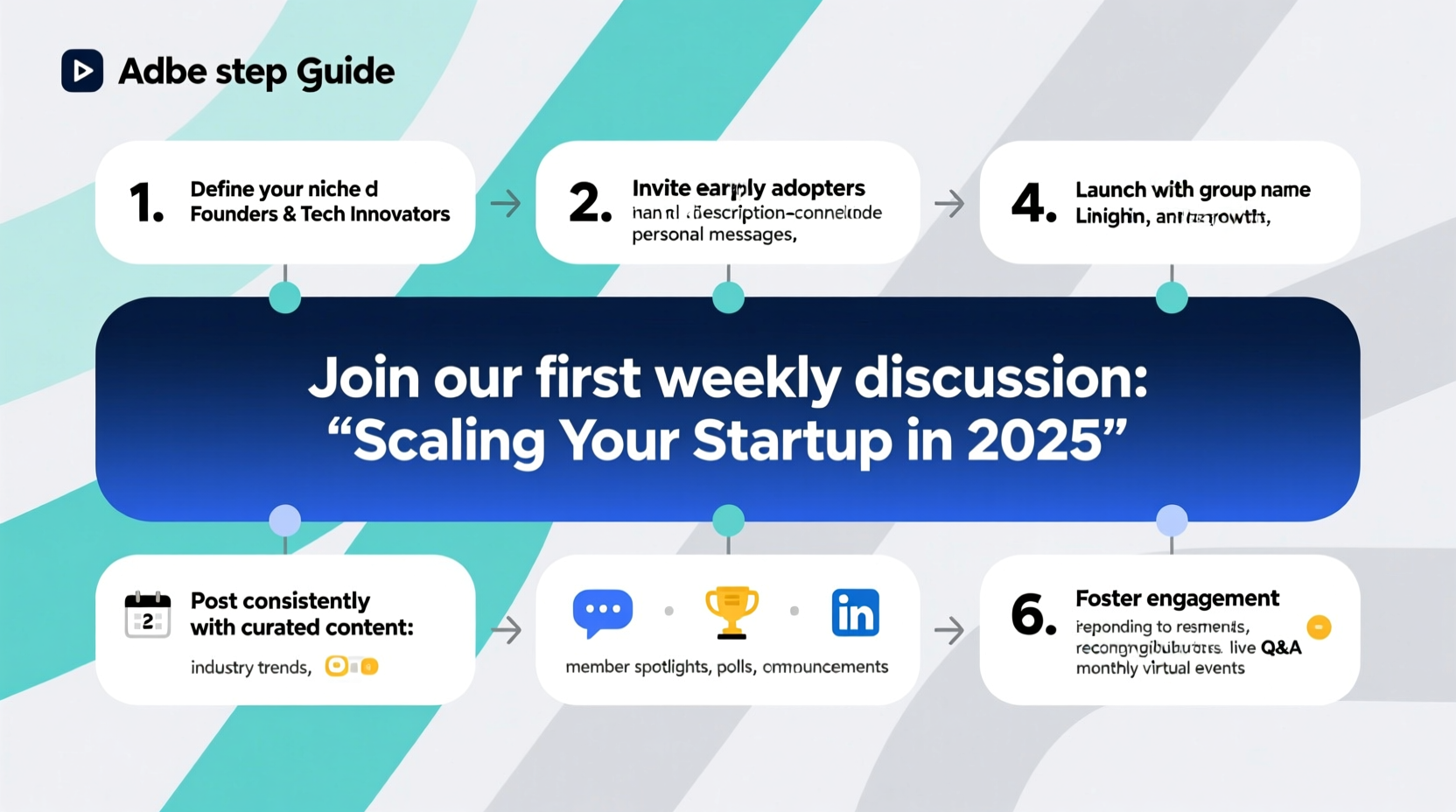
Every thriving LinkedIn group starts with clarity. Before creating the group, answer two fundamental questions: Who are you serving, and what problem are you solving for them?
A vague group like “Marketing Professionals” will struggle to gain traction because it lacks focus. Instead, refine your niche. For example: “B2B SaaS Marketing Leaders in Europe” immediately signals relevance to a specific audience.
Your group’s purpose should be concise and compelling. Is it for knowledge sharing? Networking? Job opportunities? Peer mentoring? Clearly define this in your group description so new members know exactly what to expect.
Create and Optimize Your Group
Once you’ve defined your audience and purpose, it’s time to set up the group with maximum visibility and professionalism.
- Name your group strategically – Include keywords your audience searches for (e.g., “Digital Marketing,” “Remote Work,” “HR Tech”). Avoid acronyms or inside jokes.
- Write a clear, benefit-driven description – Explain who the group is for, what members gain, and how they should engage. Example: “A space for startup founders to share fundraising strategies, get feedback on pitch decks, and connect with investors.”
- Choose the right privacy setting – Public groups are discoverable and indexable by search engines, making them ideal for growth. Private groups work better for exclusive, high-trust communities.
- Add a professional cover image and logo – Use clean, branded visuals that reflect your group’s identity. Even simple Canva designs can elevate credibility.
| Element | Best Practice | Common Mistake |
|---|---|---|
| Group Name | Specific + keyword-rich (e.g., “Women in Fintech Leadership”) | Vague (e.g., “Tech Talk”) |
| Description | Clear value proposition and rules | Generic statements like “Join our community!” |
| Cover Image | High-resolution, branded, relevant | Low-quality or unrelated stock photo |
Launch with Momentum: The First 30 Days
The first month determines whether your group gains momentum or fades into obscurity. You need early engagement to trigger LinkedIn’s algorithm and encourage organic discovery.
Start by inviting 20–50 highly relevant connections—people who are active, thoughtful, and likely to contribute. Don’t invite everyone in your network; quality matters more than quantity at this stage.
Post consistently during launch week. Share discussion prompts, industry news, polls, and open-ended questions. Aim for 3–5 posts per week initially. Each post should invite responses, not just passive likes.
“Communities grow when members feel heard. The first few interactions set the tone for participation.” — Sarah Chen, Community Growth Strategist
First 30-Day Action Checklist
- ✅ Finalize group branding and settings
- ✅ Invite 25+ targeted members
- ✅ Post 3–5 discussion starters in Week 1
- ✅ Respond to every comment personally
- ✅ Pin a welcome post with group guidelines
- ✅ Announce the launch on your personal feed
Drive Engagement and Sustain Activity
After launch, the real work begins: maintaining consistent engagement. Many groups die because the admin posts once a week and expects members to carry the conversation.
Use a mix of content types to keep the feed dynamic:
- Polls: Quick, low-effort ways to gather opinions (e.g., “Which tool do you use for SEO audits?”).
- Discussion prompts: Open-ended questions (e.g., “What’s one lesson you learned from a failed campaign?”).
- Member spotlights: Feature active contributors monthly.
- Resource shares: Curate valuable articles, templates, or tools.
- Live Q&A threads: Host themed days (e.g., “Ask Me Anything Wednesday”).
Set a content calendar. Even two planned posts per week, combined with spontaneous reactions to industry events, keeps the group alive.
Encourage Member-Led Conversations
The ultimate goal is to transition from admin-driven to member-driven activity. Empower members by:
- Asking them to share challenges they’re facing.
- Inviting guest contributors to lead discussions.
- Creating sub-topics (e.g., “Job Search Tips,” “Freelance Pricing”) to organize dialogue.
Recognize contributors publicly. A simple “Thanks for this insightful take, Maria!” reinforces positive behavior and encourages others to participate.
Grow Your Group Strategically
Organic growth comes from visibility and value. Here’s how to scale beyond your immediate network:
- Leverage cross-promotion: Partner with complementary groups or influencers. Offer to co-host a discussion or share each other’s content.
- Optimize for search: Use keywords in your group name, description, and posts. Members often find groups through LinkedIn search.
- Share group highlights externally: Post snippets of valuable discussions on your personal feed or company page (with permission).
- Run a referral challenge: Encourage members to invite one peer in exchange for a shoutout or resource.
Mini Case Study: Scaling a Niche Group
Jamal launched “Sustainable Packaging Innovators” with just 12 members—mostly former colleagues. He posted weekly case studies and hosted monthly expert AMAs. After three months, he partnered with an eco-packaging blog to co-sponsor a webinar, which drove 150+ new sign-ups. By focusing on high-value content and strategic collaborations, his group reached 1,200 engaged members in under a year—becoming a go-to hub for industry professionals.
Frequently Asked Questions
How often should I post in my LinkedIn group?
Aim for 2–4 meaningful posts per week. Too little, and the group goes silent; too much, and members may feel overwhelmed. Prioritize quality over frequency, and always encourage replies.
Can I moderate effectively without being overly strict?
Yes. Set clear, respectful guidelines upfront (e.g., no self-promotion, constructive criticism only). Use gentle reminders instead of warnings. Remove spam or harmful content promptly, but allow healthy debate.
Should I allow self-promotion in the group?
Unrestricted self-promotion kills engagement. Instead, create a dedicated thread like “Member Shoutouts” where promotional posts are allowed once a week. This maintains value while giving visibility.
Conclusion: Build With Intent, Grow With Consistency
Launching a LinkedIn group is easy. Building one that lasts requires intention, effort, and a commitment to member value. Start with a sharp focus, populate it with the right people, and nurture conversations that matter. Over time, your group can become a trusted platform for learning, connection, and influence.
The most successful groups aren’t the largest—they’re the ones where members feel seen, heard, and supported. That kind of engagement doesn’t happen by accident. It happens when someone, like you, decides to lead with purpose.




 浙公网安备
33010002000092号
浙公网安备
33010002000092号 浙B2-20120091-4
Comments
No comments yet. Why don't you start the discussion?