
Filing a lawsuit without an attorney—known as appearing *pro se*—is a challenging but sometimes necessary path. Whether due to financial constraints or personal preference, many individuals choose to represent themselves in civil court. While the legal system can seem intimidating, understanding the process and preparing thoroughly can significantly improve your chances of success. This guide walks you through each critical stage, from assessing your case to presenting in court, with actionable insights and real-world considerations.
Assessing Your Case: Is Legal Action the Right Move?
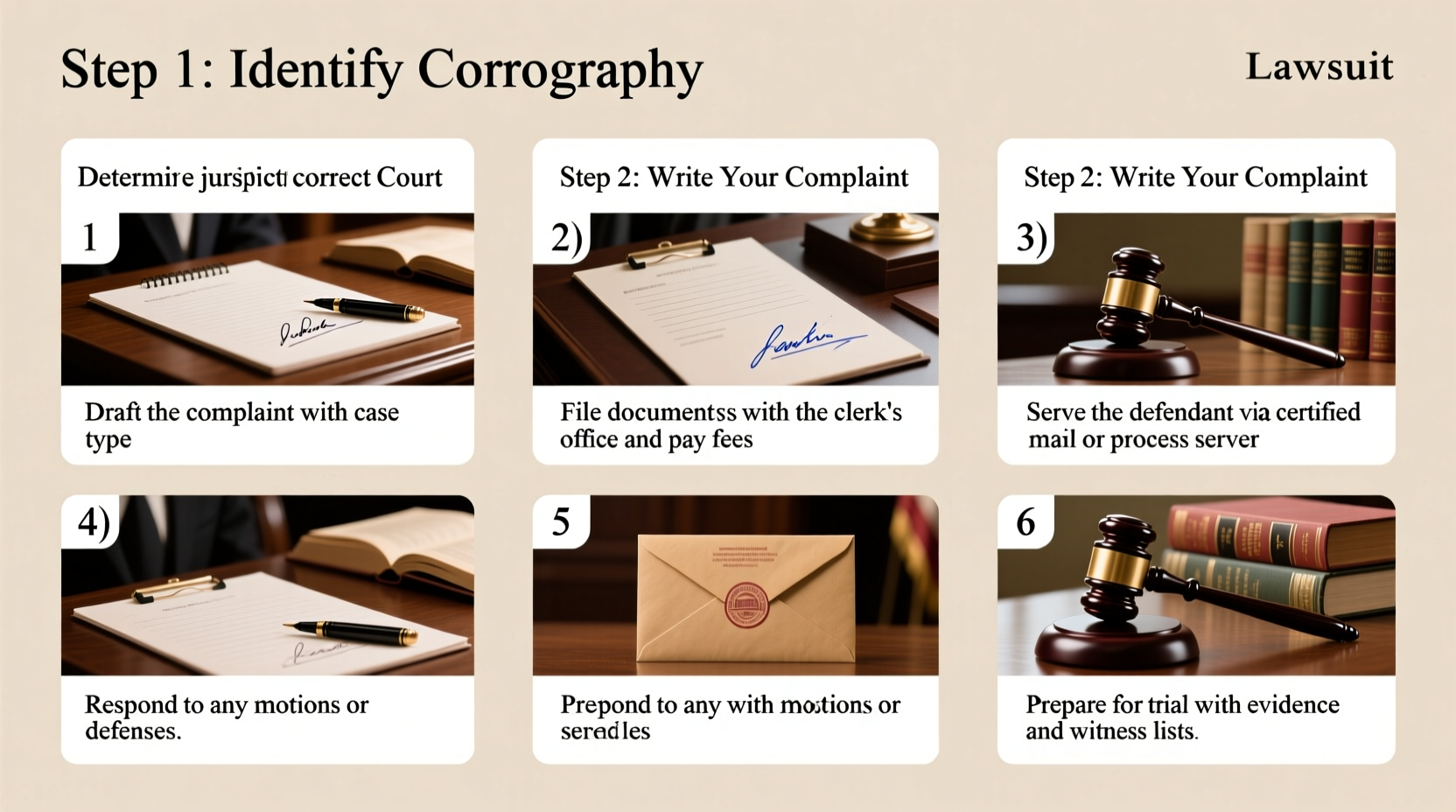
Before stepping into a courtroom, determine whether your situation warrants a lawsuit. Not every dispute benefits from litigation. Consider whether the issue is legally valid, supported by evidence, and worth the time and emotional investment.
Civil lawsuits typically involve claims such as breach of contract, property damage, unpaid debts, or personal injury. To proceed, you must establish:
- A clear legal wrong committed by the defendant
- Damages (financial or otherwise) that resulted from the wrongdoing
- Jurisdictional eligibility—your case must be filed in the correct court based on location and monetary limits
“Many people come to court thinking they’re clearly in the right—but without documentation, even strong moral claims fail.” — Judge Rebecca Tran, Superior Court, California
Step-by-Step Guide to Filing a Lawsuit Pro Se
Navigating the legal system requires precision and timeliness. Follow these steps carefully to ensure your case moves forward without procedural setbacks.
- Identify the Correct Court: Small claims courts handle cases under a certain dollar amount (typically $5,000–$10,000, depending on the state). For larger claims or complex issues, you may need to file in civil superior court.
- Gather Evidence: Collect contracts, emails, photos, receipts, witness statements, and any other documentation supporting your claim.
- Determine the Defendant’s Legal Name and Address: You must serve them properly. Use official records if needed—incorrect identification can delay or dismiss your case.
- Complete the Complaint Form: Obtain the correct form from your county’s court website. Fill it out accurately, stating who, what, when, where, and how much you are claiming.
- File the Complaint and Pay Fees: Submit the forms at the courthouse and pay the filing fee (usually $100–$400). Fee waivers are available for low-income filers.
- Serve the Defendant: Use a sheriff, process server, or approved adult (not involved in the case) to deliver the summons and complaint. Proof of service is mandatory.
- Wait for a Response: The defendant typically has 20–30 days to respond. If they don’t, you may request a default judgment.
- Prepare for Trial: Organize your evidence chronologically, prepare a concise narrative, and rehearse your presentation.
- Attend the Hearing: Arrive early, dress professionally, speak clearly, and refer only to facts and evidence.
- Enforce the Judgment: If you win, collecting payment may require wage garnishment, bank levies, or placing liens—check your state’s post-judgment rules.
Common Pitfalls and How to Avoid Them
Even well-intentioned self-represented litigants make avoidable errors. These missteps can derail your case before it begins.
| Pitfall | Why It Matters | How to Avoid |
|---|---|---|
| Missed deadlines | Courts strictly enforce filing and response timelines. | Use a calendar to track all dates; set reminders two weeks in advance. |
| Poorly organized evidence | Judges have limited time and attention. | Label exhibits, create a summary sheet, and practice referencing them smoothly. |
| Emotional arguments | Courts rule on law and fact, not feelings. | Stick to objective facts and avoid personal attacks. |
| Inadequate service | Invalid service = no jurisdiction over the defendant. | Follow court rules exactly—use certified methods when required. |
Real Example: Recovering Unpaid Rent Without a Lawyer
Latoya rented her basement apartment to a tenant who stopped paying rent after four months. With $4,800 owed and no response to calls or letters, she decided to file in small claims court.
She began by reviewing her lease agreement and gathering bank statements showing missed payments. She took dated photos of property damage left behind. After downloading the “Statement of Claim” form from her county’s website, she listed each month’s unpaid rent and requested reimbursement plus a cleaning fee.
Latoya paid the $125 filing fee and had the documents served by a private process server. The tenant did not appear in court. Latoya presented her lease, ledger of payments, and photos. The judge ruled in her favor within minutes.
The challenge came afterward: collecting the money. She filed a wage garnishment order through the court clerk and eventually recovered 80% of the judgment. Her preparation made the difference between winning on paper and seeing real results.
Essential Checklist Before Going to Court
Use this checklist in the week leading up to your hearing to ensure nothing is overlooked:
- ✅ Confirm the date, time, and courtroom number with the clerk
- ✅ Print and organize all evidence (label each exhibit)
- ✅ Prepare a written outline of what you’ll say
- ✅ Arrange transportation and childcare if needed
- ✅ Dress professionally—avoid jeans, hats, or casual wear
- ✅ Bring government-issued ID and extra copies of all documents
- ✅ Rehearse your testimony aloud, keeping it under 5 minutes
- ✅ Identify potential weaknesses in your case and prepare responses
Frequently Asked Questions
Can I sue a business without a lawyer?
Yes. Individuals have the same right to file against corporations or LLCs as they do against other people. Just ensure you name the correct legal entity and serve an authorized representative.
What happens if I lose my case?
You generally cannot appeal unless there was a legal error by the court. Some jurisdictions allow appeals in civil cases over a certain amount, but new evidence is usually not permitted. Consider mediation or sending a demand letter post-trial.
Do I need to notarize my evidence?
Not typically. However, witness affidavits should be notarized if submitted in writing. Photos and documents just need to be authentic and relevant.
Final Thoughts and Next Steps
Filing a lawsuit on your own is not easy, but it is entirely possible with discipline and preparation. The legal system was designed to allow access to justice regardless of income. By understanding the rules, respecting court procedures, and focusing on facts over emotion, you position yourself for the best possible outcome.
Remember: success isn’t just about winning—it’s about resolving your issue fairly and efficiently. Even if the result isn’t perfect, going through the process empowers you with knowledge and clarity.




 浙公网安备
33010002000092号
浙公网安备
33010002000092号 浙B2-20120091-4
Comments
No comments yet. Why don't you start the discussion?