
Cats have an instinctual need to scratch. It's not just about sharpening claws—it helps them stretch their muscles, mark territory through scent glands in their paws, and relieve stress. Unfortunately, this natural behavior often leads to shredded sofas, frayed armrests, and frustrated owners. The good news is that with patience, consistency, and the right strategy, you can redirect your cat’s scratching habits to a designated post. This guide walks you through science-backed techniques, real-world examples, and practical steps to protect your furniture while respecting your cat’s instincts.
Understanding Why Cats Scratch Furniture
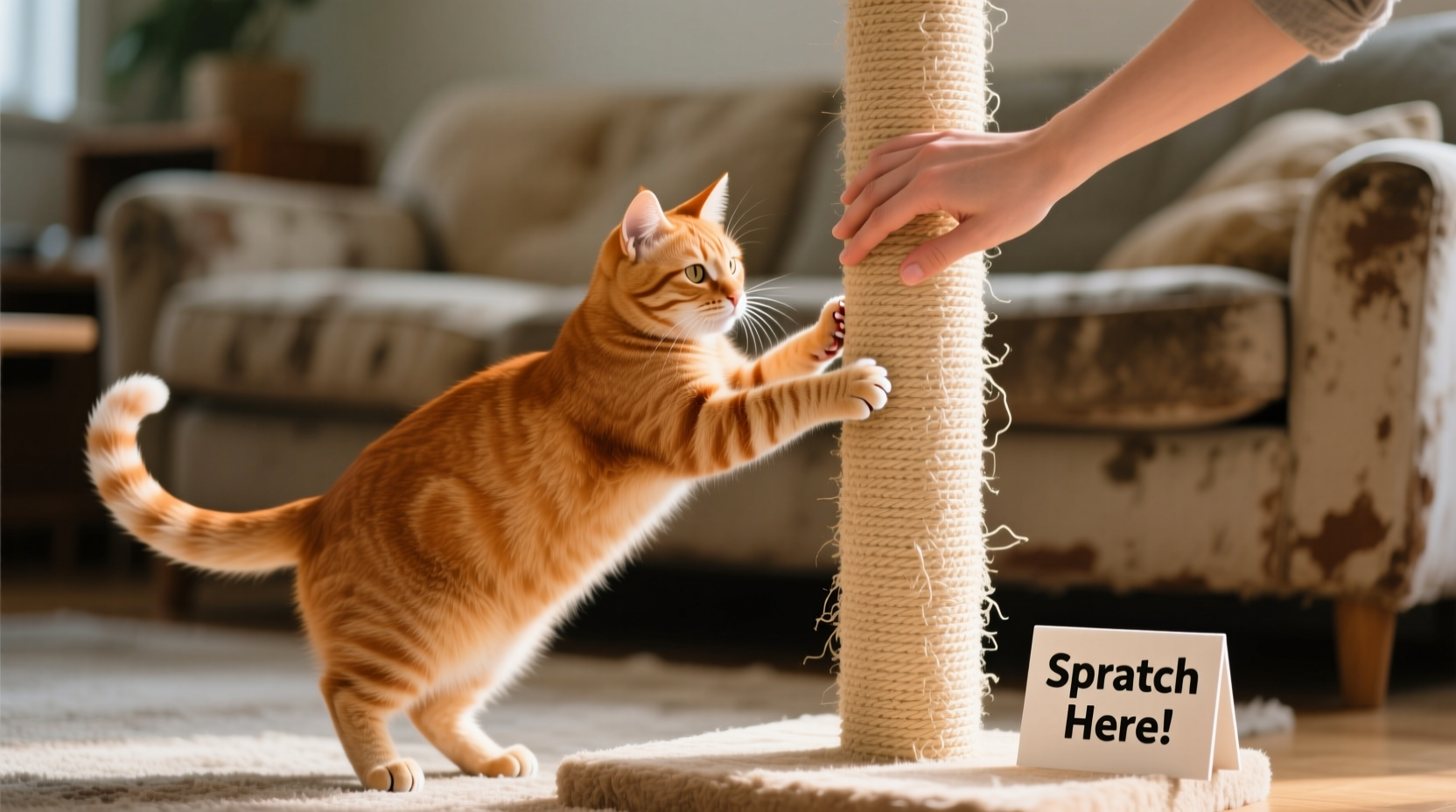
Before attempting to change your cat’s behavior, it’s essential to understand why they’re drawn to your sofa in the first place. Scratching isn’t destructive behavior—it’s communication, exercise, and maintenance rolled into one action. Your cat may prefer the sofa because:
- Texture appeal: Many sofas have fabric weaves (like sisal-like microfiber or loosely woven cotton) that mimic ideal scratching surfaces.
- Location convenience: If the sofa is near a window, doorway, or sleeping area, it’s likely in a high-traffic zone where your cat wants to mark territory.
- Lack of alternatives: A poorly placed or unstable scratching post won’t compete with a sturdy, appealing couch.
- Habit reinforcement: Once a cat scratches a spot, scent and visual cues make it more attractive for future sessions.
“Scratching is as natural to cats as chewing is to dogs. Punishing the behavior backfires—instead, provide better options.” — Dr. Sarah Bennett, Feline Behavior Specialist
Attempting to stop scratching altogether is unrealistic and unfair to your pet. The goal isn’t suppression—it’s redirection.
Choosing the Right Scratching Post
Not all scratching posts are created equal. A flimsy, wobbly tower covered in plush fabric won’t stand a chance against a determined cat. To successfully shift your cat’s attention, the post must meet their physical and psychological needs.
Key Features of an Effective Scratching Post
| Feature | Recommended | Avoid |
|---|---|---|
| Height | Tall enough for full vertical stretch (minimum 30 inches) | Short posts that don’t allow stretching |
| Stability | Heavy base or wall-mounted for zero wobble | Wobbly or tipping models |
| Material | Sisal rope, cardboard, or natural wood | Soft carpet or plush covers |
| Orientation | Vertical for tall stretches; horizontal for side scratching | Only horizontal if cat prefers vertical |
| Placement | Near targeted furniture or in social areas | Isolated corners or unused rooms |
Many cats show material preferences. Sisal is durable and provides excellent resistance for claw engagement. Corrugated cardboard is favored by cats who like to shred. Natural wood posts work well but should be untreated to avoid toxic exposure.
Step-by-Step Guide to Transitioning from Sofa to Scratcher
Changing a habit takes time. Follow this timeline-based approach for best results over 2–6 weeks.
- Week 1: Observe and Position
Watch where and when your cat scratches. Place the new scratching post directly beside or in front of the targeted sofa area. Proximity increases the chance of interaction. - Week 2: Encourage with Scent and Play
Rub the post with a cloth used on your cat’s face to transfer familiar scent. Dangle a toy near the top to encourage jumping and stretching. Use interactive play (feather wand, laser pointer) to guide movements up the post. - Week 3: Add Attractants
Sprinkle catnip or silvervine on the base of the post. These natural stimulants increase interest and positive association. Reapply every few days. - Week 4: Discourage Sofa Access (Gently)
Cover the scratched area with double-sided tape, aluminum foil, or a textured plastic mat. These materials feel unpleasant under paw but aren’t harmful. Avoid sprays with strong scents unless vet-approved. - Week 5–6: Reinforce and Relocate
Once your cat consistently uses the post, gradually move it a few inches per day to a more permanent location—provided it remains appealing. Never move it abruptly.
Positive reinforcement is critical. Immediately reward your cat with treats, praise, or petting when they use the post. Timing matters—rewards within seconds strengthen the connection.
Common Mistakes That Sabotage Training
Even well-meaning owners accidentally undermine progress. Here are frequent pitfalls and how to avoid them:
- Punishing the cat: Yelling, spraying water, or rubbing their nose in scratches creates fear and mistrust. It doesn’t teach alternatives.
- Using ineffective deterrents: Sticky pads only work if applied consistently and paired with a better option. Alone, they cause frustration.
- Placing the post too far away: If the scratcher is across the room, it won’t satisfy the cat’s impulse in the moment.
- Expecting immediate results: Behavior change takes repetition. Some cats adapt in days; others take months.
- Ignoring multiple cats: In multi-cat homes, each cat may need their own post. Competition can lead to increased marking on furniture.
Real Example: Turning Around a Chronic Sofa Scratcher
Maria adopted Luna, a 2-year-old tabby, six months ago. Within weeks, the arms of her favorite sectional were frayed and shedding fibers. Despite covering the area with foil, Luna returned nightly to scratch.
Maria consulted a feline behaviorist who advised a three-pronged approach:
- She purchased a 36-inch sisal-wrapped post with a stable base and placed it directly in front of the damaged armrest.
- Each evening before Luna’s active period, Maria played with a wand toy, guiding Luna to leap and bat at the top of the post.
- She sprinkled silvervine powder weekly and rewarded Luna with a freeze-dried chicken treat after each use.
Within 10 days, Luna began using the post regularly. After three weeks, Maria slowly moved it 6 inches toward the corner. By week six, the post was in a quieter corner—but Luna still visited it daily. The sofa remained intact.
The key wasn’t punishment or force—it was making the post more rewarding than the sofa.
Checklist: How to Successfully Train Your Cat
Use this actionable checklist to ensure you’re covering all bases:
- ✅ Identify your cat’s preferred scratching surface (vertical/horizontal, texture)
- ✅ Purchase a sturdy, appropriately sized scratching post
- ✅ Place the post near the furniture being damaged
- ✅ Use catnip, silvervine, or pheromone spray to attract your cat
- ✅ Engage in play that encourages scratching behavior on the post
- ✅ Reward immediately with treats or affection when they use it
- ✅ Apply humane deterrents (double-sided tape, foil) to the sofa
- ✅ Gradually reposition the post once usage is consistent
- ✅ Monitor progress and adjust strategy if needed
- ✅ Be patient—consistency over weeks yields results
Frequently Asked Questions
Can I train an older cat to use a scratching post?
Yes. While kittens are more adaptable, adult and senior cats can learn new habits with consistent reinforcement. Start by identifying what currently attracts them to the sofa and replicate those features in the post (e.g., height, location).
What if my cat ignores the scratching post completely?
Try switching materials—some cats reject sisal but love cardboard. Also, ensure the post is stable and tall enough. Add movement (dangle a toy) or scent (catnip) to spark curiosity. Interactive play nearby can also draw interest.
Is trimming my cat’s claws helpful during training?
Yes. Regular nail trims reduce damage when accidents occur and make the transition less stressful. Combined with scratching posts, this routine care minimizes furniture destruction. Always use proper clippers and avoid cutting the quick.
Conclusion: Patience, Consistency, and Respect for Instinct
Teaching a cat to use a scratching post instead of the sofa isn’t about winning a battle—it’s about understanding their world and offering better solutions. Cats aren’t trying to ruin your home; they’re expressing a fundamental part of their nature. When you meet that need thoughtfully—with the right tools, placement, and encouragement—you build trust and harmony.
Success doesn’t come overnight. Some cats adapt quickly; others require weeks of gentle redirection. What matters most is consistency. Celebrate small wins, avoid punishment, and keep the post appealing. Over time, your cat will choose the post not because they have to, but because it feels right.




 浙公网安备
33010002000092号
浙公网安备
33010002000092号 浙B2-20120091-4
Comments
No comments yet. Why don't you start the discussion?