
Cats have a natural instinct to scratch. It's not just about sharpening their claws—it helps them stretch muscles, mark territory through scent glands in their paws, and relieve stress. Unfortunately, this instinct often leads them straight to your favorite couch. While it’s frustrating to see upholstery shredded, punishment won’t solve the problem. The key is redirection: guiding your cat toward appropriate outlets for scratching behavior. With patience, consistency, and the right strategy, you can successfully teach your cat to use a scratching post instead of your furniture.
Understanding Why Cats Scratch Furniture
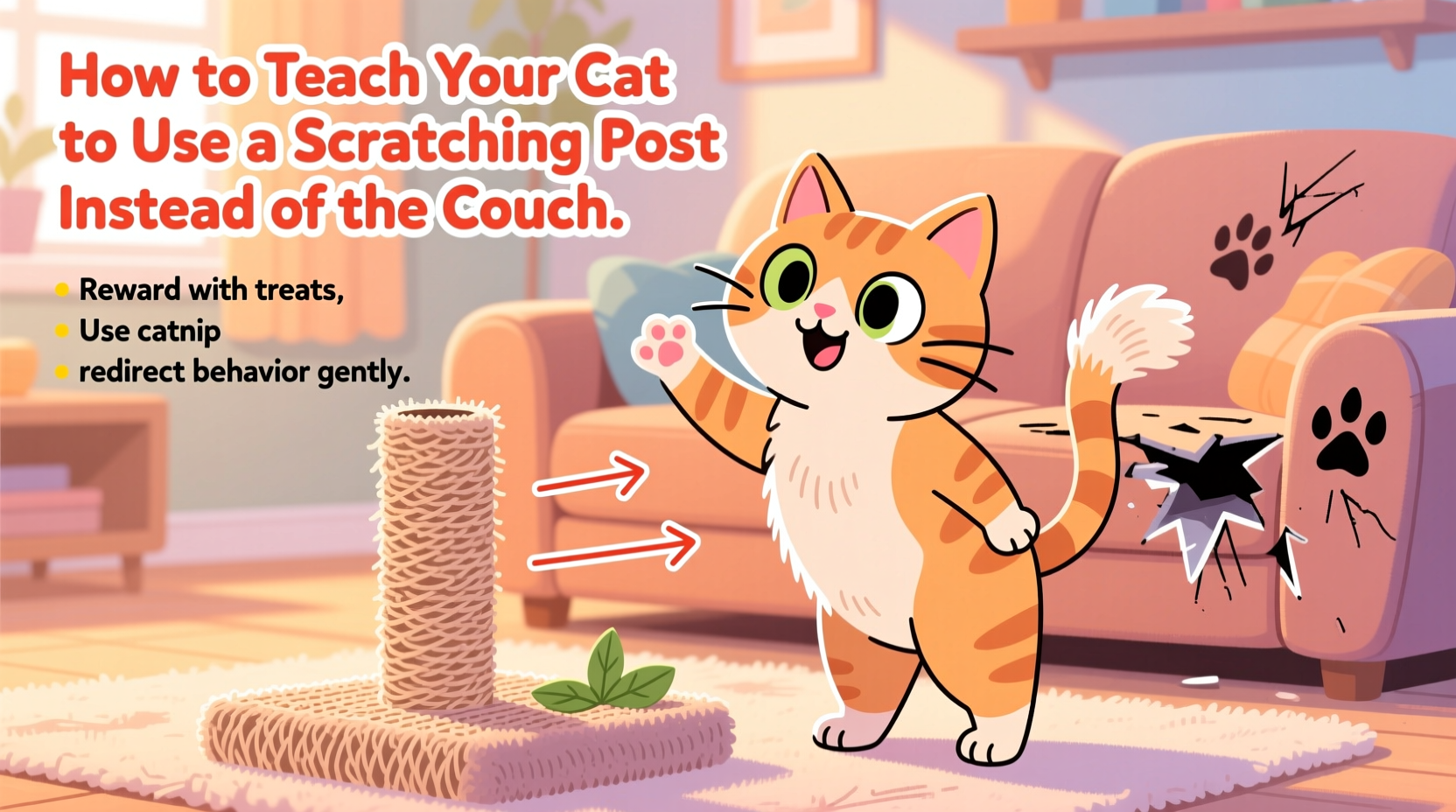
Before correcting the behavior, it’s essential to understand why cats choose certain surfaces to scratch. Cats are drawn to materials that offer resistance and texture—like sisal rope, cardboard, or carpet fibers. The height, stability, and location of the scratching surface also matter. A flimsy post that wobbles when scratched will be rejected in favor of a sturdy sofa leg.
Additionally, cats often return to the same spot because they’ve marked it with both scent (from paw glands) and visual cues (claw marks). This makes the area familiar and comforting. Simply removing access isn’t enough; you must replace the undesirable option with a more appealing alternative.
“Scratching is a normal, healthy behavior. Our job as caregivers is to manage where it happens—not eliminate it.” — Dr. Sarah Ellis, Feline Behavior Scientist, University of Lincoln
Choosing the Right Scratching Post
Not all scratching posts are created equal. Many commercially available options fail because they’re too short, unstable, or covered in unappealing fabric. To increase the chances of acceptance, consider these factors:
- Height: The post should allow your cat to stretch fully while standing on hind legs. For most cats, this means at least 30 inches tall.
- Stability: The base must be heavy or anchored so the post doesn’t tip during vigorous scratching.
- Texture: Sisal rope is one of the most preferred materials. Cardboard and corrugated fiber are also popular, especially for horizontal scratchers.
- Orientation: Some cats prefer vertical posts; others like horizontal or angled surfaces. Observe your cat’s current scratching habits to determine preference.
Do’s and Don’ts When Selecting a Scratching Post
| Do’s | Don’ts |
|---|---|
| Choose posts taller than 30 inches | Avoid short, wobbly models |
| Pick sisal, cardboard, or rough-textured surfaces | Don’t use plush-covered posts (cats dislike soft fabric) |
| Opt for stable, weighted bases | Never place near loud or high-traffic areas if your cat is shy |
| Match orientation to your cat’s preference | Don’t hide the post in an isolated corner far from lounging zones |
Step-by-Step Guide to Transitioning Your Cat
Switching your cat from couch to post requires gradual conditioning. Follow this timeline for best results:
- Week 1: Observation & Placement
Watch where your cat scratches now. Place the new scratching post directly beside or in front of that spot—even if it means positioning it against the couch temporarily. - Week 2: Encouragement & Scent Transfer
Rub the post with a cloth used on your cat’s face (which carries calming facial pheromones). You can also lightly sprinkle catnip or silver vine on the base to attract interest. - Week 3: Positive Reinforcement
Whenever your cat approaches or interacts with the post, reward immediately with treats, praise, or play. Timing is crucial—the reward must follow within seconds of the desired behavior. - Week 4: Gradual Redirection
If your cat attempts to scratch the couch, gently interrupt (e.g., tap the armrest) and guide them to the post. Avoid yelling or physical correction. - Ongoing: Maintenance & Rotation
Keep the post clean but don’t over-clean it—your cat’s scent helps reinforce ownership. Rotate scratchers every few months to maintain novelty.
Real Example: Redirecting Luna the Tabby
Luna, a 2-year-old tabby, had been shredding the arm of her owner’s sectional for months. Her guardian tried double-sided tape and sprays, but Luna returned each time. After consulting a feline behaviorist, they implemented a structured plan:
- Bought a 36-inch sisal-wrapped post with a wide base.
- Placed it directly in front of the damaged couch arm.
- Sprinkled silver vine on the post daily for the first week.
- Used a feather wand toy to engage Luna near the post after meals.
- Reinforced any interaction with treats and affection.
Within 10 days, Luna began using the post regularly. By day 21, she ignored the couch entirely. The owner then slowly moved the post six inches per day to a less obtrusive corner—Luna continued using it without regression.
Effective Deterrents for the Couch
While introducing the post, make the couch less appealing—but not punishing. Harsh textures or scents may scare your cat and damage trust. Instead, use subtle, non-threatening deterrents:
- Double-sided tape: Cats dislike sticky surfaces underfoot. Apply strips to targeted areas.
- Aluminum foil or plastic carpet runners (nubby side up): Temporary coverings change texture and sound, discouraging use.
- Feliway diffusers: These release synthetic feline facial pheromones that promote calmness and reduce marking behaviors.
- Strategic covers: Use washable throws or slipcovers to protect fabric while training occurs.
“Deterrence works best when paired with attraction. Remove the temptation, but always offer a better option.” — Jackson Galaxy, Animal Behaviorist and Host of *My Cat from Hell*
Common Mistakes That Delay Progress
- Using the wrong type of post: Plush or unstable models are quickly abandoned.
- Placing the post in a low-traffic or hidden area: Cats scratch in social spaces to mark territory.
- Inconsistent reinforcement: Missing opportunities to reward early signs of progress slows learning.
- Removing access too soon: Taking away the couch before the post is fully adopted leads to relapse.
- Over-relying on sprays: Citrus or bitter sprays may work short-term but don’t teach the cat what to do instead.
FAQ: Common Questions About Cat Scratching
Can I train an older cat to use a scratching post?
Yes. While kittens learn faster, adult and senior cats can adapt with consistent training. Start by identifying their current preferences and match the post accordingly. Older cats may take longer due to established habits, but motivation and patience yield results.
What if my cat ignores the scratching post completely?
If the post is ignored, reassess its placement, height, and material. Try moving it closer to where your cat sleeps or lounges. Experiment with different textures—some cats prefer horizontal cardboard scratchers. Also ensure the post isn’t near loud appliances or foot traffic that might make the area feel unsafe.
Is it okay to trim my cat’s claws while training?
Yes, and it’s recommended. Regular claw trims reduce damage to furniture and lower the risk of injury. Combined with scratching training, this creates a practical solution for cohabitation. Always use proper clippers and avoid cutting into the quick.
Checklist: Successfully Train Your Cat to Use a Scratching Post
- Observe your cat’s current scratching habits (location, posture, surface).
- Select a scratching post that matches their preferences (tall, stable, correct texture).
- Place the post near the furniture they currently scratch.
- Add scent appeal using catnip, silver vine, or a cloth with their facial pheromones.
- Use treats and praise to reward any interaction with the post.
- Apply humane deterrents (tape, foil) to the couch during training.
- Gradually reposition the post once consistent use is established.
- Maintain the post by replacing worn sections or rotating models.
- Be patient—behavior change takes weeks, not days.
- Consult a vet or behaviorist if aggression or anxiety accompanies the behavior.
Conclusion: Building a Harmonious Home
Teaching your cat to use a scratching post instead of your couch isn’t about control—it’s about collaboration. When you meet your cat’s biological needs with thoughtful solutions, destructive behavior fades naturally. The process strengthens your bond, reduces household stress, and preserves both your furniture and your peace of mind.
Start today: assess your cat’s habits, invest in the right post, and commit to consistent, positive reinforcement. Small steps lead to lasting change. Every scratch redirected is a victory worth celebrating.




 浙公网安备
33010002000092号
浙公网安备
33010002000092号 浙B2-20120091-4
Comments
No comments yet. Why don't you start the discussion?