
Bringing a new puppy into your home is an exciting journey, but it comes with immediate responsibilities—none more important than training. Early obedience isn’t just about convenience; it’s foundational for safety, socialization, and long-term behavior. The idea of teaching basic commands in just one week may sound ambitious, but with consistency, the right methods, and realistic expectations, it’s entirely achievable. This guide breaks down a structured, humane, and effective approach to mastering core commands—Sit, Stay, Come, Down, and Leave It—within seven days using positive reinforcement and behavioral science.
The First 7 Days: A Realistic Training Timeline
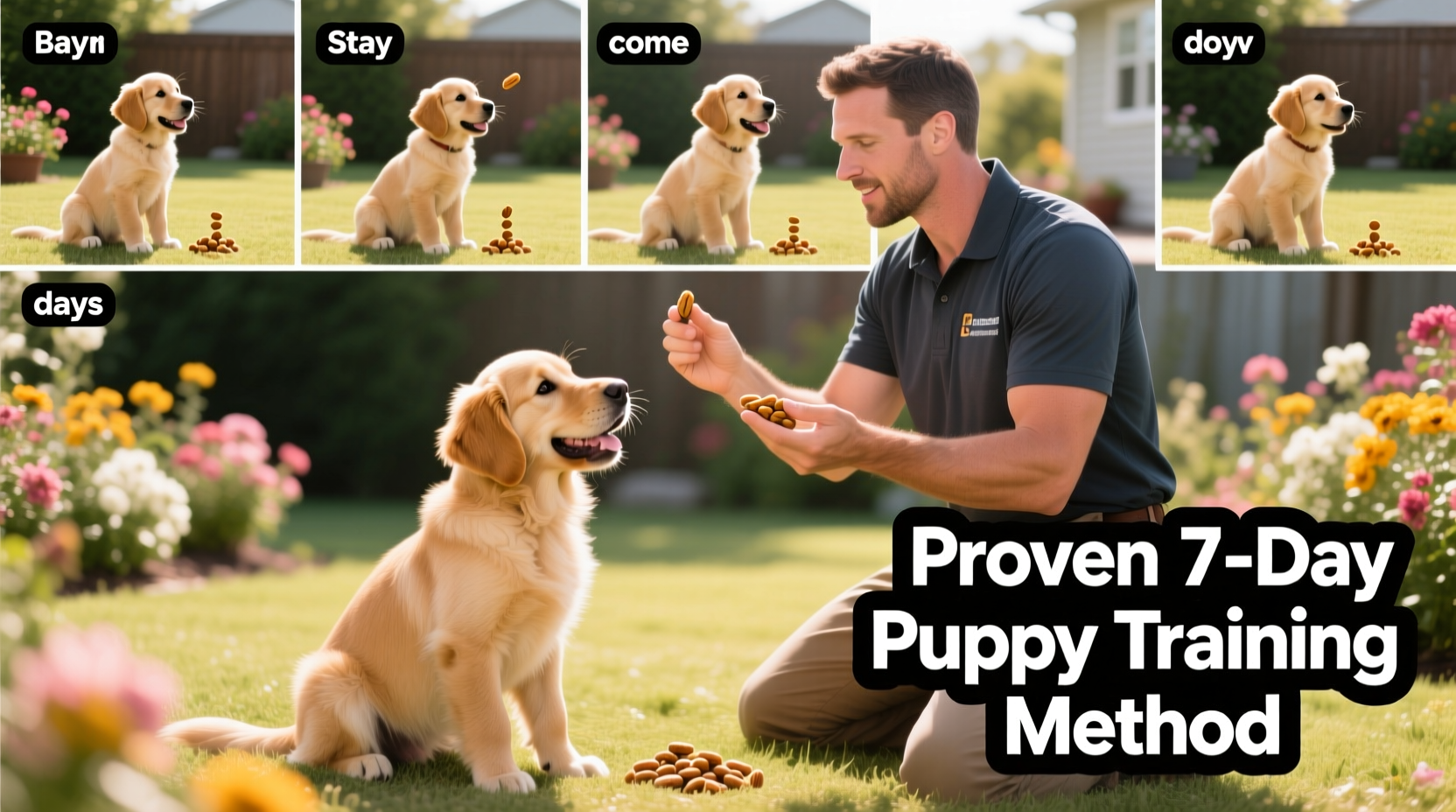
Puppies begin learning from the moment they open their eyes. By 8–12 weeks old, they’re highly receptive to shaping behaviors. The first week of ownership is critical because it sets the tone for future habits. Rather than overwhelming your pup, focus on short, frequent sessions (3–5 minutes, 4–6 times daily) to match their limited attention span.
Training success hinges on repetition, timing, and emotional association. Dogs learn through operant conditioning: behaviors followed by rewards are more likely to be repeated. Using treats, praise, and play as reinforcers during this initial phase builds a strong foundation.
“Puppies aren’t born knowing what ‘sit’ means, but they can learn it in minutes if the reward is timely and consistent.” — Dr. Ian Dunbar, Veterinarian and Canine Behaviorist
Day-by-Day Breakdown: One Week to Obedience
A structured timeline ensures steady progress without burnout. Here’s how to distribute command training across seven days:
- Day 1–2: Focus on attention and Sit. Build engagement and introduce the first formal command.
- Day 3–4: Add Down and Come. Expand control and recall skills.
- Day 5–6: Introduce Stay and practice combining commands.
- Day 7: Review all commands, increase distractions, and reinforce reliability.
Each session should end on a positive note—even if it means going back to an easier task. Never end on frustration.
Mastery of the Five Essential Commands
These five commands form the cornerstone of responsible dog ownership. Each serves a practical purpose and contributes to impulse control and communication.
1. Sit – The Foundation of Control
Sit is often the first command taught because it’s intuitive and useful in everyday situations—from greeting guests to waiting at curbs.
Technique: Hold a treat close to your puppy’s nose. Slowly move it upward so their head follows the bait, causing their bottom to lower naturally. As soon as they sit, say “Sit,” mark the behavior with a “Yes!” or clicker, and give the treat. Repeat 8–10 times per session.
Within two days, most puppies begin to associate the word with the action. Fade the lure quickly by miming the hand motion without a treat in hand, rewarding only when they respond to the cue alone.
2. Down – For Calmness and Safety
Down teaches your puppy to settle completely, which is essential for managing excitement and preventing jumping or bolting.
Technique: Start with your puppy in a sitting position. Hold a treat in your hand and slowly lower it toward the floor in front of them. As they follow the treat, their elbows will eventually touch the ground. The instant they lie down, say “Down,” mark it, and reward. If they stand up, reset and try again.
Some puppies resist lying down. In such cases, gently guide their shoulders downward while luring forward. Avoid force—patience is key. Practice indoors first, then transition to different surfaces.
3. Come – The Lifesaving Recall
Recall could save your dog’s life. Teaching a reliable “Come” early prevents dangerous off-leash incidents.
Technique: In a quiet, enclosed area, crouch down and say “Come” in an excited tone while showing a treat. When your puppy moves toward you, celebrate enthusiastically. Reward upon arrival with treats and affection.
Never punish your puppy after a successful recall, even if it took time. Doing so creates negative associations and weakens future responses. Gradually increase distance and add mild distractions over the week.
4. Stay – Building Self-Control
Stay teaches patience and prevents your dog from rushing out doors or jumping on people.
Technique: Ask your puppy to Sit. Place your palm flat in front of their face and say “Stay.” Count silently to three, then release with “Okay!” and reward. If they break the stay, calmly reset without scolding.
Gradually increase duration and distance. Start with one step back, then return to reward. Over days, extend both time and space. Always release with a verbal cue to avoid confusion.
5. Leave It – Preventing Dangerous Choices
This command stops your puppy from picking up harmful objects like trash, toxic foods, or small toys.
Technique: Place a less desirable item (like a dry kibble) in one hand and a high-value treat in the other. Show the low-value item and say “Leave it.” When your puppy stops sniffing or pulling, mark and reward with the better treat from the other hand.
Repeat until they immediately back away from the forbidden item. Progress to placing items on the floor under a clear cup or cloth, gradually removing barriers as reliability improves.
Proven Techniques That Accelerate Learning
Not all training methods are equally effective. Science supports certain strategies that enhance speed and retention.
Positive Reinforcement vs. Punishment
Studies consistently show that reward-based training leads to faster learning and stronger bonds. A 2017 University of Pennsylvania study found that dogs trained with punishment exhibited more fear and aggression. Positive reinforcement, on the other hand, fosters confidence and eagerness to comply.
Rewards don’t need to be constant. Once a behavior is learned, switch to a variable schedule—rewarding unpredictably—to make the behavior more resistant to extinction.
The Power of Marker Training
Using a marker word like “Yes!” or a clicker precisely identifies the exact moment your puppy performs the correct behavior. This clarity speeds up learning significantly.
For example, when your puppy’s bottom touches the floor during a Sit, mark instantly. Even a half-second delay can confuse the dog about which action earned the reward.
Shaping and Capturing
Instead of waiting for perfection, shape behaviors by rewarding successive approximations. If your puppy glances at the floor during Down training, mark and reward. Next time, wait for a crouch. Then a full lie-down.
Capturing involves rewarding spontaneous behaviors. If your puppy sits on their own, say “Sit” and treat. This reinforces natural actions and makes learning feel like play.
| Technique | Best For | Training Tip |
|---|---|---|
| Luring | Sit, Down | Fade the lure within 3–5 days to prevent dependency |
| Clicker Training | All commands | Pair the click with a treat 10 times before starting |
| Shaping | Complex behaviors | Reward small steps toward the goal |
| Chaining | Sequences (e.g., Sit-Stay-Come) | Teach each part separately first |
Common Pitfalls and How to Avoid Them
Even well-intentioned owners make mistakes that slow progress. Recognizing these early prevents setbacks.
- Inconsistency: Using different words for the same command (e.g., “Down” and “Lie down”) confuses the puppy.
- Long Sessions: Puppies have short attention spans. More, shorter sessions work better than one 20-minute drill.
- Skipping Proofing: Training only in one room limits generalization. Practice in different locations with increasing distractions.
- Impatience: Expecting perfection too soon leads to frustration. Celebrate small wins.
“Training is not about dominance—it’s about communication. Your puppy wants to please you; your job is to make the right choice obvious.” — Victoria Stilwell, Dog Trainer and TV Host
Mini Case Study: Max, the 10-Week-Old Labrador
Max arrived at his new home energetic and curious, with no prior training. His owner, Sarah, committed to five 5-minute sessions daily using chicken treats and a clicker.
By Day 2, Max reliably sat on cue. On Day 4, he mastered Down and responded to Come in the backyard. On Day 6, he held a 10-second Stay while Sarah stepped back three feet. On Day 7, he successfully left a piece of dropped sausage on the sidewalk when told.
Sarah avoided common errors: she used consistent cues, ended sessions positively, and practiced near low-level distractions like birds and passing cars. While Max wasn’t perfect, he understood all five commands—a remarkable achievement in one week.
Essential Training Checklist
Use this checklist to ensure you cover all critical aspects of puppy command training:
- ✅ Choose high-value treats (small, soft, smelly)
- ✅ Use a consistent verbal cue and hand signal for each command
- ✅ Train in a quiet, distraction-free environment initially
- ✅ Limit sessions to 3–5 minutes, multiple times per day
- ✅ Mark correct behavior instantly with “Yes!” or a clicker
- ✅ Practice each command in 3 different locations by Day 7
- ✅ End every session with a known, rewarded behavior
- ✅ Avoid repeating commands—say it once and wait for a response
Frequently Asked Questions
Can all puppies learn these commands in one week?
Most healthy puppies between 8–16 weeks can grasp the basics within seven days, though mastery varies by breed, temperament, and consistency. Some may need additional time for full reliability, especially in distracting environments.
What if my puppy ignores me during training?
If your puppy isn’t responding, reassess motivation and environment. Use higher-value treats, reduce distractions, and ensure you’re not asking too much too soon. Also, confirm your puppy is feeling safe and healthy—stress or illness impairs learning.
Should I use a leash during command training?
A lightweight leash can help manage attention and prevent wandering, especially outdoors. However, avoid using it to yank or correct. Let it serve as a gentle guide, not a tool for punishment.
Conclusion: Building a Lifelong Bond Through Training
Teaching your puppy basic commands in one week is not just about obedience—it’s about laying the groundwork for mutual understanding and trust. These early lessons shape how your dog interacts with the world and responds to your guidance for years to come. The techniques outlined here are rooted in behavioral science and real-world success, emphasizing kindness, clarity, and consistency.
Your puppy looks to you for leadership. By investing focused time now, you’re not only preventing future problems but also deepening your connection. Every “Sit,” “Stay,” and “Come” strengthens the bond between you. Start today, stay patient, and celebrate every small victory.




 浙公网安备
33010002000092号
浙公网安备
33010002000092号 浙B2-20120091-4
Comments
No comments yet. Why don't you start the discussion?